Betta fish can live up to 10 years, but reaching that milestone requires optimal care, a proper environment, and attentive health monitoring. Good water quality, balanced nutrition, and stress‑free housing are the three pillars that turn a short‑lived betta into a decade‑long companion.
Key Takeaways
- Typical lifespan: Most bettas live 3‑5 years; with excellent care, 8‑10 years is possible.
- Water quality matters: Stable temperature, low ammonia, and regular water changes are essential.
- Nutrition is key: High‑protein, varied diets prevent deficiencies and boost immunity.
- Stress reduction: Proper tank size, décor, and compatible tank mates extend life.
- Regular health checks: Early detection of fin rot, velvet, or swim‑bladder issues adds years.
- Genetics play a role: Some strains are hardier and live longer than others.
- Owner commitment: Consistent daily care and learning about betta behavior are crucial for a 10‑year lifespan.
📑 Table of Contents
- Introduction: The Dream of a Decade‑Long Betta
- 1. Understanding Betta Lifespan Basics
- 2. Setting Up the Perfect Home
- 3. Feeding for a Long, Healthy Life
- 4. Managing Health and Preventing Disease
- 5. Tank Mates: Friends or Foes?
- 6. Lifestyle Tips for a Decade‑Long Betta
- Conclusion: Turning the 10‑Year Dream into Reality
Introduction: The Dream of a Decade‑Long Betta
When you first bring home a brilliant, flowing‑fin betta, it’s easy to imagine a lifelong friendship. Most pet owners expect their betta to sparkle for a few short years, then fade away. But what if you could keep that splash of color alive for ten whole years? The answer is both hopeful and realistic—yes, a betta fish can live 10 years, but only under the right conditions.
This guide walks you through every factor that influences betta longevity, from water chemistry to diet, tank mates, and daily habits. By the end, you’ll have a clear roadmap to help your betta not just survive, but truly thrive for a decade.
1. Understanding Betta Lifespan Basics
Average vs. Maximum Lifespan
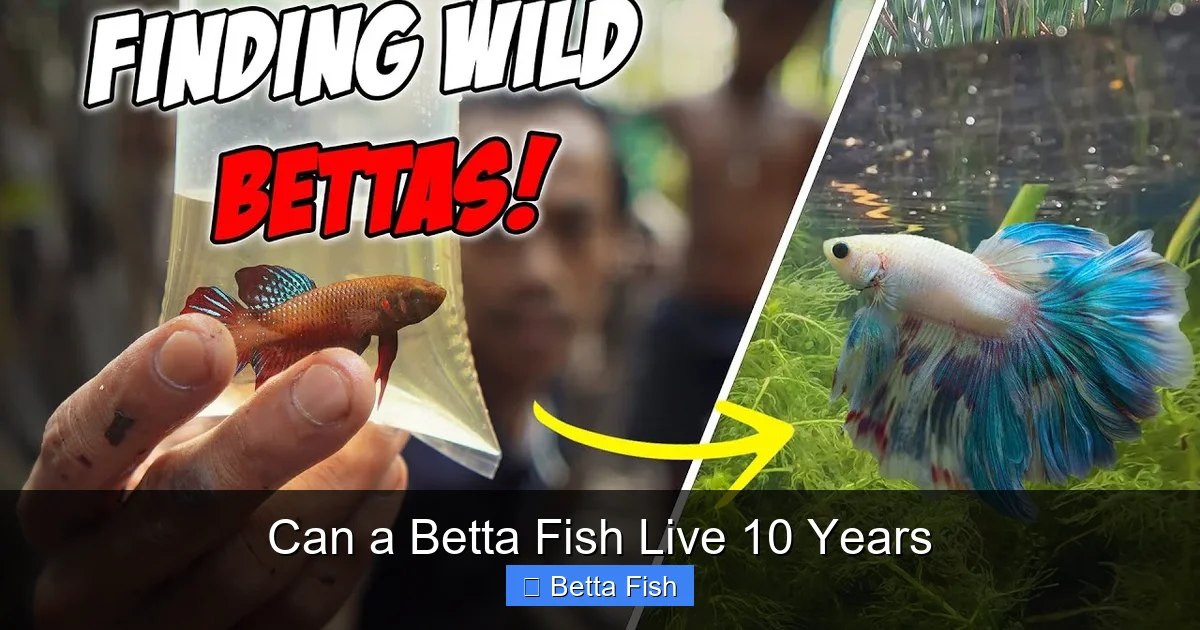
In the wild, bettas (also called Siamese fighting fish) live only a few years due to predators and seasonal changes. In captivity, the average lifespan drops to 3‑5 years because many owners keep them in small bowls or neglect water quality. However, research and long‑term hobbyist records show that with optimal care, bettas can reach 8‑10 years, and a few exceptional cases even surpass that.
Visual guide about Can a Betta Fish Live 10 Years
Image source: i.ytimg.com
Genetics and Strain Differences
Not all bettas are created equal. Half‑moon and crowntail varieties often have delicate fin structures that are prone to injury, while plakat or bubble‑nose types tend to be hardier. Selecting a healthy, well‑bred fry from a reputable dealer gives you a genetic head start toward a longer life.
Key Factors That Influence Longevity
- Water quality: Ammonia, nitrite, and nitrate spikes are lethal.
- Temperature stability: Betta thrive at 76‑82°F (24‑28°C).
- Nutrition: A varied diet prevents malnutrition.
- Stress levels: Overcrowding, aggressive tank mates, and poor décor cause chronic stress.
- Health monitoring: Early treatment of disease adds precious months.
2. Setting Up the Perfect Home
Tank Size Matters More Than You Think
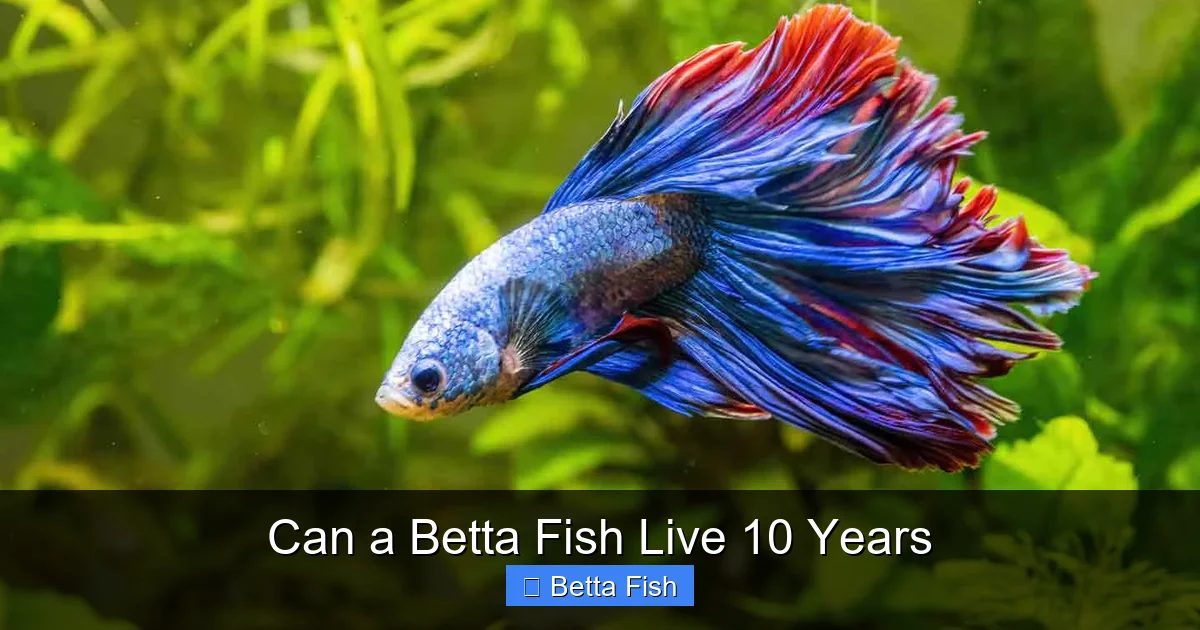
While many people still keep bettas in tiny bowls, science tells us a 5‑gal (19‑liter) tank is the sweet spot. It provides enough water volume to dilute toxins and gives the fish room to swim, which reduces stress and promotes natural behavior.
Visual guide about Can a Betta Fish Live 10 Years
Image source: media-be.chewy.com
For those who can’t accommodate a full tank, a high‑quality, filtered betta bowl with a heater can work, but only if you change the water daily and monitor parameters closely. Learn more about why bettas can live in a bowl in our article Why Can Betta Fish Live In A Bowl.
Filtration and Heating
A gentle sponge filter or a low‑flow hang‑on filter keeps water clear without creating a current that stresses a betta’s delicate fins. Pair this with a reliable aquarium heater set to 78°F (25.5°C) and a thermometer to avoid temperature swings.
Substrate, Plants, and Hiding Spots
Live plants such as Java fern, Anubias, or Marimo moss balls provide natural bio‑filtration and surfaces for beneficial bacteria. If live plants aren’t possible, silk plants and smooth rocks create hiding spots, which lower cortisol (stress hormone) levels.
Lighting
Provide 8‑10 hours of subdued LED lighting daily. Too much brightness can stress bettas, while total darkness can affect their natural circadian rhythm.
3. Feeding for a Long, Healthy Life
High‑Quality Protein Sources
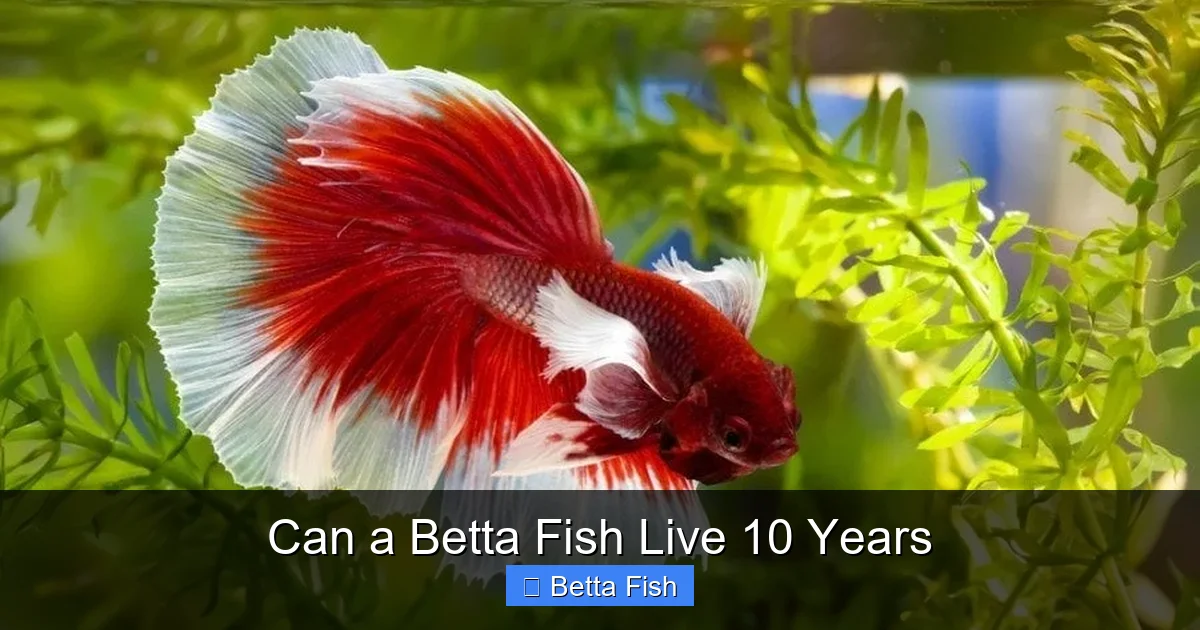
Betta fish are obligate carnivores. The best staple foods are high‑protein pellets specifically formulated for bettas, supplemented with frozen or live foods like daphnia, bloodworms, or brine shrimp. A balanced diet supports muscle development and immune function.
Visual guide about Can a Betta Fish Live 10 Years
Image source: hepper.com
Feeding Schedule
Feed two small meals per day, offering only what the fish can consume in 2‑3 minutes. Overfeeding leads to excess waste, which quickly degrades water quality. On weekends, you can give a single larger meal if you’re away.
Vitamins and Supplements
Occasional vitamin drops (especially Vitamin C) help prevent fungal infections and boost coloration. However, avoid daily supplementation as it can cause nutrient imbalances.
What Not to Feed
Avoid flake foods meant for goldfish, as they contain too many carbs. Also, steer clear of raw meat or processed human foods, which can introduce pathogens.
4. Managing Health and Preventing Disease
Common Betta Ailments
- Fin rot: Bacterial infection causing frayed fins. Treat with aquarium salt or a commercial antibacterial medication.
- Velvet (Ichthyophthirius multifiliis): White spots; raise temperature to 84°F and add copper‑based medication.
- Swim‑bladder disorder: Overfeeding or constipation; fast for 24 hours, then feed a pea to relieve gas.
Routine Health Checks
Spend a few minutes each day watching your betta’s behavior. Look for signs of lethargy, loss of appetite, ragged fins, or abnormal swimming. Early detection can mean the difference between a quick recovery and a fatal outcome.
Quarantine New Arrivals
Whenever you add a new betta or any tank mate, quarantine them for at least two weeks in a separate tank. This prevents the introduction of parasites that could shorten your fish’s life.
When to Seek Professional Help
If symptoms persist after a week of treatment, consult a vet experienced with fish or a reputable aquarium store. Do not rely solely on online advice for severe infections.
5. Tank Mates: Friends or Foes?
Choosing Compatible Species
Betta fish can coexist with certain peaceful species if the tank is spacious and well‑planted. Good companions include small, non‑aggressive fish like neon tetras, rasboras, or peaceful shrimp. For detailed guidance, see What Fish Can Live With A Betta.
Species to Avoid
Fin‑nipping fish (e.g., guppies in some cases), aggressive barbs, and larger carnivores will stress or harm a betta. Even seemingly gentle species can become territorial in a cramped space.
Introducing New Fish
Use a “slow‑air” method: place a bag with the new fish inside the tank for 15‑20 minutes, allowing water chemistry to equalize. Then release the fish gently, watching closely for any signs of aggression.
Can a Betta Share a Bowl?
In most cases, a single betta should occupy its own bowl or tank. Sharing a tiny bowl with another fish almost always leads to stress and disease. For more on why bowls are limiting, read Can Betta Fish Live In A Bowl.
6. Lifestyle Tips for a Decade‑Long Betta
Consistent Routine
Betas thrive on predictability. Feed at the same times, perform water changes on a set schedule (about 25 % weekly), and keep lighting consistent.
Water Change Techniques
Use a siphon to remove debris from the substrate, then replace with dechlorinated water matching the tank’s temperature. Test water parameters weekly with a liquid test kit.
Environmental Enrichment
Rotate décor items occasionally—swap a new plant or a smooth rock—to stimulate natural exploration without causing stress.
Monitoring Temperature and pH
Betta fish prefer a pH between 6.5 and 7.5. Keep a digital thermometer and a pH test strip on hand; adjust with driftwood (to lower pH) or crushed coral (to raise pH) if needed.
Record Keeping
Maintain a simple log: date of water change, temperature, pH, feeding notes, and any health observations. Over time, patterns emerge that help you fine‑tune care.
Conclusion: Turning the 10‑Year Dream into Reality
Yes, a betta fish can live 10 years, but reaching that milestone is a blend of science, dedication, and love. By providing a spacious, filtered tank, stable temperature, high‑quality nutrition, and vigilant health care, you give your betta the best chance to celebrate a decade of vibrant colors and graceful fins.
Remember, the journey isn’t just about the numbers on a calendar—it’s about building a bond with a creature that will brighten your home for years to come. Start today, apply these tips, and watch your betta flourish well beyond the average lifespan.
Frequently Asked Questions
Can a betta fish really live 10 years?
Yes, with excellent water quality, proper nutrition, and low stress, many bettas reach 8‑10 years, and a few have been documented living even longer.
What is the most important factor for a long‑lived betta?
Consistently clean water is the single biggest factor; stable temperature and low ammonia levels prevent most diseases.
How often should I change the water?
Change about 25 % of the tank water weekly, and perform a full water change every 4‑6 weeks, always matching temperature and conditioning.
Can I keep my betta with other fish?
Yes, if the tank is at least 10 gallons and you choose peaceful, non‑fin‑nipping species. See What Fish Can Live With A Betta for detailed options.
Is feeding live food necessary?
Live or frozen foods are excellent supplements, but a high‑quality betta pellet diet can meet all nutritional needs when fed regularly.
What signs indicate my betta is aging?
Older bettas may become less active, show slight fading of colors, or have slower growth of fins. Regular health checks help manage age‑related changes.

