How Often You Clean a Betta Fish Bowl
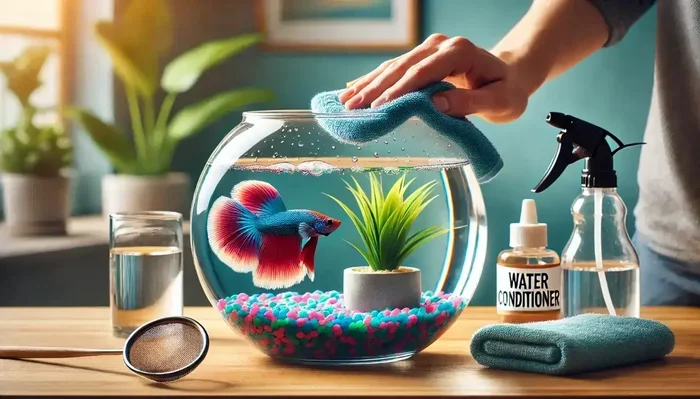
Knowing how often you clean a betta fish bowl is the single most important thing you can do for your fish’s health. Most betta bowls need a partial water change every 7 to 14 days and a full deep clean once a month. The exact frequency depends on bowl size, whether you have a filter, and how many fish share the space. This guide covers everything from daily habits to monthly routines so your betta stays vibrant and active.
Keeping a betta fish bowl clean is not just about looks. It directly affects your fish’s health, energy, and lifespan. Many new betta owners wonder how often they should be cleaning the bowl. The answer is not a simple one-size-fits-all number. It depends on several factors that we will break down in this guide.
If you want your betta to thrive, you need a consistent betta fish bowl cleaning schedule. Skipping cleanings leads to ammonia buildup, cloudy water, and sick fish. On the other hand, cleaning too often can destroy beneficial bacteria that keep the ecosystem balanced. Finding the sweet spot is what this article is all about.
Whether you have a tiny 1-gallon bowl or a larger 5-gallon setup, this guide will give you practical steps you can follow today. We will cover partial water changes, full deep cleans, what tools to use, and common mistakes to avoid. By the end, you will feel confident about your betta tank maintenance routine.
Key Takeaways
- Partial water changes: Replace 25-50% of the water every 7-14 days to keep ammonia levels safe.
- Full deep cleans: Do a complete bowl cleaning once a month or when water looks cloudy.
- Filter matters: Bowls with filters need less frequent cleaning than unfiltered setups.
- Watch your fish: Behavioral changes like lethargy or loss of appetite signal dirty water.
- Avoid overcleaning: Stripping all good bacteria can harm your betta’s health.
- Use the right tools: A gravel vacuum, water conditioner, and soft sponge make cleaning easy.
- Temperature counts: Keep water between 76-82°F during and after cleaning.
📑 Table of Contents
- How Often You Clean a Betta Fish Bowl
- Why Regular Cleaning Matters for Betta Health
- Tools You Need for Cleaning a Betta Bowl
- Step-by-Step Guide to Cleaning Your Betta Bowl
- Common Mistakes to Avoid When Cleaning a Betta Bowl
- Expert Tips for Keeping Your Betta Bowl Clean Longer
- How Bowl Size Affects Cleaning Frequency
- Final Thoughts on Cleaning Your Betta Fish Bowl
How Often You Clean a Betta Fish Bowl
The short answer is that most betta bowls need attention every 7 to 14 days. But the type of cleaning you do matters just as much as the frequency. There are two main types of cleaning: partial water changes and full deep cleans. Each serves a different purpose and happens on a different timeline.
A partial water change is when you remove 25 to 50 percent of the old water and replace it with fresh, treated water. This should happen every 7 to 10 days for most setups. It removes waste buildup without disturbing the good bacteria living in the bowl.
A full deep clean is more involved. You remove the betta, empty the bowl completely, scrub the surfaces, and refill with fresh water. This should happen once every 3 to 4 weeks or when the water becomes consistently cloudy. How often you clean a betta fish bowl also depends on whether your bowl has a filter, the number of fish inside, and the ambient room temperature.
Partial Water Change Schedule
For most betta bowls, a partial water change every 7 to 10 days works best. Here is a simple breakdown:
- 1-gallon bowl: Change 50% of the water every 7 days.
- 2 to 3-gallon bowl: Change 25 to 30% every 7 to 10 days.
- 5-gallon bowl with filter: Change 20 to 25% every 10 to 14 days.
The smaller the bowl, the more frequently you need to clean. This is because waste concentrates faster in less water. If you notice the water turning yellow or cloudy before your scheduled change, do it early. Waiting too long can put your betta at risk.
Full Deep Clean Schedule
A complete bowl cleaning should happen about once every 3 to 4 weeks. Here are the signs that tell you it is time for a deep clean:
- The water stays cloudy even after a partial change.
- You can see algae building up on the walls and rocks.
- Your betta seems less active or stays near the surface gasping.
- There is a strong unpleasant smell coming from the bowl.
When you do a deep clean, how often you clean a betta fish bowl resets for the next cycle. After a thorough cleaning, wait 3 to 4 weeks before the next full deep clean. In between, stick to your partial water change schedule.
Why Regular Cleaning Matters for Betta Health
Bettas are tropical fish that need clean, warm water to stay healthy. Unlike some hardier fish species, bettas are sensitive to water quality changes. Dirty water leads to a buildup of ammonia and nitrites. These chemicals are invisible but extremely harmful. Even low levels can stress your betta and lead to serious health problems.
When you keep up with your betta fish bowl cleaning schedule, you are doing more than just removing dirt. You are protecting your fish from diseases like fin rot, ich, and bacterial infections. Clean water also helps your betta maintain its vibrant colors and active personality.
The Role of Beneficial Bacteria
Here is something many beginners do not know. Your bowl needs good bacteria to break down fish waste. These bacteria live on the surfaces inside the bowl, including the gravel, rocks, and walls. When you clean too aggressively, you wash away these helpful bacteria. This can actually make the water quality worse in the short term.
This is why partial water changes are safer than full cleans every time. You remove the dirty water while keeping the beneficial bacteria intact. Think of it like this: you are refreshing the water, not starting from scratch every time.
Signs Your Betta Bowl Needs Cleaning
Your betta will tell you when the bowl is dirty. Watch for these warning signs:
- Cloudy or discolored water: Clear water should be the goal. Yellow or brown tint means it is time for a change.
- Strong odor: A clean betta bowl should have little to no smell. A rotten egg or ammonia smell is a red flag.
- Lethargy: If your betta spends most of the time resting at the bottom or hiding, dirty water could be the cause.
- Loss of appetite: Bettas are generally eager eaters. Refusing food often signals stress from poor water conditions.
- Clamped fins: When fins stay pressed against the body, it is a common sign of discomfort or illness.
If you notice any of these signs, test your water and perform a partial water change immediately. The sooner you act, the better your betta’s chances of recovering quickly.
Tools You Need for Cleaning a Betta Bowl
Cleaning a betta bowl does not require a lot of fancy equipment. A few basic tools make the process quick and effective. Here is what you will need:
- Small siphon or gravel vacuum: This helps you remove debris from the gravel without disturbing the bowl too much.
- Water conditioner: Tap water contains chlorine and chloramine that are toxic to bettas. A conditioner neutralizes these chemicals instantly.
- Soft sponge or algae pad: Use this to scrub algae off the bowl walls. Never use soap or harsh chemicals.
- Clean bucket: Dedicate a bucket just for fish water. Never use a bucket that has held soap or cleaning products.
- Thermometer: Make sure the new water matches the bowl temperature, ideally between 76 and 82 degrees Fahrenheit.
- Turkey baster (optional): Great for removing food debris and small waste particles from the surface.
Having these tools ready before you start makes the whole process faster and less stressful for both you and your betta. How to clean your betta fish bowl becomes much easier when everything is within reach.
Step-by-Step Guide to Cleaning Your Betta Bowl
Follow these steps for a safe and effective cleaning routine. Whether you are doing a partial change or a full deep clean, the process is similar with a few key differences.
Step 1: Prepare the New Water
Fill your clean bucket with tap water. Add the water conditioner according to the product instructions. Let the water sit until it reaches room temperature or matches the bowl temperature. Temperature shock is a real danger for bettas, so this step should never be skipped.
Step 2: Remove Your Betta Safely
Use a small net to gently transfer your betta to a temporary container. Fill the container with some of the original bowl water so your fish stays comfortable. Cover the container to prevent jumping but leave room for air.
Step 3: Remove Old Water
For a partial change, use your siphon or gravel vacuum to remove 25 to 50 percent of the water. For a deep clean, remove all of the water. Set aside the removed water if you need it for any reason.
Step 4: Clean the Bowl and Decorations
Use your soft sponge to gently scrub the inside walls of the bowl. Remove any algae buildup. If you have rocks or gravel, rinse them in the removed bowl water (not tap water) to preserve beneficial bacteria. Never use soap or detergent on anything that touches your betta’s water.
For a deeper clean, you can also clean a betta fish bowl with rocks by gently swirling the rocks in the removed water to release trapped debris. This keeps the beneficial bacteria colony intact while still removing waste.
Step 5: Refill and Reintroduce Your Betta
Add the fresh, treated water slowly to avoid disturbing the gravel or decorations too much. Check the temperature with your thermometer. Once the water matches, gently release your betta back into the bowl using the net. Discard the water from the temporary container.
Step 6: Observe and Monitor
Watch your betta for the next few hours after cleaning. A healthy betta should resume normal behavior fairly quickly. If you notice prolonged stress or unusual behavior, check the water parameters again. Sometimes the issue is temperature mismatch rather than cleanliness.
Common Mistakes to Avoid When Cleaning a Betta Bowl
Even experienced fish keepers make mistakes. Here are the most common errors people make when cleaning a betta bowl and how to avoid them.
Using Tap Water Without Conditioner
This is the number one mistake. Tap water contains chlorine and chloramine that are deadly to bettas. Always use a water conditioner before adding new water to the bowl. Skipping this step can cause immediate gill damage and long-term health problems.
Cleaning Too Frequently
Some owners think more cleaning equals a healthier bowl. This is not true. Overcleaning strips away beneficial bacteria that are essential for breaking down waste. Stick to your schedule and only clean when needed. If you are unsure, it is better to wait an extra day than to clean too soon.
Changing All the Water at Once
Except during a scheduled deep clean, never replace 100% of the water. Doing so destroys the entire beneficial bacteria colony and can cause a mini-cycle of ammonia and nitrite spikes. Partial changes are always safer for day-to-day maintenance.
Using Soap or Household Cleaners
Soap residue is extremely toxic to fish. Even a tiny amount can be fatal. Never wash your bowl, decorations, or tools with soap. Hot water and a soft sponge are all you need for routine cleaning.
Ignoring Water Temperature
Bettas are tropical fish and need warm water. Adding cold water during a cleaning can cause temperature shock, which weakens the immune system and can lead to illness. Always match the temperature of the new water to the existing bowl water.
Expert Tips for Keeping Your Betta Bowl Clean Longer
Cleaning is only half the battle. The other half is preventing buildup in the first place. Here are some expert tips that will help you go longer between cleanings while keeping your betta healthy.
- Do not overfeed your betta: Excess food decays quickly and pollutes the water. Feed small amounts once or twice a day and remove any uneaten food within 5 minutes.
- Add live plants: Plants absorb ammonia and nitrates naturally. They also produce oxygen and create a more natural environment for your betta.
- Use a filter if possible: A small sponge filter can significantly reduce how often you need to clean. It helps circulate water and houses beneficial bacteria.
- Test water regularly: A simple liquid test kit can measure ammonia, nitrite, and nitrate levels. This helps you catch problems before they become visible.
- Keep the bowl away from direct sunlight: Sunlight promotes algae growth, which means more frequent cleaning. Place the bowl in a spot with indirect light.
If you want to learn more about how to maintain a betta fish bowl on a daily basis, check out our detailed maintenance guide. It covers feeding schedules, water testing, and enrichment ideas that keep your betta happy.
How Bowl Size Affects Cleaning Frequency
The size of your betta bowl plays a huge role in determining how often you need to clean it. Smaller bowls have less water volume, which means waste concentrates faster. Here is a quick comparison:
| Bowl Size | Partial Water Change | Full Deep Clean |
|---|---|---|
| 1 gallon | Every 7 days, 50% water | Every 2 to 3 weeks |
| 2 to 3 gallons | Every 7 to 10 days, 25-30% | Every 3 to 4 weeks |
| 5 gallons (with filter) | Every 10 to 14 days, 20-25% | Every 4 to 5 weeks |
As you can see, larger bowls with filters require less frequent cleaning. If you have the option, a 5-gallon tank with a filter is the ideal setup for a betta. It provides more stable water parameters and gives your fish more room to swim.
Final Thoughts on Cleaning Your Betta Fish Bowl
Learning how often you clean a betta fish bowl is one of the most important skills any betta owner can develop. A consistent cleaning routine keeps your fish healthy, happy, and vibrant. Stick to partial water changes every 7 to 14 days and full deep cleans every 3 to 4 weeks. Avoid the common mistakes we covered and use the right tools for the job.
Remember that every bowl is different. Factors like size, filtration, temperature, and the number of fish all influence your ideal cleaning frequency. Pay attention to your betta’s behavior and the water conditions. These are your best guides for knowing when cleaning is needed.
If you ever feel unsure about your cleaning routine, revisit this guide. You can also explore our article on how to clean your betta fish bowl for more detailed step-by-step instructions. And for information on water change timing, check out our guide on how often to change betta fish water to understand the relationship between water changes and overall bowl maintenance.
A clean bowl leads to a happy betta. Take the time to build a routine that works for you and your fish. Your betta will thank you with years of colorful, active companionship.