Seeing a betta’s guts hanging out can be alarming, but it’s often a sign of a treatable health issue. This guide explains the common causes, immediate actions you should take, and long‑term care tips to help your fish recover quickly and thrive.
Key Takeaways
- Understanding can a betta fish guts hanging out: Provides essential knowledge
📑 Table of Contents
- Introduction: Why “Guts Hanging Out” Can Be Scary
- What Does It Mean When a Betta’s Guts Are Hanging Out?
- Immediate Steps: What to Do When You Spot the Problem
- Understanding the Underlying Causes
- Long‑Term Care and Prevention
- Case Studies: Real‑World Examples
- Conclusion: Turn Panic Into Proactive Care
Introduction: Why “Guts Hanging Out” Can Be Scary
If you ever looked into your betta’s tank and saw a pink, wriggling mass hanging from its mouth, you probably felt a wave of panic. It looks like something out of a horror movie, but it’s a real health problem that many betta owners face.
In this article we’ll answer the dreaded question “can a betta fish guts hanging out” and walk you through everything you need to know—from the science behind the symptom to step‑by‑step emergency care. By the end you’ll feel confident handling the situation and, more importantly, preventing it from happening again.
What Does It Mean When a Betta’s Guts Are Hanging Out?
Defining the Symptom
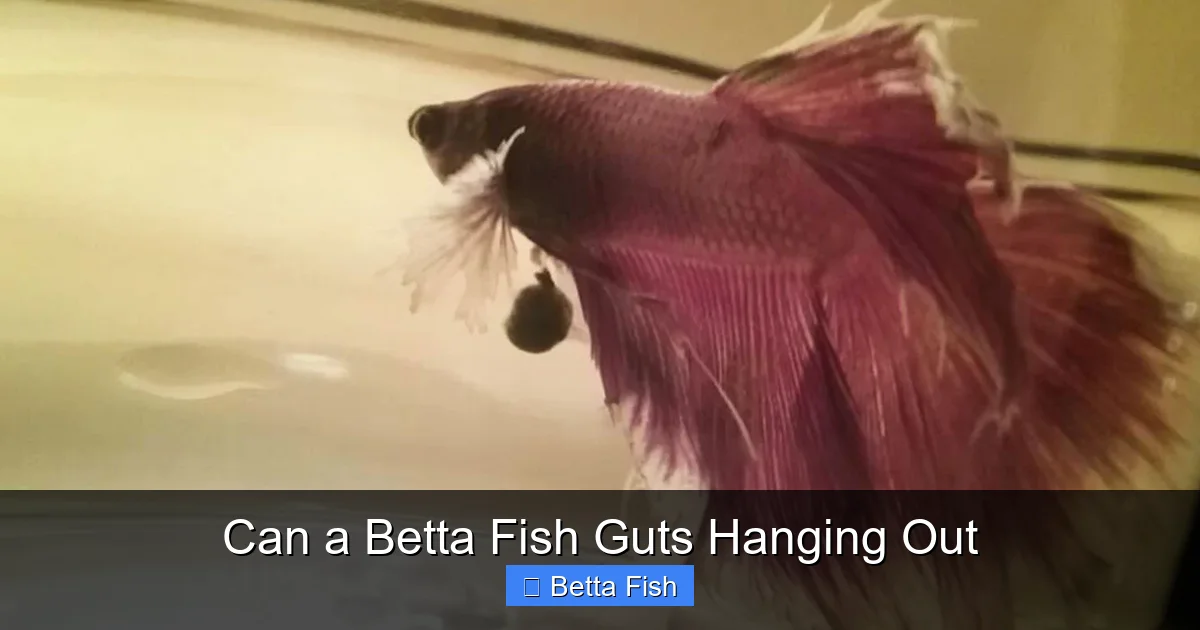
When we say “guts hanging out” we’re describing a condition called prolapsed intestines. The intestine or part of the digestive tract pushes through the mouth or vent and becomes visible. It often looks like a pink or reddish tube that may bleed slightly.
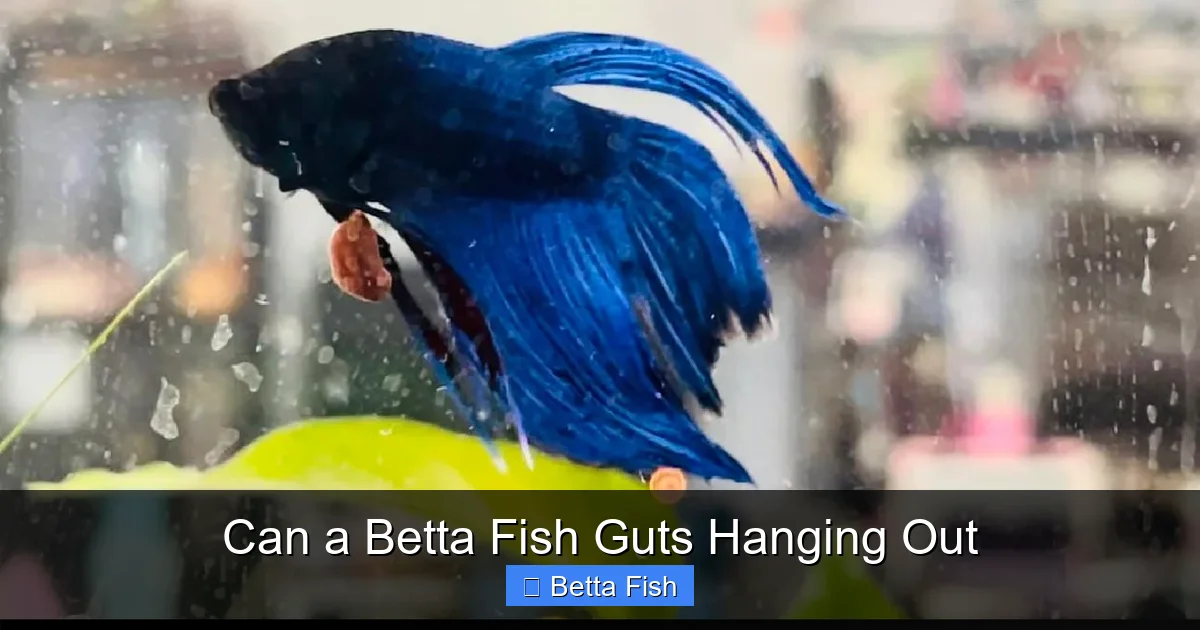
Visual guide about Can a Betta Fish Guts Hanging Out
Image source: buildyouraquarium.com
Common Triggers
- Internal parasites: Hexamita or Costia can irritate the gut lining.
- Constipation: Overfeeding, low‑fiber diet, or lack of movement.
- Physical injury: Rough handling, aggressive tank mates, or sharp decorations.
- Water quality issues: High ammonia or sudden temperature spikes stress the gut.
- Genetic weakness: Some bettas have a naturally weaker intestinal wall.
Immediate Steps: What to Do When You Spot the Problem
1. Isolate the Betta
Move the fish to a clean, quarantine tank (at least 2‑gallon) with the same temperature (78‑80°F) and a gentle filter. Isolation prevents stress from other fish and stops any potential disease spread.
Visual guide about Can a Betta Fish Guts Hanging Out
Image source: bettafish.org
2. Check Water Parameters
Test for ammonia, nitrite, nitrate, and pH. Ideal ranges for bettas are:
- Ammonia: 0 ppm
- Nitrite: 0 ppm
- Nitrate: < 20 ppm
- pH: 6.5‑7.5
If anything is out of range, perform a partial water change (25‑30 %) with conditioned water.
3. Adjust the Diet Immediately
Offer a fast‑acting, high‑fiber food. Options include:
- Pea puree (cooked, skinned peas mashed into a smooth paste)
- Specialty betta gut‑clearing foods (available at most pet stores)
- Small pieces of blanched zucchini
Feed only once and remove uneaten food after 5 minutes to keep water clean.
4. Use a Gentle Treatment
If parasites are suspected, a short course of metronidazole (available in aquarium‑safe medication kits) can help. Follow the manufacturer’s dosage exactly—over‑medicating can damage the gut further.
5. Monitor for Bleeding and Lethargy
Small amounts of blood are normal as the tissue heals. However, heavy bleeding, loss of appetite, or the fish staying at the bottom of the tank are red flags. In those cases, reach out to a fish‑health specialist.
Understanding the Underlying Causes
Internal Parasites
Parasites like Hexamita attach to the intestinal lining and cause inflammation. They thrive in warm water and can multiply quickly if the tank isn’t cleaned regularly. A regular dose of a probiotic supplement can help maintain a healthy gut flora.

Visual guide about Can a Betta Fish Guts Hanging Out
Image source: i.ytimg.com
Constipation and Diet Issues
Bettas are carnivores, but they also need a bit of fiber. Feeding only high‑protein pellets can lead to hard stools that push against the intestinal wall. Adding a weekly “fiber treat” (like the pea puree mentioned earlier) keeps the digestive tract moving.
Physical Injury
Even a tiny scratch from a plastic plant can cause a gut to slip out if the fish tries to swallow it. Always use smooth, aquarium‑safe decorations and avoid over‑crowding the tank.
Water Quality Stress
Ammonia burns the gut lining, making it more likely to prolapse. Regular water changes (20‑30 % weekly) and a reliable filtration system are non‑negotiable for betta health.
Long‑Term Care and Prevention
Maintain Ideal Water Conditions
Invest in a good water test kit and keep a log of readings. Consistency is key—sudden spikes are more dangerous than slightly higher but stable levels.
Balanced Feeding Routine
Feed your betta 2‑3 times a day, offering only what it can eat in 2‑3 minutes. Rotate between high‑quality betta pellets, frozen or live daphnia, and a weekly fiber treat.
Regular Tank Cleaning
Perform a 25 % water change every week and clean the substrate with a siphon. Avoid using soap or harsh chemicals; a simple rinse with dechlorinated water is enough.
Safe Tank Setup
Choose a tank of at least 5 gallons for a single betta. Larger space reduces stress and gives you more room to spot early signs of illness. If you’re curious about whether a betta can live in a bowl, read our guide on Can You Keep Betta Fish In A Bowl for the pros and cons.
Appropriate Tank Mates
While many owners wonder what fish can live with a male betta, adding aggressive or fin‑nipping species can increase stress and lead to gut issues. Choose peaceful, non‑aggressive companions and always monitor interactions.
When to Seek Professional Help
If after 48 hours the protruding gut does not shrink, or if the fish shows signs of severe infection (cloudy eyes, fin rot, sudden death), it’s time to contact a veterinarian who specializes in fish.
Case Studies: Real‑World Examples
Case 1: The Constipated Betta
Emily noticed her male betta, “Blue Flash,” with a small pink tube hanging from his mouth. She immediately isolated him, performed a 30 % water change, and fed pea puree. Within 24 hours the gut retracted, and Blue Flash returned to normal swimming. The lesson? A quick diet change can reverse mild constipation‑induced prolapse.
Case 2: Parasite Outbreak in a Community Tank
Mark kept a community tank with a betta, neon tetras, and a dwarf gourami. After a water change, his betta’s gut started hanging out. Testing revealed elevated ammonia. He treated the tank with a probiotic and a short course of metronidazole. The betta recovered, but the other fish showed signs of stress. Mark learned the importance of regular water testing and decided to keep his betta in a separate tank, reading more about Can A Betta Fish Live With Other Fish before re‑introducing tank mates.
Case 3: Injury from a Sharp Ornament
Sara bought a decorative castle with rough edges. Her betta, “Ruby,” tried to swim through a narrow gap and later displayed a protruding gut. After removing the ornament and providing a soft diet, Ruby’s gut healed in three days. Sara now uses only smooth, aquarium‑safe decorations and checks each new item for sharp corners.
Conclusion: Turn Panic Into Proactive Care
Seeing a betta’s guts hanging out is frightening, but it’s rarely a death sentence. By understanding the causes—parasites, constipation, injury, or poor water—and acting quickly with isolation, water changes, and proper diet, you can often save your fish.
Remember, prevention beats cure. Keep the water clean, feed a balanced diet, and choose tank mates wisely. If you ever wonder whether a betta can live in a bowl or need tips on finding a reputable dealer, check out our article on Where Can I Buy A Betta Fish Near Me. With the right knowledge, you’ll keep your finned friend healthy and vibrant for years to come.
Frequently Asked Questions
Can a betta fish guts hanging out be caused by overfeeding?
Yes. Overfeeding can lead to constipation, which puts pressure on the intestinal wall and may cause it to protrude.
Is it safe to give my betta fish human food to treat gut prolapse?
Only foods that are safe for fish, like cooked peas or blanched zucchini, should be given. Avoid salty or seasoned human foods.
How long does it take for a prolapsed gut to heal?
With proper care, most mild cases shrink within 24‑48 hours. Severe cases may take up to a week.
Do I need a separate quarantine tank for a betta with gut issues?
Yes. Isolating the fish reduces stress and prevents any potential disease from spreading to tank mates.
Can water temperature affect gut health?
Absolutely. Temperatures below 75°F slow digestion, while spikes above 82°F stress the gut and increase parasite activity.
When should I consider taking my betta to a vet?
If the gut does not retract after 48 hours, if there is heavy bleeding, or if the fish becomes lethargic, seek professional help.

