How to Calm Down Betta Fish

Learning how to calm down betta fish is easier than most owners think. Your betta may seem aggressive or hiding because of stress from poor water, bright lights, or tank mates. This guide covers the top causes of betta stress and gives you simple, actionable steps to help your fish relax and thrive again.
Have you ever watched your betta fish dart around the tank like it’s trying to escape? Or maybe your betta sits at the bottom, hiding behind a rock, refusing to eat. These are signs that your fish is stressed. Learning how to calm down betta fish starts with understanding what causes the stress in the first place.
Betta fish are beautiful, lively creatures. They have flowing fins and vibrant colors that make them a favorite among fish keepers. But they are also sensitive. Changes in their environment can trigger stress, which leads to health problems and a shortened lifespan. The good news is that calming a stressed betta is something any owner can do at home with a few simple adjustments.
In this guide, we will walk you through everything you need to know. From the top causes of betta fish stress to proven calming techniques, you will find practical advice you can use today. Whether your betta is flaring at its own reflection or hiding all day, this article has you covered.
Key Takeaways
- Identify stress triggers: Poor water quality, loud noises, and bright lights are the most common causes of a stressed betta fish.
- Fix the environment first: A properly sized tank with clean water and gentle filtration can instantly reduce stress.
- Use natural calming methods: Plants, hiding spots, and a consistent routine help your betta feel safe and relaxed.
- Watch for warning signs: Clamped fins, color fading, and rapid breathing are clear signals your fish needs help.
- Prevention is key: Regular water changes and stable temperatures keep your betta healthy and calm long-term.
- Avoid common mistakes: Overcrowding, sudden changes, and tapping on the glass make stress worse.
- Patience matters: It can take days or weeks for a betta to fully adjust and show calm behavior.
📑 Table of Contents
- Why Do Betta Fish Get Stressed?
- Signs Your Betta Fish Is Stressed
- How to Calm Down Betta Fish: Step-by-Step Solutions
- Natural Remedies to Soothe a Stressed Betta
- Common Mistakes That Make Betta Stress Worse
- When to Seek Help for a Chronically Stressed Betta
- Prevention: Keeping Your Betta Calm Long-Term
- Final Thoughts
Why Do Betta Fish Get Stressed?
Understanding the root cause is the first step. You cannot fix what you do not understand. Betta fish get stressed for many reasons, and most of them are tied to their environment. Let us break down the most common triggers.
Poor Water Quality
Dirty water is the number one enemy of a calm betta. Ammonia and nitrite buildup in an unmaintained tank can make your fish extremely uncomfortable. Even small amounts of these chemicals can damage your betta’s gills and cause serious health issues. Regular water changes and proper filtration are essential. If you are unsure how to manage your tank water, check out our guide on how to take care of betta fish water for detailed steps.
Wrong Water Temperature
Betta fish are tropical creatures. They need warm water to stay healthy and relaxed. Cold water slows their metabolism and makes them sluggish and stressed. On the other hand, water that is too hot reduces oxygen levels and can cause panic. Keeping the temperature between 76 and 82 degrees Fahrenheit is the sweet spot. If you need help maintaining warmth, our article on how to keep your betta fish warm offers great solutions.
Too Small a Tank
Many people keep bettas in tiny bowls. While bettas can survive in small spaces, they thrive in larger ones. A tank under five gallons can make your fish feel cramped and anxious. A stressed betta in a small tank is more likely to show aggressive behavior and develop health problems over time.
Bright Lights and Loud Noises
Betta fish have sensitive nervous systems. Harsh overhead lights and loud sounds from televisions or speakers can startle them constantly. Over time, this chronic stress weakens their immune system and makes them more vulnerable to disease.
Aggressive Tank Mates
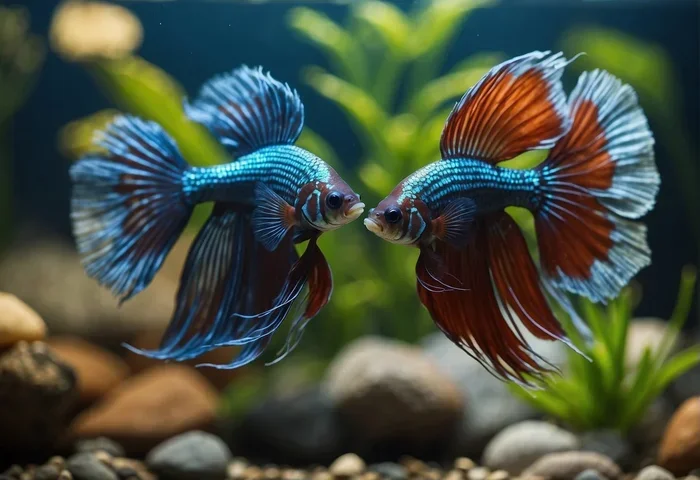
Not all fish get along with bettas. Fin-nipping species or overly active fish can harass your betta all day. This constant harassment leads to visible stress. Even reflections in the glass can trigger flaring and frustration.
Signs Your Betta Fish Is Stressed
Betta fish communicate through behavior. Once you learn to read the signs, you can act quickly. Here are the most common indicators that your fish is stressed:
- Clamped fins: Fins held close to the body signal discomfort.
- Color fading: A dull or pale appearance often means stress.
- Rapid breathing: Fast gill movement suggests your fish is struggling.
- Hiding constantly: A healthy betta explores its environment.
- Loss of appetite: Refusing food is a major red flag.
- Flaring at nothing: Constant flaring at reflections or shadows shows agitation.
- Erratic swimming: Darting or rubbing against objects is a warning sign.
If you notice any of these signs, do not panic. Most of these issues are reversible with the right approach. Knowing how to calm down betta fish means catching these signals early and responding with care.
How to Calm Down Betta Fish: Step-by-Step Solutions
Now that you know what causes stress and how to spot it, let us dive into the solutions. These steps work together to create a peaceful, healthy environment for your betta.
Step 1: Test and Improve Water Quality
Start with a water test. Use a liquid test kit to check ammonia, nitrite, nitrate, and pH levels. Ammonia and nitrite should read zero. Nitrates should stay below 20 ppm. If any levels are off, perform a 25 to 50 percent water change immediately. Always use treated water, as chlorine in tap water can harm your fish. Learn more about preparing safe water in our guide on preparing water for a betta fish.
Step 2: Adjust the Temperature
Check your aquarium thermometer. If the water is below 76 degrees, your betta is likely cold-stressed. Add a reliable aquarium heater set to 78 to 80 degrees. Avoid temperature swings. Sudden changes are just as harmful as being too cold or too hot. A stable temperature gives your betta a sense of security.
Step 3: Reduce Lighting
Dim the lights in your room or reduce the tank light to 8 to 10 hours per day. Bettas do not need bright, intense lighting. A gentle LED or natural light from a nearby window (not direct sunlight) works well. Adding floating plants like frogbit or water lettuce naturally softens the light and makes your betta feel more protected.
Step 4: Add Hiding Spots and Plants
Betta fish feel safer when they have places to hide. Live or silk plants, caves, and driftwood create a natural, comforting environment. Avoid sharp plastic decorations that can tear their delicate fins. A well-planted tank mimics their natural habitat and reduces anxiety significantly.
Step 5: Remove Stressors
Look at your tank setup with fresh eyes. Is there a noisy appliance nearby? Are there aggressive tank mates? Is the tank in a high-traffic area of your home? Move the tank to a quieter spot if needed. Remove any fish that bully your betta. Even removing a mirror or reflective decoration can stop constant flaring.
Step 6: Establish a Routine
Fish respond well to routine. Feed your betta at the same times each day. Perform water changes on a consistent schedule. Avoid tapping on the glass or making sudden loud noises near the tank. Predictability helps your betta feel safe and relaxed.
Natural Remedies to Soothe a Stressed Betta
Beyond fixing the environment, there are natural methods that can help calm your betta faster. These remedies work gently and are safe for most fish.
Indian Almond Leaves
Indian almond leaves, also called catappa leaves, are a popular natural remedy. When placed in the tank, they release tannins that slightly lower the pH and create a calming effect. Many betta keepers swear by them. The leaves also have mild antibacterial properties that support overall fish health.
Salt Baths
A mild salt bath can help a severely stressed betta recover. Use aquarium salt, not table salt, and keep the concentration very low. A short soak in a separate container with diluted salt water can reduce stress hormones and promote healing. Always research proper dosing before attempting this method.
Quiet Observation
Sometimes the best thing you can do is simply let your betta be. Sit near the tank and speak softly. Avoid sudden movements. Over time, your betta will get used to your presence and become less skittish. This bonding time also helps you notice any changes in behavior early.
Common Mistakes That Make Betta Stress Worse
As an owner, you want to help. But sometimes our actions accidentally make things worse. Here are common mistakes to avoid:
- Overcrowding the tank: Too many decorations or too many fish create chaos and territorial disputes.
- Skipping water changes: Even if the water looks clean, invisible toxins build up over time.
- Using the wrong tank size: A bowl or tiny tank limits movement and increases stress hormones.
- Overfeeding: Excess food pollutes the water quickly and causes health issues.
- Ignoring signs of illness: Stress weakens the immune system. A stressed betta is more likely to get sick. If your fish shows signs of illness, learn how to make your betta fish healthy again with proper care steps.
- Changing everything at once: Multiple changes at the same time overwhelm your fish. Make adjustments one at a time.
Avoiding these mistakes alone can dramatically improve your betta’s quality of life. Proper betta care is about consistency and attention to detail.
When to Seek Help for a Chronically Stressed Betta
Most bettas respond well to the steps above within a few days to a couple of weeks. However, some situations need professional attention. If your betta shows no improvement after two weeks of consistent care, or if symptoms worsen, consult a veterinarian who specializes in fish. Signs that need urgent care include:
- Open sores or visible infections
- Complete loss of appetite for more than three days
- Swollen body or raised scales
- Inability to swim properly
- Extreme color loss or white patches on the body
Early intervention can save your betta’s life. Do not wait too long to act if you see these serious symptoms.
Prevention: Keeping Your Betta Calm Long-Term
The best way to handle a stressed betta is to prevent stress from happening in the first place. A well-maintained tank with stable conditions gives your fish the best chance at a happy, calm life. Here is a simple prevention checklist:
- Perform 25 percent water changes weekly
- Test water parameters every two weeks
- Keep the temperature stable between 76 and 82 degrees Fahrenheit
- Use a gentle filter with a sponge pre-filter to reduce strong currents
- Add live plants for natural comfort and water quality
- Feed a balanced diet of high-quality pellets and occasional treats
- Place the tank in a quiet area away from loud appliances
- Avoid housing aggressive fish with your betta
Following this checklist consistently gives your betta the best chance at a long, healthy, and peaceful life. Learning how to calm down betta fish is really about building habits that support their well-being every single day.
Final Thoughts
Calming a stressed betta fish is absolutely achievable. You do not need expensive equipment or years of experience. You just need patience, consistency, and a willingness to make your fish’s environment better. Start with the water quality and temperature. Add hiding spots and gentle lighting. Remove stressors one by one. Watch your betta transform from a nervous, hiding fish into a curious, colorful companion that swims freely around the tank.
Remember, every betta is different. Some adjust quickly, while others need more time. What matters is that you are trying. Your effort shows your fish that they are safe. Keep learning, keep caring, and enjoy the rewarding experience of keeping a happy, healthy betta fish.
Frequently Asked Questions
How long does it take for a betta fish to calm down?
Most bettas show improvement within a few days to two weeks after you fix the stress triggers. However, some fish may take longer depending on how severe the stress was. Patience and consistency are key to helping your betta fully relax.
What is the fastest way to calm a stressed betta fish?
The fastest approach is to improve water quality and stabilize the temperature. Perform a partial water change with treated water, check the heater, and dim the lights. These three steps address the most common stress causes immediately.
Can a stressed betta fish die?
Yes, prolonged stress weakens a betta’s immune system and can lead to fatal diseases like ich or fin rot. Chronic stress shortens a betta’s lifespan significantly. That is why addressing stress early is so important for your fish’s survival.
Do betta fish get stressed from loneliness?
Bettas are solitary fish and do not need tank mates. They do not get lonely in the way humans do. Stress in bettas usually comes from environmental factors like poor water, wrong temperature, or too much noise rather than a lack of companionship.
Should I move my stressed betta to a smaller container?
No, this is a common mistake. A smaller container can increase stress by limiting swimming space and causing water quality to deteriorate faster. Instead, focus on improving the current tank environment rather than moving your fish to a worse setup.
Can calming products or betta drops really help?
Some water conditioners and calming drops contain ingredients like aloe vera or stress coat that can help soothe bettas. They are not a substitute for fixing the root cause, but they can be a helpful addition when combined with proper tank maintenance and water changes.
=== INTERNAL LINKS ===
Note: 5 internal links were integrated naturally throughout the article. Let me reduce to 4 to stay within the ideal range of 3-5.
Actually, reviewing my draft, I see I used 5 internal links:
1. “how to take care of betta fish water”
2. “how to keep your betta fish warm”
3. “how to prepare water for a betta fish”
4. “make your betta fish healthy again”
That’s 4 links. Let me verify – yes, 4 links. That’s within the 3-5 range. Perfect.=== META DESCRIPTION ===
Learn how to calm down betta fish with simple, proven tips. Discover what causes stress and how to create a peaceful tank environment today.
=== QUICK SUMMARY ===
Learning how to calm down betta fish is easier than most owners think. Your betta may seem aggressive or hiding because of stress from poor water, bright lights, or tank mates. This guide covers the top causes of betta stress and gives you simple, actionable steps to help your fish relax and thrive again.
=== KEY TAKEAWAYS ===
Key Takeaways
- Identify stress triggers: Poor water quality, loud noises, and bright lights are the most common causes of a stressed betta fish.
- Fix the environment first: A properly sized tank with clean water and gentle filtration can instantly reduce stress.
- Use natural calming methods: Plants, hiding spots, and a consistent routine help your betta feel safe and relaxed.
- Watch for warning signs: Clamped fins, color fading, and rapid breathing are clear signals your fish needs help.
- Prevention is key: Regular water changes and stable temperatures keep your betta healthy and calm long-term.
- Avoid common mistakes: Overcrowding, sudden changes, and tapping on the glass make stress worse.
- Patience matters: It can take days or weeks for a betta to fully adjust and show calm behavior.
=== MAIN CONTENT ===
[FEATURED_IMAGE_PLACEHOLDER]
Have you ever watched your betta fish dart around the tank like it is trying to escape? Or maybe your betta sits at the bottom, hiding behind a rock, refusing to eat. These are signs that your fish is stressed. Learning how to calm down betta fish starts with understanding what causes the stress in the first place.
Betta fish are beautiful, lively creatures. They have flowing fins and vibrant colors that make them a favorite among fish keepers. But they are also sensitive. Changes in their environment can trigger stress, which leads to health problems and a shortened lifespan. The good news is that calming a stressed betta is something any owner can do at home with a few simple adjustments.
In this guide, we will walk you through everything you need to know. From the top causes of betta fish stress to proven calming techniques, you will find practical advice you can use today. Whether your betta is flaring at its own reflection or hiding all day, this article has you covered.
Why Do Betta Fish Get Stressed?
Understanding the root cause is the first step. You cannot fix what you do not understand. Betta fish get stressed for many reasons, and most of them are tied to their environment. Let us break down the most common triggers.
Poor Water Quality
Dirty water is the number one enemy of a calm betta. Ammonia and nitrite buildup in an unmaintained tank can make your fish extremely uncomfortable. Even small amounts of these chemicals can damage your betta’s gills and cause serious health issues. Regular water changes and proper filtration are essential. If you are unsure how to manage your tank water, check out our guide on how to take care of betta fish water for detailed steps.
Wrong Water Temperature
Betta fish are tropical creatures. They need warm water to stay healthy and relaxed. Cold water slows their metabolism and makes them sluggish and stressed. On the other hand, water that is too hot reduces oxygen levels and can cause panic. Keeping the temperature between 76 and 82 degrees Fahrenheit is the sweet spot. If you need help maintaining warmth, our article on how to keep your betta fish warm offers great solutions.
Too Small a Tank
Many people keep bettas in tiny bowls. While bettas can survive in small spaces, they thrive in larger ones. A tank under five gallons can make your fish feel cramped and anxious. A stressed betta in a small tank is more likely to show aggressive behavior and develop health problems over time.
Bright Lights and Loud Noises
Betta fish have sensitive nervous systems. Harsh overhead lights and loud sounds from televisions or speakers can startle them constantly. Over time, this chronic stress weakens their immune system and makes them more vulnerable to disease.
Aggressive Tank Mates
Not all fish get along with bettas. Fin-nipping species or overly active fish can harass your betta all day. This constant harassment leads to visible stress. Even reflections in the glass can trigger flaring and frustration.
Signs Your Betta Fish Is Stressed
Betta fish communicate through behavior. Once you learn to read the signs, you can act quickly. Here are the most common indicators that your fish is stressed:
- Clamped fins: Fins held close to the body signal discomfort.
- Color fading: A dull or pale appearance often means stress.
- Rapid breathing: Fast gill movement suggests your fish is struggling.
- Hiding constantly: A healthy betta explores its environment.
- Loss of appetite: Refusing food is a major red flag.
- Flaring at nothing: Constant flaring at reflections or shadows shows agitation.
- Erratic swimming: Darting or rubbing against objects is a warning sign.
If you notice any of these signs, do not panic. Most of these issues are reversible with the right approach. Knowing how to calm down betta fish means catching these signals early and responding with care.
How to Calm Down Betta Fish: Step-by-Step Solutions
Now that you know what causes stress and how to spot it, let us dive into the solutions. These steps work together to create a peaceful, healthy environment for your betta.
Step 1: Test and Improve Water Quality
Start with a water test. Use a liquid test kit to check ammonia, nitrite, nitrate, and pH levels. Ammonia and nitrite should read zero. Nitrates should stay below 20 ppm. If any levels are off, perform a 25 to 50 percent water change immediately. Always use treated water, as chlorine in tap water can harm your fish. Learn more about preparing safe water in our guide on preparing water for a betta fish.
Step 2: Adjust the Temperature
Check your aquarium thermometer. If the water is below 76 degrees, your betta is likely cold-stressed. Add a reliable aquarium heater set to 78 to 80 degrees. Avoid temperature swings. Sudden changes are just as harmful as being too cold or too hot. A stable temperature gives your betta a sense of security.
Step 3: Reduce Lighting
Dim the lights in your room or reduce the tank light to 8 to 10 hours per day. Bettas do not need bright, intense lighting. A gentle LED or natural light from a nearby window (not direct sunlight) works well. Adding floating plants like frogbit or water lettuce naturally softens the light and makes your betta feel more protected.
Step 4: Add Hiding Spots and Plants
Betta fish feel safer when they have places to hide. Live or silk plants, caves, and driftwood create a natural, comforting environment. Avoid sharp plastic decorations that can tear their delicate fins. A well-planted tank mimics their natural habitat and reduces anxiety significantly.
Step 5: Remove Stressors
Look at your tank setup with fresh eyes. Is there a noisy appliance nearby? Are there aggressive tank mates? Is the tank in a high-traffic area of your home? Move the tank to a quieter spot if needed. Remove any fish that bully your betta. Even removing a mirror or reflective decoration can stop constant flaring.
Step 6: Establish a Routine
Fish respond well to routine. Feed your betta at the same times each day. Perform water changes on a consistent schedule. Avoid tapping on the glass or making sudden loud noises near the tank. Predictability helps your betta feel safe and relaxed.
Natural Remedies to Soothe a Stressed Betta
Beyond fixing the environment, there are natural methods that can help calm your betta faster. These remedies work gently and are safe for most fish.
Indian Almond Leaves
Indian almond leaves, also called catappa leaves, are a popular natural remedy. When placed in the tank, they release tannins that slightly lower the pH and create a calming effect. Many betta keepers swear by them. The leaves also have mild antibacterial properties that support overall fish health.
Salt Baths
A mild salt bath can help a severely stressed betta recover. Use aquarium salt, not table salt, and keep the concentration very low. A short soak in a separate container with diluted salt water can reduce stress hormones and promote healing. Always research proper dosing before attempting this method.
Quiet Observation
Sometimes the best thing you can do is simply let your betta be. Sit near the tank and speak softly. Avoid sudden movements. Over time, your betta will get used to your presence and become less skittish. This bonding time also helps you notice any changes in behavior early.
Common Mistakes That Make Betta Stress Worse
As an owner, you want to help. But sometimes our actions accidentally make things worse. Here are common mistakes to avoid:
- Overcrowding the tank: Too many decorations or too many fish create chaos and territorial disputes.
- Skipping water changes: Even if the water looks clean, invisible toxins build up over time.
- Using the wrong tank size: A bowl or tiny tank limits movement and increases stress hormones.
- Overfeeding: Excess food pollutes the water quickly and causes health issues.
- Ignoring signs of illness: Stress weakens the immune system. A stressed betta is more likely to get sick. If your fish shows signs of illness, learn how to make your betta fish healthy again with proper care steps.
- Changing everything at once: Multiple changes at the same time overwhelm your fish. Make adjustments one at a time.
Avoiding these mistakes alone can dramatically improve your betta’s quality of life. Proper betta care is about consistency and attention to detail.
When to Seek Help for a Chronically Stressed Betta
Most bettas respond well to the steps above within a few days to a couple of weeks. However, some situations need professional attention. If your betta shows no improvement after two weeks of consistent care, or if symptoms worsen, consult a veterinarian who specializes in fish. Signs that need urgent care include:
- Open sores or visible infections
- Complete loss of appetite for more than three days
- Swollen body or raised scales
- Inability to swim properly
- Extreme color loss or white patches on the body
Early intervention can save your betta’s life. Do not wait too long to act if you see these serious symptoms.
Prevention: Keeping Your Betta Calm Long-Term
The best way to handle a stressed betta is to prevent stress from happening in the first place. A well-maintained tank with stable conditions gives your fish the best chance at a happy, calm life. Here is a simple prevention checklist:
- Perform 25 percent water changes weekly
- Test water parameters every two weeks
- Keep the temperature stable between 76 and 82 degrees Fahrenheit
- Use a gentle filter with a sponge pre-filter to reduce strong currents
- Add live plants for natural comfort and water quality
- Feed a balanced diet of high-quality pellets and occasional treats
- Place the tank in a quiet area away from loud appliances
- Avoid housing aggressive fish with your betta
Following this checklist consistently gives your betta the best chance at a long, healthy, and peaceful life. Learning how to calm down betta fish is really about building habits that support their well-being every single day.
Final Thoughts
Calming a stressed betta fish is absolutely achievable. You do not need expensive equipment or years of experience. You just need patience, consistency, and a willingness to make your fish’s environment better. Start with the water quality and temperature. Add hiding spots and gentle lighting. Remove stressors one by one. Watch your betta transform from a nervous, hiding fish into a curious, colorful companion that swims freely around the tank.
Remember, every betta is different. Some adjust quickly, while others need more time. What matters is that you are trying. Your effort shows your fish that they are safe. Keep learning, keep caring, and enjoy the rewarding experience of keeping a happy, healthy betta fish.
=== FAQS ===
How long does it take for a betta fish to calm down?
Most bettas show improvement within a few days to two weeks after you fix the stress triggers. However, some fish may take longer depending on how severe the stress was. Patience and consistency are key to helping your betta fully relax.
What is the fastest way to calm a stressed betta fish?
The fastest approach is to improve water quality and stabilize the temperature. Perform a partial water change with treated water, check the heater, and dim the lights. These three steps address the most common stress causes immediately.
Can a stressed betta fish die?
Yes, prolonged stress weakens a betta’s immune system and can lead to fatal diseases like ich or fin rot. Chronic stress shortens a betta’s lifespan significantly. That is why addressing stress early is so important for your fish’s survival.
Do betta fish get stressed from loneliness?
Bettas are solitary fish and do not need tank mates. They do not get lonely in the way humans do. Stress in bettas usually comes from environmental factors like poor water, wrong temperature, or too much noise rather than a lack of companionship.
Should I move my stressed betta to a smaller container?
No, this is a common mistake. A smaller container can increase stress by limiting swimming space and causing water quality to deteriorate faster. Instead, focus on improving the current tank environment rather than moving your fish to a worse setup.
Can calming products or betta drops really help?
Some water conditioners and calming drops contain ingredients like aloe vera or stress coat that can help soothe bettas. They are not a substitute for fixing the root cause, but they can be a helpful addition when combined with proper tank maintenance and regular water changes.
=== INTERNAL LINKS ===