Can a Betta Fish Dry Out
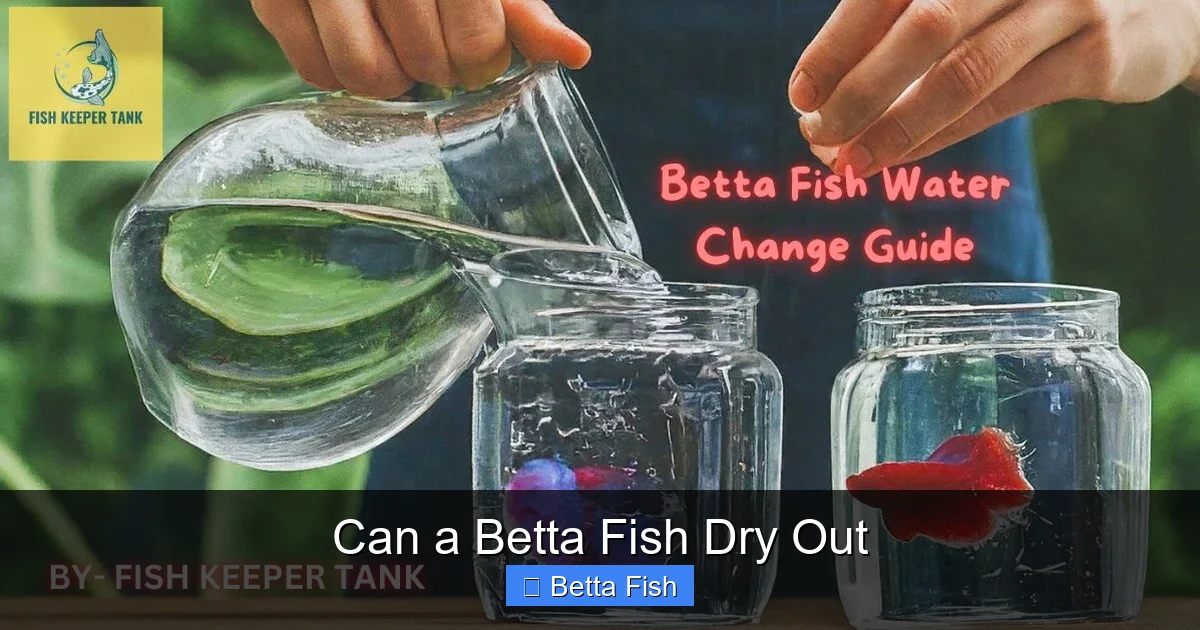
Betta fish can’t survive out of water for long; they will quickly dry out and become ill. Understanding the signs of dehydration, proper tank setup, and emergency rescue steps will help you keep your betta healthy and thriving.
Key Takeaways
- Betta skin needs moisture: Without water, a betta’s delicate skin and gills dry out within minutes.
- Water quality matters: Poor water conditions speed up dehydration and stress.
- Rescue is simple: If a betta is out of water, gently return it to a properly conditioned tank immediately.
- Tank size and cover: A minimum 2‑gallon tank with a lid prevents accidental spills and keeps humidity up.
- Regular monitoring: Check for signs like pale fins, rapid breathing, or cotton‑like patches on the body.
- Proper feeding and humidity: Over‑drying can happen in small bowls; use a lid or a water‑shelf to maintain moisture.
- Emergency plan: Keep a spare container of conditioned water ready for quick rescues.
📑 Table of Contents
- Introduction: Why the Question Matters
- What Happens When a Betta Is Out of Water?
- Common Scenarios That Lead to Drying
- Preventing Dehydration: Best Practices
- What To Do If Your Betta Starts to Dry Out
- Setting Up a Safe Betta Habitat
- Frequently Overlooked Factors That Contribute to Drying
- Conclusion: Keep Your Betta Moist, Happy, and Healthy
Introduction: Why the Question Matters
When you first bring home a betta, you might wonder how fragile these little fighters really are. A common worry that pops up on forums and in pet stores is “can a betta fish dry out?” The short answer is yes—betta fish can dry out, and it can happen faster than you think. Understanding the biology behind a betta’s need for water, the risks of dehydration, and the steps you can take to prevent it will save you a lot of heartache.
Betta fish (Betta splendens) are native to the shallow, slow‑moving waters of Southeast Asia. They have a special organ called the labyrinth that lets them gulp air from the surface, but that doesn’t mean they can live on land. In this article we’ll explore exactly how quickly a betta can dry out, what signs to watch for, and how to create a safe environment that keeps moisture where it belongs.
What Happens When a Betta Is Out of Water?
The Science of the Labyrinth Organ
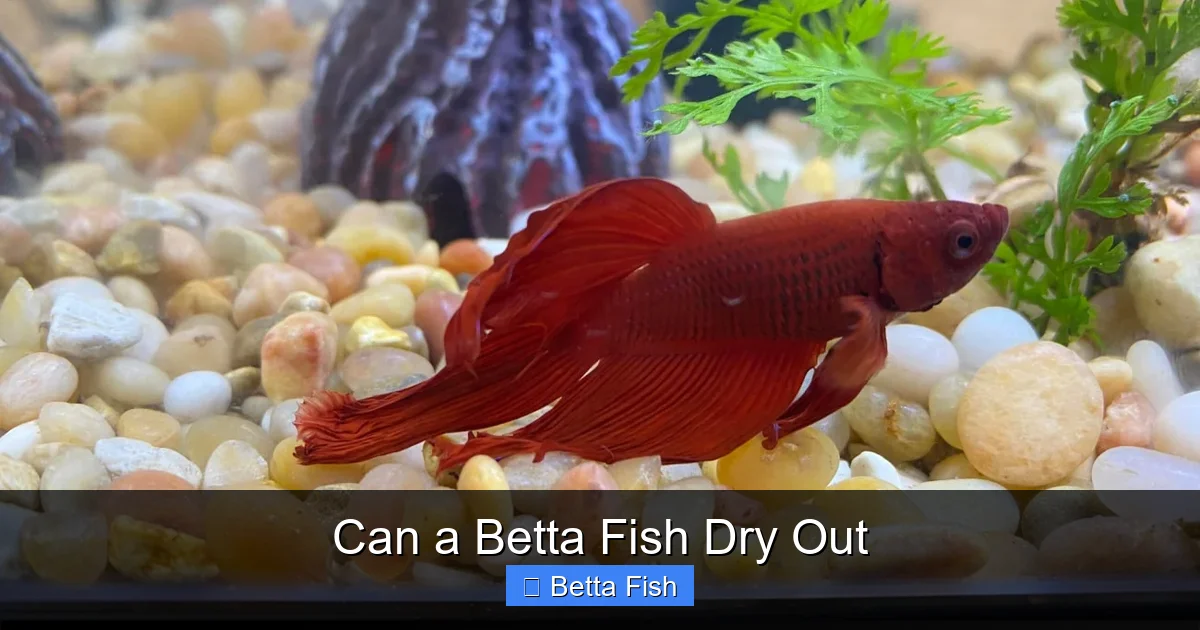
Betta fish are “labyrinth fish,” meaning they possess a labyrinth organ—a set of bony plates covered in thin, vascularized tissue. This organ allows them to breathe atmospheric oxygen, which is why they can survive in low‑oxygen ponds. However, the organ works best when the fish is still surrounded by water that keeps the surrounding skin moist.
Visual guide about Can a Betta Fish Dry Out
Image source: buildyouraquarium.com
How Fast Does Drying Occur?
Even though a betta can gulp air, its skin, gills, and slime coat need constant moisture. Within 30 seconds to a minute of being out of water, the slime coat begins to break down, and the gills start to collapse. After 5–10 minutes, the fish can suffer severe dehydration, leading to organ failure and death.
Symptoms of Dehydration
- Pale or translucent fins: The lack of water makes the fin rays appear thin.
- Rapid, shallow breathing: The fish tries to compensate for low oxygen.
- Cotton‑like patches: These are dried patches of slime coat.
- Lethargy or frantic flipping: A stressed fish may flop on the tank bottom.
Common Scenarios That Lead to Drying
Accidental Spills and Tank Leaks
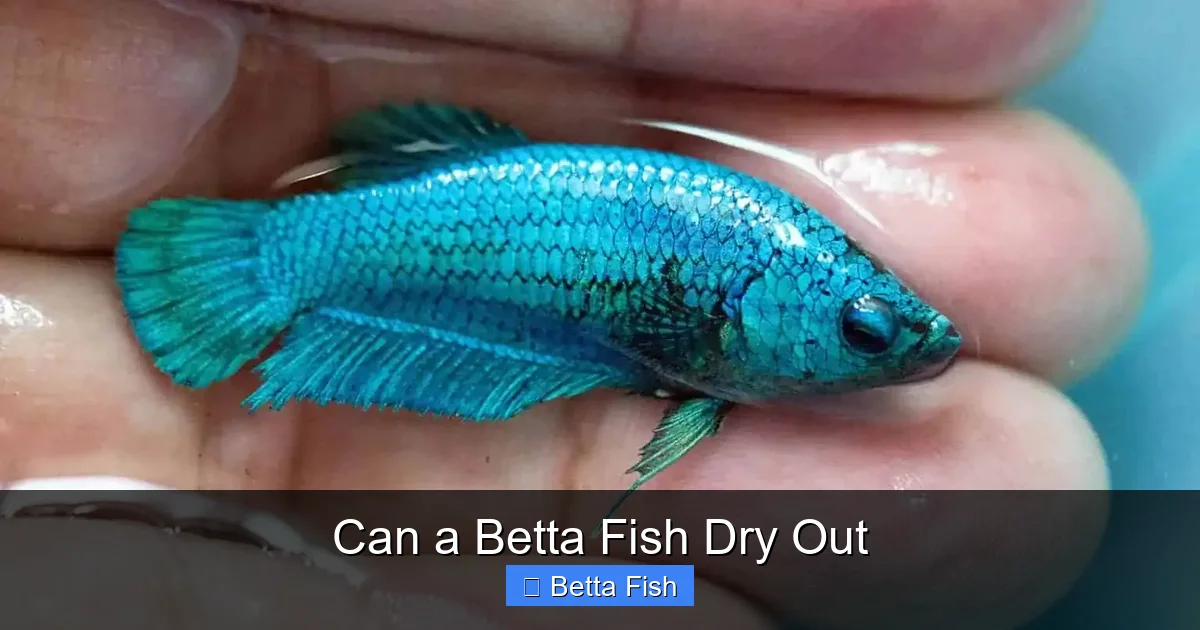
Even a small splash that knocks a betta out of the water can be dangerous. Many owners keep their tanks on unstable surfaces or near pets that might jump onto the tank. A quick tip: place a non‑slip mat under the aquarium.
Visual guide about Can a Betta Fish Dry Out
Image source: bettasource.com
Improper Bowl Use
Traditional “betta bowls” often hold just enough water for a fish to splash around, but they can evaporate quickly, especially in warm rooms. When the water level drops below the fish’s head, the betta may start gulping air and eventually dry out.
For more on why a bowl can be risky, see our article Can You Keep Betta Fish In A Bowl.
Cleaning Mishaps
During tank cleaning, some owners accidentally leave the fish out of water for too long while they scrub decorations. Always have a spare container of conditioned water ready, and keep the fish in it while you work.
Preventing Dehydration: Best Practices
Choose the Right Tank Size
The minimum recommended tank for a single betta is 2‑gallon (about 7.5 L). Larger tanks provide more stable temperature and humidity, reducing the risk of rapid evaporation.
Visual guide about Can a Betta Fish Dry Out
Image source: i.ytimg.com
Maintain Proper Humidity
If you must use a bowl, add a water‑shelf or a small dish of water on top of the tank lid. This keeps the air above the water humid, slowing down drying.
Cover the Tank
A tight‑fitting lid prevents fish from jumping out and stops water from splashing onto the floor. It also keeps dust from settling on the water surface, which can affect the slime coat.
Regular Water Changes
Changing 25‑30 % of the water weekly keeps the slime coat healthy and the gills functioning. Use a water conditioner to remove chlorine and chloramines.
Monitor Temperature
Betta fish thrive at 76‑82 °F (24‑28 °C). If the water gets too warm, evaporation speeds up, raising the chance of the fish being exposed to air.
What To Do If Your Betta Starts to Dry Out
Immediate Rescue Steps
- Stay calm. Panic can cause you to handle the fish too roughly.
- Prepare a container. Fill a small cup or bowl with clean, conditioned water at the same temperature as the tank.
- Gently scoop the fish. Use a soft net or your hands (wet them first) to lift the betta.
- Submerge slowly. Place the fish back into the prepared water, allowing it to adjust.
- Observe for 10‑15 minutes. Look for normal swimming, open gill movement, and restored coloration.
After‑Care Tips
After a near‑drying incident, give your betta a day of low‑stress feeding. Offer high‑quality betta pellets or frozen brine shrimp. Keep the water slightly cooler (around 76 °F) to reduce metabolic demand while the slime coat recovers.
When to Seek Professional Help
If the fish shows persistent lethargy, clamped fins, or a clouded belly after rescue, consult a veterinarian who specializes in fish. Early intervention can sometimes save a fish that appears close to death.
Setting Up a Safe Betta Habitat
Choosing the Right Equipment
- Tank: Glass or acrylic, at least 2 gallons.
- Lid: Mesh or solid cover that fits snugly.
- Heater: Adjustable, 50 W for a 2‑gallon tank.
- Filter: Low‑flow sponge filter; bettas don’t need strong currents.
- Substrate: Fine sand or smooth gravel (optional).
- Plants: Live or silk plants give hiding spots and maintain humidity.
Step‑by‑Step Setup
- Rinse the tank and all decorations with warm water (no soap).
- Place the substrate and arrange plants.
- Fill with dechlorinated water and let the temperature stabilize.
- Install the heater and filter, then let the system run for 24 hours.
- Acclimate your betta using the “float‑in” method for 15‑20 minutes.
Do You Need a Tank Mate?
Betta fish are often kept alone, but some peaceful species can coexist if the tank is large enough (at least 5 gallons). For ideas on compatible tank mates, read What Fish Can Live With A Male Betta. Never place a betta with aggressive fin‑nippers or fast‑swimming fish that could stress it.
Frequently Overlooked Factors That Contribute to Drying
Room Humidity
In dry climates or heated rooms, water evaporates faster. Using a room humidifier near the tank can help keep the ambient humidity up, especially in winter.
Lighting
Strong LED lights can raise water temperature and speed up evaporation. Use a timer to give the fish 8‑10 hours of light per day.
Water Additives
Some “water conditioners” contain alcohol or other drying agents. Always choose a conditioner that specifically states “no alcohol” for bettas.
Conclusion: Keep Your Betta Moist, Happy, and Healthy
So, can a betta fish dry out? Yes, and it can happen in just a few minutes if the fish is exposed to air. By understanding the risks, monitoring water quality, and setting up a secure habitat, you can prevent dehydration and ensure your betta lives a long, vibrant life. Remember the key steps: use an appropriate tank size, keep a lid on, maintain stable temperature, and have a rescue plan ready. With these habits, you’ll never have to wonder again whether your betta might dry out.
Frequently Asked Questions
Can a betta survive for a few seconds out of water?
Yes, a betta can survive a few seconds, but the longer it stays out, the higher the risk of dehydration and stress.
How long can a betta be out of water before it dies?
Usually 5‑10 minutes is enough for serious dehydration. After that, organ failure can occur quickly.
Is a betta bowl safe from drying out?
Traditional small bowls evaporate fast and can let the fish dry out. A larger, covered tank is much safer.
What should I do if my betta flops out of the tank?
Immediately place it in a cup of conditioned water at the same temperature, then gently return it to the tank.
Can low room humidity cause a betta to dry out?
Yes, dry indoor air speeds up evaporation, reducing water level and increasing the chance of exposure.
Do I need a heater to prevent a betta from drying out?
A heater keeps temperature stable, which helps maintain proper evaporation rates, but a lid and proper tank size are more critical for preventing drying.