Can a African Dwarf Frog Live with a Betta Fish

Wondering if a African dwarf frog can share a tank with a betta fish? The short answer is yes—under the right conditions. Both species need plenty of space, hiding spots, and careful monitoring to prevent stress and aggression.
Key Takeaways
- Compatibility depends on temperament: Calm bettas and healthy dwarf frogs are more likely to coexist peacefully.
- Tank size matters: A minimum of 10‑20 gallons provides enough room for both species to claim their own territory.
- Water parameters must suit both: Keep temperature around 75‑78°F, pH 6.5‑7.5, and gentle filtration.
- Provide plenty of hiding places: Plants, caves, and driftwood reduce stress and prevent accidental bites.
- Monitor feeding habits: Feed frogs at the surface and bettas near the bottom to avoid competition.
- Regular health checks are essential: Look for signs of stress, fin rot, or frog skin issues early.
- Start with a quarantined introduction: A separate “neutral” tank helps both animals adjust before sharing the main aquarium.
📑 Table of Contents
- Introduction: A Curious Pair in the Same Tank?
- Understanding the Two Species
- Tank Setup Essentials
- Compatibility Checklist: Can a African Dwarf Frog Live with a Betta Fish?
- Step‑by‑Step Introduction Process
- Maintenance Tips for a Peaceful Co‑Habitat
- When Things Go Wrong: Troubleshooting
- Conclusion: A Balanced Aquarium Is Possible
Introduction: A Curious Pair in the Same Tank?
If you’ve ever stared at a vibrant betta fish flashing its fins and wondered how a tiny African dwarf frog would look gliding beside it, you’re not alone. Many hobbyists love the idea of a mixed aquarium that showcases both the bold colors of a betta and the playful, almost amphibian grace of a dwarf frog. The question that pops up again and again is simple yet important: can a African dwarf frog live with a betta fish without trouble?
In this guide we’ll walk through everything you need to know—compatibility, tank requirements, feeding strategies, and red‑flag signs to watch for. Think of it as a friendly chat over a cup of coffee, with practical tips you can start using today.
Understanding the Two Species
Betta Fish: The Flamboyant Fighter
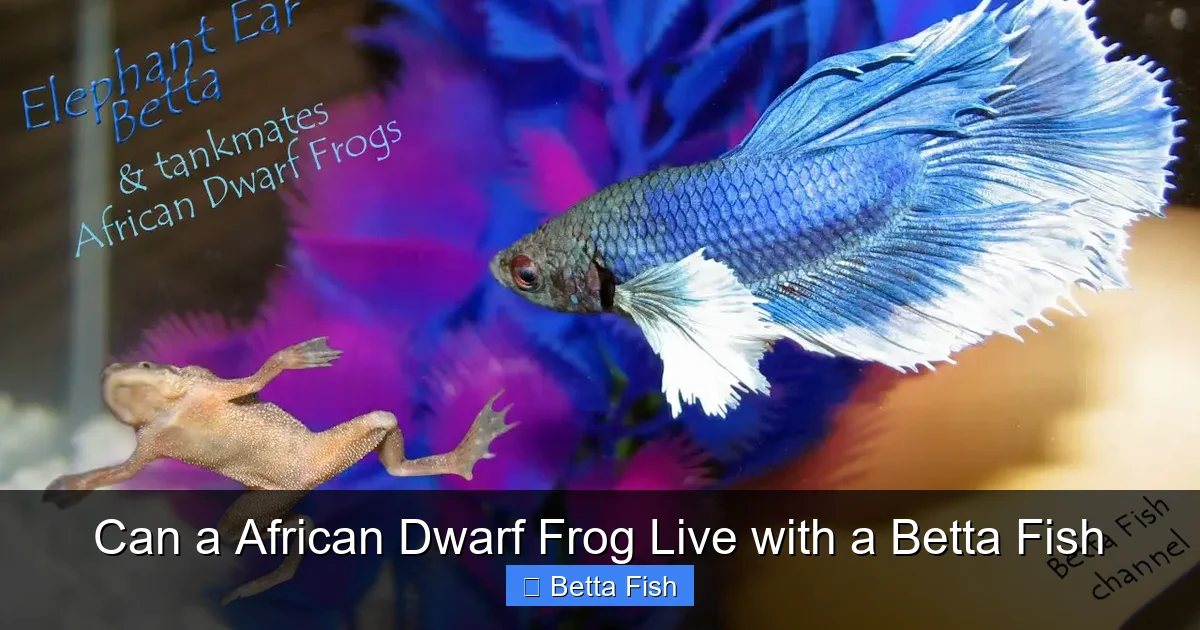
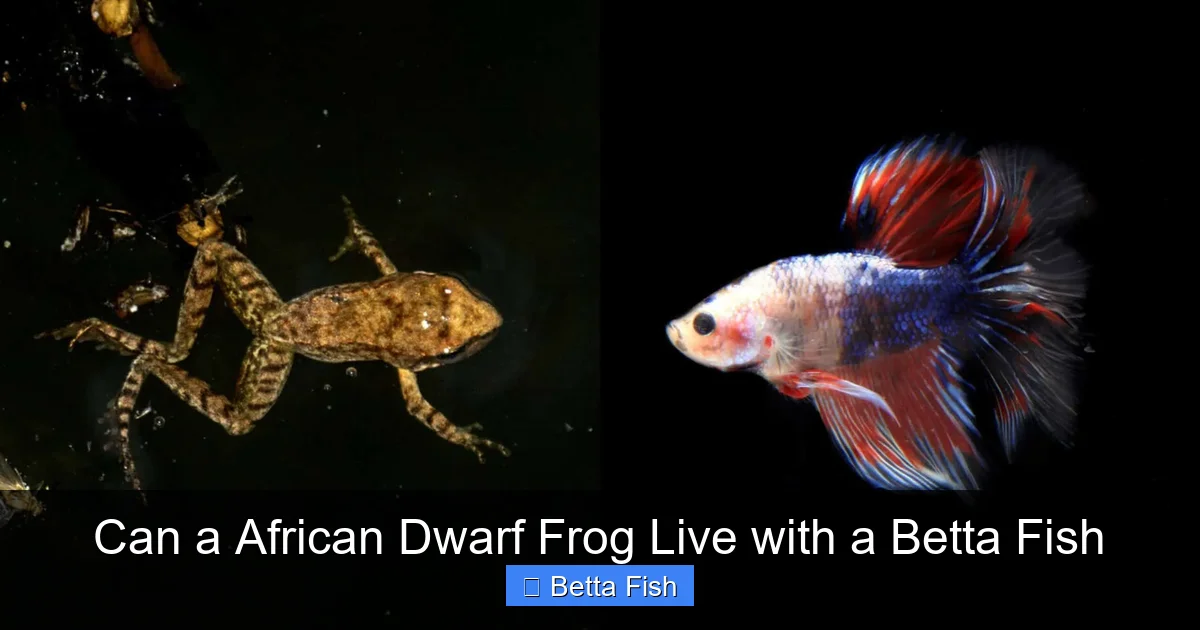
Betta fish (Betta splendens) are native to shallow, warm waters of Thailand. Males are especially known for their long, flowing fins and territorial nature. In a community tank they can be aggressive, especially toward fish with similar bright colors or long fins that they might mistake for rivals.
Visual guide about Can a African Dwarf Frog Live with a Betta Fish
Image source: bettafishworld.com
African Dwarf Frog: The Aquatic Acrobat
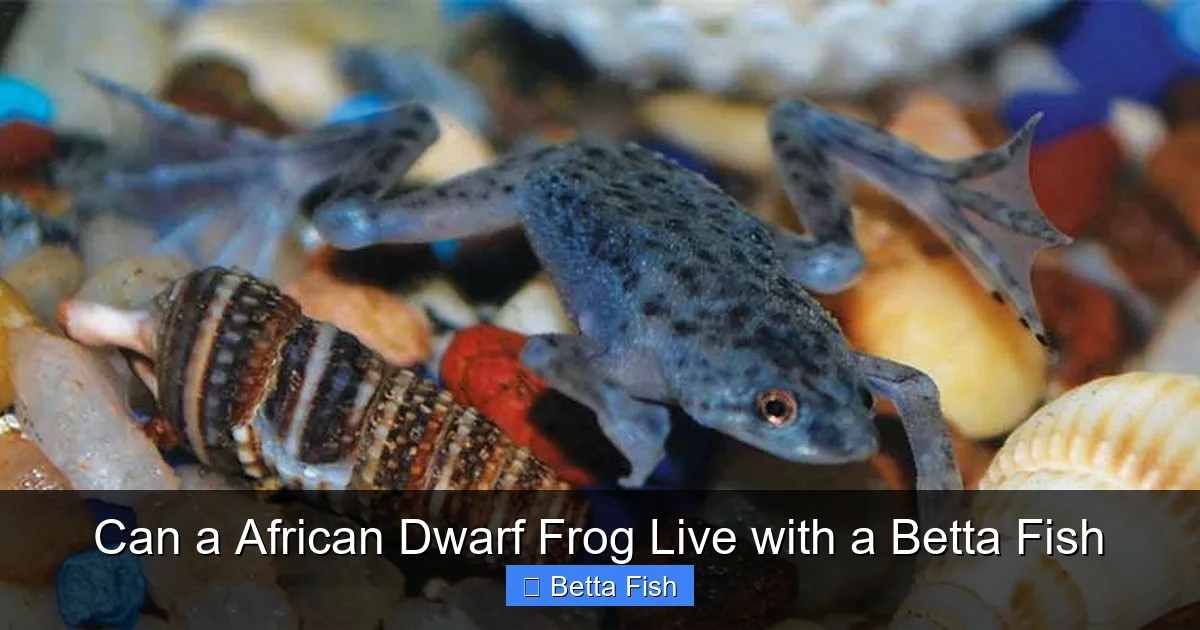
African dwarf frogs (Hymenochirus spp.) are tiny, fully aquatic frogs that spend their whole lives underwater. They breathe through their skin and need clean, well‑oxygenated water. Unlike many other amphibians, they are peaceful and love to explore the tank’s surface.
Why the Idea Works
Both species thrive in similar water temperatures (around 75‑78°F) and prefer slightly acidic to neutral pH. They also occupy different vertical zones—bettas usually dwell near the middle and bottom, while dwarf frogs spend most of their time at the surface. This natural separation reduces direct competition.
Tank Setup Essentials
Size and Shape
A 10‑20 gallon tank is the sweet spot. Anything smaller crams the space and increases stress. A longer tank (e.g., 20×10×12 inches) gives a horizontal runway for the frog to glide and a separate area for the betta to establish its “territory.”
Visual guide about Can a African Dwarf Frog Live with a Betta Fish
Image source: aquariadise.com
Filtration and Water Flow
Both animals appreciate gentle water movement. A sponge filter or a low‑flow hang‑on filter works well. It provides biological filtration without creating a current that could push the frog around.
Temperature and pH
Maintain 75‑78°F (24‑26°C) with an aquarium heater. Use a reliable thermometer and check daily for the first week. Aim for pH 6.5‑7.5; a drop‑checker or liquid test kit will keep you on track.
Substrate and Décor
- Substrate: Fine sand or smooth gravel (no sharp edges) prevents injury to the frog’s delicate skin.
- Plants: Live plants like Java fern, Anubias, or floating duckweed give the frog places to hide and the betta areas to claim.
- Hiding spots: Small caves, PVC pipes, and driftwood create visual barriers that reduce aggression.
Lighting
Standard LED lighting on a 10‑hour cycle mimics natural daylight. Dim the lights at night to let the frog rest; bettas are not nocturnal and will adapt easily.
Compatibility Checklist: Can a African Dwarf Frog Live with a Betta Fish?
Temperament Matching
Not every betta is a good tank mate. Look for a calm, non‑flaring male. If the betta constantly glares at his reflection or other fish, the risk of aggression rises. A healthy dwarf frog should be active, swimming near the surface without signs of stress.
Visual guide about Can a African Dwarf Frog Live with a Betta Fish
Image source: bettafish.org
Health Screening
Both species can carry parasites. Quarantine new arrivals for 2‑4 weeks. Treat any signs of disease before introducing them to a shared tank. This step protects both the betta and the frog.
Feeding Compatibility
Feed the betta sinking pellets or frozen bloodworms near the bottom. Offer the frog small live foods like daphnia or brine shrimp at the surface. Feeding at opposite ends of the tank prevents competition.
Potential Risks
- Fin Nipping: A betta may nip at the frog’s tail if it perceives movement as a threat.
- Water Quality: Frog waste can increase ammonia; a strong filter and regular water changes (20‑30% weekly) are essential.
- Temperature Swings: Sudden drops can stress the frog more than the betta.
Step‑by‑Step Introduction Process
1. Prepare a Neutral Quarantine Tank
Set up a small 5‑gallon tank with the same temperature, pH, and filtration as the main aquarium. This “neutral” space helps both animals get used to each other’s scent without direct contact.
2. Acclimate Separately
Float each bag (or container) in the quarantine tank for 30 minutes, adding a cup of tank water every 5 minutes. This slow acclimation prevents shock.
3. Observe Behavior
Watch for signs of stress: frantic swimming, loss of color, or excessive hiding. If both seem calm after an hour, you can proceed.
4. Gradual Introduction
Place a clear divider in the main tank, allowing visual contact without physical interaction. Keep this setup for 48‑72 hours, monitoring aggression.
5. Full Release
If no aggression is noted, gently move the frog into the main tank using a soft net. Keep a close eye for the next week; be ready to separate if the betta becomes territorial.
Maintenance Tips for a Peaceful Co‑Habitat
Weekly Water Changes
Swap 20‑30% of the water each week. Use a water conditioner to remove chlorine and chloramines. Test ammonia, nitrite, and nitrate levels before each change.
Cleaning the Filter
Rinse filter media in tank water (never tap water) to preserve beneficial bacteria. Replace sponge pieces every 4‑6 weeks.
Feeding Schedule
Feed the betta once or twice daily with 2‑3 pellets. Offer the frog 2‑3 times a week with live or frozen foods. Over‑feeding leads to cloudy water, which can stress both animals.
Health Checks
Inspect the frog’s skin for slime coat loss or fungal spots. Look at the betta’s fins for ragged edges or rot. Early detection keeps the tank harmonious.
When Things Go Wrong: Troubleshooting
Signs of Stress
- Betta: Dull colors, constant flaring, or hiding at the bottom.
- Frog: Lethargy, clamped mouth, or frequent surfacing.
Dealing with Aggression
If the betta begins to chase or nip the frog, consider a larger tank, additional hiding spots, or separating them permanently. Sometimes a single betta’s personality is just not compatible.
Water Quality Issues
High ammonia (>0.25 ppm) can cause frog skin irritation and betta fin damage. Increase water changes and check filter function.
Illness Management
For fungal infections on the frog, dip in a mild copper‑based bath (follow product instructions). Treat betta fin rot with aquarium‑safe antibiotics after confirming the diagnosis.
Conclusion: A Balanced Aquarium Is Possible
Answering the core question—can a African dwarf frog live with a betta fish—the short answer is yes, provided you meet the specific needs of each creature. By offering ample space, stable water conditions, plenty of hiding places, and careful observation, you can enjoy a vibrant tank where a graceful frog and a dazzling betta coexist peacefully. Remember, every betta is an individual; start slow, stay vigilant, and be ready to adjust the setup if needed. With patience and the right care, your mixed aquarium can become a living showcase of color, movement, and serenity.
For further reading on community tank mates, check out What Fish Can Live With A Male Betta, explore Can A Betta Fish Live With Other Fish, and learn about Can Aquatic Frogs Live With Betta Fish for additional insights.
Frequently Asked Questions
Will my betta attack the dwarf frog?
Most calm bettas will ignore a healthy dwarf frog, but a particularly aggressive male may try to nip at the frog’s tail. Monitoring behavior during the first few days is key.
Do I need a heater for both species?
Yes. Both bettas and African dwarf frogs thrive at 75‑78°F, so a reliable aquarium heater set to this range is essential.
Can I keep more than one dwarf frog with a single betta?
It’s possible, but only if the tank is large enough (20+ gallons) and there are plenty of hiding spots. Overcrowding can increase stress for both.
What should I feed my dwarf frog?
Offer small live foods such as daphnia, brine shrimp, or microworms a few times a week. Avoid over‑feeding to keep water quality high.
How often should I change the water?
Change 20‑30% of the water weekly, testing for ammonia, nitrite, and nitrate each time to ensure a safe environment.
Is a planted tank better for this mix?
Yes. Live plants provide natural hiding places, improve water quality, and create a more natural environment that reduces stress for both the betta and the frog.