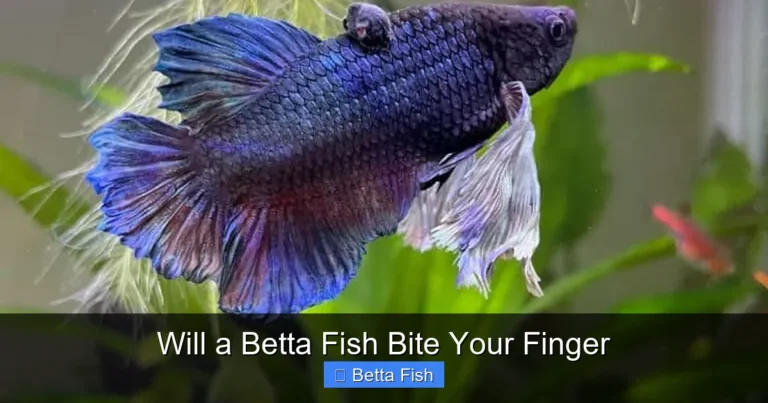
Why Is My Betta Fish Fins Ripping
Betta fin damage can be shocking, but it’s often a sign of something fixable. Learn the top reasons why your betta fish fins are ripping, how to spot early warning signs, and simple actions you can take today to restore your fish’s beauty.
Key Takeaways
- Water quality matters: Poor parameters are the #1 trigger for fin tearing.
- Stress is a silent killer: Over‑crowding, sudden changes, and improper tank mates can cause fin damage.
- Infections are common: Bacterial, fungal, and parasitic diseases often start as ripped fins.
- Nutrition helps repair: High‑quality protein and vitamin‑rich foods support fin regrowth.
- Regular maintenance prevents problems: Consistent water changes and tank cleaning keep fins intact.
- Early detection saves lives: Spotting the first tear can stop a full‑blown health crisis.
- Proper treatment is key: Using the right medication and quarantine methods ensures a full recovery.
📑 Table of Contents
Introduction
Betta fish are famous for their flowing, rainbow‑like fins that look like underwater silk. So when you notice those beautiful ribbons starting to tear, it feels like a personal attack. “Why is my betta fish fins ripping?” is a question many hobbyists ask the moment they see a split or shredded edge.
Good news: ripped fins are rarely a death sentence. More often, they are a symptom of an underlying issue that you can correct with a few simple steps. In this guide we’ll walk through the most common causes, how to diagnose the problem, and what you can do right now to help your betta heal and thrive.
1. Water Quality – The Hidden Culprit
Bad parameters break down fin tissue
Betta fish are tropical, and they love stable, clean water. When ammonia, nitrite, or nitrate spikes, the delicate skin on the fins becomes weak and prone to tearing. Even a slight rise in pH or temperature can stress the fish enough for the fins to start ripping.

Visual guide about Why Is My Betta Fish Fins Ripping
Image source: img.tnastatic.com
How to test and fix
- Test water weekly with a liquid test kit. Aim for ammonia = 0 ppm, nitrite = 0 ppm, nitrate < 20 ppm.
- Keep temperature between 76‑82°F (24‑28°C) and pH around 6.5‑7.5.
- Perform a 25‑30% water change every 2‑3 days until parameters are stable.
Consistent water changes not only dilute toxins but also remove microscopic irritants that can cause fin fraying.
2. Stress Factors – When the Tank Gets Too Hot
Over‑crowding and aggressive neighbors
Betta fish are solitary by nature. Placing them with other fish—especially fin‑nipping species—can lead to constant nipping, which appears as ripped fins. Even a tiny betta that shares a tank with a fast‑moving school can become stressed.

Visual guide about Why Is My Betta Fish Fins Ripping
Image source: static.vecteezy.com
Sudden changes and handling
Moving a betta to a new tank, changing décor, or even handling the fish too often can cause a stress response. The fish releases cortisol, which weakens the skin and makes fins more vulnerable.
Practical tips
- Keep your betta in a dedicated 5‑gal (or larger) tank.
- Provide plenty of hiding spots—plants, caves, or silk roots—to give the fish a sense of security.
- Avoid rapid temperature shifts; use a reliable heater and a thermometer.
- Limit handling to essential tasks like cleaning, and always use a soft net.
3. Infections – Bacteria, Fungus, and Parasites
Common culprits that cause fin shredding
When a betta’s skin is compromised, opportunistic microbes jump in. The most frequent offenders are:

Visual guide about Why Is My Betta Fish Fins Ripping
Image source: img.zuihuang.top
- Fin rot (bacterial) – appears as a white, fuzzy edge that quickly widens.
- Fungal infections – look like cotton‑like patches on the fin.
- Ich and velvet parasites – cause irritation that leads the fish to rub against objects, tearing the fin.
Spotting the signs
Look for discoloration, a milky or frayed edge, or a “ragged” appearance. If the water also smells foul, infection is likely.
Treatment plan
- Isolate the fish in a hospital tank.
- Raise the temperature to 82‑84°F (28‑29°C) to speed up the fish’s immune response.
- Use a broad‑spectrum antibacterial medication such as Maracyn for bacterial rot, or Mardel for fungal growth.
- Follow the dosage instructions for 7‑10 days, even if the fin looks better early on.
For a deeper dive on fin diseases, see our article on why are my betta fish fins falling off.
4. Nutrition – Feeding the Fin Factory
Why diet matters for fin health
Fin tissue is mostly protein, and bettas need a diet rich in high‑quality protein, vitamins, and fatty acids to rebuild torn edges. A poor diet leads to weak, brittle fins that tear easily.
Best foods for fin regeneration
- Live or frozen bloodworms – excellent source of protein.
- High‑quality betta pellets with added taurine and biotin.
- Vitamin‑rich treats like brine shrimp or daphnia (once or twice a week).
- Consider a fin‑repair supplement that contains vitamin C, E, and omega‑3 fatty acids.
Feeding schedule
Feed small amounts 2‑3 times daily. Overfeeding creates excess waste, which harms water quality and can indirectly cause fin damage.
5. Tank Setup – The Little Details That Count
Substrate and décor
Sharp gravel, rough rocks, or plastic ornaments with jagged edges can snag and rip fins. Opt for smooth, rounded décor and fine sand or no substrate at all.
Filtration and flow
Strong currents from power filters can cause a betta to constantly fight the flow, leading to fin wear. Use a gentle sponge filter or adjust the flow rate to a low setting.
Lighting
Excessive light promotes algae growth, which can cloud water and increase bacterial load. Provide 8‑10 hours of moderate light and use a timer.
For more on how tank conditions affect fin health, read why does my betta fish fins look shredded.
6. When to Seek Professional Help
Red flags that mean you need a vet
If you notice any of the following, contact an aquatic veterinarian or experienced hobbyist:
- Rapid fin loss within 24‑48 hours.
- Swollen or discolored body parts.
- Loss of appetite combined with lethargy.
- Persistent cloudiness despite regular water changes.
What to expect
A vet may take a water sample, perform a microscopic exam, or prescribe a stronger medication. Early intervention dramatically improves the chance of full fin regrowth.
Conclusion
Seeing your betta’s fins rip can feel like a heartbreak, but it’s usually a solvable problem. By mastering water quality, reducing stress, treating infections promptly, feeding a balanced diet, and fine‑tuning your tank setup, you give your fish the best chance to heal and flaunt those gorgeous fins again. Keep a close eye on any changes, act quickly, and remember that a healthy environment is the foundation of a happy, vibrant betta.
For additional tips on fin health, check out why betta fish lose their fins. Your betta will thank you with a spectacular display of color and movement.
Frequently Asked Questions
Why are my betta’s fins tearing after a water change?
A sudden shift in temperature, pH, or chlorine levels can stress the skin, causing the fins to become fragile and rip. Always treat tap water with a de‑chlorinator and match the tank temperature before adding it.
Can fin rot be cured at home?
Yes, if caught early. Isolate the fish, raise the temperature slightly, and treat with a bacterial medication like Maracyn. Continue treatment for at least a week.
Do bettas need a heater to prevent fin damage?
Betta fish are tropical and thrive at 76‑82°F (24‑28°C). Temperatures below this range slow metabolism and weaken fins, making them more prone to tearing.
Is it normal for a betta to lose a small piece of fin each month?
Occasional minor nipping can happen, but regular loss indicates an underlying issue such as poor water quality, stress, or infection that should be addressed.
How long does it take for a betta’s fin to regrow?
With proper care, a healthy betta can regrow a torn fin in 4‑6 weeks. Faster regrowth occurs when water conditions are optimal and the diet is protein‑rich.
Can I use human antibiotics on my betta’s fin infection?
No. Human antibiotics are not formulated for fish and can be toxic. Always use medications specifically labeled for aquarium use.