Sit‑on‑top kayaks offer unmatched stability, easy access, and superior gear storage, making them a top choice for many anglers. However, they aren’t the perfect fit for every fishing style, budget, or water condition. This article breaks down the advantages, drawbacks, and real‑world tips so you can decide if a sit‑on‑top kayak is right for your next fishing adventure.
Key Takeaways
- Stability & Comfort: Sit‑on‑top models provide a wider hull and higher seating position, which translates to steadier footing and less fatigue on long trips.
- Ease of Entry & Exit: The open deck lets you hop in and out quickly—ideal for quick casts or when you need to retrieve a snagged line.
- Gear Storage: Built‑in compartments and deck‑mounted rod holders keep tackle organized and dry.
- Weight & Portability: Many sit‑on‑top kayaks are heavier than sit‑in models, so consider transport and launch logistics.
- Weather Suitability: They excel in warm climates but can become hot in direct sun; a canopy or spray skirt may be necessary.
- Cost Consideration: Premium features often raise the price tag, but the long‑term benefits can outweigh the initial expense.
- Fishing Style Match: If you fish in shallow flats, lakes, or want to stand while casting, a sit‑on‑top kayak is often the better choice.
📑 Table of Contents
- Introduction: Why the Question Matters
- 1. Understanding Kayak Designs: Sit‑On‑Top vs. Sit‑In
- 2. The Advantages of Sit‑On‑Top Kayaks for Anglers
- 3. Potential Drawbacks to Consider
- 4. Matching Kayak Choice to Your Fishing Style
- 5. Practical Tips for Getting the Most Out of a Sit‑On‑Top Fishing Kayak
- 6. Frequently Overlooked Factors: The “Small” Details That Matter
- Conclusion: Are Sit‑On‑Top Kayaks Better for Fishing?
- Related Reading
Introduction: Why the Question Matters
When you’re gearing up for a day on the water, the kayak you choose can make or break your fishing success. Over the past decade, sit‑on‑top kayaks have surged in popularity among anglers, promising easier casting, better stability, and more storage. But are they truly better for fishing than the classic sit‑in models?
In this guide we’ll walk through the design differences, real‑world performance, and practical considerations that help you answer the question are sit on top kayaks better for fishing. Think of this as a friendly chat over a campfire—no jargon, just straight‑forward advice you can act on.
1. Understanding Kayak Designs: Sit‑On‑Top vs. Sit‑In
How a Sit‑On‑Top Kayak Is Built
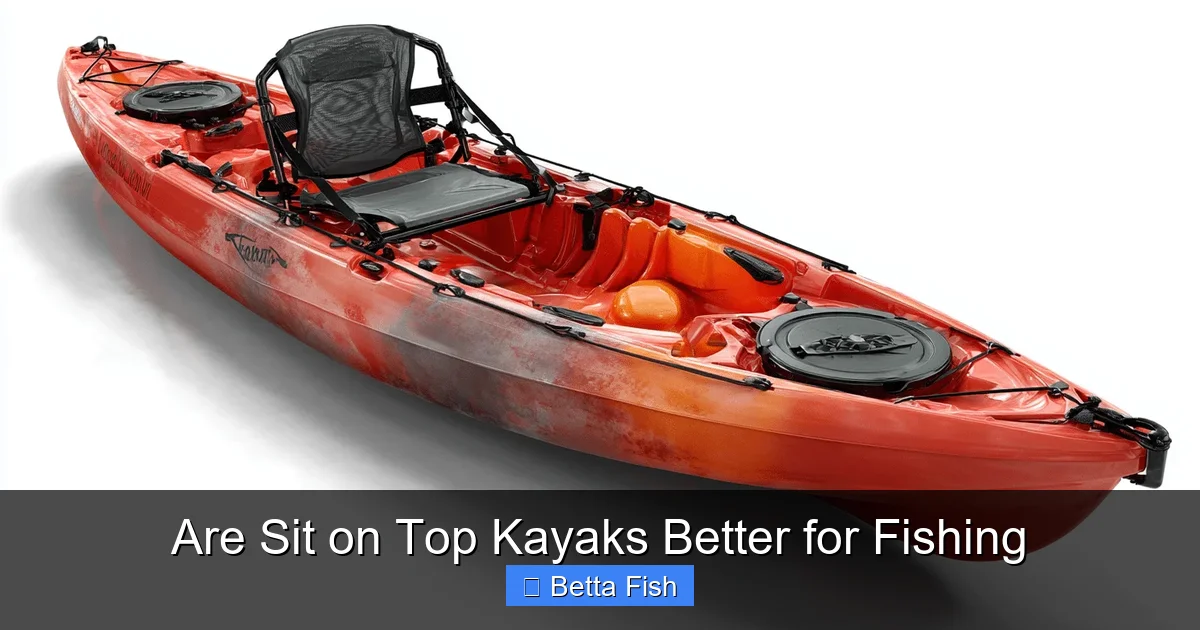
A sit‑on‑top kayak features an open deck with a raised cockpit. The paddler sits on a molded seat that sits above the waterline, and the hull typically flares outward for added width. This design creates a self‑bailing effect; water that splashes onto the deck simply slides off.

Visual guide about Are Sit on Top Kayaks Better for Fishing
Image source: gilisports.com
How a Sit‑In Kayak Is Built
In a sit‑in kayak, the paddler sits inside a closed cockpit, often with a spray skirt that seals out water. The hull is usually narrower, which can make the kayak faster but less stable when you stand or shift weight.
Key Design Differences That Affect Fishing
- Hull Width: Sit‑on‑top kayaks are wider (usually 30‑36 inches) for stability; sit‑in kayaks range from 24‑30 inches.
- Seat Height: Higher in sit‑on‑top models, giving a better view of the water and easier casting angles.
- Storage Access: Open decks allow you to stash gear in dry bags or built‑in compartments without reaching into a cramped cockpit.
- Self‑Bailing: Sit‑on‑tops shed water automatically, while sit‑ins often need a bailer or pump.
2. The Advantages of Sit‑On‑Top Kayaks for Anglers
2.1 Superior Stability for Casting and Standing
Stability is the holy grail for anglers. A wider hull lowers the center of gravity, making it easier to stand up for a “stand‑up” casting technique. This is especially useful when you need extra leverage to cast heavy lures or when you’re fighting a big fish.
Visual guide about Are Sit on Top Kayaks Better for Fishing
Image source: airkayaks.com
2.2 Easy Entry, Exit, and Re‑Entry
Imagine you’re chasing a school of snook and your line gets tangled. With a sit‑on‑top kayak you can simply step out, untangle, and hop back on without fighting a cramped cockpit. This quick access also helps when you need to retrieve a snagged lure or when you’re fishing in shallow water and want to wade in briefly.
2.3 Built‑In Gear Management
Most sit‑on‑top models come with rod holders, tackle boxes, and even fish‑finders mounted on the deck. These accessories stay dry and within arm’s reach, reducing the need to constantly shuffle gear. Some high‑end models even feature lockable storage compartments for valuables.
2.4 Better Visibility
Sitting higher means you can see ripples, birds, and surface activity from farther away. This “bird’s‑eye” view helps you spot feeding zones before they’re obvious from a lower seat.
2.5 Self‑Bailing and Safety
Because water slides off the deck, sit‑on‑top kayaks stay drier in choppy conditions. If you capsize, the open design makes it easier to climb back on, especially if you’re wearing a personal flotation device (PFD).
3. Potential Drawbacks to Consider
3.1 Weight and Transport Challenges
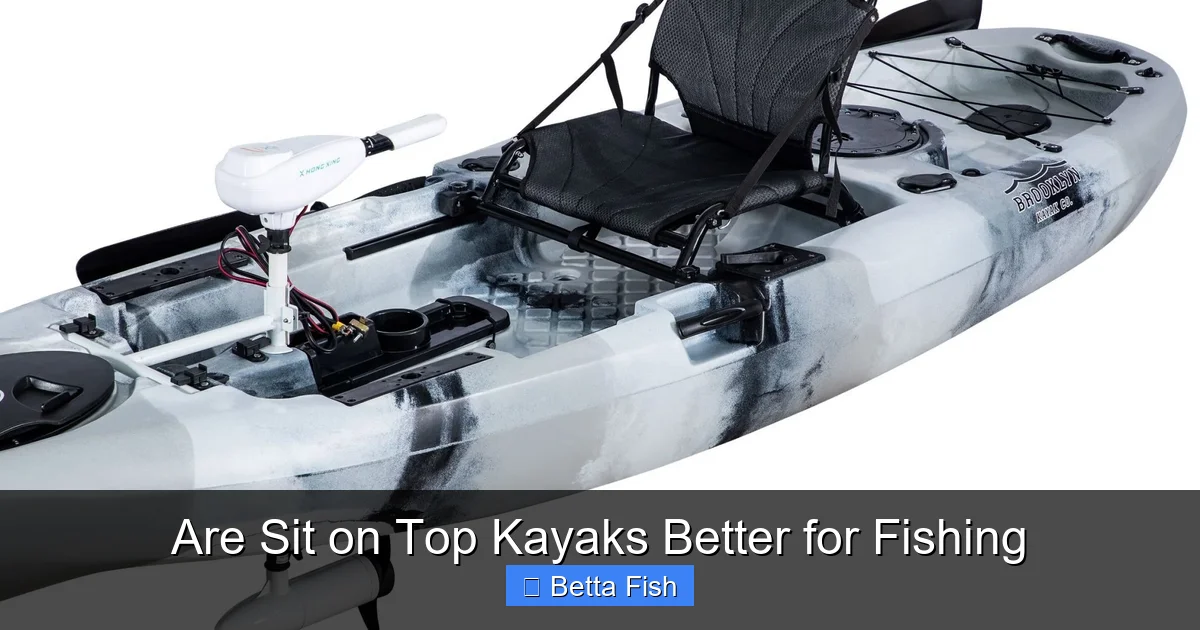
Many sit‑on‑top kayaks are built with heavier rotomolded plastic for durability, adding 10‑30 pounds compared to a comparable sit‑in model. If you need to car‑top launch or lift the kayak onto a roof rack, this extra weight can be a hassle.
Visual guide about Are Sit on Top Kayaks Better for Fishing
Image source: sandbaysports.com
3.2 Exposure to Sun and Elements
Sitting above the water means more direct sun on your back and legs. In hot climates, you may need a canopy, sunshade, or a lightweight spray skirt to stay comfortable.
3.3 Cost Factor
Premium sit‑on‑top kayaks with integrated rod holders and storage often start around $1,200 and can exceed $3,000. While the features are valuable, beginners on a tight budget might find a quality sit‑in kayak more affordable.
3.4 Performance in Rough Water
The wider hull provides stability but can be slower in windy or choppy conditions. If you plan to paddle offshore or in strong currents, a sit‑in kayak with a sleeker hull may track better.
4. Matching Kayak Choice to Your Fishing Style
4.1 Shallow‑Water and Flats Fishing
For hunting bonefish, redfish, or tarpon in shallow flats, a sit‑on‑top kayak shines. The ability to stand, quick entry, and shallow draft let you glide over mangroves and sandbars without getting stuck.
4.2 Lake and Reservoir Fishing
When targeting bass, walleye, or panfish on lakes, the stability and storage of a sit‑on‑top kayak help you keep multiple rods, a cooler, and a laptop for sonar. The open deck also makes it easy to switch between spots without re‑rigging.
4.3 River and Stream Angling
In fast‑moving rivers, a sit‑in kayak’s lower profile can reduce wind resistance and help you maneuver around obstacles. However, if you fish from the shore and only need a stable platform for casting, a sit‑on‑top still works well.
4.4 Saltwater vs. Freshwater
Saltwater environments demand corrosion‑resistant fittings and a sturdy hull to handle waves. Many sit‑on‑top kayaks are built with UV‑protected plastic, making them ideal for coastal fishing. Freshwater anglers benefit from the same durability but may prioritize a lighter weight for inland lakes.
5. Practical Tips for Getting the Most Out of a Sit‑On‑Top Fishing Kayak
5.1 Choose the Right Size and Weight Capacity
Check the manufacturer’s weight rating. A higher capacity lets you carry more gear without compromising stability. For most solo anglers, a 250‑lb capacity is sufficient; if you plan to bring a partner or heavy equipment, look for 300‑lb models.
5.2 Optimize Gear Placement
- Mount rod holders near the centerline for balanced weight.
- Store heavy items (like batteries or coolers) low and toward the bow to maintain trim.
- Use waterproof dry bags for electronics and personal items.
5.3 Add a Canopy or Bimini Top
A lightweight canopy protects you from sunburn and keeps the kayak cooler on hot days. Look for models with quick‑release brackets so you can remove it when not needed.
5.4 Maintain Your Kayak
Rinse the hull with fresh water after each saltwater outing to prevent corrosion. Inspect the deck for cracks, especially around rod holder mounts, and tighten any loose bolts regularly.
5.5 Practice Safe Launching
Because sit‑on‑top kayaks are heavier, use a proper kayak cart or a trailer with a ramp. If you’re launching from a beach, position the kayak perpendicular to the wave direction to avoid capsizing during entry.
6. Frequently Overlooked Factors: The “Small” Details That Matter
6.1 Foot Bracing and Pedal Systems
Some sit‑on‑top kayaks offer foot braces or pedal‑assist systems that let you steer hands‑free—a huge advantage when you need both hands on a rod.
6.2 Compatibility with Electronics
Modern anglers rely on fish finders, GPS, and Bluetooth speakers. Choose a kayak with built‑in mounting plates or a flat deck surface to secure these devices securely.
6.3 Environmental Impact
When fishing in protected areas, be aware of local regulations regarding kayak size and motor usage. A non‑motorized sit‑on‑top kayak is often the most eco‑friendly option.
Conclusion: Are Sit‑On‑Top Kayaks Better for Fishing?
In short, sit‑on‑top kayaks are better for fishing for many anglers, especially those who value stability, easy access, and ample storage. They excel in shallow‑water flats, lake environments, and warm climates where quick entry and a high seat height boost performance.
That said, they are not a universal solution. If you fish in rough offshore conditions, need a lightweight pack‑and‑go option, or are on a strict budget, a sit‑in kayak might serve you better. The best choice hinges on your typical fishing locations, style, and how much gear you plan to bring.
Take the time to assess your needs, test‑drive both designs if possible, and weigh the pros and cons outlined above. With the right kayak in hand, you’ll spend more time on the water and less time wrestling with equipment—making every fishing trip a true pleasure.
Related Reading
Curious about tide effects on your catch? Check out our guide on Is High Tide Or Low Tide Better For Fishing. If you’re planning a trip to Florida, learn whether the east or west coast offers better angling in Is Fishing Better On The East Or West Of Florida. For beginners wondering about gear care, read Are Betta Fish Easy To Care For.
Frequently Asked Questions
Are sit‑on‑top kayaks more stable than sit‑in kayaks?
Yes. The wider hull and higher seating position give sit‑on‑top kayaks greater primary stability, making them easier to stand in and cast from.
Can I use a sit‑on‑top kayak in saltwater?
Absolutely. Most sit‑on‑top fishing kayaks are built with UV‑protected, corrosion‑resistant materials that perform well in coastal environments.
Do sit‑on‑top kayaks require a spray skirt?
No. Their open deck design sheds water naturally, so a spray skirt is optional and usually only added for extra warmth or protection.
How much does a good sit‑on‑top fishing kayak cost?
Entry‑level models start around $1,200, while premium versions with advanced features can exceed $3,000. Prices vary based on size, material, and accessories.
Is a sit‑on‑top kayak suitable for beginners?
Yes. The stability and easy entry make it beginner‑friendly, though the extra weight may require help when launching.
What accessories should I add to my sit‑on‑top kayak?
Consider a canopy for sun protection, rod holders, a dry bag for electronics, a fish finder mount, and foot braces for better control.

