How to Tell If Betta Fish Is Dying Pet Store
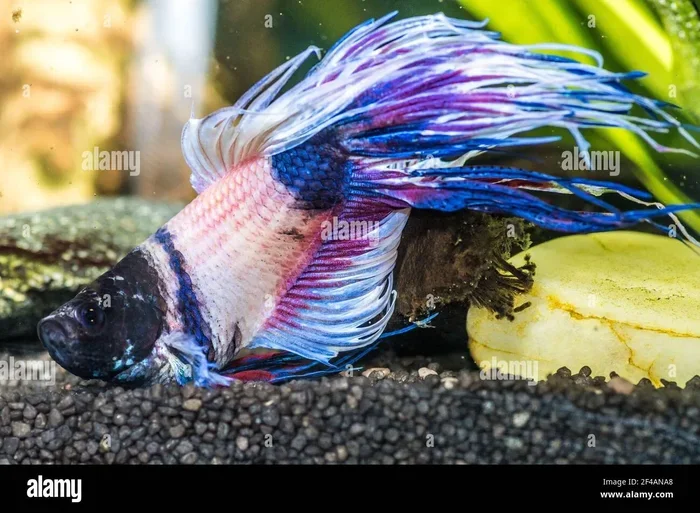
Knowing how to tell if betta fish is dying pet store settings can save you from bringing home a sick fish. This guide covers the top warning signs, water quality checks, and smart shopping tips. You will learn what healthy bettas look like and how to avoid common pet store mistakes.
Walking into a pet store and seeing rows of betta fish can feel exciting. But not every betta you see is healthy. Some are fighting for their lives in tiny cups of dirty water. Learning how to tell if betta fish is dying pet store environments is one of the most important skills any fish owner can have.
When you know what to look for, you can skip the sick fish and bring home a happy, thriving pet. This guide walks you through every sign, every red flag, and every tip you need. You will walk away feeling confident about picking the right betta.
Whether you are a first-time fish owner or a seasoned hobbyist, this article covers what you need. We will break down the physical signs, the tank conditions, and the simple steps you can take to avoid buying a dying fish. Let us get started.
Key Takeaways
- Look for bright colors and active swimming: A healthy betta shows vibrant fins and curious behavior.
- Check the water conditions: Dirty tanks and wrong temperatures are major red flags at pet stores.
- Watch for physical symptoms: Faded colors, clamped fins, and labored breathing can mean a fish is dying.
- Avoid fish in crowded tanks: Overcrowding spreads disease fast and stresses fish out.
- Ask the store staff questions: A good pet store will know their fish care routines and water change schedules.
- Quarantine new fish at home: This simple step protects your other fish from getting sick.
📑 Table of Contents
- What to Look for When Buying a Betta Fish at a Pet Store
- Common Signs That a Betta Fish Is Dying
- Why Pet Store Betta Fish Often Face Health Issues
- How to Check Water Conditions at the Pet Store
- What to Do If You Buy a Sick Betta Fish
- Tips for Choosing a Healthy Betta Fish at the Pet Store
- How to Tell If Betta Fish Is Dying Pet Store: Final Thoughts
What to Look for When Buying a Betta Fish at a Pet Store
The moment you approach a betta fish at a pet store, your eyes should be working hard. A healthy betta fish looks bright, moves with purpose, and shows curiosity. But a fish that is fading or sick tells a very different story. Understanding these differences is the first step in how to tell if betta fish is dying pet store tanks hold.
Body Color and Fin Appearance
A vibrant betta should have rich, bold colors. The fins should flow gracefully without tears or ragged edges. If you notice faded coloring or white spots, that is a warning sign. Faded bodies often mean the fish is stressed or ill.
Fin rot is another common issue. Look for fins that look like they are melting or shrinking. This is a clear sign of poor water quality or bacterial infection. A fish with torn fins may also be bullying from tank mates or rough handling.
Behavior and Activity Level
Watch how the fish moves. A healthy betta explores its space. It flares its gills and swims around with energy. A dying betta, on the other hand, may barely move. It might sit at the bottom of the cup or float listlessly near the top.
Some bettas build bubble nests, which is a great sign of a happy, healthy fish. If the fish shows zero interest in its surroundings, that is a red flag. Behavior changes are one of the clearest signals that something is wrong with the fish.
Common Signs That a Betta Fish Is Dying
There are several unmistakable signs that a betta fish is in trouble. These signs show up in how the fish looks, acts, and even breathes. If you notice any of these symptoms, it is best to walk away from that particular fish at the pet store.
Labored Breathing
One of the most obvious signs of a dying betta is breathing trouble. The fish may gasp at the surface or breathe very fast. Normal breathing should be slow and steady. Rapid gill movement means the water has low oxygen or the fish is fighting an infection.
Loss of Appetite
A healthy betta gets excited about food. If the fish ignores pellets or flakes completely, that is concerning. Appetite loss can point to internal issues, stress, or advanced illness. Pet stores sometimes overfeed fish, which can also mask hunger problems.
Clamped Fins and Lethargy
When a betta holds its fins close to its body, it is trying to protect itself. This is called clamping, and it usually means the fish is in pain or very stressed. Lethargy paired with clamped fins is a strong indicator of a fish in decline. These fish need immediate attention or they will not survive.
Color Fading and White Patches
A betta that was once bright now looks pale or washed out. Color fading is one of the earliest signs of stress or disease. White patches or cottony growths on the body can signal fungal or bacterial infections. These conditions spread quickly in pet store tanks.
Why Pet Store Betta Fish Often Face Health Issues
Understanding why pet store bettas get sick helps you make better choices. The conditions in many pet stores are far from ideal. Most bettas come from breeding farms and are shipped in cramped containers. By the time they reach the shelf, they are already stressed.
Overcrowded and Dirty Tanks
Many pet stores keep bettas in small cups or crowded tanks. The water gets dirty fast. Ammonia and nitrite levels spike, which burns the fish’s gills and weakens its immune system. A fish living in poor water quality is far more likely to get sick or die soon after you bring it home.
Improper Water Temperature
Bettas are tropical fish. They need warm water between 76 and 82 degrees Fahrenheit. Many pet stores keep their tanks too cold or too warm. Cold water slows the fish’s metabolism and makes it vulnerable to disease. Always check if the store keeps betta tanks properly heated before making a purchase.
Stress from Handling and Display
Bettas are sensitive fish. Loud noises, bright lights, and constant tapping on the cups stress them out. A stressed fish has a weakened immune system and cannot fight off illness. This is why many pet store bettas arrive home already sick.
How to Check Water Conditions at the Pet Store
You cannot always see what is happening inside the water, but you can look for clues. Clear water does not always mean clean water. Here is what you should pay attention to when visiting a pet store.
- Water clarity: The water should be clear, not cloudy or yellowish. Cloudy water means bacteria buildup or lack of filtration.
- Smell test: If the tank smells bad, walk away. Healthy tanks should not have a strong odor.
- Debris on the bottom: Excess food, waste, or floating debris shows the tank is not cleaned often enough.
- Temperature display: Look for a thermometer on the tank. If there is none, ask the staff how often they check the temperature.
These small checks can tell you a lot about how well the store cares for its fish. A pet store that maintains clean tanks is more likely to sell healthy bettas. Do not be afraid to ask questions. A reputable store will welcome your curiosity.
What to Do If You Buy a Sick Betta Fish
Sometimes, despite your best efforts, you bring home a fish that is already struggling. This happens more often than most people think. The good news is that you can still help your betta recover with the right steps.
Isolate the Fish Immediately
The first thing you should do is move the sick fish to a separate tank. This prevents any potential disease from spreading to your other fish. A simple quarantine tank with a heater and a sponge filter works perfectly. Isolation gives the betta a chance to recover without added stress.
Test and Adjust the Water
Use a liquid test kit to check ammonia, nitrite, nitrate, and pH levels. Any spikes in ammonia or nitrite are dangerous. Do a small water change to freshen the water and add a water conditioner to remove chlorine and chloramine.
Watch for Improvement or Decline
Give the fish 24 to 48 hours to adjust. Look for small signs of improvement, like interest in food or slightly better color. If the fish continues to decline, you may need to look into medications. Sometimes knowing how to save a dying betta fish after water change can make all the difference in its recovery.
If the fish does not respond to care, it may be too far gone. This is a hard truth, but recognizing it early saves the fish from prolonged suffering. Understanding what do you do when your betta fish is dying is a tough but important part of fish ownership.
Tips for Choosing a Healthy Betta Fish at the Pet Store
Prevention is always better than cure. When you go to the pet store, follow these simple tips to pick a strong, healthy betta.
- Visit the store early in the day. The tanks are usually cleaner and the staff has just fed the fish. You will see the most active and healthy specimens.
- Bring a flashlight. Shining a light on the fish can reveal white spots, fin damage, or unusual markings that are hard to see in dim store lighting.
- Ask about water changes. Find out how often the store cleans the tanks and changes the water. Frequent water changes are a great sign of good care.
- Avoid fish in tanks with dead fish. If you see a dead fish floating in a display tank, the remaining fish may already be sick. How to tell if my betta fish is sick starts with observing the overall tank environment.
- Look for a fish that eats eagerly. If the store allows feeding time, watch which fish come to the surface. A hungry, eager eater is usually a healthy betta.
These tips give you an edge. You will walk into the pet store with confidence and walk out with a fish that has a good chance at a long, happy life.
How to Tell If Betta Fish Is Dying Pet Store: Final Thoughts
Buying a betta fish from a pet store should be a joyful experience. But it comes with responsibility. You need to know what a healthy fish looks like and what warning signs to watch for. Learning how to tell if betta fish is dying pet store conditions create puts you ahead as a knowledgeable and caring owner.
Always trust your instincts. If something looks off about a fish or its tank, it is okay to keep looking. The right betta is out there waiting for you. A healthy betta can live three to five years with proper care. That is a wonderful commitment for any fish lover.
Take your time, ask questions, and do your research. The more you know, the better choices you will make. Your future betta will thank you for it with vibrant colors, active swimming, and years of companionship.
Frequently Asked Questions
How can you tell if a betta fish is dying?
Look for faded colors, clamped fins, labored breathing, and loss of appetite. These are the most common signs that a betta is in serious trouble. If you notice multiple symptoms at once, the fish needs immediate care.
What should I do if I see a dying betta fish at the pet store?
Do not buy that fish. Instead, let the store staff know about the condition. You can also check other tanks for healthier options. Choosing a strong fish helps you avoid bringing home a sick animal.
Can a betta fish recover after being sick from the pet store?
Yes, many bettas recover with proper care. Isolate the fish, clean the water, and monitor its behavior closely. Sometimes knowing how to save dying betta fish after water change is the key to a full recovery.
How do you know if your betta fish is dying from stress?
Stressed bettas show signs like hiding, clamped fins, loss of color, and refusal to eat. Stress often comes from poor water quality, wrong temperatures, or aggressive tank mates. Fixing the environment can help the fish bounce back.
What are the first signs of a sick betta fish?
The first signs include appetite loss, lethargy, faded coloring, and unusual swimming patterns. Catching these early gives you the best chance to help the fish recover. Always observe your betta daily for any changes in behavior.
How can you tell the difference between a sick and a sleepy betta fish?
A sleepy betta will still respond to food and movement around the tank. A sick betta shows persistent lethargy, physical symptoms like white spots or torn fins, and does not react to feeding. Watch for patterns over several hours to tell the difference.