What Animals Are Safe in a Betta Fish
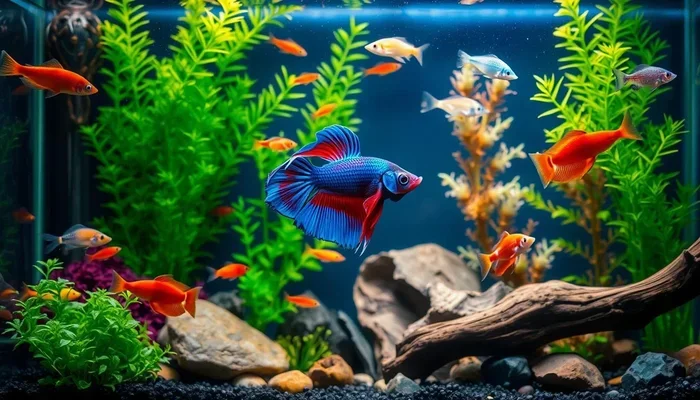
Finding safe animals for a betta fish tank is easier than most beginners think. You can add peaceful community fish, snails, and shrimp to create a lively aquarium. Knowing which animals are safe with betta fish helps you avoid aggression, stress, and injury. This guide covers the best tank mates, animals to avoid, and expert tips for a happy, healthy betta community.
If you own a betta fish, you probably love watching it glide through the water. Betta fish are stunning, colorful, and full of personality. But let us be honest. Keeping a betta alone in a tank can feel a bit empty sometimes.
That is where tank mates come in. Adding other animals to your betta tank can bring it to life. But here is the big question. What animals are safe in a betta fish tank? Not every creature gets along with bettas. Some fish are too aggressive. Others might nip at those beautiful fins. And some animals are simply not compatible at all.
Choosing the right tank mates for your betta fish is one of the most rewarding parts of fish keeping. When done right, you get a vibrant, peaceful aquarium that looks amazing every single day. In this guide, we will walk you through everything you need to know.
We will cover the best fish, snails, shrimp, and other animals that can safely live with bettas. We will also discuss animals to avoid and how to introduce new additions the right way. By the end, you will feel confident about building your own betta community tank.
Key Takeaways
- Peaceful fish like neon tetras and corydoras make excellent betta tank mates.
- Snails and shrimp are safe invertebrates that won’t bother your betta.
- Aggressive or fin-nipping fish should never go in a betta tank.
- Gradual introductions and proper tank size are key to success.
- Monitoring behavior after adding new animals prevents conflicts early.
📑 Table of Contents
- Why Choose Tank Mates for Your Betta Fish?
- Best Fish That Are Safe With Betta Fish
- Invertebrates That Can Live With Betta Fish
- Animals to Avoid Putting With Your Betta Fish
- How to Introduce New Animals to Your Betta Tank
- Setting Up a Safe Betta Community Tank
- Common Mistakes to Avoid When Adding Tank Mates
- Final Thoughts
Why Choose Tank Mates for Your Betta Fish?
Many new betta owners wonder if they even need tank mates. The truth is, bettas are social creatures in their own way. They enjoy having their environment enriched. A lone betta in a bare tank can become bored and stressed over time.
Adding safe animals to the tank does more than just look pretty. It stimulates your betta mentally and physically. Your fish will have more things to explore and observe. This leads to better health and a longer lifespan.
Here are some key benefits of adding compatible tank mates:
- Reduced boredom for your betta fish
- A more natural-looking aquarium with movement at every level
- Better water quality when certain animals help clean the tank
- Visual interest with different colors and behaviors
Of course, the most important reason is safety. You want every animal in your tank to be healthy and stress-free. That means picking companions that will not harm your betta or trigger its aggressive side.
Best Fish That Are Safe With Betta Fish
Not all fish can live peacefully with a betta. Bettas are known for their territorial behavior, especially males. But several fish species have proven to be excellent betta fish tank mates. Let us look at the top options.
Neon Tetras
Neon tetras are small, colorful, and very peaceful. They stay in the middle and upper parts of the tank, which keeps them away from your betta’s territory. Their bright blue and red stripes add a beautiful contrast to your aquarium.
These fish are schooling fish, so you should keep at least five or six together. They are shy at first but become more active once they feel safe. Neon tetras make one of the safest fish companions for bettas.
Corydoras Catfish
Corydoras, or corys for short, are bottom-dwelling fish that are perfect for a betta tank. They stay near the gravel and rarely interact with your betta. Corys are calm, social, and fun to watch as they scavenge for food.
They come in several species, including pygmy corydoras and peppered corydoras. Pygmy corys are especially great because they stay small and are very peaceful. A group of six corys can really liven up the bottom of your tank.
Harlequin Rasboras
Harlequin rasboras are another excellent choice. They have a distinctive orange and black patch on their body that looks stunning in any aquarium. Like neon tetras, they are schooling fish that prefer to stay in the middle water levels.
They are hardy and adaptable, which makes them great for beginners. Harlequin rasboras are calm by nature and rarely trigger aggression in bettas. They are a wonderful addition to any community tank.
Kuhli Loaches
Kuhli loaches are eel-like fish that add a unique look to your tank. They are nocturnal, which means they are most active at night. During the day, they like to hide in caves and under plants.
Kuhlis stay out of your betta’s way most of the time. They are gentle and curious. Just make sure your tank has plenty of hiding spots. These loaches are one of the most interesting safe companions for betta fish.
Invertebrates That Can Live With Betta Fish
Fish are not your only option. Invertebrates like snails and shrimp can also make great tank mates. Many of them are peaceful and even helpful. They can keep your tank clean by eating algae and leftover food.
Snails That Are Safe With Bettas
Snails are some of the best animals you can add to a betta tank. They do not bother fish at all. They just mind their own business, crawling along the glass and substrate.
Here are some popular snail options:
- Nerite snails – Excellent algae eaters and stay small
- Mystery snails – Colorful and fun to watch
- Ramshorn snails – Hard workers that clean up debris
Most bettas ignore snails completely. Some may try to investigate them at first, but they usually lose interest. Snails are a safe and low-maintenance addition to any betta aquarium.
Shrimp That Are Safe With Bettas
Shrimp add a lot of movement and color to a betta tank. However, not all shrimp are safe. Bettas might see small shrimp as food. That is why you need to choose the right species.
Here are shrimp types that generally do well with bettas:
- Amano shrimp – Larger and fast enough to avoid most bettas
- Cherry shrimp – Bright red color and relatively hardy
- Ghost shrimp – Transparent and very inexpensive
Amano shrimp are probably the best choice. They grow big enough that most bettas will not try to eat them. Cherry shrimp are also a good option, though some bettas might chase them occasionally. Shrimp can be a wonderful and safe addition if you pick the right species.
Animals to Avoid Putting With Your Betta Fish
Knowing what is safe is only half the battle. You also need to know what should never go in a betta tank. Some animals are outright dangerous for your betta, and others can cause serious stress.
Fish That Are Too Aggressive
Betta fish can be aggressive themselves. So you do not want to add another aggressive species. Fish like cichlids, goldfish, and angelfish are too boisterous for a betta. They may bully your betta or compete for food aggressively.
Another big no-no is other male bettas. Male bettas should never be kept together. They will fight, and the results can be fatal. Even female bettas can be territorial if the tank is too small.
Fin-Nipping Fish
Betta fish have long, flowing fins. Some fish see those fins as something to nip at. Fish like tiger barbs, serpae tetras, and some species of danios are notorious fin-nippers.
Fin nipping causes stress and can lead to infections. Your betta’s beautiful fins can get torn and damaged. Always avoid any fish known for nipping behavior when planning a betta community tank.
Large or Bulky Animals
Big fish and animals can intimidate your betta. Turtles, for example, are generally not safe tank mates for bettas. They can be too large and may try to bite your betta’s fins. Always check compatibility before adding any large animal to a betta tank.
How to Introduce New Animals to Your Betta Tank
Adding a new animal to your betta tank is exciting. But you need to do it the right way to keep everyone safe. A rushed introduction can cause stress, fights, and even illness.
Quarantine New Arrivals First
Before adding any new animal to your main tank, keep it in a separate quarantine tank for a few days. This helps you check for diseases or parasites. You do not want to introduce sickness to your betta or other tank mates.
Watch the new arrival closely during quarantine. Check its eating habits, movement, and overall appearance. A healthy animal will adjust much better to a new environment.
Introduce Gradually
When you are ready, add the new animal slowly. Float the container in your betta tank for about 15 to 20 minutes. This equalizes the water temperature. Then slowly mix small amounts of tank water into the container.
After about 30 minutes, gently release the new animal into the tank. Watch your betta closely for the first few hours. Some chasing or flaring is normal. But if the behavior continues or escalates, you may need to separate them.
Provide Plenty of Hiding Spots
Adding plants, caves, and decorations gives every animal a place to retreat. This reduces stress and prevents confrontations. Live plants are especially good because they also improve water quality.
A well-decorated tank makes introductions much smoother. Your betta will feel more secure, and new arrivals will have places to hide while they adjust.
Setting Up a Safe Betta Community Tank
Building a successful betta community tank takes some planning. The tank size, water conditions, and layout all play a role in keeping everyone safe and happy.
Tank Size Matters
A single betta needs at least a 5-gallon tank. But if you want to add tank mates, you need more space. A 10-gallon tank is a good starting point for a small community. For a larger group of fish and invertebrates, aim for 20 gallons or more.
More space means less territorial behavior. Your betta will have room to claim its own area without feeling threatened. A bigger tank is always safer for a community setup.
Water Conditions and Temperature
Bettas thrive in warm water between 76 and 82 degrees Fahrenheit. Most peaceful community fish and invertebrates prefer similar temperatures. This makes temperature management easier.
Make sure your filter is gentle. Bettas do not like strong currents. A sponge filter works great for community tanks because it provides biological filtration without creating too much flow.
Stocking Ratio and Balance
Do not overcrowd your tank. A good rule of thumb is one inch of fish per gallon of water. But this varies depending on the species and the tank setup.
Balance the levels of your tank. Add bottom-dwellers like corys, mid-level swimmers like tetras, and small creatures like snails or shrimp. This creates a well-balanced and peaceful aquarium where every animal has its own space.
Common Mistakes to Avoid When Adding Tank Mates
Even experienced fish keepers make mistakes. Here are some common errors to watch out for when adding animals to your betta tank.
- Overcrowding the tank – Too many animals create stress and poor water quality
- Skipping the quarantine period – This can introduce diseases to your entire tank
- Choosing the wrong species – Always research compatibility before buying
- Ignoring signs of stress – Clamped fins, hiding constantly, or loss of appetite are warning signs
- Adding too many new animals at once – Introduce one or two at a time and observe reactions
Avoiding these mistakes will save you a lot of trouble. Patience and research are your best tools when building a betta community tank.
Final Thoughts
Creating a safe and peaceful home for your betta fish is incredibly rewarding. The right animals safe in a betta fish community can transform a plain tank into a beautiful underwater world. From peaceful fish like neon tetras and corydoras to helpful snails and shrimp, there are many great options.
Remember to always research compatibility, introduce new animals slowly, and monitor your tank closely. A well-planned betta community tank benefits every creature in it. Your betta will be happier, healthier, and more active with the right companions.
Start small, be patient, and enjoy the process. The best betta tanks are the ones built with care and knowledge. Happy fish keeping!
Frequently Asked Questions
Can I keep a betta fish with goldfish?
No, goldfish are not safe tank mates for bettas. Goldfish produce a lot of waste and need cooler water temperatures. They can also grow very large and may bully or nip at your betta’s fins. Keep them in separate tanks.
What is the best snail for a betta tank?
Nerite snails and mystery snails are the best options. They are peaceful, safe, and help keep your tank clean. Most bettas ignore snails completely, making them ideal companions.
Can cherry shrimp live with betta fish?
Yes, cherry shrimp can live with bettas in most cases. However, some bettas may chase or try to eat them. Amano shrimp are a safer choice because they are larger and faster. Provide plenty of hiding spots to keep shrimp safe.
How many fish can I keep with a betta?
This depends on your tank size. A 10-gallon tank can support a betta plus a small group of 4 to 6 peaceful fish. Avoid overcrowding and always research each species before adding them to the tank.
Do betta fish get lonely?
Bettas can become bored or stressed when kept alone in a small, bare tank. Adding safe tank mates and enriching their environment with plants and decorations helps keep them active and healthy. However, bettas do not necessarily need other fish to be happy.
Can I put a turtle in with my betta fish?
No, turtles are not safe companions for bettas. Turtles are much larger and can bite or bully your betta. They also have different water and dietary needs. Always keep turtles and bettas in separate tanks.