Are Lava Rocks Safe for Betta Fish
Lava rocks can be a beautiful and functional addition to a betta tank when used correctly. They provide natural hiding spots and help maintain water quality, but only if they’re properly prepared and monitored.
Key Takeaways
- Proper cleaning is essential: Rinse and soak lava rocks to remove dust and harmful residues before adding them to the tank.
- Watch water parameters: Lava rocks can raise pH and hardness; test water regularly after introduction.
- Use as décor, not a filter: Lava rocks are decorative and provide surface area for beneficial bacteria, but they don’t replace a proper filtration system.
- Size matters: Choose rocks with smooth edges and appropriate size to prevent injury to delicate betta fins.
- Combine with live plants: Pairing lava rocks with live plants creates a natural look and helps balance water chemistry.
- Monitor your betta: Observe behavior for signs of stress; any sudden changes may indicate an issue with the rocks.
- Replace if needed: Over‑time rocks can become porous and trap waste; replace them if water quality drops.
📑 Table of Contents
- Introduction: Why the Question Comes Up
- What Are Lava Rocks?
- Preparing Lava Rocks for a Betta Tank
- Benefits of Using Lava Rocks with Betta Fish
- Potential Risks and How to Mitigate Them
- How to Incorporate Lava Rocks Safely
- Frequently Asked Questions About Lava Rocks and Betta Fish
- Conclusion: Making an Informed Choice
Introduction: Why the Question Comes Up
When you’re setting up a tank for a betta fish, the décor choices feel endless. From colorful driftwood to sparkling glass ornaments, every hobbyist wants a tank that looks as good as it functions. Lava rocks have become a popular option because of their unique, porous texture and natural volcanic look. But before you rush to the pet store, you probably wonder, “Are lava rocks safe for betta fish?”
In this article we’ll walk through everything you need to know—how lava rocks interact with water chemistry, how to prepare them, the pros and cons for betta health, and practical tips for using them safely. By the end, you’ll be able to decide if these volcanic accents belong in your betta’s home.
What Are Lava Rocks?
Origin and Composition
Lava rocks are formed when molten magma cools rapidly, creating a lightweight, porous stone. The high porosity gives the rock a rough surface that can trap water, providing a massive surface area for beneficial bacteria to colonize. Most aquarium‑grade lava rocks are made from natural volcanic material that has been heat‑treated to remove sharp edges.
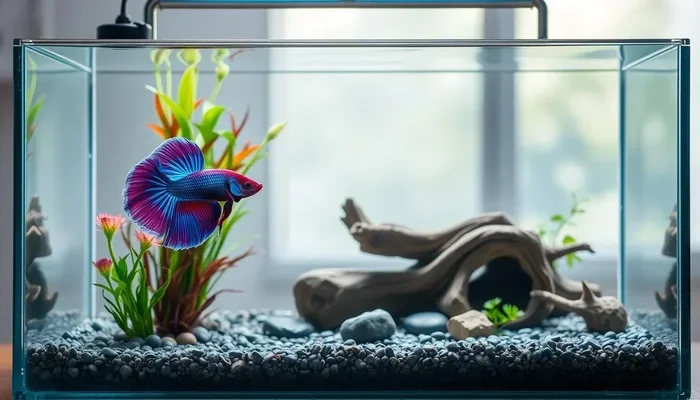
Visual guide about Are Lava Rocks Safe for Betta Fish
Image source: city.fujiyoshida.yamanashi.jp
Common Uses in Aquariums
In the aquarium hobby, lava rocks are prized for three main reasons:
- Biological filtration: Their porous structure offers a perfect home for nitrifying bacteria, helping to break down ammonia.
- Natural décor: They add a rugged, “river‑rock” aesthetic that pairs well with live plants and driftwood.
- Water chemistry influence: The rock can raise pH and hardness, which some fish keepers use to create a more stable environment.
Preparing Lava Rocks for a Betta Tank
Step‑by‑Step Cleaning Process
Never place raw lava rocks directly into the tank. Uncleaned rocks can leach dust, fine particles, and even trace metals that may irritate a betta’s delicate gills.
- Rinse thoroughly: Hold the rocks under running tap water, scrubbing with a soft brush to remove loose debris.
- Soak in dechlorinated water: Fill a bucket with water that has been treated with a water conditioner. Let the rocks sit for 24‑48 hours, changing the water once.
- Boil (optional but recommended): If you’re unsure about contaminants, bring a pot of water to a gentle boil and simmer the rocks for 10‑15 minutes. This kills any hidden bacteria and helps release trapped gases.
- Final rinse and test: Give the rocks one last rinse, then place them in a separate container of conditioned water for a few hours. Test the water for pH and hardness to see how much the rocks have altered the parameters.
Testing Water Changes
After the cleaning steps, use a reliable test kit to measure:
- pH: Lava rocks can push pH up by 0.2‑0.5 points.
- GH (General Hardness): Expect a modest rise, often 1‑2 dGH.
- Ammonia/Nitrite: Ensure the water is still clean; any spikes indicate a need for additional filtration.
If the changes are too dramatic for your betta’s preferred range (pH 6.5‑7.5, soft to moderately hard water), consider limiting the number of rocks or mixing them with inert décor like polished river stones.
Benefits of Using Lava Rocks with Betta Fish
Natural Hiding Spots
Betta fish love to explore and claim territories. The crevices and tunnels formed by lava rocks mimic the rice paddies and shallow streams where wild bettas originate. Providing these hiding spots can reduce stress, especially for shy or newly introduced fish.

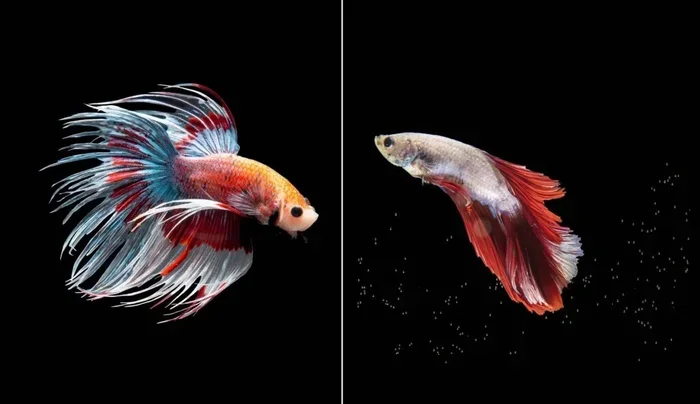
Visual guide about Are Lava Rocks Safe for Betta Fish
Image source: data.ac-illust.com
Enhanced Biological Filtration
The porous surface hosts colonies of Nitrosomonas and Nitrobacter bacteria, which convert toxic ammonia to nitrite and then nitrate. While lava rocks are not a substitute for a proper filter, they add extra “bio‑media” that can help maintain stable water quality in a small betta tank.
Visual Appeal
When combined with live plants, lava rocks create a striking, natural landscape. The dark, rugged texture contrasts beautifully with bright green leaves and the vivid colors of a betta’s fins.
Potential pH Stabilization
In regions where tap water is slightly acidic, the slight alkalinity of lava rocks can help keep the tank’s pH from dropping too low overnight. This can be especially helpful if you live in an area with soft, acidic water.
Potential Risks and How to Mitigate Them
Sharp Edges and Fin Damage
Even heat‑treated lava rocks can have microscopic edges that may snag a betta’s delicate fins. Always inspect each piece and sand any rough spots with fine‑grit sandpaper before adding them to the tank.
pH and Hardness Fluctuations
Rapid changes in pH can stress a betta, leading to loss of appetite or faded colors. To avoid this, add rocks gradually—start with one small piece, monitor parameters for a week, then add more if needed.
Porous Traps for Waste
The same pores that host beneficial bacteria can also collect uneaten food and fish waste. Over time, this can create hidden “dead zones” where harmful ammonia builds up. Regular substrate vacuuming and partial water changes help keep these areas clean.
Compatibility with Live Plants
Some plant species prefer softer, more acidic water. If you pair lava rocks with such plants, the rocks may raise the pH enough to hinder plant growth. Choose hardy plants like Java fern, Anubias, or Cryptocoryne that tolerate a broader pH range.
How to Incorporate Lava Rocks Safely
Design Layout Tips
1. **Create a focal point:** Place a larger lava rock at the back of the tank and arrange smaller pieces around it to form a natural “rock garden.”
2. **Leave swimming space:** Betta fish need open water to flare their fins. Ensure at least 2‑3 inches of clear water between rocks and the tank walls.
3. **Add plants for balance:** Use live plants to soften the hard lines of the rocks and improve oxygenation. See our guide on Which Live Plants Are Good For Betta Fish for plant recommendations.
Maintenance Routine
- Weekly water tests: Check pH, GH, and nitrate levels.
- Bi‑weekly spot cleaning: Gently brush the rocks with a soft brush during water changes to remove detritus.
- Monthly partial water change: Replace 25‑30 % of the tank water to keep parameters stable.
- Observe behavior: If your betta is hiding constantly, gasping, or shows faded colors, test the water immediately and consider removing or reducing the rocks.
Frequently Asked Questions About Lava Rocks and Betta Fish
Can lava rocks replace a filter?
No. While lava rocks provide surface area for beneficial bacteria, they do not create water flow or mechanical filtration. A small hang‑on filter or sponge filter is still recommended.
Do lava rocks affect temperature?
Lava rocks are inert regarding temperature; they won’t heat or cool the water. However, they can retain heat slightly, which may be noticeable in very small tanks.
Are there any specific brands you recommend?
Look for aquarium‑grade lava rocks labeled “pre‑treated” or “smooth.” Brands that advertise “no sharp edges” are usually safe for bettas.
How many lava rocks can I add to a 5‑gallon tank?
Start with one or two medium‑sized pieces (about 2‑3 inches tall). Adding more can quickly change water chemistry, so add slowly and test after each addition.
Will lava rocks harm live plants?
Most hardy plants tolerate the slight alkalinity lava rocks introduce. If you keep very sensitive species, monitor the pH and consider using a substrate that buffers acidity.
Can I use lava rocks in a betta bowl?
Bowls have limited water volume, so any rock that alters water chemistry can have a big impact. It’s safer to avoid lava rocks in bowls and stick to smooth, inert decorations.
Conclusion: Making an Informed Choice
Lava rocks can be a safe and attractive addition to a betta fish tank when you take the proper steps: clean them thoroughly, test water parameters, and choose smooth, appropriately sized pieces. They offer natural hiding spots, extra biological filtration, and a striking visual contrast that can make your betta’s home feel like a miniature volcanic stream.
Remember that every betta is an individual. Keep a close eye on your fish’s behavior and water quality, and be ready to adjust or remove the rocks if you notice any signs of stress. With careful preparation and regular maintenance, lava rocks can enhance both the health and the beauty of your betta’s environment.
Frequently Asked Questions
Are lava rocks safe for betta fish?
Yes, if they are properly cleaned, have smooth edges, and are introduced gradually while monitoring water parameters.
How do lava rocks affect pH?
Lava rocks can raise pH slightly, usually by 0.2‑0.5 points, depending on the amount used and the initial water chemistry.
Do I need to treat lava rocks before adding them to the tank?
Absolutely. Rinse, soak in dechlorinated water, and optionally boil them to remove dust and any harmful residues.
Can lava rocks replace a filter?
No. They supplement biological filtration but do not provide mechanical filtration or water flow.
What size of lava rock is best for a betta tank?
Choose rocks that are no larger than 2‑3 inches tall and have no sharp edges to prevent fin damage.
How often should I clean lava rocks?
Spot‑clean them during each weekly water change and do a deeper brush‑out once a month.