Are Large Bette Fish Toxic
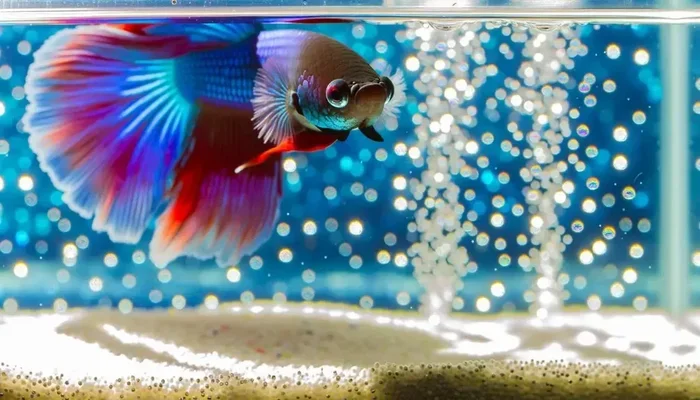
Large betta fish are not poisonous to humans or other tank mates, but their size can bring unique health and safety challenges. Understanding water quality, diet, and tank setup will ensure your big betta thrives without causing problems.
Key Takeaways
- Size ≠ toxin: Bigger bettas are not venomous, but they can stress a cramped environment.
- Water matters most: Proper filtration and regular water changes keep toxins from building up.
- Diet is critical: Overfeeding large bettas leads to fatty liver disease and ammonia spikes.
- Tank size matters: A 5‑gal (or larger) tank gives a large betta room to swim and reduces aggression.
- Observe behavior: Labored breathing, faded color, or fin rot are warning signs of toxicity issues.
- Compatibility tips: Choose peaceful tank mates that won’t trigger territorial fights.
- Regular health checks: Spotting parasites or bacterial infections early prevents toxic water buildup.
📑 Table of Contents
- Introduction: Why the Question Pops Up
- 1. Understanding Betta Biology: Size, Species, and Natural Defenses
- 2. How “Toxic” Water Happens: The Role of Ammonia, Nitrite, and Nitrate
- 3. Tank Size and Setup: Giving a Large Betta Space to Breathe
- 4. Nutrition: Feeding a Big Betta Without Creating Toxic Waste
- 5. Health Monitoring: Spotting Early Signs of Toxicity
- 6. Compatibility: Keeping Other Fish Safe Around a Large Betta
- Conclusion: Large Betta Fish Are Not Toxic, But Care Is Crucial
Introduction: Why the Question Pops Up
If you’ve ever watched a massive, flowing‑fin betta glide across the surface of its tank, you might wonder: “Are large betta fish toxic?” The short answer is no—betta fish, regardless of size, do not produce toxins that poison people or other fish. However, the phrase “toxic” is often used loosely in the aquarium hobby to describe water that has become unsafe because of poor maintenance, overfeeding, or disease.
Large bettas (often called “giant” or “show” bettas) can be especially prone to creating a toxic environment if their owners aren’t aware of the extra responsibilities that come with a bigger body. In this article we’ll break down the myths, explain the science, and give you practical steps to keep a large betta healthy and non‑toxic to its surroundings.
1. Understanding Betta Biology: Size, Species, and Natural Defenses
What makes a betta “large”?
Most hobbyist bettas measure 2.5‑3 inches from head to tail. “Large” bettas are those that grow to 4‑5 inches, often because of genetics (e.g., “giant” strains) or excellent care. Their fins can be dramatically longer, and they may weigh up to twice as much as a standard betta.
Visual guide about Are Large Bette Fish Toxic
Image source: classroomclipart.com
Do bettas have natural toxins?
In the wild, bettas (Betta splendens) produce a mild mucus that helps protect their skin from parasites, but this mucus is not poisonous. It’s simply a protective coating, much like the slime on other freshwater fish. The only “toxic” element a betta can release is a stress‑induced hormone that may affect tank mates if the water quality deteriorates.
Link to related basics
For a broader view of betta origins and characteristics, see our article What Are Betta Fish.
2. How “Toxic” Water Happens: The Role of Ammonia, Nitrite, and Nitrate
Ammonia – the silent killer
All fish excrete ammonia through their gills. In a well‑cycled tank, beneficial bacteria convert ammonia (NH₃) to nitrite (NO₂⁻) and then to nitrate (NO₃⁻). When a large betta produces more waste, the bio‑filter must work harder. If the filter is undersized or the water change schedule is lax, ammonia can build up, becoming toxic within minutes.
Visual guide about Are Large Bette Fish Toxic
Image source: fusenucyu.com
Why size matters
A larger betta eats more, produces more waste, and moves more water with its powerful fins. This increased bioload can overwhelm a small, under‑filtered tank, leading to spikes in ammonia and nitrite. The result is a “toxic” environment that harms the betta and any tank mates.
Practical tip: Test early and often
- Buy a reliable liquid test kit.
- Test water weekly, and after feeding spikes.
- Keep ammonia under 0.25 ppm, nitrite at 0 ppm, and nitrate below 20 ppm for a large betta.
3. Tank Size and Setup: Giving a Large Betta Space to Breathe
Minimum tank recommendations
While many beginners start a betta in a 2‑gallon bowl, a large betta truly needs at least a 5‑gallon aquarium. Larger tanks dilute waste, stabilize temperature, and provide room for the betta’s impressive fins to spread without hitting glass.
Visual guide about Are Large Bette Fish Toxic
Image source: electronics-tutorial.net
Filtration and aeration
Choose a gentle sponge filter or a low‑flow hang‑on‑back (HOB) filter. Strong currents can stress bettas, especially those with long, flowing fins. A modest flow mimics the slow‑moving waters of their native Thai rice paddies.
Decor and hiding spots
Live plants, driftwood, and smooth rocks create territories and reduce stress. Live plants also help absorb nitrates, further preventing toxic build‑up. See our guide Which Live Plants Are Good For Betta Fish for plant suggestions.
4. Nutrition: Feeding a Big Betta Without Creating Toxic Waste
Portion control
Even though a large betta looks hungry, overfeeding is the most common cause of cloudy, toxic water. Feed 2‑3 small pellets once or twice daily, only what the fish can consume in 2‑3 minutes.
Quality over quantity
High‑protein betta pellets, supplemented with occasional frozen or live foods (brine shrimp, daphnia), keep the fish healthy without excess waste. Avoid fatty treats like bloodworms more than once a week.
Feeding schedule tip
Implement a “fast day” once a week—skip feeding for 24 hours. This helps clear the digestive tract and reduces ammonia production.
5. Health Monitoring: Spotting Early Signs of Toxicity
Physical indicators
- Faded colors: Loss of bright reds or blues often signals stress.
- Labored breathing: Gasping at the surface suggests high ammonia or low oxygen.
- Fin rot or frayed edges: Bacterial infections thrive in poor water.
Behavioral clues
A normally active betta that becomes lethargic, hides constantly, or loses appetite is likely suffering from water‑borne toxins. Quick action—water change, test, and possible treatment—can save the fish.
When to seek treatment
If ammonia reads above 0.5 ppm, perform an immediate 50 % water change, add a carbon filter, and consider a short dose of aquarium-safe ammonia detoxifier. For persistent issues, consult a vet familiar with ornamental fish.
6. Compatibility: Keeping Other Fish Safe Around a Large Betta
Choosing tank mates
Large bettas are still territorial. Peaceful, fast‑swimming species that occupy different tank levels work best. Examples include small rasboras, neon tetras (in a well‑planted tank), or snails. Avoid other bettas, brightly colored gouramis, or fin‑nipping species.
Introducing new fish
Quarantine new arrivals for at least two weeks to prevent disease introduction. When adding them to the main tank, use a plastic divider for the first 24 hours to let the betta see but not touch the newcomers.
Link to aggression basics
Learn more about betta temperament at Are Betta Fish Aggressive for deeper insights.
Conclusion: Large Betta Fish Are Not Toxic, But Care Is Crucial
In short, large betta fish do not produce poisonous substances that harm humans or other fish. The real “toxicity” comes from the environment you create. By providing a suitably sized tank, robust filtration, balanced nutrition, and vigilant water testing, you can keep your impressive betta thriving and your aquarium safe.
Remember, a healthy large betta is a beautiful centerpiece that rewards careful, informed care. Keep an eye on water parameters, feed wisely, and enjoy the vivid displays of color and personality that only a well‑kept betta can provide.
Frequently Asked Questions
Are large betta fish poisonous to humans?
No. Betta fish, regardless of size, do not contain toxins that can harm people. Their mucus is harmless, and they are safe to handle with clean hands.
Can a big betta make the water toxic for other fish?
Yes, if the tank is too small or under‑filtered, the larger waste output can raise ammonia and nitrite levels, creating a toxic environment for any tank mates.
How often should I change the water for a large betta?
A 20‑25 % water change every week is ideal. If you notice cloudiness or elevated ammonia, increase the change to 30‑50 % until levels normalize.
Do large bettas need a stronger filter?
They need a filter with enough flow to handle the increased bioload but gentle enough not to stress the fish. A sponge filter or low‑flow HOB works well.
What signs show my betta is stressed by water quality?
Faded colors, gasping at the surface, loss of appetite, and frayed fins are common stress indicators linked to poor water quality.
Can I keep other fish with a large betta?
Yes, if you choose peaceful, fast‑moving species and provide plenty of hiding spots. Always monitor interactions and be ready to separate if aggression occurs.