Are Crowntail Betta Fish Aggressive

Curious whether crowntail betta fish are aggressive? While their dramatic fins can look intimidating, crowntail bettas often behave like other bettas—defending territory but not seeking constant battles. With proper tank conditions and careful introductions, you can enjoy their beauty without needless stress.
Key Takeaways
- Territorial nature: Crowntail bettas defend their space, especially males, but aggression varies by individual.
- Sex matters: Males are typically more aggressive than females; females can be semi‑aggressive when crowded.
- Tank size & setup: A 5‑gal (or larger) tank with plants and hiding spots reduces stress and fights.
- Compatibility: Choose peaceful tank mates and avoid other bettas of the same sex.
- Health indicators: Faded fins, torn edges, or constant flaring signal stress or aggression.
- Observation is key: Watch for flare patterns and posture to gauge mood early.
- Proper care lowers aggression: Stable water parameters, regular feeding, and enrichment keep crowntails calm.
📑 Table of Contents
- Introduction: The Beauty and the Myth
- Understanding Crowntail Betta Genetics
- Are Crowntail Betta Fish Aggressive? The Core Answer
- Factors That Influence Aggression
- How to Spot Aggression Early
- Setting Up a Peaceful Home for Your Crowntail
- Common Myths About Crowntail Aggression
- Practical Tips to Reduce Aggression
- Conclusion: Enjoying the Crown Without the Conflict
Introduction: The Beauty and the Myth
If you’ve ever seen a crowntail betta swimming with its frilly, crown‑like fins, you might wonder whether that majestic look comes with a fierce temperament. The short answer is: they can be aggressive, but not always. Like all bettas, crowntail varieties inherit a strong instinct to protect their territory. However, many hobbyists find that with the right environment, these fish are more show‑off artists than battlefield generals.
In this article we’ll break down the factors that influence crowntail aggression, show you how to read their body language, and give you practical steps to keep them happy and peaceful. Whether you’re a first‑time keeper or a seasoned aquarist, you’ll walk away with a clearer picture of what to expect from these stunning creatures.
Understanding Crowntail Betta Genetics
What makes a crowntail different?
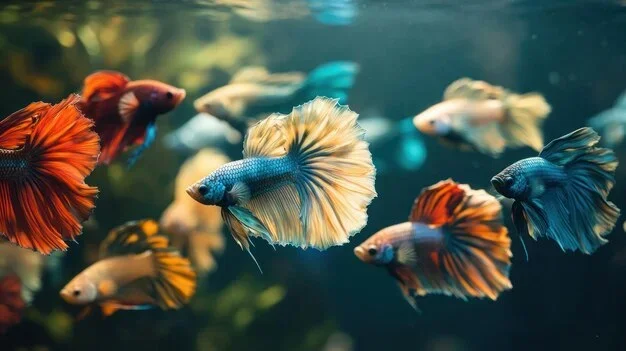
The crowntail is a type of Betta splendens distinguished by extra fin rays that create a ruffled, crown‑shaped tail. Selective breeding over decades has emphasized fin length and density, not temperament. Because the genes controlling fin shape are separate from those influencing aggression, a crowntail’s looks don’t guarantee a calmer or more hostile personality.

Visual guide about Are Crowntail Betta Fish Aggressive
Image source: cdna.lystit.com
Genetics vs. environment
Research on betta genetics shows that aggression is a polygenic trait—many genes play a role, and environmental triggers can amplify or mute the behavior. A crowntail raised in a cramped bowl with poor water quality is far more likely to flare and bite than one living in a spacious, well‑planted tank.
Are Crowntail Betta Fish Aggressive? The Core Answer
General temperament
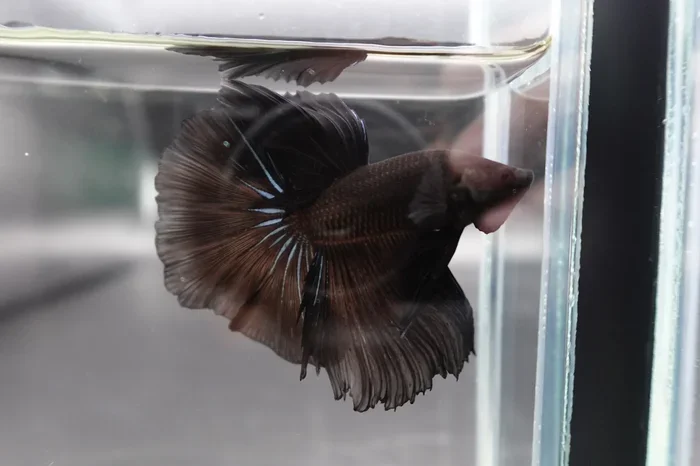
On average, crowntail bettas are moderately territorial. They will defend a defined area, especially when a rival of the same sex is visible. However, they are not the “most aggressive” betta type. If you compare them to, for example, a half‑moon or a veiltail, crowntails often display slightly less relentless chasing behavior because their larger fins make quick bursts of speed more cumbersome.
Visual guide about Are Crowntail Betta Fish Aggressive
Image source: denken3s.com
Male vs. female aggression
Male crowntails typically exhibit stronger aggression, especially during breeding season. Females can be feisty too, but they tend to be less confrontational unless overcrowded. For a deeper dive on female aggression, see our article on Are Female Betta Fish Aggressive.
Individual personality matters
Just like people, each betta has its own “personality.” Some males may barely flare at a mirror, while others will attack any movement. Observing your fish’s response to stimuli (like a floating plastic leaf) can quickly reveal its baseline temperament.
Factors That Influence Aggression
Tank size and layout
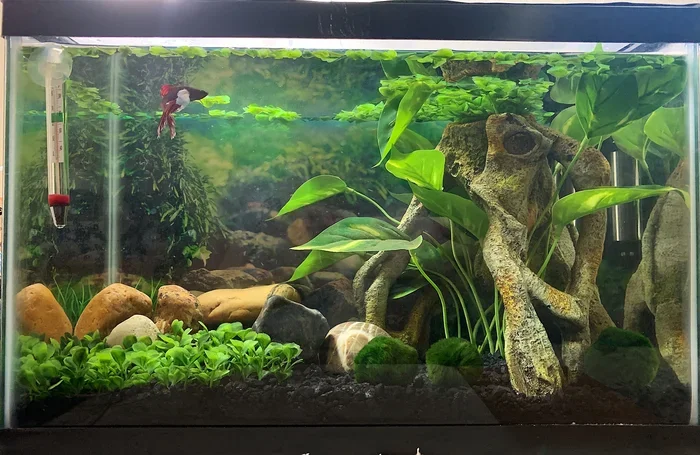
One of the most common triggers for aggression is a tank that is too small. A single male crowntail should have at least 5 gallons of water, with plenty of plants, caves, or driftwood to break line‑of‑sight. This mimics their natural habitat—shallow, vegetated rice paddies in Southeast Asia—where they can hide and establish personal space.

Visual guide about Are Crowntail Betta Fish Aggressive
Image source: png.pngtree.com
Water parameters
Stable temperature (78‑80°F), pH (6.5‑7.5), and low ammonia/nitrite levels are essential. Fluctuations cause stress, which often manifests as increased flaring and fin nipping. Regular water changes (20‑30% weekly) keep the environment calm.
Feeding routine
Over‑feeding or an erratic feeding schedule can make a betta irritable. Offer small portions 2‑3 times a day with high‑quality pellets or frozen bloodworms. Occasional treats keep the fish engaged and reduce boredom‑driven aggression.
Presence of mirrors
Betta owners love to watch their fish flare at a mirror, but constant reflection can heighten aggression. Use a mirror only briefly (a few minutes) a few times a week to gauge health, then remove it.
Other tank mates
While bettas are often labeled “loners,” many crowntails coexist peacefully with small, non‑fin‑nipping species like neon tetras, kuhli loaches, or shrimp—provided the tank is large enough and there are plenty of hiding spots. Avoid other bettas, especially males, as they will inevitably fight.
How to Spot Aggression Early
Body language cues
- Flaring: Expanding gill covers and spreading fins is a warning sign.
- Color darkening: A stressed betta may turn darker, especially on the edges of its fins.
- Rapid swimming: Quick, erratic bursts indicate agitation.
- Fin nipping: Look for torn or ragged fins on tank mates.
Physical signs of stress
Watch for faded colors, torn crowns, or a loss of the distinctive “crown” shape. These may be the result of constant fighting or poor water quality.
When to intervene
If you notice persistent aggression for more than a few days, consider rearranging the décor, increasing tank size, or separating the aggressive fish. A temporary divider can give a male crowntail a break without permanent removal.
Setting Up a Peaceful Home for Your Crowntail
Choosing the right tank
Start with a minimum of 5 gallons for a single crowntail. A 10‑gallon tank is ideal if you plan to add compatible community fish. Use a sponge filter to provide gentle flow—strong currents can stress bettas.
Decor and hiding places
Live plants like Java fern, Anubias, or mosses create natural cover and improve water quality. Add driftwood or smooth rocks to break sight lines. This reduces the chance of a male seeing his reflection or a rival’s silhouette.
Lighting and day/night cycle
Betta fish are nocturnal by nature, preferring dim lighting with a 10‑hour light/14‑hour dark schedule. Use a low‑intensity LED and a timer to mimic sunrise and sunset, which helps keep hormones balanced.
Filtration and heating
A reliable heater set at 79°F and a gentle filter keep the water stable. Avoid strong water movement; bettas are weak swimmers and can become exhausted.
Introducing tank mates
When adding new fish, quarantine them for at least two weeks. Then perform a “slow introduction” by placing the new tank’s water in the betta’s tank to acclimate both parties to each other’s scents. Observe closely for the first 24 hours.
Common Myths About Crowntail Aggression
Myth 1: Bigger fins mean calmer fish
While crowntail fins are large, they do not make the fish less aggressive. The extra fin surface actually makes rapid attacks more difficult, so the fish may rely on displays rather than physical fights.
Myth 2: All male bettas will kill each other
Male bettas are territorial, but with proper tank size and visual barriers, they can coexist in the same room in separate tanks without direct contact. For more on why males are kept separate, see Why Are Male Betta Fish Kept Separate.
Myth 3: Female bettas are always safe companions
Females can be semi‑aggressive, especially in groups larger than three. Overcrowding leads to stress and occasional fin nipping. Always monitor group dynamics.
Practical Tips to Reduce Aggression
1. Provide visual barriers
Use tall plants or background décor to block direct line of sight between your crowntail and any reflective surfaces or other fish.
2. Keep a consistent routine
Feed at the same times each day, perform water changes on a schedule, and avoid sudden temperature shifts.
3. Use enrichment toys
Floating logs, small tunnels, or a mirror for short “showtime” sessions keep the betta mentally stimulated.
4. Monitor water quality diligently
Invest in a test kit. Maintain ammonia and nitrite at 0 ppm, nitrate below 20 ppm.
5. Consider a “peaceful” male strain
Some breeders specialize in “peaceful” male bettas that have been selected for lower aggression. Ask your local shop about such lines.
Conclusion: Enjoying the Crown Without the Conflict
Crowntail betta fish are stunning, and with the right care they can be just as calm as any other betta variety. Their aggression is primarily territorial and can be managed through proper tank size, stable water parameters, and thoughtful introductions. By paying attention to body language, providing plenty of hiding places, and avoiding overcrowding, you’ll create a serene environment where the crowntail’s crown can truly shine.
Remember, each fish is an individual. Spend time observing, adjust your setup as needed, and you’ll find the perfect balance between the spectacular display of a flaring crown and a peaceful aquarium community.
Frequently Asked Questions
Are crowntail bettas more aggressive than other betta types?
Not necessarily. While they are territorial like all bettas, their large fins make quick attacks harder, so they often rely on visual displays rather than constant fighting.
Can I keep two male crowntail bettas together?
No. Male bettas, including crowntails, should be housed separately to prevent serious injuries. Use dividers if you must keep them in the same tank.
Do female crowntail bettas get along with each other?
Females can live together in a group of three to five if the tank is large enough (10+ gallons) and has plenty of hiding spots, but occasional aggression can still occur.
What are the best tank mates for a crowntail betta?
Peaceful, non‑fin‑nipping species such as neon tetras, rasboras, or small shrimp work well, provided the tank is at least 10 gallons and offers plenty of plants.
How can I tell if my crowntail betta is stressed?
Look for faded colors, torn fins, constant flaring, or rapid swimming. Stress often stems from poor water quality, overcrowding, or sudden changes in temperature.
Is a mirror test safe for crowntail bettas?
Yes, but only for a few minutes a few times a week. Prolonged exposure can increase aggression and stress levels.