Are Colored Lights Ok for Betta Fish

Colored lighting can add a stunning glow to your betta’s home, but it must be used wisely. When you choose the right spectrum, intensity, and duration, you’ll enhance your fish’s colors without harming its health.
Key Takeaways
- Moderate intensity is essential: Too bright or constant colored light can stress bettas.
- Blue and green are safest: These wavelengths mimic natural twilight and cause the least disruption.
- Use a timer: Limit colored light to 6‑8 hours a day to keep the circadian rhythm healthy.
- Combine with natural white: A base of white light ensures proper viewing of the fish and supports plant growth.
- Watch for stress signs: Faded colors, lethargy, or fin clamping mean the lighting needs adjustment.
- Quality matters: LED fixtures with full‑spectrum output are preferable to cheap colored bulbs.
- Integrate with tank décor: Live plants and hiding spots help balance the visual impact of colored lights.
📑 Table of Contents
Introduction: Bright Ideas for Betta Tanks
When you first set up a betta tank, the most exciting part is often choosing a light that makes those brilliant fins pop. A splash of pink, teal, or amber can turn a simple 5‑gallon tank into a miniature aquarium show. But before you click “add to cart” on that fancy LED strip, you might wonder: are colored lights ok for betta fish? The short answer is yes—if you use them correctly.
Betta fish (Betta splendens) are native to the calm, shallow waters of Thailand and Malaysia, where sunlight filters through dense vegetation. In the wild, they experience a natural day‑night cycle with soft, dappled light rather than the constant neon glow of a party. Understanding this natural backdrop helps you make lighting choices that keep your betta healthy, vibrant, and stress‑free.
How Light Affects Betta Physiology
Natural light vs. artificial colored light
In the wild, bettas receive a broad spectrum of sunlight that includes UV, blue, and green wavelengths. This spectrum supports:
Visual guide about Are Colored Lights Ok for Betta Fish
Image source: is1-ssl.mzstatic.com
- Color development: UV light helps certain pigments become more vivid.
- Hormone regulation: Light cues the pineal gland, which controls melatonin and the fish’s internal clock.
- Feeding behavior: Many bettas are more active during dawn and dusk.
Artificial colored lights often emphasize a single hue—think deep red or bright purple. While these lights look gorgeous, they can mask the full spectrum bettas need, potentially leading to muted colors or irregular behavior.
Stress and the stress‑response system
Stress in bettas shows up as:
- Lethargy or frantic swimming
- Clamped fins
- Loss of color intensity
- Increased susceptibility to disease
Research on other tropical fish shows that overly bright or constantly colored lighting can trigger cortisol release, the same hormone that makes humans feel “on edge.” For bettas, a balanced lighting schedule is key to keeping cortisol low.
Choosing the Right Colored Lights
Color spectrum basics
Not all colors are created equal. Here’s a quick guide:

Visual guide about Are Colored Lights Ok for Betta Fish
Image source: absolutecolour.com.au
- Blue (450‑495 nm): Mimics early morning light, promotes calmness, and enhances the blue‑green hues in a betta’s body.
- Green (495‑570 nm): Closest to the natural underwater environment; it’s gentle on the eyes and works well with live plants.
- Red (620‑750 nm): Can be too intense for bettas if used alone; it may obscure details and stress the fish.
- Purple/Violet (380‑450 nm): Often too harsh and can cause eye strain.
For most hobbyists, a combination of soft blue and green is the safest bet. These colors provide a calming ambiance while still allowing the betta’s natural colors to shine.
Intensity and lumens
Brightness is measured in lumens. A 5‑gallon betta tank typically needs 0.5‑1.0 watts per gallon of LED output, which translates to roughly 30‑60 lumens per gallon. When you add colored filters or LEDs, the perceived brightness drops, so you may need a slightly higher lumen rating to maintain visibility.
Quality of fixtures
Invest in a reputable LED fixture with:
- Adjustable color temperature (3000 K–6500 K)
- Programmable timers
- Full‑spectrum white base plus optional blue/green modules
Cheap plug‑and‑play colored bulbs often flicker or overheat, both of which can harm delicate betta skin.
How to Implement Colored Lighting Safely
Set a consistent schedule
Betta fish are most active during a 12‑hour light/12‑hour dark cycle. Use a timer to give them 6‑8 hours of colored light followed by 4‑6 hours of neutral white light, then a full dark period. This mimics natural sunrise, midday, and sunset.

Visual guide about Are Colored Lights Ok for Betta Fish
Image source: creator-store.jp
Blend with white light
Start the day with a gentle white or cool‑white LED (around 6500 K) for 2‑3 hours. Switch to a blue‑green blend for the mid‑day “show” period, then dim back to soft white in the evening. This layered approach keeps the betta’s circadian rhythm intact while still giving you that Instagram‑ready glow.
Provide hiding spots
Even the best lighting plan can stress a betta if it can’t find a place to retreat. Add live plants like Java fern or Anubias (see our guide on which live plants are good for betta fish) and décor such as caves or driftwood. These give the fish a sense of security and reduce the impact of bright colors.
Monitor and adjust
Watch your betta for any signs of stress during the first week of colored lighting. If you notice clamped fins or a faded appearance, reduce the intensity or shorten the colored phase. Remember, every fish is unique—what works for one may need tweaking for another.
Common Myths About Colored Lighting
Myth 1: “More color = happier betta.”
While a vibrant tank looks great, bettas don’t need a rainbow of LEDs to thrive. Over‑stimulating colors can actually hide health issues, making it harder to spot early signs of disease.
Myth 2: “Red light makes bettas more aggressive.”
There’s limited evidence linking red light to aggression in bettas. However, red wavelengths can make other fish appear more territorial, so it’s best to keep red lighting brief and low‑intensity.
Myth 3: “Colored lights replace the need for a proper tank setup.”
Lighting is just one piece of the puzzle. Proper water parameters, temperature (see what temperature should water be for a betta fish), and filtration are non‑negotiable for a healthy betta.
Practical Tips for a Stunning Yet Safe Display
Tip 1: Use a dimmable LED strip with interchangeable color modules.
This lets you experiment without buying multiple fixtures. Start with a soft blue, observe the fish, then add a hint of green if you want more depth.
Tip 2: Pair lighting with a backdrop.
A dark, non‑reflective background (like black poster board) makes the colors pop while reducing glare that can stress the fish.
Tip 3: Keep the tank clean.
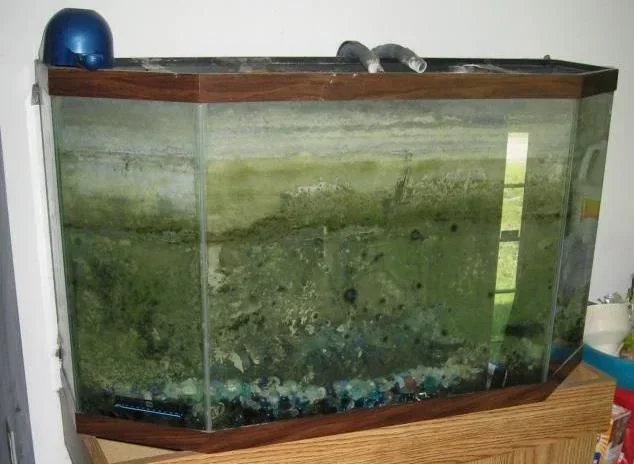
Algae growth can change the way light penetrates the water, turning a beautiful blue glow into a murky green. Regular water changes (see how often change water for betta fish) keep the water crystal clear and the lighting effective.
Tip 4: Test the water after installing new lights.
Heat from some fixtures can raise water temperature slightly. Use a reliable thermometer and adjust the heater if needed.
Tip 5: Document changes.
Take weekly photos of your betta under the colored light. Compare them to see if the colors stay vibrant or begin to fade, which could signal a lighting issue.
Conclusion: Light Up Your Betta’s World Wisely
So, are colored lights ok for betta fish? Absolutely—when you respect their natural needs and use the lights as an accent rather than the main source. Choose soft blue and green hues, keep the intensity moderate, and always pair lighting with a solid routine of white light and darkness. By doing so, you’ll enjoy a dazzling aquarium that showcases your betta’s natural brilliance without compromising its health.
Remember, a happy betta is a healthy betta. Keep an eye on water quality, temperature, and tank size (check out what size tank for a betta fish for guidance) and let the lights be the cherry on top of a well‑balanced habitat.
Frequently Asked Questions
Are colored lights harmful to betta fish?
They’re not inherently harmful, but overly bright or constant colored light can cause stress. Use moderate intensity and limit exposure to 6‑8 hours a day.
Which colors are safest for bettas?
Soft blue and green are the safest because they mimic natural underwater light and are gentle on the fish’s eyes.
Do I need a timer for colored lighting?
Yes. A timer helps maintain a regular day‑night cycle, which is crucial for a betta’s circadian rhythm and overall health.
Can colored lights affect a betta’s colors?
Proper lighting can enhance the fish’s natural hues, but the wrong spectrum or intensity may actually dull colors over time.
How do I know if my betta is stressed by the lights?
Watch for clamped fins, faded coloration, lethargy, or frantic swimming. If you see these signs, reduce the light’s brightness or duration.
Do I need full‑spectrum white light in addition to colored LEDs?
Yes. Full‑spectrum white light supports plant growth and gives you a true view of your betta’s colors, while colored LEDs add visual flair.