What Causes Crusty Water in My Betta Fish Tank
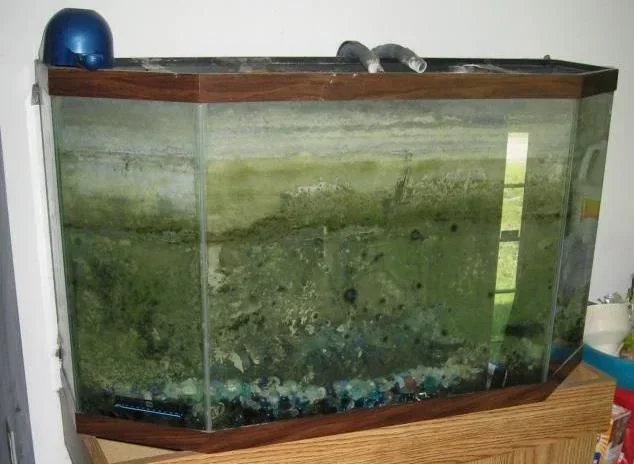
Crusty water in your betta fish tank is usually caused by mineral buildup, hard water deposits, biofilm, or poor maintenance habits. Understanding what creates that chalky, filmy residue helps you fix the problem fast and keep your betta healthy. This guide covers the top causes, proven solutions, and easy prevention tips you can start today.
Crusty water in a betta fish tank is one of those frustrating problems that catches every fish owner off guard. You go to feed your betta, and suddenly you notice a white, chalky film or gritty residue coating the glass, the water surface, or even your decorations.
It is not just ugly. Crusty water can signal deeper problems with your tank’s water quality and overall maintenance routine. The good news is that once you know what causes it, fixing and preventing it becomes much easier.
In this guide, we will walk through every major cause of crusty water in a betta tank. We will also share practical fixes and simple prevention tips you can use right away. Whether you are a beginner or a seasoned betta keeper, this article has something valuable for you.
Key Takeaways
- Hard water and mineral deposits are the #1 cause of crusty residue in betta tanks.
- Biofilm buildup from excess food and waste creates a white, filmy crust on the water surface.
- Skipping regular water changes allows minerals and bacteria to accumulate fast.
- Using untreated tap water introduces calcium and magnesium that cause crusty buildup.
- A proper filtration system and routine maintenance prevent most crusty water problems.
- Testing your water parameters regularly helps you catch issues before they worsen.
- Using purified or conditioned water reduces mineral content and keeps your tank cleaner.
📑 Table of Contents
- What Does Crusty Water Actually Look Like?
- Top Causes of Crusty Water in Your Betta Tank
- How to Fix Crusty Water in Your Betta Tank
- How to Prevent Crusty Water From Coming Back
- When to Worry About Crusty Water
- Common Mistakes That Cause Crusty Water
- Expert Insight: The Role of Beneficial Bacteria
- Final Thoughts
What Does Crusty Water Actually Look Like?
Before we dive into causes, let us make sure we are talking about the same thing. Crusty water can show up in a few different ways:
- A white or chalky film on the water surface
- Gritty white or tan deposits on the glass walls
- A rough, flaky residue on gravel or decorations
- Cloudy water with a filmy, soapy-looking texture
- Hard, mineral-based rings forming at the waterline
These signs all point to mineral deposits, biofilm, or bacterial buildup. Each cause has its own trigger, and knowing which one you are dealing with makes treatment much simpler.
Top Causes of Crusty Water in Your Betta Tank
Several factors can lead to that unpleasant crusty buildup. Let us break down each one so you can identify the culprit in your own tank.
1. Hard Water and Mineral Buildup
The most common cause of crusty water is hard water. Tap water in many areas contains high levels of calcium and magnesium. Over time, these minerals evaporate and leave behind a white, chalky crust on surfaces inside your tank.
If you live in a region with hard tap water, this is likely your main issue. The minerals settle on the glass, the substrate, and even your filter media. This buildup gets worse every time the water evaporates and you just top off the tank without treating the new water.
Quick Tip: If you notice white rings forming at the waterline, hard water minerals are almost always to blame. Testing your water hardness can confirm this quickly and cheaply.
2. Biofilm Growth
Biofilm is a thin, slimy layer of bacteria that feeds on organic matter in your tank. When there is excess food, fish waste, or decaying plant material, biofilm thrives. It often appears as a white or grayish film on the water surface and on tank walls.
In moderate amounts, biofilm is actually normal and even beneficial. It contains beneficial bacteria that help cycle your tank. But when it builds up too much, it turns crusty and unsightly. Overfeeding your betta is the most common trigger for excessive biofilm.
Quick Tip: If your betta leaves uneaten food floating around, that is a prime breeding ground for biofilm. Feed only what your fish can eat in two minutes, once or twice a day.
3. Skipping Regular Water Changes
One of the easiest ways to prevent crusty water is to stay on top of water changes. When you skip or delay water changes, dissolved minerals and organic waste accumulate rapidly. This creates the perfect environment for crusty deposits to form.
A tank that goes too long between water changes also loses its chemical balance. pH levels can swing, and your water parameters drift out of the safe range for betta fish. The result is often a visible buildup on glass and decorations.
Most betta tanks benefit from a 25 to 30 percent water change every one to two weeks. Smaller tanks may need more frequent changes. Staying consistent makes a huge difference.
4. Using Untreated Tap Water
Many betta owners make the mistake of adding straight tap water to their tank without treating it first. Tap water contains chlorine, chloramine, and heavy minerals that can damage your tank’s ecosystem and cause crusty buildup over time.
Chlorine kills beneficial bacteria, which throws off your tank’s nitrogen cycle. Without those helpful bacteria breaking down waste, organic matter builds up faster. This leads to more biofilm and mineral deposits. If you are not sure whether your tap water is safe, check out our guide on Can You Use Tap Water In A Betta Fish Tank for detailed advice.
Quick Tip: Always use a water conditioner before adding new water to your tank. It neutralizes chlorine and binds to heavy metals, protecting both your fish and your tank surfaces.
5. Poor Filtration and Stagnant Water
Your filter does more than just keep the water clear. It circulates water, supports beneficial bacteria, and removes debris that contributes to crusty buildup. A filter that is too weak, clogged, or turned off for too long lets minerals and waste settle and harden.
Stagnant water also encourages algae growth, which can combine with mineral deposits to create an even crustier texture. Make sure your filter is running properly and that you are cleaning or replacing filter media on schedule.
6. Evaporation and Topping Off Without Treating Water
Here is a sneaky cause many people overlook. When water evaporates from your tank, it leaves behind minerals. If you simply add fresh tap water to replace what was lost, you keep stacking more minerals on top of the old ones.
Over weeks and months, this creates a thick crusty layer, especially along the waterline. The fix is simple but requires consistency. Always treat new water before adding it, and consider using purified water to reduce mineral input entirely. You can learn more about this approach in our article on Can I Use Purified Water In My Betta Fish Tank.
How to Fix Crusty Water in Your Betta Tank
Now that you know the causes, let us talk about how to actually fix the problem. Most crusty water issues respond well to a few targeted steps.
Step 1: Do a Thorough Tank Cleaning
Start by removing any visible crusty deposits. Use an aquarium-safe scraper or sponge to clean the glass. For decorations and gravel, rinse them in old tank water (not tap water) to preserve beneficial bacteria. Remove any uneaten food, decaying plant matter, or excess waste.
During this cleaning, do a partial water change of 30 to 40 percent. This dilutes the dissolved minerals and organic compounds that are contributing to the problem.
Step 2: Test Your Water Parameters
Grab a liquid test kit and check your water’s pH, ammonia, nitrite, nitrate, and hardness levels. If your water is very hard, you may need to switch to a different water source. Water parameters that are consistently off will cause crusty buildup no matter how often you clean.
Here is a quick reference table for ideal betta water parameters:
- pH: 6.5 to 7.5
- Ammonia: 0 ppm
- Nitrite: 0 ppm
- Nitrate: Under 20 ppm
- Water hardness: 3 to 4 dGH or lower
Step 3: Adjust Your Water Source
If your tap water is very hard, consider switching to a softer water source. Distilled water or purified water works well because it has minimal minerals. You can also use a water softening pillow or reverse osmosis system for larger tanks.
Remember to add a water conditioner every time you introduce new water. This protects your betta and keeps mineral levels in check.
Step 4: Upgrade or Clean Your Filter
A clogged or undersized filter lets waste and minerals build up fast. Check your filter media and rinse it in old tank water. If your filter is more than six months old, consider replacing it. For most betta tanks, a gentle sponge filter or hang-on-back filter works best.
Avoid over-cleaning your filter media. You want to keep some beneficial bacteria alive, so rinse media in tank water only, never in tap water.
How to Prevent Crusty Water From Coming Back
Fixing crusty water is only half the battle. The real goal is preventing it from returning. Here are the habits that make the biggest difference.
Stick to a Regular Maintenance Schedule
Consistency is everything when it comes to betta tank care. Set a reminder for water changes, filter cleaning, and water parameter testing. A simple weekly or biweekly routine keeps minerals and waste from building up to crusty levels.
Small, frequent water changes are always better than one massive change. This keeps your tank stable and your fish stress-free.
Do Not Overfeed Your Betta
Overfeeding is one of the most common mistakes new betta owners make. Uneaten food sinks to the bottom, decomposes, and fuels biofilm and mineral buildup. Feed small amounts, and remove any leftover food after a few minutes.
Your betta only needs a tiny portion of food at each feeding. A couple of pellets or a few flakes is plenty. If there is food left floating after two minutes, you gave too much.
Use the Right Water Every Time
Whenever you add water to your tank, make sure it is properly treated. Whether you use tap water with conditioner or opt for purified water, the key is to avoid introducing excess minerals and chemicals. If you are unsure about your local tap water quality, cloudy water problems often share the same root causes as crusty buildup.
Keep Your Tank Out of Direct Sunlight
Direct sunlight encourages algae growth, which can mix with mineral deposits and create a crusty, greenish film. Place your betta tank in a spot with indirect light or use a timer for your aquarium lights. Eight to ten hours of light per day is plenty for your betta and your plants.
When to Worry About Crusty Water
Most crusty water issues are manageable with the steps above. But there are times when you should seek extra help. If you notice any of the following, it may be time to consult a fish health specialist or do a deeper investigation:
- Crusty buildup returns within days of cleaning
- Your betta shows signs of stress, such as clamped fins or loss of appetite
- The water smells strongly of ammonia or sulfur
- You see white or gray fuzzy patches on your fish (possible fungal infection)
- Your water parameters keep fluctuating despite regular maintenance
Sometimes crusty water is a symptom of a larger issue, like an uncycled tank or a hidden contamination source. Trust your instincts as a fish owner. If something feels off, test your water and investigate further.
Common Mistakes That Cause Crusty Water
Let us quickly recap the mistakes that lead to the most crusty water problems. Avoiding these habits alone can solve the issue for many betta owners:
- Never doing water changes or doing them too infrequently
- Adding untreated tap water directly to the tank
- Overfeeding your betta and leaving uneaten food to decay
- Ignoring filter maintenance or cleaning filter media with tap water
- Topping off evaporated water without treating the replacement water
- Placing the tank in direct sunlight or near heat sources
- Skipping water parameter tests and guessing instead of measuring
Even experienced fish keepers fall into these traps sometimes. The important thing is to recognize the pattern and adjust your routine. A few small changes to your maintenance habits can completely eliminate crusty water from your betta tank.
Expert Insight: The Role of Beneficial Bacteria
Here is something many beginners do not realize. Not all buildup in your tank is bad. A thin layer of biofilm and bacterial growth is actually part of a healthy, cycled aquarium. These beneficial bacteria break down toxic waste and keep your water safe for your betta.
The problem is not bacteria itself. It is when bacteria combine with excess minerals and organic debris to form thick, crusty layers. That is why balance matters so much. You want enough beneficial bacteria to keep your tank cycling, but not so much waste buildup that crusty deposits form.
Maintaining this balance comes down to three things: regular water changes, proper feeding, and a functioning filter. Keep those three pillars strong, and your tank will stay cleaner and healthier.
Final Thoughts
Crusty water in a betta fish tank is a common and solvable problem. Whether the cause is hard water minerals, biofilm buildup, or neglected maintenance, the fix starts with understanding what is happening in your tank. Once you identify the trigger, the solutions are straightforward and easy to implement.
Stick to a consistent maintenance routine, use treated or purified water, and feed your betta wisely. These simple habits will keep your tank crystal clear and your fish happy and healthy. Remember, a clean betta tank is a reflection of the care and attention you put into it every day.
If you are dealing with persistent crusty water or want to learn more about betta tank care, check out our other resources on tank maintenance, water quality, and betta fish health. Your betta deserves a clean home, and you deserve the confidence that comes with knowing you are doing everything right.
Frequently Asked Questions
What causes a white crusty film on top of my betta tank water?
A white crusty film is usually caused by biofilm, hard water mineral deposits, or excess organic waste in the tank. Overfeeding and infrequent water changes make this problem worse. Regular maintenance and proper feeding habits can eliminate it quickly.
Is crusty water in a betta tank dangerous for my fish?
Mild crusty water is not usually dangerous on its own, but it signals poor water quality. If left untreated, the underlying issues can raise ammonia or nitrate levels, which are harmful to betta fish. Addressing the root cause keeps your tank safe and healthy.
Can hard water cause crusty buildup in a betta tank?
Yes, hard water is one of the most common causes of crusty buildup. It contains high levels of calcium and magnesium that leave behind white, chalky deposits as the water evaporates. Using purified or conditioned water helps prevent this issue.
How often should I clean my betta tank to prevent crusty water?
A 25 to 30 percent water change every one to two weeks is ideal for most betta tanks. You should also clean the glass, check the filter, and remove uneaten food during each maintenance session. Staying consistent prevents crusty buildup from forming.
Can I use bottled water in my betta tank to avoid crusty water?
Some bottled waters work well, but others contain added minerals or sodium that can worsen buildup. Always check the label for total dissolved solids. Purified or distilled water is the safest choice for preventing crusty deposits.
What is the difference between cloudy water and crusty water in a betta tank?
Cloudy water is usually caused by bacterial blooms or suspended particles, while crusty water involves hard mineral deposits or thick biofilm on surfaces. Both relate to water quality issues, but they require different approaches to fix. Testing your water parameters helps you determine which problem you are dealing with.