Are Betta Fish Supposed to Lay
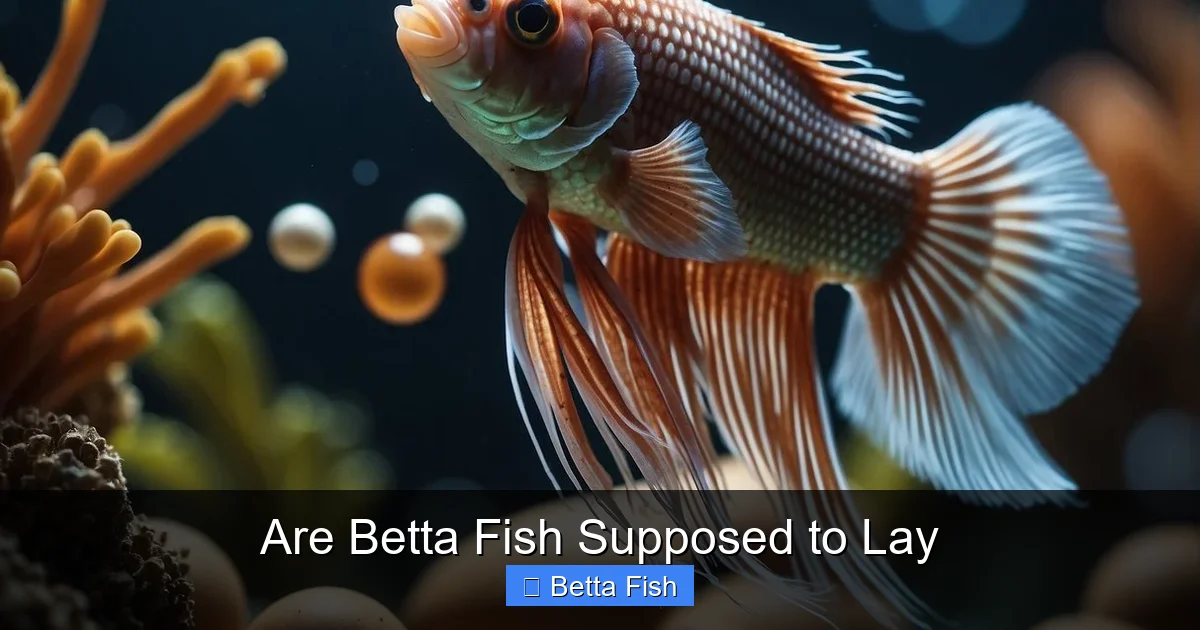
Betta fish do lay eggs, but only under specific conditions that mimic their natural breeding environment. Understanding the mating process, proper tank setup, and fry care will help you successfully raise healthy betta offspring.
Key Takeaways
- Betta fish lay eggs: Female bettas release a clutch of eggs that the male fertilizes.
- Triggering breeding: Warm water, proper lighting, and a spacious tank encourage spawning.
- Male’s role: The male builds a bubble nest and guards the eggs until they hatch.
- Fry care basics: Tiny fry need infusoria or specialized fry food and clean water.
- Common mistakes: Overcrowding, poor water quality, and feeding the wrong diet stop successful breeding.
- Gender matters: Knowing how to tell if a betta is male or female is crucial for pairing.
- Patience pays: Breeding can take weeks; observe behavior and be ready to intervene.
📑 Table of Contents
- Introduction: Why the Question Matters
- 1. The Biology Behind Egg‑Laying
- 2. Preparing the Perfect Breeding Environment
- 3. Recognizing the Signs: Are They About to Lay?
- 4. The Spawning Process Step‑by‑Step
- 5. Caring for Betta Fry
- 6. Common Challenges and How to Overcome Them
- Conclusion: Embrace the Journey
Introduction: Why the Question Matters
If you’ve ever watched a vibrant betta flare its fins and wondered, “are betta fish supposed to lay?” you’re not alone. Many hobbyists think of bettas as solitary showpieces, yet these fish have a fascinating reproductive cycle that involves egg‑laying, bubble nests, and dedicated parental care. Understanding this process not only satisfies curiosity but also equips you to create a thriving breeding setup.
In this guide we’ll walk through the biology of betta reproduction, the exact conditions that trigger spawning, step‑by‑step tank preparation, and how to raise the tiny fry to healthy juveniles. Along the way we’ll sprinkle practical tips—like how to tell if your betta is male or female—and link to related articles for deeper dives.
1. The Biology Behind Egg‑Laying
Male vs. Female Roles
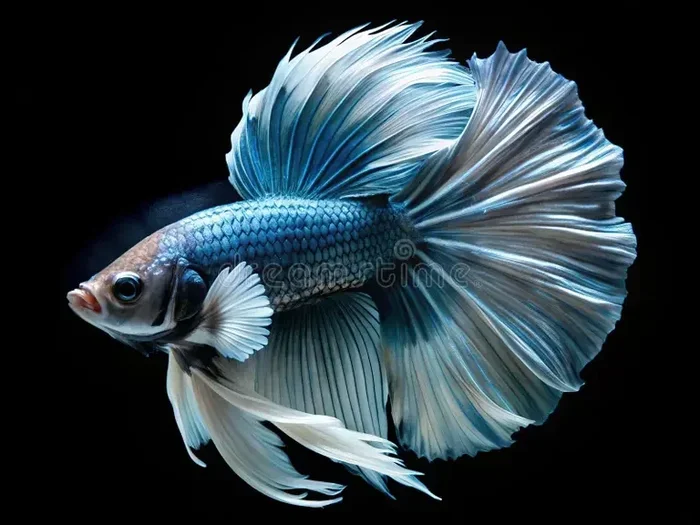
Betta fish are sexually dimorphic. Males display long, flowing fins and bright colors, while females have shorter fins and a more subdued hue. Only the female actually lays the eggs, but the male plays a vital role in fertilizing and protecting them.

Visual guide about Are Betta Fish Supposed to Lay
Image source: aquariadise.com
How Egg Production Works
When a female is ready to spawn, her ovaries release a clutch of 20‑200 eggs, depending on age, health, and water conditions. The eggs are sticky, allowing them to adhere to the male’s bubble nest or to surfaces in the tank. After fertilization, the male gathers the eggs into the nest, keeping them aerated and safe from mold.
When Do Betta Fish Lay Eggs?
Betta spawning is tied to temperature (around 78‑80°F or 25‑27°C), a slight increase in daylight, and a calm environment. In the wild, this coincides with the rainy season, which signals abundant food and safe conditions for the fry.
2. Preparing the Perfect Breeding Environment
Tank Size and Setup
A 5‑10 gallon tank is ideal for a breeding pair. Larger than a typical 2‑gallon “betta bowl,” this space gives the male room to build a sturdy bubble nest and prevents stress. Use a properly filtered tank with a gentle sponge filter to avoid strong currents that could disrupt the nest.
Visual guide about Are Betta Fish Supposed to Lay
Image source: aquarevolt.com
Water Parameters
- Temperature: 78‑80°F (25‑27°C)
- pH: 6.5‑7.5
- Hardness: 3‑4 dGH
Use a heater and a reliable thermometer. If you’re unsure about water quality, the article what water to use for betta fish offers detailed guidance.
Lighting and Day/Night Cycle
Provide 10‑12 hours of light daily using a low‑intensity LED. A consistent cycle mimics natural conditions and encourages breeding. Turn off the lights at night to let the male rest; bettas are not strictly nocturnal but do need darkness to recover.
Bubble Nest Essentials
Place a piece of smooth slate, a small piece of driftwood, or a leaf near the water surface. The male will attach bubbles to this surface. Adding a few live plants (see where to buy live plants for betta fish) can also give the male extra material for nest building.
3. Recognizing the Signs: Are They About to Lay?
Behavioral Clues
Watch for the following:

Visual guide about Are Betta Fish Supposed to Lay
Image source: japanesefightingfish.org
- Female displays a “vertical” posture, swimming head‑up with a slight “wobble.”
- Male flares fins and builds a bubble nest vigorously.
- Both fish become more active and may chase each other lightly.
Physical Indicators
A gravid (egg‑filled) female’s abdomen will appear rounded and slightly translucent. If you gently press the belly, you may see a faint bulge of eggs—be careful not to stress the fish.
Timing the Spawn
Once the male’s nest is complete, introduce the female. After a short courtship (usually 5‑30 minutes), the pair will engage in “nuptial embraces.” The female releases eggs, and the male immediately fertilizes them, collecting them into the nest.
4. The Spawning Process Step‑by‑Step
Step 1: Introduce the Pair
Place the female in a small breeder net or a separate container within the main tank. This allows the male to see her without direct contact. After a few minutes, gently release her into the tank.
Step 2: Courtship and Egg Release
The male will flare his gills and fins, performing a “dance.” When ready, he will wrap his body around the female, prompting her to release eggs. Expect 20‑200 eggs depending on the pair.
Step 3: Fertilization and Nesting
The male immediately gathers the sticky eggs, placing them into the bubble nest. He will continue to add bubbles and guard the nest for 24‑48 hours.
Step 4: Removing the Female
After spawning, gently remove the female to prevent her from eating the eggs. Use a net and place her in a separate quarantine tank.
Step 5: Egg Incubation
Eggs typically hatch in 48‑72 hours at optimal temperature. The male continues to fan the nest, keeping the eggs aerated and free from fungus.
5. Caring for Betta Fry
First Feeding: Infusoria
Newly hatched fry are too small for regular betta pellets. Feed them infusoria—tiny protozoa cultured from lettuce or yeast water. You can buy starter cultures online or grow your own.
Transition to Microworms
After 5‑7 days, introduce microworms. These are larger and provide essential protein for rapid growth.
Water Maintenance
Perform daily 20‑30% water changes with water that matches the tank’s temperature and parameters. Use a siphon to remove uneaten food and waste, preventing ammonia spikes that can harm fry.
Separating the Fry
When fry are large enough (about 5 mm), you can move them to a separate rearing tank to reduce competition. Keep the water conditions stable and continue feeding small amounts several times a day.
6. Common Challenges and How to Overcome Them
Fungus on Eggs
If you notice white, cotton‑like growth on eggs, gently remove the affected ones with a soft brush. Increase water flow slightly and add a few drops of a safe antifungal treatment.
Male Eats the Eggs
Sometimes the male may become stressed and eat the clutch. Ensure the tank is quiet, the temperature is stable, and the male has a fully formed bubble nest before spawning.
Low Hatch Rate
Check water temperature, pH, and ammonia levels. Also verify that the female was healthy and well‑fed before spawning.
Identifying Gender Mistakes
Pairing two males or two females will never result in egg‑laying. Use reliable methods to determine gender—see how to tell a betta fish gender for detailed tips.
Conclusion: Embrace the Journey
Answering the question “are betta fish supposed to lay” leads to a rewarding experience of witnessing nature’s tiny miracle. By providing the right water conditions, a proper tank setup, and attentive care, you can guide your betta pair through courtship, spawning, and fry rearing. Remember that patience and observation are key—each breeding attempt teaches you more about your fish’s preferences and needs.
Whether you aim to raise a single batch of healthy fry or plan a long‑term breeding program, the fundamentals remain the same: respect the fish’s natural instincts, maintain pristine water, and feed appropriately at every life stage. Happy breeding!
Frequently Asked Questions
Do all betta fish lay eggs?
Only female bettas lay eggs; males fertilize and guard them. A healthy, mature female will produce a clutch when conditions are right.
How many eggs does a female betta typically lay?
Clutch size varies from 20 to over 200 eggs, depending on the fish’s age, size, and overall health.
Can I keep the male and female together after spawning?
It’s best to remove the female right after the eggs are laid. The male may become aggressive or eat the eggs if left together.
What should I feed betta fry in the first week?
Start with infusoria, then transition to microworms after a few days. Keep feeding small amounts several times daily.
How long does it take for betta eggs to hatch?
At 78‑80°F, eggs usually hatch within 48‑72 hours. Warmer water can speed up development, but too high a temperature may reduce hatch rates.
Is breeding betta fish difficult for beginners?
With a proper setup and patience, beginners can successfully breed bettas. Understanding the signs of readiness and maintaining clean water are the biggest hurdles.