Are Betta Fish Safe to Put Your Fingers In
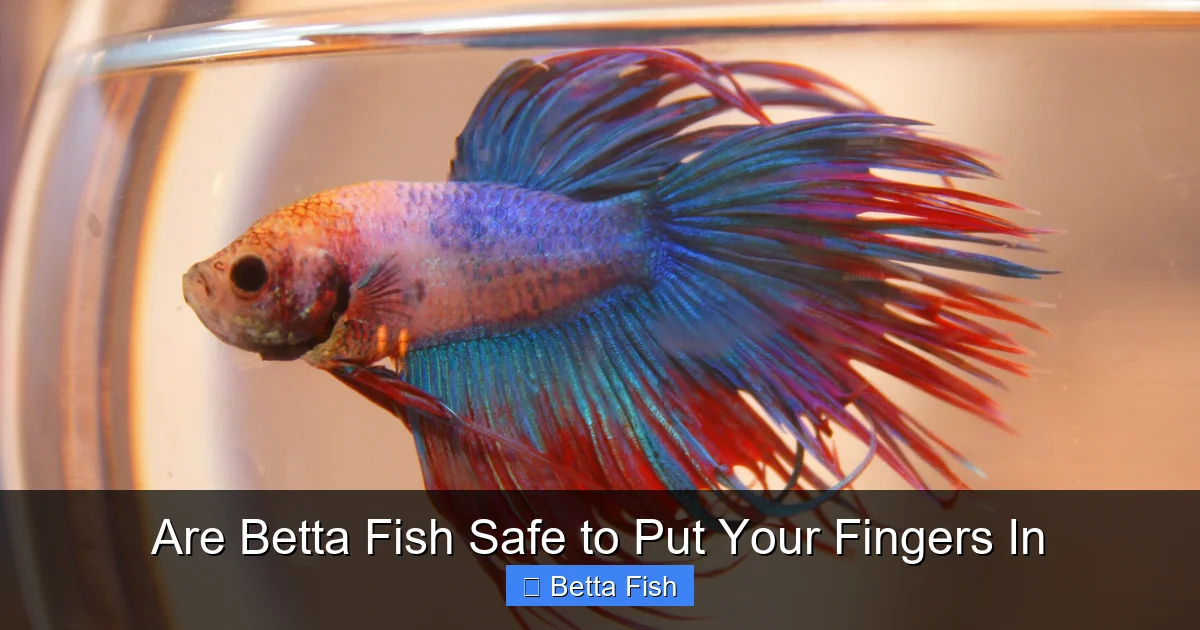
Betta fish are generally safe to touch, but proper technique matters. Use clean, wet hands, avoid stressing the fish, and always wash afterward to protect both you and your pet.
Key Takeaways
- Gentle, wet hands are safest: Moisture protects the fish’s delicate slime coat.
- Stress can harm bettas: Rough handling may cause disease or injury.
- Hand hygiene matters: Wash hands before and after contact to prevent pathogen transfer.
- Observe behavior: A happy betta will briefly tolerate touch; a scared one will flee.
- Use handling only when needed: For tank maintenance, health checks, or short bonding moments.
- Know the risks of over‑handling: Frequent touching can lead to fin rot or dropsy.
- Alternative interaction: Use a net or a clean container for safer transfers.
📑 Table of Contents
- Introduction: Why the Question Pops Up
- Understanding Betta Physiology: The Slime Coat
- When Is It Safe to Touch Your Betta?
- Step‑by‑Step Guide: How to Safely Put Your Finger in the Tank
- Common Mistakes and How to Avoid Them
- Health Benefits of Proper Handling
- When to Skip the Touch
- Alternative Interaction Tools
- Conclusion: A Balanced Approach
Introduction: Why the Question Pops Up
When you first bring a betta fish home, it’s natural to want to reach in and say hello. The bright colors and flowing fins invite a gentle touch, and many owners wonder, are betta fish safe to put your fingers in? The short answer is yes—if you follow a few simple rules. In this article we’ll explore the science behind betta skin, the risks of improper handling, and step‑by‑step tips for safe, stress‑free interaction.
We’ll also link you to related guides, like How To Put Betta Fish In Tank and When To Put Betta Fish In New Tank, so you can feel confident every time you reach into the water.
Understanding Betta Physiology: The Slime Coat
What is the slime coat?
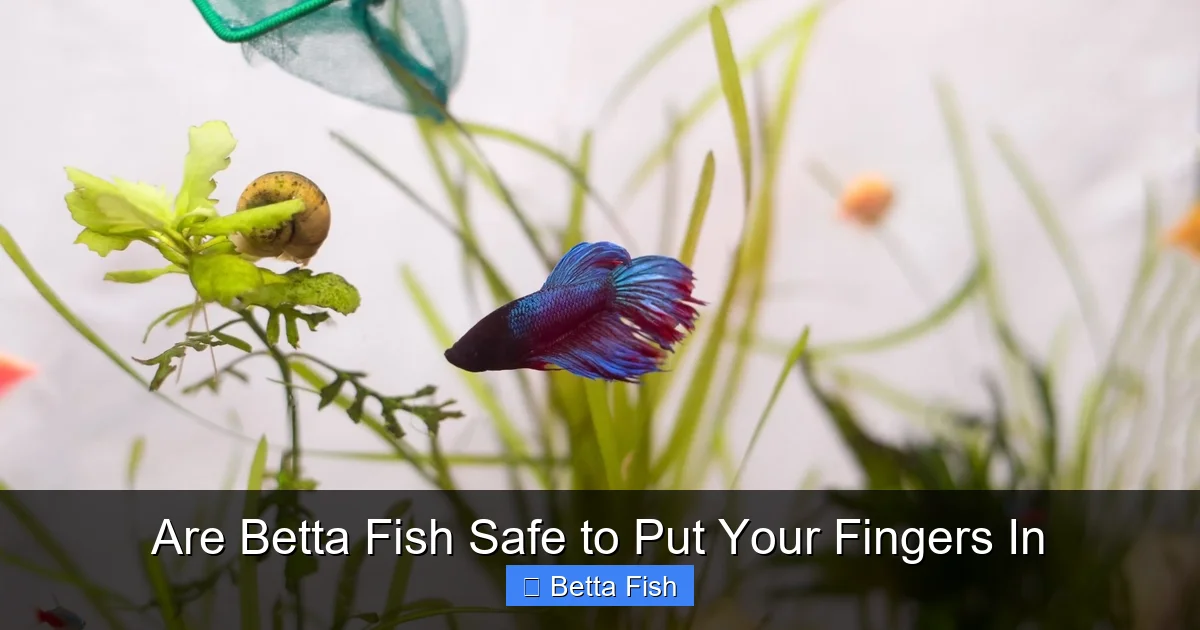
The slime coat is a thin, protective mucus layer that covers a betta’s skin and scales. It acts like a natural antibiotic, keeping harmful bacteria at bay. When you touch a betta with dry hands, you can strip away this coat, leaving the fish vulnerable to infection.
Visual guide about Are Betta Fish Safe to Put Your Fingers In
Image source: thesprucepets.com
How does the slime coat respond to water?
Water that matches the tank’s temperature and pH helps maintain the slime’s integrity. That’s why the best practice when you are betta fish safe to put your fingers in the water is to first wet your hands. A wet hand acts as a bridge, preventing the slime from drying out.
When Is It Safe to Touch Your Betta?
Routine health checks
During a weekly health check, gently placing a finger in the water to feel for abnormal swelling or missing fins is acceptable. Keep the touch brief—no longer than a few seconds.

Visual guide about Are Betta Fish Safe to Put Your Fingers In
Image source: i.pinimg.com
Tank cleaning and maintenance
When you need to move a betta for a partial water change, use a clean, wet hand or a soft net. The fish will often swim onto your finger if you move slowly and keep the water level steady.
Bonding moments
Some bettas enjoy short, calm contact. If your fish swims up to you when you hover a finger near the surface, you can let it rest on your fingertip for a few seconds. Watch for signs of stress, such as rapid gill movement or darting away.
Step‑by‑Step Guide: How to Safely Put Your Finger in the Tank
1. Prepare your hands
- Wash hands with mild soap and rinse thoroughly.
- Dry them with a lint‑free towel.
- Wet your fingertips in tank water for at least 5 seconds.
2. Approach calmly
- Move slowly; sudden movements can startle the fish.
- Keep the tank light dim to reduce stress.
- Position your hand near the surface, not directly above the betta.
3. Offer a gentle invitation
- Let the betta swim up on its own. Do not push.
- If the fish hesitates, give it more time.
4. Hold briefly
- Allow the betta to rest on your fingertip for 2–3 seconds.
- Support its body lightly; avoid squeezing.
- Observe its behavior—if it flicks its tail or flares fins, gently release it.
5. Release and clean up
- Slowly lift your hand, allowing the fish to swim away.
- Rinse your hands again before touching anything else.
Common Mistakes and How to Avoid Them
Dry hands
Dry fingers strip the slime coat. Always wet your hands first.

Visual guide about Are Betta Fish Safe to Put Your Fingers In
Image source: diyseattle.com
Over‑handling
Frequent touching can cause chronic stress, leading to conditions like fin rot or dropsy. If you notice any of these issues, see How To Treat Dropsy In Betta Fish for recovery steps.
Using harsh chemicals
Avoid hand sanitizers or soaps with antibacterial agents right before handling. They can linger on your skin and irritate the fish.
Cold water shock
Never touch a betta with water that is significantly colder or warmer than the tank. Temperature shock can be fatal.
Health Benefits of Proper Handling
Early detection of disease
When you regularly feel your betta, you can spot lumps, discoloration, or fin damage early. Early intervention improves survival rates.
Strengthening the bond
Gentle, occasional contact can make a betta more comfortable around you, reducing stress during necessary procedures.
Improved tank hygiene
Handling gives you a chance to check water flow, plant health, and tank cleanliness without relying solely on visual cues.
When to Skip the Touch
Signs of stress
If your betta is hiding, gasping at the surface, or displaying clamped fins, avoid contact until it calms down.
Illness or injury
During illnesses like fin rot (How To Cure Fin Rot In Betta Fish) or swim bladder disease, limit handling to prevent worsening the condition.
Breeding season
Male bettas become highly territorial when displaying for mates. Touching them can trigger aggression.
Alternative Interaction Tools
Soft nets
Use a fine, soft‑mesh net to move bettas without direct finger contact. This is especially useful for larger tanks.
Transfer containers
When relocating a fish, a small, clean container filled with tank water is the safest option.
Conclusion: A Balanced Approach
So, are betta fish safe to put your fingers in the water? Yes—provided you respect their delicate slime coat, keep your hands wet, and limit the duration of contact. By following the steps outlined above, you can enjoy brief, stress‑free bonding moments while safeguarding your betta’s health. Remember to wash your hands before and after, observe your fish’s behavior, and use alternative tools when needed. With these practices, you’ll build a trusting relationship and keep your colorful companion thriving for years to come.
Frequently Asked Questions
Can I touch my betta every day?
Occasional, brief contact is fine, but daily handling can cause stress. Limit touch to once or twice a week unless your fish shows it enjoys the interaction.
What should I do if my betta gets stressed after I touch it?
Return the fish to the water gently, give it a few minutes to settle, and observe for signs of lingering stress. Reduce future handling and ensure water parameters are optimal.
Do I need to wear gloves when handling bettas?
Gloves are not necessary if you keep your hands clean and wet. However, if you have sensitive skin or are handling a sick fish, a soft, clean glove can add a layer of protection.
Is it safe to let my betta rest on my fingertip for longer than five seconds?
Short rests are okay, but longer periods increase the risk of slime coat damage and stress. Keep contact under five seconds whenever possible.
Can handling my betta help prevent diseases?
Regular, gentle handling lets you spot early signs of disease, which can lead to quicker treatment. It does not prevent disease on its own; proper tank maintenance is essential.
What’s the best way to clean my hands after touching a betta?
Wash with mild soap and warm water, rinse thoroughly, and dry with a clean towel. This removes any bacteria that could be transferred back to the tank.