Can Tadpoles Eat Betta Fish Food

While tadpoles might physically consume betta fish food, it is generally not recommended and can be harmful to their health. Betta food is formulated for high-protein, carnivorous fish, while tadpoles, especially in early stages, are primarily herbivores with different digestive systems. Feeding betta pellets or flakes to tadpoles can lead to digestive distress, poor water quality, and nutritional imbalances. The safest approach is to use foods specifically designed for tadpoles or natural, plant-based alternatives like boiled lettuce, algae wafers, or finely chopped greens.
So, you’ve got a tank of wiggly, fascinating tadpoles. Maybe they’re from a local pond, a science kit, or you’re raising them to become frogs. You’re doing your best to care for them, and then you glance at your betta fish’s food container. It’s right there. Pellets. Flakes. It’s fish food, and tadpoles are aquatic babies. Can it really be that bad? The short, crucial answer is: yes, it can be very bad. While a tadpole might peck at a sinking betta pellet, consistently feeding them this food is a recipe for health problems, poor water quality, and stunted growth. This guide will dive deep into the “why” behind that warning, explore the specific dietary needs of tadpoles at different life stages, and provide you with clear, safe, and effective feeding strategies to help your tadpoles thrive on their journey to becoming frogs.
Key Takeaways
- Nutritional Mismatch: Betta fish food is excessively high in protein and animal-based ingredients for most tadpoles, whose natural diets are largely herbivorous.
- Digestive Danger: Tadpoles lack the enzymes to properly process rich betta food, which can cause constipation, bloating, and potentially fatal internal blockages.
- Water Quality Killer: Betta food pellets are too dense and do not dissolve quickly, polluting the water with ammonia as they decay, which is toxic to sensitive tadpoles.
- Developmental Stage Matters: Very young, limbless tadpoles are almost exclusively herbivores; only later-stage, omnivorous species might tolerate minimal animal protein.
- Safer Alternatives Abound: Optimal tadpole foods include commercial tadpole bites, boiled leafy greens, spirulina flakes, and blanched zucchini or cucumber.
- Size is Critical: Any food offered must be fine enough for a tadpole’s tiny mouth; betta pellets are always far too large and must be crushed if used at all (not recommended).
- Observation is Key: Always watch for uneaten food and monitor tadpole behavior and appearance; any signs of distress require an immediate diet review.
📑 Table of Contents
What’s Actually in Betta Fish Food?
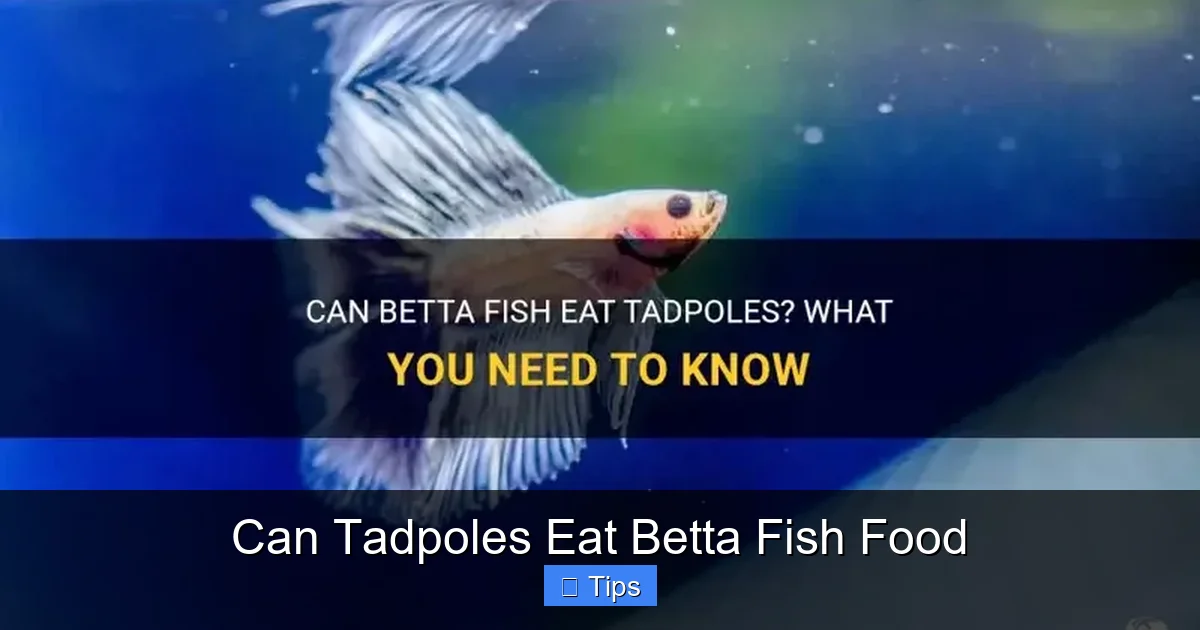
To understand why betta food is a poor match for tadpoles, we first need to dissect what’s in it. Betta fish, or Siamese fighting fish, are carnivores by nature. In the wild, they eat insects, larvae, and tiny crustaceans. Commercial betta foods are engineered to replicate this high-protein diet.
The Protein-Packed Composition
A typical betta pellet or flake will have a protein content ranging from 40% to 50% or even higher. The primary ingredients are often fish meal, shrimp meal, krill, squid, and various animal-based binders. This formulation supports the betta’s vibrant colors, long flowing fins, and energetic, predatory behavior. It is a dense, rich, fatty food designed for a fish with a short, acidic digestive tract built for meat.
The Form and Problem of Pellets
Betta pellets are specifically sized for a betta’s small mouth—but that’s still much larger than a tadpole’s. They are dense, slow-dissolving, and designed to sink slowly. For a tadpole, this presents two immediate issues: the physical size is a choking hazard or simply inedible, and if a tadpole manages to nibble a piece, it’s a concentrated bolus of protein that will sit in its gut, decaying and causing immense trouble.
The Ever-Changing Diet of a Tadpole
Calling all tadpoles “herbivores” is an oversimplification. Their diet is a dramatic story of metamorphosis, shifting dramatically as they grow legs, absorb their tails, and develop lungs. Feeding them correctly means understanding which chapter of that story your tadpoles are in.
Visual guide about Can Tadpoles Eat Betta Fish Food
Image source: petshun.com
The Early Stage: Herbivore Specialists
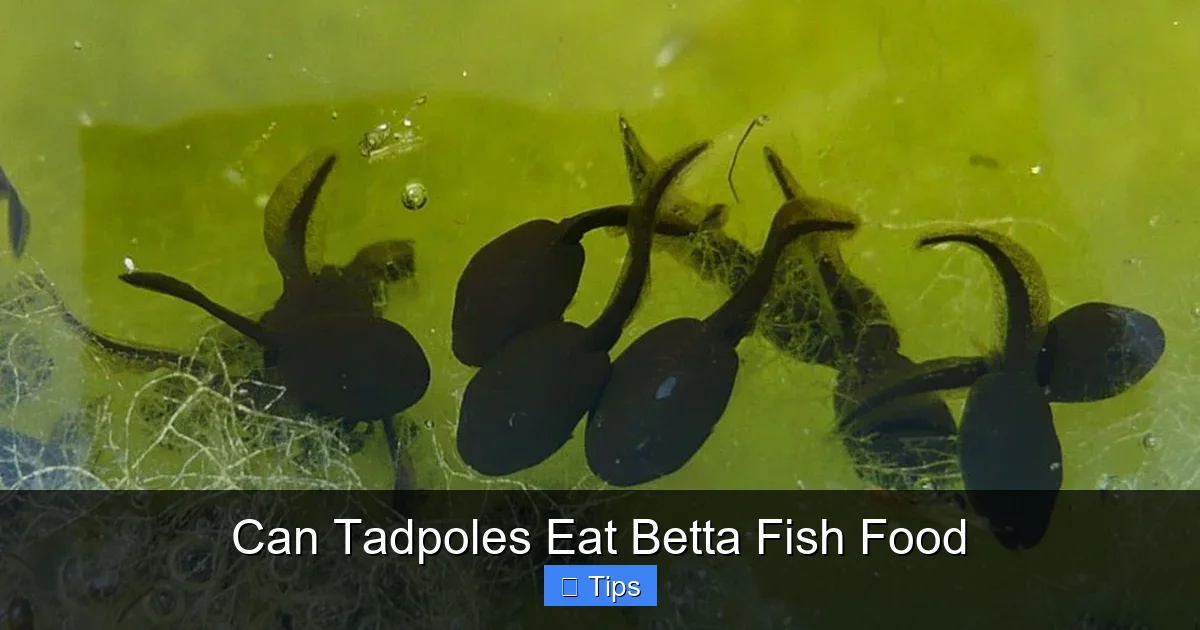
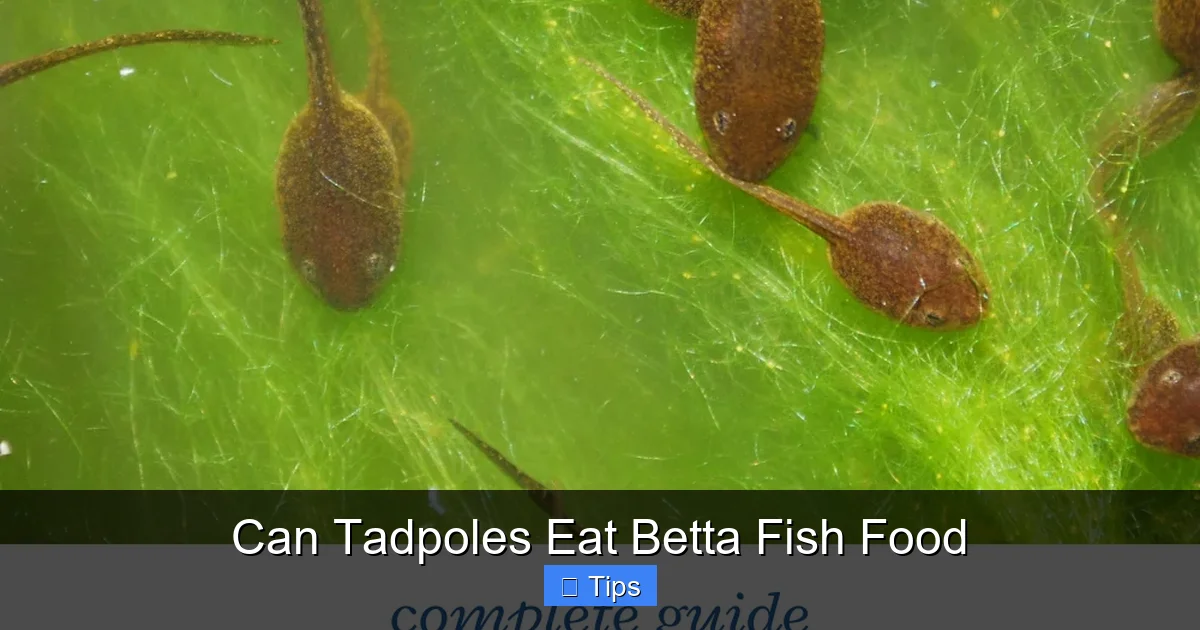
For the first several weeks of life, most common tadpoles (like those of bullfrogs, green frogs, and leopard frogs) are almost exclusively herbivores. Their tiny, simple intestines are long and designed to ferment plant material. In a pond, they would scrape algae, biofilm, and decaying plant matter from surfaces. Their primary nutritional needs are for soft plant fibers, some carbohydrates, and micronutrients from algae. At this stage, their system is completely unprepared for animal protein.
The Transition: Becoming Omnivores
As hind legs begin to bud and develop (a stage often called “tadpole with legs” or “froglet”), many species start to shift. Their digestive system shortens slightly, and they begin to exhibit omnivorous tendencies. They might start snapping at tiny water insects, dead bugs that fall in, or even smaller, weaker tadpoles. This is a gradual change. The proportion of plant material to animal protein varies wildly by species. Some, like the Spadefoot toad, become more carnivorous quickly, while others remain largely plant-eaters until their tails are nearly gone.
The Froglet Stage: Carnivore Emergence
Once front legs emerge and the tail is being resorbed, the diet shifts decisively towards carnivory. The animal is now a small frog, and its nutrition must support rapid muscle and organ development. This is the only stage where a *tiny* amount of high-protein food *might* be considered, but even then, it must be appropriate for a tiny amphibian, not a fish.
The Specific Dangers of Feeding Betta Food
Now we connect the dots. You have a food (betta pellets) designed for a carnivorous fish, and you want to give it to an animal whose digestive system is, for a large part of its life, that of a herbivore. The consequences are not subtle.
Visual guide about Can Tadpoles Eat Betta Fish Food
Image source: i.pinimg.com
Digestive Distress and Internal Blockage
Tadpoles lack the pepsin and hydrochloric acid concentration of a true carnivore. A dense, fatty betta pellet is a monumental task to digest. It can swell in their gut, cause severe constipation, and lead to a condition called “dropsy” where fluid builds up. In the worst cases, undigested pellet matter can compact and cause a fatal intestinal blockage. You might see tadpoles with swollen, puffy abdomens, lethargy, and a loss of appetite—classic signs of digestive failure.
Water Quality Degradation
This is a silent killer. Betta pellets are not formulated to dissolve rapidly in a small, frequently changed tadpole container. They can sit on the bottom for hours. As they break down, they release a massive load of ammonia and other nitrogenous wastes. Tadpoles are extremely sensitive to ammonia and nitrites. Even a small spike can burn their gills, stress their immune systems, and lead to mass die-offs. You are essentially adding solid fish waste directly into their home.
Nutritional Imbalances
Even if a tadpole could digest it, a diet based on betta food would be wildly unbalanced. It would be deficient in the roughage and specific vitamins/minerals from aquatic plants that tadpoles need. The excessive protein would be converted to waste, further polluting the water and forcing the tadpoles’ primitive kidneys to work overtime. Long-term, this leads to poor growth, developmental abnormalities, and a weakened constitution.
What to Feed Tadpoles Instead: Safe & Nutritious Options
Feeding tadpoles doesn’t have to be complicated. The best foods are natural, plant-based, and appropriately sized. Here is a hierarchy of excellent choices, from easiest to most involved.
Commercial Tadpole & Algae Foods
Look for products specifically labeled for “tadpoles,” “amphibian larvae,” or “algae eaters.” These are usually fine powders, small crumbles, or dissolving tablets. Brands like Hikari or Sera offer algae wafers or shrimp-based foods that are finely ground and appropriate for the omnivorous later stages. Always check the ingredients: the first few should be algae, spirulina, or plant proteins, not fish meal.
The Boiled Leafy Green Method (The Gold Standard)
This is the time-tested, virtually free, and incredibly effective method for herbivorous tadpoles.
- What to use: Organic romaine lettuce, spinach, or kale. Avoid iceberg lettuce (no nutrition).
- Preparation: Wash thoroughly. Boil for 2-3 minutes to soften the cellulose and sterilize it. Let it cool, then squeeze out excess water. You can tear it into small pieces or leave a whole leaf.
- Serving: Place a small piece (a 1-inch square for a small container) on the bottom. It will sink and slowly break down, providing food for days. Remove any large, uneaten remnants after 24-48 hours.
Other Fantastic Natural Foods
Variety is great. You can also offer:
- Blanched Zucchini/Cucumber: Thin slices, boiled or microwaved for 30 seconds until soft.
- Algae Wafers: For larger, later-stage tadpoles. Break a tiny piece off.
- Spirulina Powder: A superfood for aquatic herbivores. A tiny pinch sprinkled on the water surface.
- Hard-Boiled Egg Yolk: For a *very occasional* protein boost for late-stage omnivores. Use a fine mesh to crumble a tiny amount into the water. It clouds the water badly, so use sparingly and with frequent water changes.
Practical Feeding Guidelines & Tips
Knowing *what* to feed is only half the battle. *How* and *how much* are equally critical for tadpole survival.
Visual guide about Can Tadpoles Eat Betta Fish Food
Image source: i.pinimg.com
The “Less is More” Rule
This is the cardinal rule of tadpole care. Tadpoles have tiny stomachs and slow metabolisms. Overfeeding is the number one cause of water pollution and death. A good rule: feed an amount that is completely consumed within 1-2 hours. For the boiled lettuce method, one small leaf per 5-10 tadpoles in a small container is often plenty for 2-3 days. When in doubt, feed less.
Sizing Matters: Fine is Fine
Any food particle must be smaller than the tadpole’s head. If you can see it as a distinct piece, it’s probably too big. Powdered foods, softened greens that fall apart easily, and crushed algae wafers are safe. Never drop a whole pellet or large flake in.
Schedule and Observation
Feed once daily, or every other day for very young tadpoles. The best time is during the day when they are most active. After feeding, watch them. Do they swarm the food? Does it disappear? Are any individuals ignoring it? Are there leftovers? Your observations will tell you if you need to adjust the quantity. Uneaten food must be removed promptly with a siphon or net.
Water Changes are Non-Negotiable
Even with perfect feeding, tadpoles produce waste. Perform partial water changes (25-50%) every 2-3 days with dechlorinated water at the same temperature. This dilutes any ammonia and keeps the water pristine. A clean tank is more important than perfect food.
Special Cases: Species-Specific Considerations
Not all tadpoles are created equal. If you know the species of your tadpoles, you can fine-tune their diet.
Herbivore-Specific Tadpoles
Species like the American Bullfrog (Lithobates catesbeianus) and Green Frog (Lithobates clamitans) are staunch herbivores until very late. Stick strictly to plant-based foods for these. Animal protein will harm them.
Omnivore/Carnivore-Trending Tadpoles
Tadpoles of toads (like American Toad, Anaxyrus americanus) and some frogs (like Wood Frog, Lithobates sylvatica) will show interest in animal protein earlier. For these, once they have developed hind legs and are actively hunting, you can introduce *tiny* amounts of appropriately sized food. Options include:
- Microworms or vinegar eels (live cultures, excellent for tiny mouths).
- Finely crushed, high-quality tropical fish flake (not betta-specific).
- A single, tiny piece of bloodworm or daphnia, minced to a paste.
Even for these, plant-based foods should remain the staple. The key is research: a quick search for “[Your Tadpole Species] tadpole diet” will yield the best results.
Frequently Asked Questions
Can I use betta food for tadpoles in an emergency if I have nothing else?
In a short-term emergency (24 hours), you could crush a single betta pellet to a fine powder and offer a microscopic amount, but it carries risk. The priority should be obtaining proper food (boiled lettuce) as soon as possible. Do not make this a habit.
Do all tadpoles eat the same thing?
No. Their diet changes dramatically with their life stage. Young tadpoles are almost always herbivores, while older ones with legs may become omnivores. The specific species also matters; some are more carnivorous than others. Always research your tadpoles’ natural history.
How often should I feed my tadpoles?
For young, herbivorous tadpoles, feeding once every day or every other day is sufficient. Feed only what they can consume in 1-2 hours. As they metamorphose into froglets and their diet shifts, you may need to feed slightly more frequently, but the principle of careful portioning remains.
What are the signs that my tadpoles are sick from bad food?
Look for swollen, puffy abdomens (constipation or dropsy), lethargy, floating motionless at the surface, a lack of appetite, frayed or decaying tail edges, and excessive mucus production. If you see these, immediately stop feeding, perform a large water change, and switch to a clean, boiled lettuce diet.
Can I make my own tadpole food?
Absolutely. The boiled leafy green method is a form of homemade food. You can also create a slurry: blend boiled spinach or lettuce with a little tank water, pour it into an ice cube tray, freeze it, and add one small cube to the tank daily. This provides consistent, portion-controlled nutrition.
When do tadpoles stop eating like tadpoles?
They transition as they become froglets. Once their front legs appear and their tail starts to shrink significantly (resorption), they will stop grazing on algae and plants. At this point, they will actively hunt for small insects and should be offered appropriately sized live or frozen foods like tiny crickets, fruit flies, or microworms.