Can Tadpoles Eat Betta Fish Food
No, tadpoles should not eat betta fish food. Betta food is formulated for carnivorous fish with very high protein content, while most tadpoles are primarily herbivores with completely different nutritional needs. Feeding betta pellets or flakes to tadpoles can lead to severe digestive blockages, dangerous water pollution from undigested protein, and critical nutritional deficiencies that stunt growth or cause death. Instead, tadpoles require a diet rich in plant matter and algae, such as boiled lettuce, spinach, or specialized tadpole food, to support their healthy development from aquatic larvae to froglets.
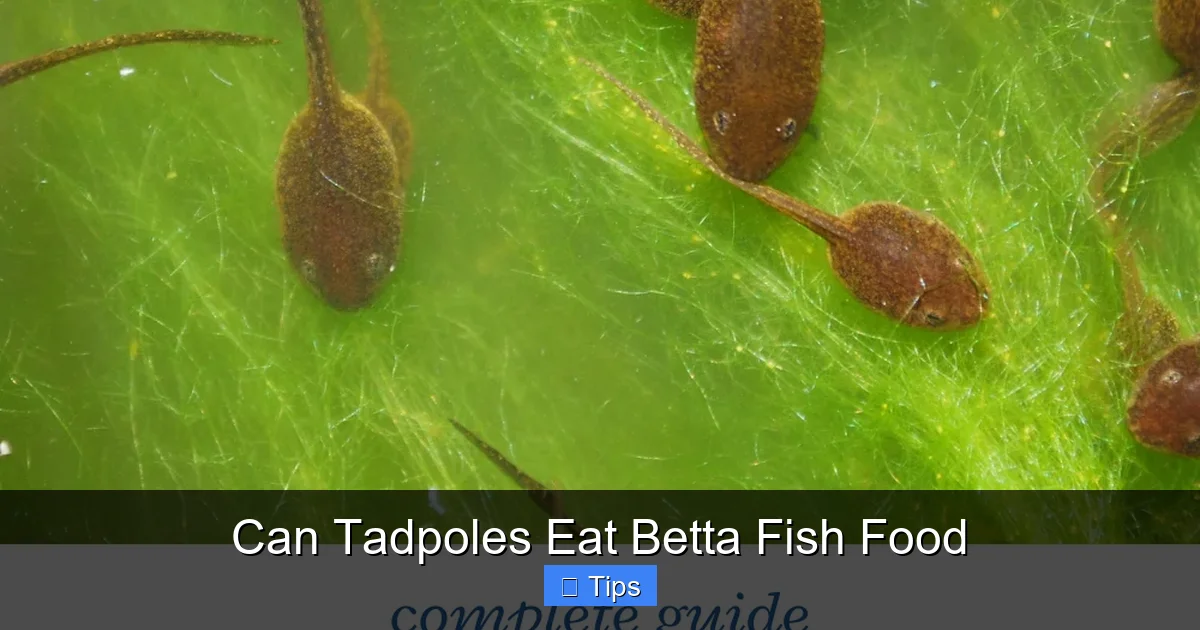
You’ve got a tank of wriggling, fascinating tadpoles. Maybe they’re from a local pond, a science project, or you’re raising them to release as frogs. You’re also a fish keeper, and right next to the tadpole tank sits your betta setup with its colorful pellets and high-protein flakes. A logical question pops up: can tadpoles eat betta fish food? It’s on hand, it’s food, and the little swimmers seem curious. It’s a common thought, but it’s one of the most dangerous dietary mistakes you can make for your tadpoles. The short, emphatic answer is no—absolutely not. But to understand why, we need to dive into the vastly different worlds of a carnivorous tropical fish and a mostly herbivorous amphibian larva. This isn’t just about preference; it’s about fundamental biology, digestive anatomy, and water chemistry. Using the wrong food doesn’t just mean a picky eater; it can trigger a swift and tragic decline in your tadpole population. Let’s break down exactly what happens when betta food meets a tadpole, and what you should be feeding instead to raise healthy, thriving frogs.
Key Takeaways
- Betta food is nutritionally inappropriate: It is designed for carnivorous betta fish with 40-50%+ protein, while tadpoles (especially in early stages) are herbivores needing far less protein and more fibrous plant material.
- High risk of digestive impaction: The dense, hard pellets of betta food can easily cause fatal blockages in a tadpole’s simple digestive tract, which is adapted to soft algae and decaying vegetation.
- It poisons the water: Excess protein from uneaten or undigested betta food breaks down into toxic ammonia and nitrites, rapidly degrading water quality and harming or killing tadpoles.
- Causes nutritional deficiency: A diet of betta food lacks essential vitamins, minerals (like calcium), and dietary fiber tadpoles need for proper bone development, gut health, and metamorphosis.
- Safe alternatives are simple and cheap: Ideal tadpole foods include boiled and cooled romaine lettuce, spinach, cucumber, algae wafers, or commercial tadpole pellets—all easy to prepare and nutritionally balanced.
- Diet changes with development: As tadpoles develop legs and approach metamorphosis, their diet can gradually include more protein (like boiled egg yolk or insect larvae), but betta food remains unsuitable due to its formulation.
- Observation is critical: Always monitor tadpoles during feeding. Remove all uneaten food within an hour to prevent water contamination, and watch for signs of distress like lethargy or bloating.
📑 Table of Contents
- Understanding the Tadpole: A Herbivore in an Aquatic World
- What’s Really in Betta Fish Food? A Carnivore’s Power Meal
- The Dangerous Nutritional Mismatch: Why Betta Food Harms Tadpoles
- Safe and Suitable Food Alternatives: The Right Diet for Healthy Tadpoles
- A Practical Guide: How to Feed Your Tadpoles for Success
- Conclusion: Patience and Proper Care Rewards the Observer
Understanding the Tadpole: A Herbivore in an Aquatic World
Before we critique betta food, we must first become experts on the tadpole’s natural diet. A tadpole is not a miniature frog. It is a specialized larval stage with one primary mission: eat and grow. Its body is a machine built for processing a very specific type of food.
The Natural Wild Diet: Algae, Detritus, and Soft Plants
In a pond, stream, or quiet ditch, a tadpole’s menu is simple. It scrapes algae off rocks with its keratinized mouthparts (a horny, beak-like structure). It consumes decaying leaf litter (detritus) and the microscopic organisms living within it. It nibbles on soft, tender aquatic plants and biofilm. This diet is overwhelmingly plant-based and high in fiber. The protein content comes mainly from the algae itself and the tiny invertebrates accidentally ingested with the detritus. This herbivorous tendency is most pronounced in the early and mid-larval stages of most common species like the American Bullfrog, Green Frog, or Leopard Frog.
Developmental Stages Dictate Dietary Shifts
Tadpole nutrition isn’t static. It evolves as they do:
- Stage 1 (Newly Hatched): They may not eat for the first few days, surviving on their yolk sac. When they start, they need extremely fine, soft foods—think infusoria or a slurry of boiled lettuce.
- Stage 2 (Active Herbivore): This is the long, growing period. Their gut is long and complex, designed to ferment fibrous plant material. They require constant grazing. Protein needs are relatively low (often cited around 20-30% of dry matter), but they need ample vitamins, minerals (especially calcium for bone growth), and cellulose for digestive motility.
- Stage 3 (Metamorphosis – The Omnivore Shift): As hind legs, then front legs appear, and the tail begins to resorb, the tadpole undergoes a dramatic internal change. The gut shortens significantly, the mouth widens, and digestive enzymes shift. They begin to crave more protein to fuel the energy-intensive transformation into a carnivorous frog. At this point, they might actively hunt small insect larvae or accept protein-rich foods like boiled egg yolk. However, even this stage is not an invitation for high-fat, high-protein fish food.
What’s Really in Betta Fish Food? A Carnivore’s Power Meal
Now, let’s look at the other side of the equation. Betta splendens, the Siamese fighting fish, is a surface-dwelling predator. In the wild, it eats mosquito larvae, brine shrimp, small crustaceans, and insect hatches. Its commercial food is engineered to replicate this high-protein, high-fat diet.
Visual guide about Can Tadpoles Eat Betta Fish Food
Image source: petshun.com
Typical Ingredient List and Nutritional Profile
Read any betta pellet or flake label. The first three ingredients are almost always some form of animal protein: fish meal, shrimp meal, squid meal, or krill. These are followed by binders, some plant matter (like wheat flour or spirulina algae—often a tiny percentage), and a host of vitamins and minerals. The guaranteed analysis will show:
- Crude Protein: Minimum 40%, and often 45-50% or higher in premium foods.
- Crude Fat: Minimum 5-8%, providing dense energy.
- Crude Fiber: Maximum 5% or less. This is the critical point. Tadpoles need high fiber; betta food is deliberately low in it.
- Moisture: Usually 10% or less in pellets, making them very dense and hard.
Formulated for a Different Digestive System
A betta’s stomach is acidic and short, designed for quick digestion of meaty foods. Its pancreas produces proteases (protein-digesting enzymes) in abundance. A tadpole’s gut is long, alkaline in parts, and hosts bacteria to ferment cellulose. Feeding it a food packed with concentrated animal protein is like putting diesel in a gasoline car—it’s the wrong fuel for the engine. The tadpole’s system cannot efficiently process it.
The Dangerous Nutritional Mismatch: Why Betta Food Harms Tadpoles
Putting these two dietary profiles side-by-side reveals a catastrophic mismatch. Let’s detail the specific ways betta food damages tadpoles.
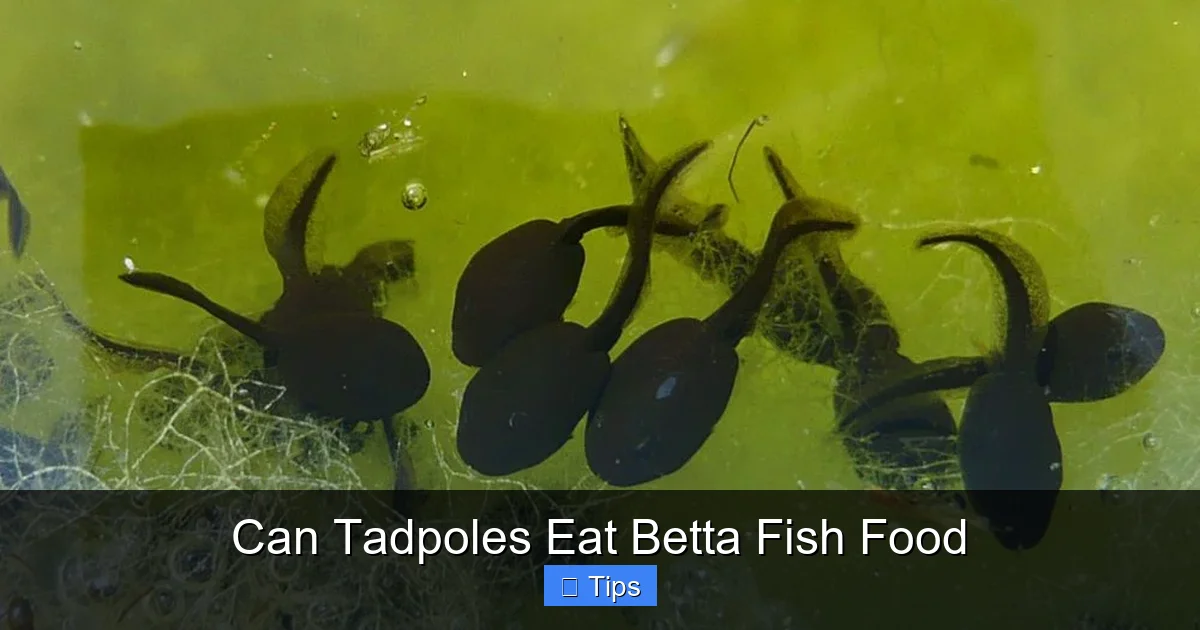
Visual guide about Can Tadpoles Eat Betta Fish Food
Image source: i.pinimg.com
1. Digestive Catastrophe: Impaction and Constipation
Betta pellets are hard, dense, and expand when wet. A tadpole’s tiny mouth and esophagus can ingest them, but its simple, herbivore-adapted gut cannot move them along effectively. The result is impaction—a physical blockage. The tadpole stops eating, becomes lethargic, bloats, and dies. Even if the pellet breaks down, the high protein and low fiber cause severe constipation. You’ll see tadpoles with swollen, clear abdomens, straining and unable to pass waste. This is a painful, slow death.
2. Water Quality Poisoning: The Ammonia Time Bomb
Tadpoles are messy eaters. They will nibble at a betta pellet but cannot consume it all. The uneaten portion sits in the water, rapidly decomposing. But the bigger issue is what they do eat. Their digestive system isn’t equipped to metabolize the high levels of animal protein. Much of it passes through undigested or is broken down incompletely, releasing nitrogenous waste (ammonia) directly into the water via their gills and skin. A single betta pellet in a 5-gallon tadpole tank can cause a dangerous spike in ammonia within hours, burning their sensitive gills and leading to rapid mortality. You’d be essentially dosing your tank with liquid waste.
3. Starvation in the Midst of Plenty: Nutritional Deficiency
Even if a tadpole somehow survives the digestion and water quality issues, it is being slowly starved of essential nutrients. Its body is screaming for calcium to build bones, Vitamin A for development, and cellulose to keep its gut moving. Betta food is rich in protein and fat but poor in these critical components. The result is metabolic bone disease (soft, deformed limbs and spine), poor growth rates, weakened immune systems, and failure to complete metamorphosis. They may appear to be eating but are effectively malnourished.
Safe and Suitable Food Alternatives: The Right Diet for Healthy Tadpoles
The good news is that feeding tadpoles correctly is incredibly inexpensive and easy. Their ideal diet is based on things you likely already have in your kitchen or can get for a few dollars.
Visual guide about Can Tadpoles Eat Betta Fish Food
Image source: i.pinimg.com
Foundational Foods: The Lettuce and Spinach Method
The gold standard for most herbivorous tadpoles is boiled leafy greens. Use romaine lettuce, green leaf lettuce, or spinach. Do not use iceberg lettuce—it has virtually no nutritional value.
- Preparation: Boil the leaves for 2-3 minutes to soften the cellulose and sterilize them. Let them cool completely, then chop into tiny, tadpole-sized strips (about the size of their head or smaller). You can freeze these in ice cube trays for easy, portioned feeding.
- Feeding: Add a small pinch to the tank. They will graze on it for hours. Remove any uneaten portions after 24 hours to prevent decay.
Commercial Options: Tadpole Pellets and Algae Wafers
For convenience and guaranteed nutrition, buy specialized tadpole pellets from reputable aquarium or amphibian supply companies (e.g., Hikari Tadpole Chow, Repashy Superfoods). These are formulated with the correct protein-to-fiber ratio and added minerals. Algae wafers (for plecos or otocinclus) are also an excellent, slow-sinking supplement that provides natural algae nutrition.
Supplemental & Transition Foods
As they near metamorphosis, you can offer:
- Blanched zucchini or cucumber (peeled, seeded, and sliced thin).
- Boiled egg yolk (a tiny, crumbled piece) for a protein boost. Use sparingly—it fouls water fast.
- Infusoria or microworms for very early hatchlings.
- Live or frozen daphnia (brine shrimp are too large for most tadpoles) for late-stage tadpoles ready for the carnivore transition.
Never use betta food, turtle pellets, cat food, or generic tropical fish flakes. These are all protein bombs for an animal that needs a salad.
A Practical Guide: How to Feed Your Tadpoles for Success
Knowing what to feed is only half the battle. How and when you feed are equally crucial for a thriving tadpole colony.
Portion Control: The “Gut-Sized” Rule
A common mistake is overfeeding. The rule of thumb: the total amount of food should be roughly the size of the tadpoles’ own bodies per day for a small group. Start with a tiny amount—a few strands of lettuce or one small pellet per 5 tadpoles. Watch them graze. If all food is gone in 1-2 hours, you can slightly increase next time. If there’s leftover after 4 hours, you’ve fed too much. Remember, tadpoles are constant grazers in the wild; in captivity, we simulate this with small, frequent offerings or one large patch of vegetable matter they can nibble on over time.
Water Quality is Non-Negotiable
Feeding and water maintenance are inseparable. Uneaten food and tadpole waste must be managed.
- Use a siphon or turkey baster to remove obvious waste and uneaten food daily.
- Perform partial water changes (25-50%) every 2-3 days with dechlorinated water matching the tank temperature. This dilutes any waste products.
- Never overstock. A good rule is 5-10 tadpoles per gallon of water, depending on species and final size.
Observing and Adjusting Through Metamorphosis
Your feeding strategy must evolve. Watch for the sprouting of legs. Once hind legs are visible, you can start introducing the transition foods mentioned earlier (tiny bits of egg yolk, daphnia). As front legs emerge and the tail shortens, the animal is becoming a froglet. At this point, it will stop eating vegetable matter and will need a carnivorous diet of tiny insects (fruit flies, springtails, pinhead crickets). The shift is rapid—be ready to change the food source entirely within a week.
Conclusion: Patience and Proper Care Rewards the Observer
The question “can tadpoles eat betta fish food?” opens a window into the fascinating and specific world of amphibian development. The answer is a resounding no, not because it’s merely “not ideal,” but because it is fundamentally toxic to their biology. Betta food is a product of a different evolutionary path—a concentrated protein weapon for a predator. Tadpoles are gentle, mostly-vegetarian engineers of transformation, requiring a diet that supports slow, steady growth and a complex metamorphosis.
Choosing the right food—simple boiled greens, algae wafers, or proper tadpole pellets—is one of the most direct ways you can ensure the success of your project, whether it’s for education, conservation, or the pure joy of witnessing nature’s miracle in a glass tank. It connects you to their natural habitat, where they would be scraping pondweed, not hunting minnows. By respecting their dietary needs, you’re not just preventing a tragedy; you’re actively participating in the delicate process of life itself. You become a steward for a brief, remarkable stage. So next time you reach for that betta pellet, stop. Grab a leaf of romaine instead. Your tadpoles—and the frogs they become—will thank you with their vigorous health and their incredible transformation.
Frequently Asked Questions
Can tadpoles eat any type of fish food?
No. Most commercial fish foods (flakes, pellets for tetras, goldfish, or bettas) are formulated for fish with high protein diets and contain ingredients and nutrient profiles unsuitable for herbivorous tadpoles. They risk causing impaction and water pollution.
What about frozen or live foods like brine shrimp or bloodworms?
These are carnivore foods. While late-stage tadpoles nearing metamorphosis can handle small amounts of live or frozen daphnia or microworms as a protein boost, brine shrimp and bloodworms are generally too large and rich for most tadpoles. Introducing them too early can pollute the water and upset their digestive system.
How often and how much should I feed my tadpoles?
Feed small amounts once or twice daily. The total daily food should be roughly the size of all the tadpoles’ bodies combined. Use the “two-hour rule”: all food should be consumed within two hours. Remove any leftovers to prevent ammonia spikes. For vegetable matter like lettuce, you can leave a larger piece for them to graze on over 24 hours, removing what’s left after a day.
What are the signs that my tadpoles are suffering from a poor diet?
Look for lethargy (sitting listlessly at the bottom), bloated or swollen abdomens (sign of constipation or impaction), poor growth compared to siblings, discoloration or pale appearance, curled or deformed limbs (sign of calcium deficiency), and a high mortality rate. Cloudy, smelly water is also a sign of overfeeding with inappropriate foods.
Can froglets (newly metamorphosed frogs) eat betta food?
No. Froglets are carnivorous but have tiny mouths and different nutritional needs than fish. They require live, moving prey like fruit flies, springtails, or tiny crickets. Betta pellets are far too large and hard. Improper food will lead to malnutrition and death in froglets just as it does in tadpoles.
My tadpoles seem to ignore the lettuce I give them. What should I do?
Ensure the lettuce is boiled and chopped very finely. Tadpoles have small mouths. You can also try blanched spinach or a commercial tadpole pellet, which might be more palatable. Make sure the water temperature is appropriate for your species (usually 65-75°F / 18-24°C), as cold tadpoles are inactive and won’t feed. Finally, confirm you don’t have too many tadpoles competing for food, causing some to be outcompeted.