Are Betta Fish Okay with Orchids in the Bowl Leaves
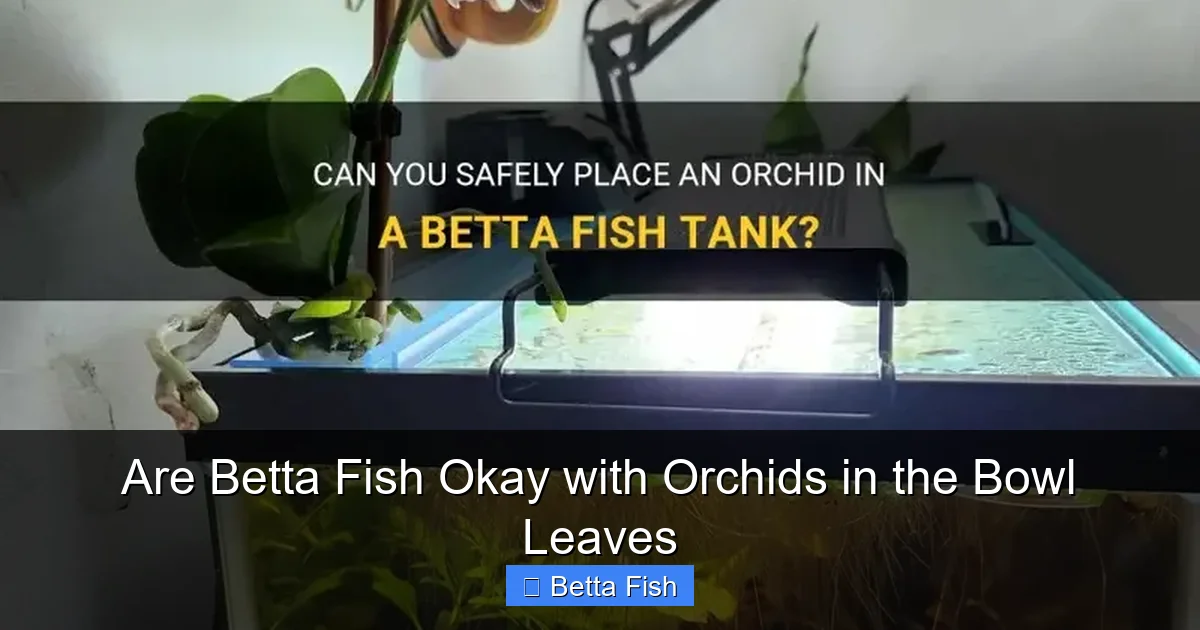
Betta fish can share a bowl with orchid leaves, but only if you manage water quality, leaf toxicity, and space wisely. Follow our step‑by‑step guide to keep both plants and fish healthy, and avoid common pitfalls.
Key Takeaways
- Safe plant choice: Most orchid species are non‑toxic, but monitor for leaf decay.
- Water parameters matter: Keep temperature, pH, and ammonia in betta‑friendly ranges.
- Space is limited: A single orchid leaf works best in a small bowl; avoid overcrowding.
- Cleaning routine: Remove wilted leaves promptly to prevent ammonia spikes.
- Beneficial side effects: Live leaves can help reduce nitrate and provide natural hiding spots.
- Watch for signs: Stress in bettas (flaring, lethargy) often signals water‑quality issues.
- Start simple: Begin with a single, healthy leaf before adding more complex plant setups.
📑 Table of Contents
Introduction: A Pretty Pairing or a Risky Mix?
When you first see a bright betta swimming beside a delicate orchid leaf, it looks like a natural work of art. Many hobbyists ask, are betta fish okay with orchids in the bowl leaves? The short answer is yes—provided you understand the needs of both the fish and the plant. In this article we’ll walk through the science, the practical steps, and the little tricks that keep both looking their best.
Betta fish (Betta splendens) are hardy, surface‑dwelling fighters that thrive in warm, slightly acidic water. Orchids, on the other hand, are epiphytic plants that love humid air and moist roots. When you combine the two in a small bowl, you create a mini‑ecosystem that can be both beautiful and functional—if you manage it right.
1. Understanding Betta Needs in a Bowl
Temperature and Flow
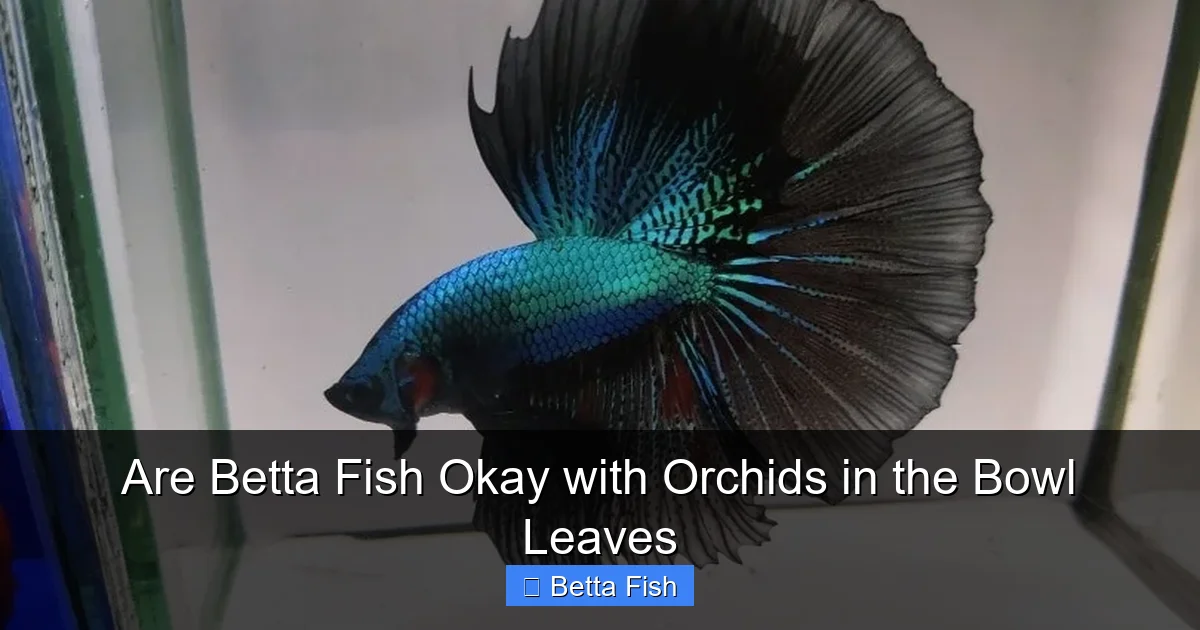
Betta fish love water that stays between 76°F and 82°F (24‑28°C). Any sudden drop can stress them, causing faded colors or fin‑rot. Because orchids release moisture, the bowl’s temperature can stay stable, but you may need a gentle heater.
Visual guide about Are Betta Fish Okay with Orchids in the Bowl Leaves
Image source: hepper.com
Water Quality Basics
Even a tiny bowl can become a chemical time‑bomb. Ammonia from waste, nitrites from bacterial cycles, and nitrates from plant decay all affect your betta. Test weekly and aim for:
- Ammonia: 0 ppm
- Nitrite: 0 ppm
- Nitrate: < 20 ppm
- pH: 6.5‑7.5
For more on bowl water health, see our guide on Can You Keep A Betta Fish In A Bowl.
Space and Enrichment
Betas need room to flare their fins and surface‑feed. A bowl that’s too cramped can trigger aggression toward objects—including plant leaves. A single orchid leaf (about 2‑3 inches long) usually provides enough visual interest without crowding.
2. Orchid Leaf Compatibility
Which Orchids Are Safe?
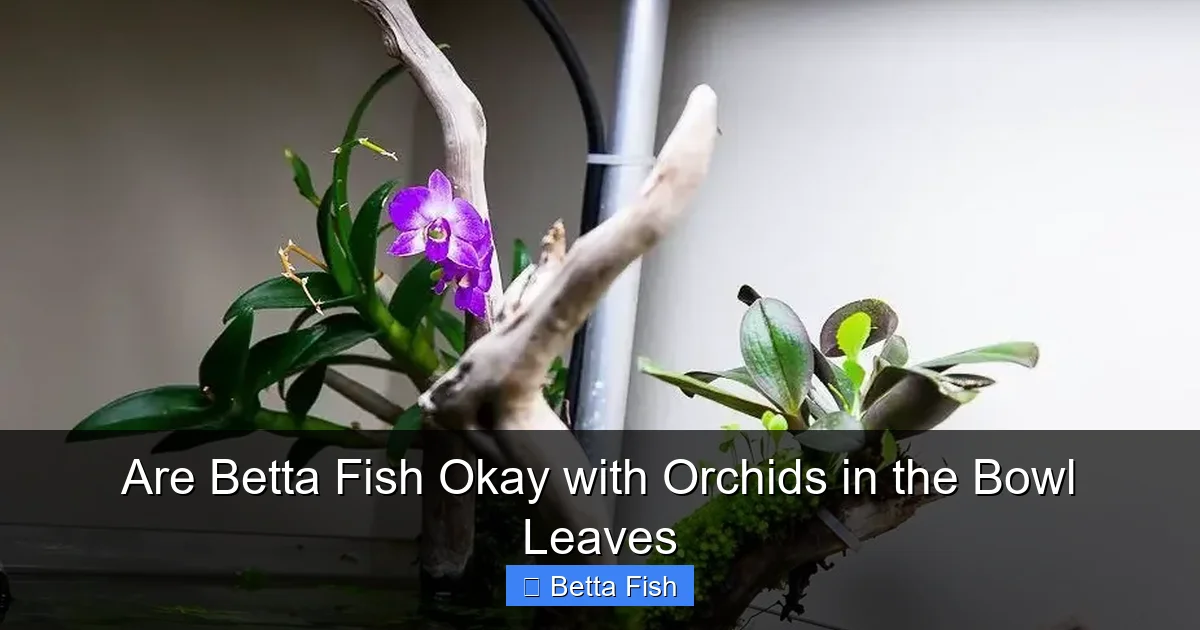
Most common household orchids—Phalaenopsis, Dendrobium, and Oncidium—have leaves that are non‑toxic to fish. Avoid orchids treated with pesticides or heavy fertilizers, as residues can leach into the water.
Visual guide about Are Betta Fish Okay with Orchids in the Bowl Leaves
Image source: bettafishworld.com
Leaf Structure and Decay
Orchid leaves are thick and waxy, which helps them stay afloat longer. However, once they begin to rot, they release tannins and ammonia. This is why are betta fish okay with orchids in the bowl leaves hinges on regular monitoring and removal of any yellowing or mushy leaf.
Benefits of Live Leaves
- Natural hiding spots: Bettas love to rest under leaves, reducing stress.
- Biological filtration: Healthy leaves absorb some nitrates, helping keep water clearer.
- Aesthetic appeal: The contrast of bright fins against green foliage is pleasing to the eye.
3. Setting Up the Bowl: Step‑by‑Step
Materials You’ll Need
- Glass or acrylic bowl (minimum 2‑gallon capacity)
- Heater (adjustable, 50‑100 W)
- Water conditioner (dechlorinator)
- Thermometer
- One fresh orchid leaf (no chemicals)
- Fine mesh net (for leaf removal)
Preparation Steps
- Clean the bowl: Rinse with warm water; avoid soap.
- Condition the water: Fill with dechlorinated tap water and bring to desired temperature.
- Introduce the leaf: Gently place the orchid leaf on the surface; let it float.
- Acclimate the betta: Float the bag for 15 minutes, then release slowly.
- Monitor daily: Check temperature, leaf condition, and fish behavior.
For a deeper dive into bowl setup, read How To Care For Betta Fish In Bowl.
Visual guide about Are Betta Fish Okay with Orchids in the Bowl Leaves
Image source: flowersgeek.com
4. Maintaining a Healthy Balance
Water Changes and Leaf Care
Change 25‑30 % of the water every 5‑7 days. When you do, gently lift the orchid leaf with a net, rinse it in the removed water, and return it if still healthy. If the leaf shows any brown spots, discard it immediately.
Feeding Without Fouling
Feed bettas small amounts of high‑quality pellets or frozen bloodworms twice daily. Over‑feeding creates excess waste, which speeds up leaf decay. A good rule: feed only what the fish can eat in 2‑3 minutes.
Spotting Problems Early
- Cloudy water: May indicate bacterial bloom; perform a partial water change.
- Flaring or hiding: Could be stress from poor water or an aggressive leaf.
- Fin rot: Look for frayed edges; improve filtration and reduce waste.
5. Frequently Asked Questions About Betta‑Orchid Pairings
Will the orchid leaf affect my betta’s temperature?
The leaf itself has minimal impact, but the extra surface area can slightly raise water temperature in direct sunlight. Keep the bowl out of intense sun to avoid overheating.
Can I use more than one leaf?
Yes, but only if the bowl is large enough (3‑gallon minimum). Too many leaves increase the risk of decay and reduce swimming space.
Do orchid roots need soil?
In a bowl you can’t provide typical orchid substrate. Use a small piece of sphagnum moss to anchor the leaf if desired, but keep it minimal to avoid clouding the water.
Is a filter necessary?
While bettas can live in a filtered bowl, a gentle sponge filter helps keep ammonia low, especially when organic matter like leaves is present. See Can Betta Fish Live In A Bowl Without Filter for more details.
Can I add snails for extra cleanup?
Yes—small pond snails can munch on algae and leftover food, but they may also eat soft orchid tissue, speeding decay.
What if my betta starts biting the leaf?
Occasional nibbling is normal curiosity. If the fish aggressively attacks the leaf, remove it and try a different plant or a smooth artificial leaf.
Conclusion: A Beautiful, Balanced Mini‑Ecosystem
Answering the question are betta fish okay with orchids in the bowl leaves isn’t a simple yes or no. It’s a conditional yes—provided you manage water quality, choose the right orchid, and keep the environment spacious enough for your betta to thrive. By following the setup steps, maintaining a regular cleaning schedule, and watching for stress signals, you can enjoy a vibrant display that benefits both plant and fish.
Remember, the health of your betta is the top priority. If at any point the leaf starts to decay or the fish shows signs of distress, act quickly: remove the leaf, change the water, and reassess. With patience and attention, the pairing of a dazzling betta and a graceful orchid leaf can become a centerpiece of your home that’s both eye‑catching and healthy.
Frequently Asked Questions
Can betta fish live with live plants in a small bowl?
Yes, but only a few hardy, non‑toxic plants like a single orchid leaf. Too many plants can quickly foul the water in a small space.
Do orchid leaves release chemicals that harm bettas?
Healthy orchid leaves are generally safe. Problems arise when the leaf begins to rot, releasing ammonia and tannins that can stress the fish.
How often should I replace the orchid leaf?
Replace any leaf that shows yellowing, browning, or softness. In a well‑maintained bowl this is usually every 2‑3 weeks.
Will the orchid leaf affect the water pH?
Orchid leaves can slightly lower pH over time, which is usually fine for bettas who prefer mildly acidic water.
Can I add a filter to a bowl with an orchid leaf?
Yes—a gentle sponge filter works well and helps keep ammonia low without creating strong currents that stress bettas.
Is it safe to keep a betta with other fish and an orchid leaf?
Betta fish are territorial; adding other fish can increase stress. If you want companions, choose peaceful, similarly sized species and ensure ample space.