Are Betta Fish Okay with Small Spaces
Betta fish can survive in small containers, but “okay” isn’t the same as “thriving.” Providing a properly filtered, heated environment with enough swimming room, plants, and hiding spots turns a tiny bowl into a safe home. Read on for the facts, setup ideas, and common mistakes to avoid.
Key Takeaways
- Minimum size matters: 2‑gallon tanks are the practical floor for a healthy betta.
- Water quality is king: Regular changes and a gentle filter prevent ammonia spikes.
- Heat is non‑negotiable: Betta’s ideal range is 76‑82°F (24‑28°C).
- Enrichment boosts wellbeing: Live plants, caves, and silk toys reduce stress.
- Small spaces aren’t a free pass: Avoid bowls without filtration or heaters.
- Companions are tricky: Only certain peaceful species can share a modest tank.
- Observe and adjust: Watch for signs of stress and be ready to upgrade.
📑 Table of Contents
- Introduction: The Tiny‑Tank Debate
- What “Small Space” Really Means
- Setting Up a Small but Healthy Betta Habitat
- Maintaining Water Quality in a Compact Tank
- Enrichment: Making a Small Space Feel Big
- Can You Add Tank Mates to a Small Betta Tank?
- Common Myths About Small Betta Housing
- When to Upgrade: Signs It’s Time for a Bigger Tank
- Conclusion: Quality Over Quantity
Introduction: The Tiny‑Tank Debate
When you first see a betta fish swimming proudly in a tiny plastic bowl, you might think, “Great, I can keep a fish on my desk!” The bright colors and flamboyant fins are undeniably attractive, and a small container seems convenient. But the question many new owners ask is simple yet crucial: are betta fish okay with small spaces?
The short answer is “yes, they can survive,” but the longer answer explains why survival is not the same as thriving. Betta fish (Betta splendens) are native to shallow rice paddies and slow‑moving streams in Southeast Asia. In the wild they have room to explore, hide among vegetation, and regulate their temperature. Replicating those conditions in a cramped, unfiltered bowl is challenging.
In this guide we’ll break down the science behind tank size, water quality, temperature, and enrichment. You’ll learn how to create a compact yet comfortable home for your betta, spot the red flags of a stressed fish, and decide when it’s time to upgrade. Let’s dive in!
What “Small Space” Really Means
Defining a “small” tank
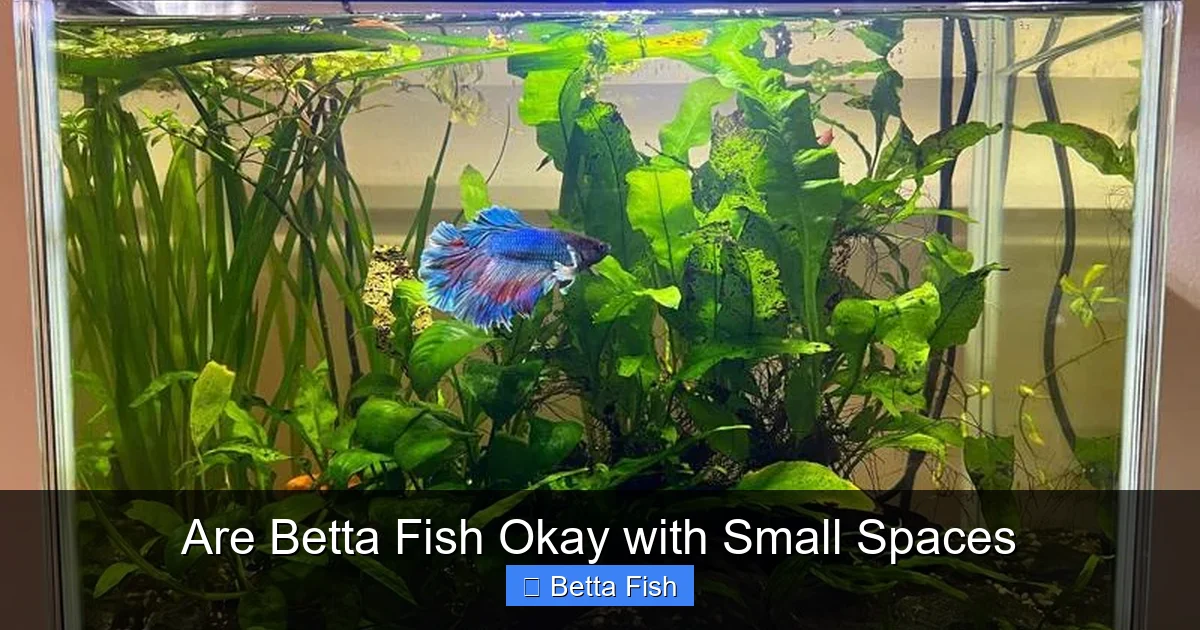
In the hobby, “small” usually refers to containers under 5 gallons. Many beginners start with 1‑ or 2‑gallon bowls because they’re cheap and fit on a nightstand. However, a 2‑gallon tank with a lid, heater, and filter provides a vastly different environment from a bare bowl.
Visual guide about Are Betta Fish Okay with Small Spaces
Image source: i.ytimg.com
Why size matters for bettas
- Water volume buffers toxins: More water dilutes ammonia, nitrite, and nitrate, giving you a larger safety margin between water changes.
- Swimming space reduces stress: Bettas love to flare their fins and glide. A cramped space limits natural behavior and can lead to fin rot.
- Temperature stability: Larger volumes hold heat longer, making it easier to keep the water in the optimal 76‑82°F (24‑28°C) range.
For these reasons, most experts recommend a minimum of 2‑gallon (≈7.5 L) for a single male betta, with 5 gallons (≈19 L) being ideal if you plan to add compatible tank mates.
Setting Up a Small but Healthy Betta Habitat
Choosing the right container
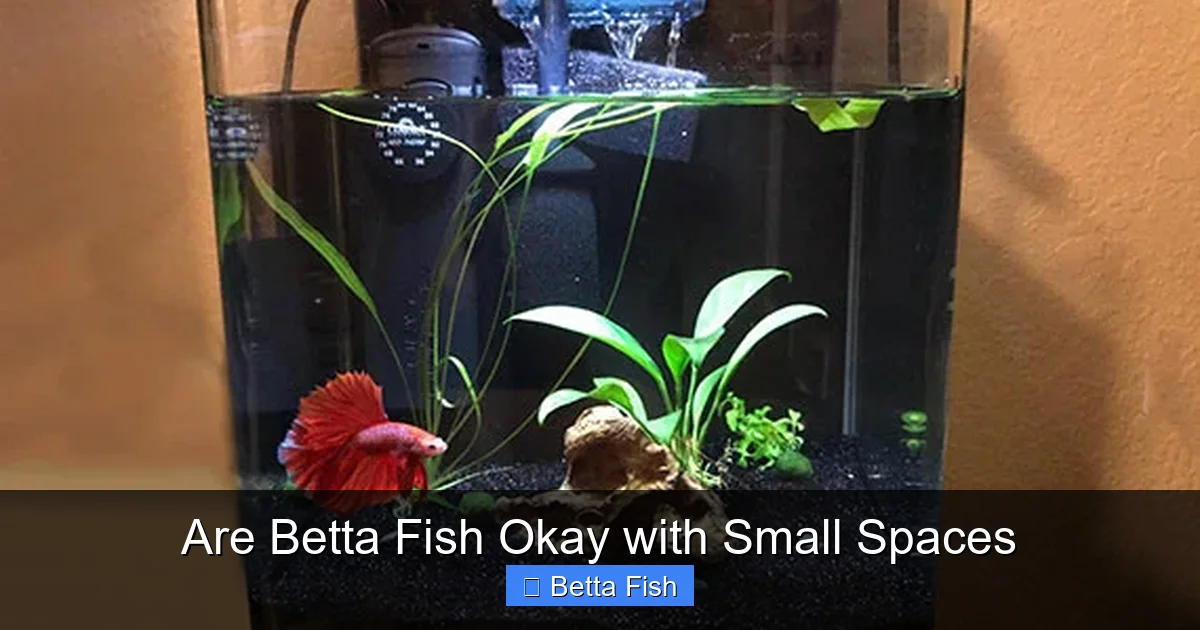
A glass or acrylic aquarium with a secure lid is best. Avoid open bowls; they evaporate quickly and can be tipped over. If space is tight, a 2‑gallon “nano” tank fits on a bookshelf while still allowing a filter and heater.
Visual guide about Are Betta Fish Okay with Small Spaces
Image source: fishlab.com
Filtration and water movement
Even a gentle sponge filter does wonders. It removes waste, oxygenates the water, and creates a soft flow that bettas love. Remember to select a filter with an adjustable flow rate—betas prefer calm currents.
Heating the water
Betta fish are tropical; they cannot survive long periods below 75°F (24°C). An adjustable submersible heater with a built‑in thermostat is essential. Use a reliable aquarium thermometer to double‑check the temperature daily.
Substrate, plants, and décor
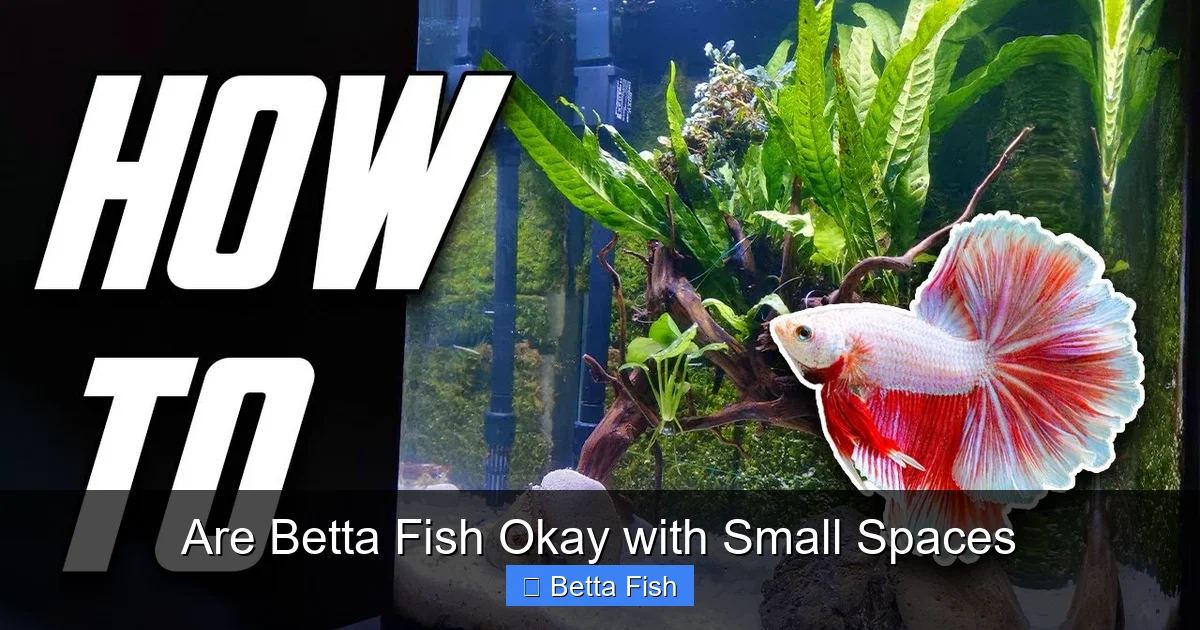
Fine sand or smooth gravel mimics riverbeds. Live plants such as Java moss, Anubias, or Amazon sword provide hiding spots and help absorb nitrates. If live plants are not possible, silk or plastic plants work—just avoid anything with sharp edges that could tear delicate fins.
Lighting
A 10‑hour light cycle mimics natural daylight and supports plant growth. LED fixtures are energy‑efficient and produce little heat, which is important in a small tank.
Maintaining Water Quality in a Compact Tank
Regular water changes
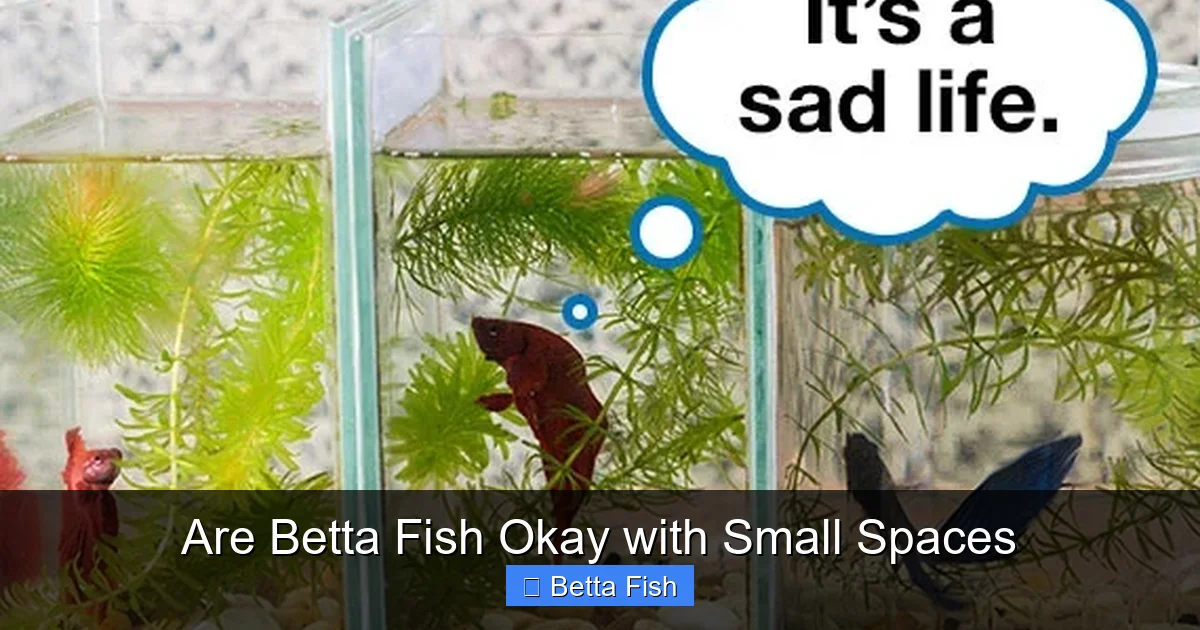
In a small tank, waste builds up quickly. Aim for a 25‑30% water change every 2‑3 days, or at least 50% weekly. Use a water conditioner to remove chlorine and chloramines.
Visual guide about Are Betta Fish Okay with Small Spaces
Image source: fishlab.com
Testing the water
Invest in a basic test kit for ammonia, nitrite, nitrate, and pH. Keep ammonia and nitrite at 0 ppm, nitrates below 20 ppm, and pH between 6.5‑7.5. Consistent testing helps you catch problems before they stress your betta.
Cleaning the tank
Scrape algae from the glass, prune dead plant leaves, and rinse the filter media in tank water (not tap water) to preserve beneficial bacteria.
Enrichment: Making a Small Space Feel Big
Plants and hiding places
Even a single tall plant can create a vertical dimension, giving your betta something to explore. Add a small cave or a piece of PVC pipe cut to size for a secret retreat.
Toys and interaction
Silk “Betta hammocks,” floating mirrors, and gentle hand‑feeding sessions stimulate natural behaviors. Avoid plastic toys with rough edges that can snag fins.
Behavioral signs of a happy betta
- Active swimming across the tank
- Bright, fully extended fins
- Occasional flaring when you approach
If you notice lethargy, clamped fins, or constant hiding, it may be a sign the tank is too small or water conditions are poor.
Can You Add Tank Mates to a Small Betta Tank?
Compatibility basics
Male bettas are territorial, especially in confined spaces. However, a well‑planted 5‑gallon tank can house small, peaceful species like Harlequin rasboras, Cherry shrimp, or a single Neon tetra (if the tank is large enough).
For detailed compatibility lists, see our guide on what fish are compatible with betta fish. Remember, any addition reduces swimming space, so keep the tank at least 5 gallons before introducing companions.
Why many owners stick to solo bettas
In a tiny bowl or 2‑gallon tank, the risk of aggression outweighs the benefits of a community. A single betta can live happily with proper enrichment, eliminating the stress of fighting.
Common Myths About Small Betta Housing
Myth 1: “Bettas can live forever in a bowl.”
While bettas are hardy, a bowl without filtration or heating shortens lifespan dramatically—often to just a year or less.
Myth 2: “No water changes needed if the water looks clear.”
Clear water can still hide toxic ammonia spikes. Regular testing and changes are non‑negotiable.
Myth 3: “Bowl size doesn’t matter if the fish looks happy.”
Stress is subtle. A betta may appear calm while suffering from poor water quality that only shows up later as fin rot or disease.
For a deeper dive into why many people still use tiny containers, read why are betta fish kept in small containers.
When to Upgrade: Signs It’s Time for a Bigger Tank
- Frequent ammonia spikes despite regular changes
- Fin damage or rot
- Excessive hiding or loss of appetite
- Desire to add compatible tank mates
Moving to a 5‑gallon tank with a sturdy filter and heater dramatically improves water stability and gives your betta room to explore. The transition is simple: rinse the fish in a bag of old water, place it in the new tank, and let it acclimate over an hour.
Conclusion: Quality Over Quantity
So, are betta fish okay with small spaces? They can survive in a well‑maintained 2‑gallon setup, but true wellbeing comes from providing enough water volume, stable temperature, clean conditions, and enrichment. A tiny bowl may look cute, but it often hides hidden stressors that shorten a betta’s life.
Invest a little more space, a heater, and a filter, and you’ll enjoy a vibrant, active betta that shows off its spectacular fins for years to come. Remember, a happy betta is a sign of a happy hobbyist!
Frequently Asked Questions
Can a betta live in a bowl without a filter?
It’s possible for a short period, but without filtration waste builds up quickly, leading to ammonia spikes and disease. A filtered tank is the safest choice.
How often should I change the water in a small betta tank?
Change 25‑30% of the water every 2‑3 days, or at least 50% weekly, to keep parameters stable.
Do bettas need a heater even in a small tank?
Yes. Bettas are tropical fish that require 76‑82°F (24‑28°C). A small tank loses heat faster, so a reliable heater is essential.
Can I keep a betta with a snail in a 2‑gallon tank?
Yes, a single Nerite or Mystery snail can coexist peacefully and help clean algae, provided the tank has enough space and hiding spots.
What are the signs of stress in a betta?
Lethargy, clamped fins, loss of color, frequent hiding, or rapid breathing are all red flags that the environment may be inadequate.
Is a 5‑gallon tank necessary for a community with a betta?
For most compatible tank mates, a minimum of 5 gallons is recommended to reduce aggression and maintain water quality.