Are Betta Fish Good Pets for Kids
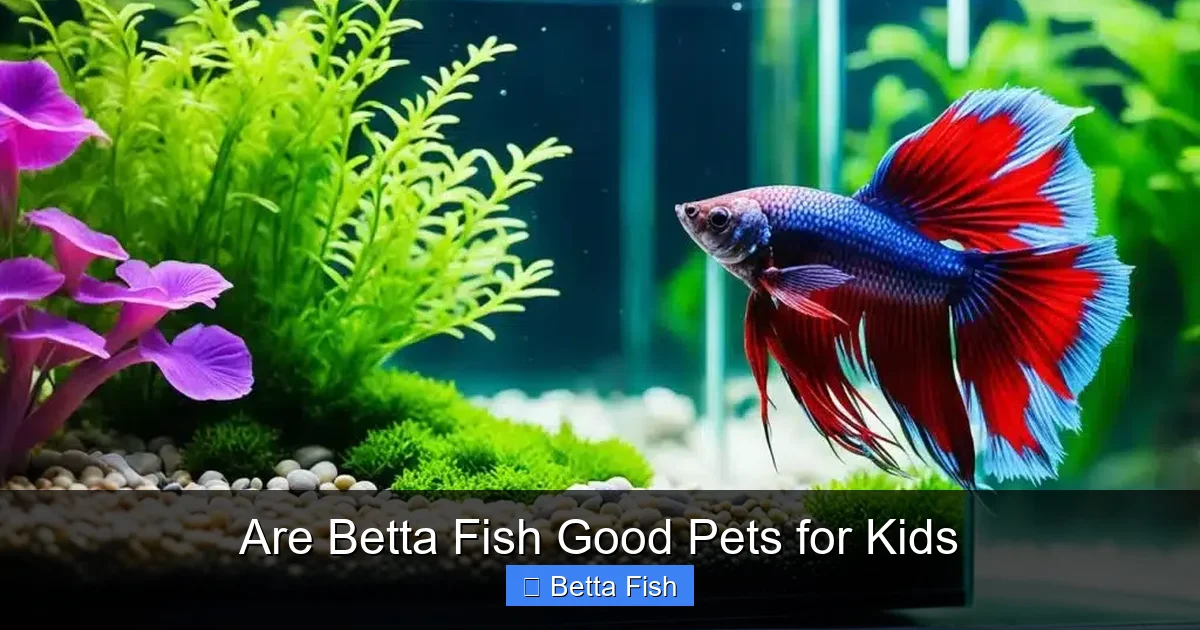
Betta fish can be an excellent first pet for children when supervised and properly cared for. They’re low‑maintenance, visually engaging, and teach responsibility, but they also need specific tank conditions and gentle handling. With the right setup, kids will love watching their betta thrive.
Key Takeaways
- Easy care, not no‑care: Betta fish are low‑maintenance but still require regular water changes and proper temperature.
- Size matters: A 5‑gal tank is ideal; bowls are too small and can stress the fish.
- Teach responsibility: Daily feeding and weekly tank checks are simple tasks for kids.
- Safety first: Betta fins are delicate; gentle handling and supervision prevent injury.
- Educational value: Kids learn about water chemistry, temperature, and fish behavior.
- Social interaction: While bettas are solitary, they respond to their owner’s presence.
- Long‑term commitment: With proper care, bettas live 3‑5 years, offering a lasting pet experience.
📑 Table of Contents
Introduction: Why Consider a Betta for Your Child?
Choosing a first pet is a big decision for any family. You want something that fits a busy household, teaches responsibility, and sparks curiosity. Betta fish, often called Siamese fighting fish, have become a popular choice because they’re small, bright, and relatively easy to keep. But are betta fish good pets for kids? The answer isn’t a simple yes or no—it depends on how you set them up and the level of involvement you expect from your child.
In this guide we’ll walk through everything a parent needs to know: from the basics of betta biology to tank setup, daily care, and safety tips. By the end, you’ll have a clear picture of whether a betta fish fits your family’s lifestyle.
Understanding Betta Fish Basics
What Are Betta Fish?
Betta fish are freshwater tropical fish native to the shallow waters of Thailand, Cambodia, and Vietnam. Males are famous for their long, flowing fins and vivid colors, while females are shorter‑finned and a bit less flamboyant. Their scientific name is Betta splendens, which means “splendid fighter.”
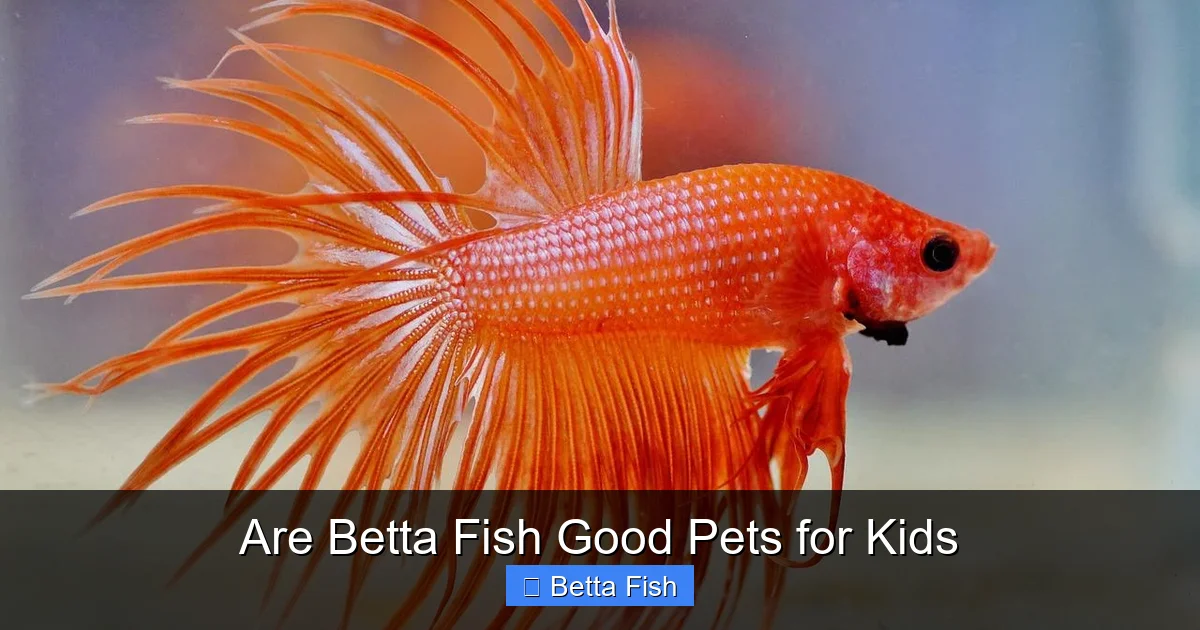
Visual guide about Are Betta Fish Good Pets for Kids
Image source: japanesefightingfish.org
Temperament and Behavior
Despite the “fighting” reputation, a single betta kept alone is generally peaceful. They can be curious and will often swim to the glass when someone approaches, making them interactive for kids. However, they are territorial and should never be housed with other bettas of the same sex.
Setting Up the Perfect Home
Choosing the Right Tank Size
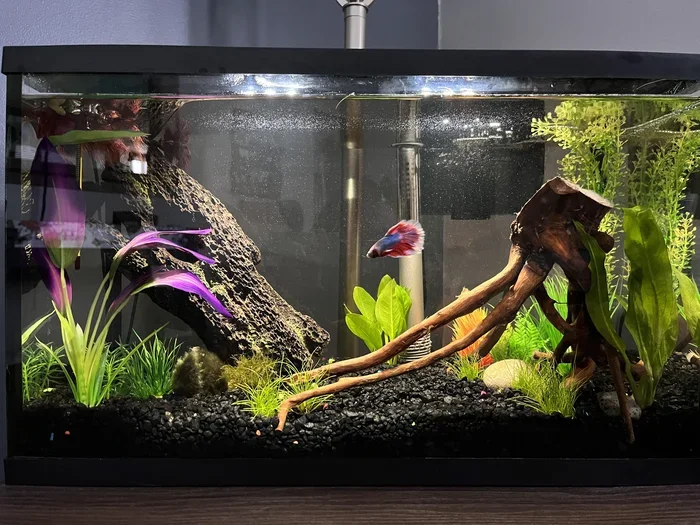
The myth that bettas can live happily in tiny bowls is harmful. A 5‑gallon (≈19‑liter) tank provides enough swimming space and helps maintain stable water parameters. For more room to add live plants, consider a 10‑gallon tank.
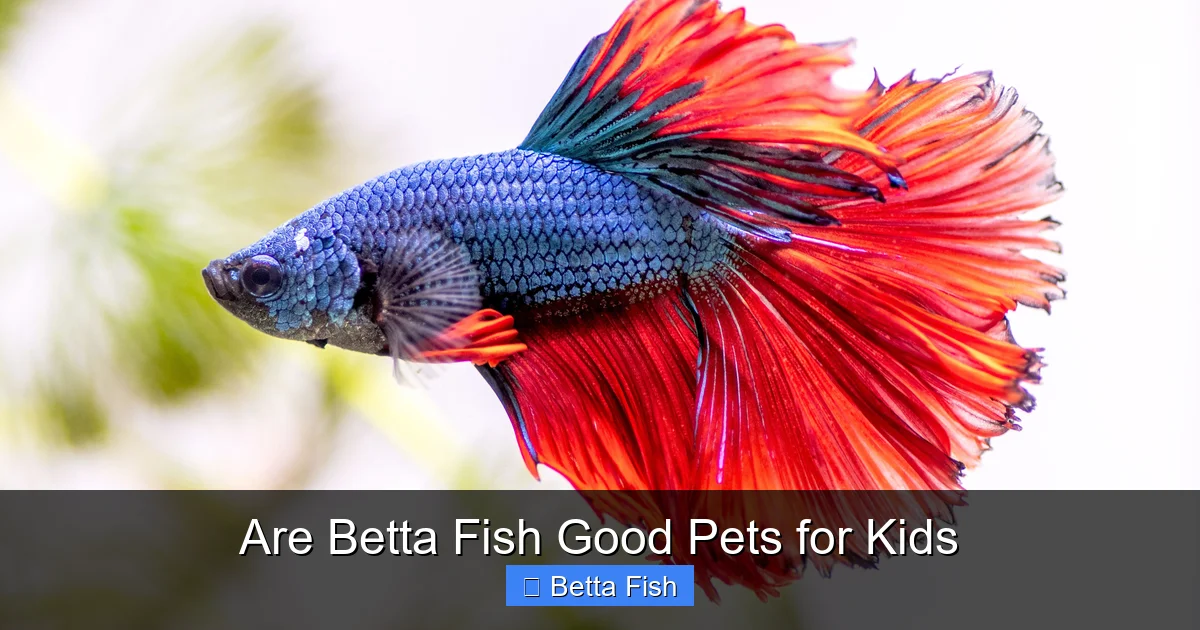
Visual guide about Are Betta Fish Good Pets for Kids
Image source: thesprucepets.com
Read more about tank size in our article What Is A Good Size Tank For A Betta Fish.
Water Quality Essentials
- Temperature: Betta fish are tropical; keep water between 76‑82°F (24‑28°C). Use a reliable heater.
- pH and Hardness: Aim for a pH of 6.5‑7.5 and moderate hardness.
- Filtration: A gentle sponge filter works well and prevents strong currents that can stress the fish.
For detailed water guidelines, see What Water To Use For Betta Fish.
Live Plants and Décor
Live plants not only look beautiful but also improve water quality by absorbing nitrates. Easy choices include Java moss, Anubias, and Marimo balls. If you’re unsure which plants suit bettas, check out Which Live Plants Are Good For Betta Fish. Avoid sharp décor that could tear delicate fins.
Daily Care: Making It Kid‑Friendly
Feeding Routine
Betta fish thrive on high‑protein pellets or frozen bloodworms. Feed 2‑3 small pellets once or twice a day. Kids can handle this task, but an adult should supervise to prevent over‑feeding.
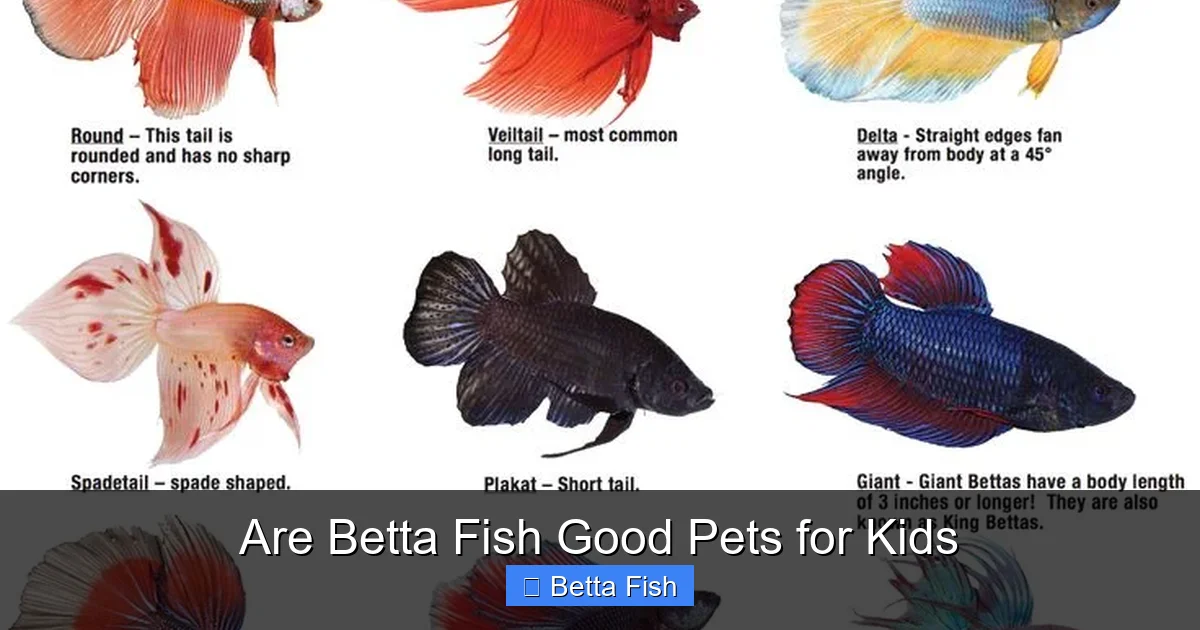
Visual guide about Are Betta Fish Good Pets for Kids
Image source: i.pinimg.com
Water Changes
Partial water changes (25‑30%) once a week keep the environment clean. Show your child how to use a siphon, and let them help measure the new water temperature before adding it.
For a step‑by‑step guide, read How Often Change Water For Betta Fish.
Monitoring Health
Teach kids to look for signs of stress: faded colors, clamped fins, or rapid breathing. If any of these appear, a quick water test and temperature check are the first steps.
Safety and Supervision
Handling the Fish
Betta fins are delicate. If you need to move the fish, use a soft net and support the body gently. Children should never pick up a betta with their hands alone.
Electrical Safety
Heaters and filters require electricity. Place cords out of reach and ensure the tank sits on a stable surface.
Teaching Responsibility
Use a simple checklist: feed, check temperature, clean water, and observe behavior. A weekly chart can turn care into a fun routine for kids.
Educational Benefits for Children
Science Skills
Maintaining a betta tank introduces basic biology, chemistry, and ecology. Kids learn about the nitrogen cycle, temperature regulation, and the importance of clean habitats.
Emotional Growth
Watching a living creature respond to care builds empathy and patience. When a betta displays its “flare” (spreading fins) in response to a familiar voice, children feel a sense of connection.
Common Concerns Parents Have
“Are Betta Fish Nocturnal?”
Betas are most active during daylight hours but may also explore in low light. A gentle night light is fine, but a dark period helps them rest.
“Will the Fish Outgrow Its Tank?”
Betta fish stay small (about 2‑3 inches). A properly sized tank will accommodate them for their entire 3‑5 year lifespan.
“Are Betta Fish Expensive?”
Starter bettas are affordable, but high‑quality, healthy specimens and proper equipment can add up. Consider the long‑term cost of food, water conditioner, and occasional vet visits.
Conclusion: The Verdict
So, are betta fish good pets for kids? Yes—provided you choose the right tank, maintain stable water conditions, and involve your child in daily care. Betta fish offer a colorful, low‑maintenance window into the aquatic world and can teach valuable life lessons. With proper supervision and a commitment to the fish’s well‑being, a betta can become a beloved family member that sparks curiosity and responsibility for years to come.
Frequently Asked Questions
What size tank is best for a betta fish?
A minimum of 5 gallons is recommended. Larger tanks provide more stable water conditions and space for live plants.
How often should I feed my betta fish?
Feed 2‑3 small pellets once or twice a day. Adjust the amount so the fish eats it within a couple of minutes.
Can betta fish live with other fish?
Betta males are aggressive toward other males and many colorful species. If you want a community, choose peaceful, fast‑swimming fish and provide plenty of hiding spots.
Do betta fish need a heater?
Yes. Betta fish are tropical and thrive at 76‑82°F (24‑28°C). A reliable aquarium heater is essential.
How can I tell if my betta is stressed?
Signs include faded colors, clamped fins, erratic swimming, or staying at the bottom of the tank. Check water parameters and temperature if you notice these symptoms.
Is it okay to use tap water for a betta tank?
Tap water must be treated with a dechlorinator and conditioned for pH and hardness before adding it to the tank.