Are Betta Fish Good for Kids
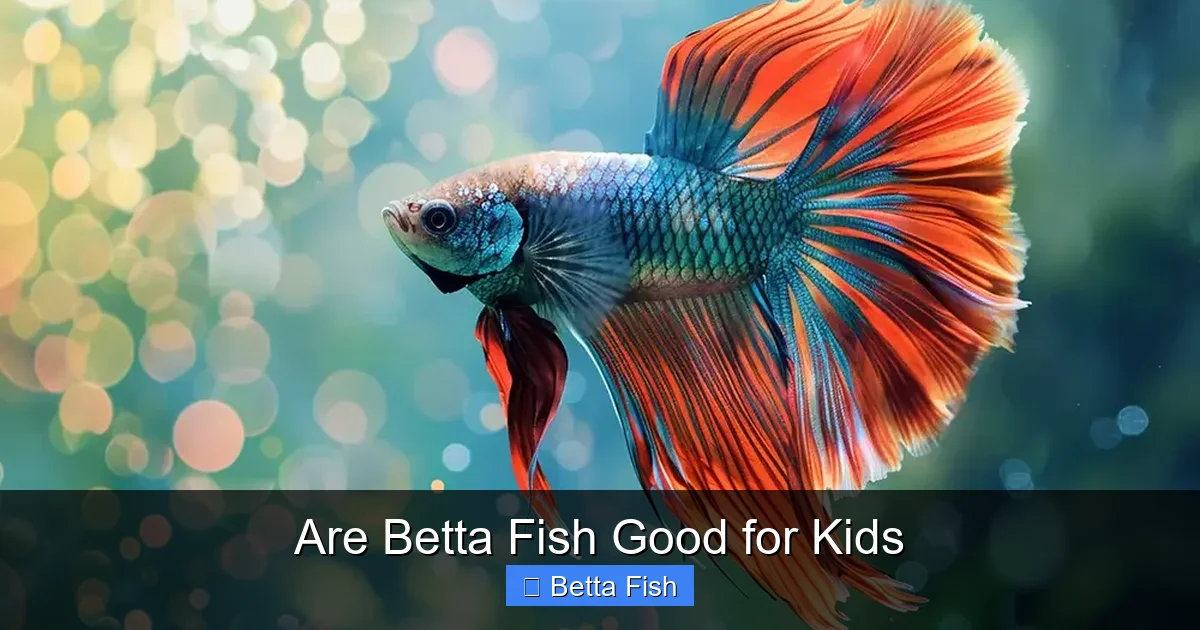
Betta fish can be a great first pet for children when set up correctly and supervised. They teach responsibility, are low‑maintenance, and bring bright color to any room, but parents must know the right tank size, water conditions, and handling rules.
Key Takeaways
- Simple care: Betta fish need a warm, filtered tank and regular water changes, making them manageable for kids.
- Safety first: Supervision prevents over‑handling and protects the fish’s delicate fins.
- Educational value: Watching a betta teaches kids about life cycles, water chemistry, and empathy.
- Space matters: A 5‑gallon tank with live plants provides a healthier environment than a tiny bowl.
- Cost‑effective: Initial setup is affordable, and ongoing expenses are low.
- Potential challenges: Bettas are territorial and can be aggressive if housed incorrectly.
- Parental role: Adults should handle most maintenance tasks while involving children in daily observations.
📑 Table of Contents
- Introduction: Why Parents Consider Betta Fish for Kids
- 1. Understanding Betta Fish Basics
- 2. The Practical Side: Setting Up a Kid‑Friendly Betta Tank
- 3. Safety and Supervision: Protecting Both Child and Fish
- 4. Educational Benefits: Turning a Betta Tank into a Classroom
- 5. Common Challenges and How to Overcome Them
- 6. Making the Decision: Are Betta Fish Good for Your Kids?
- Conclusion
Introduction: Why Parents Consider Betta Fish for Kids
When a child asks for a pet, many families think of dogs or cats. Those animals need a lot of space, time, and money. A betta fish offers a middle ground – a living creature that’s colorful, fascinating, and relatively easy to care for. The question many parents ask is simple: are betta fish good for kids? The answer isn’t a straight yes or no; it depends on the family’s commitment, the child’s age, and how the aquarium is set up.
In this guide we’ll walk through the pros and cons, the basics of betta care, safety tips, and how to turn a small tank into a learning lab for your child. By the end, you’ll know exactly what it takes to make a betta fish a happy, healthy companion for your little one.
1. Understanding Betta Fish Basics
What makes bettas unique?
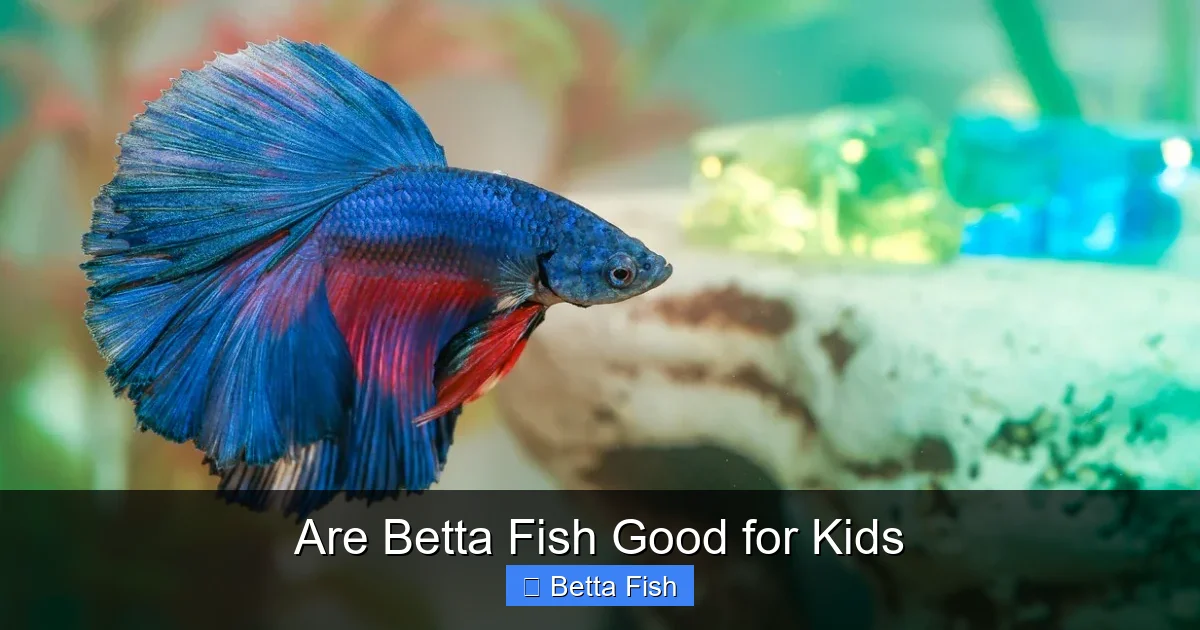
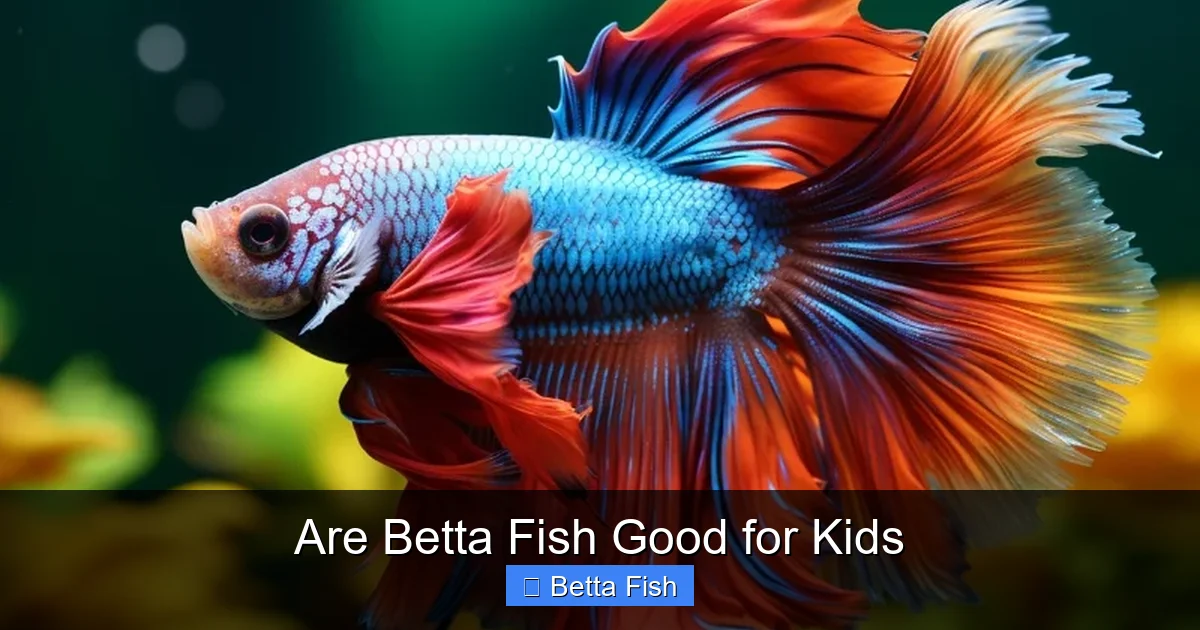
Betta fish, also called Siamese fighting fish, are native to the shallow waters of Thailand. They are famous for their vivid colors and flowing fins. Male bettas are especially territorial, which is why they’re often kept alone. This natural aggression is something to keep in mind when you’re thinking about a child’s interaction with the fish.
Visual guide about Are Betta Fish Good for Kids
Image source: media-be.chewy.com
Life span and growth
A healthy betta can live 3‑5 years with proper care. Some hobbyists report even longer lives when water quality is consistently maintained. Knowing the lifespan helps families plan for a long‑term commitment.
Temperament and behavior
Bettas are semi‑aggressive and love to display their fins, especially during feeding time. They are also curious and will recognize the person who feeds them. This can create a bond that encourages kids to be gentle and attentive.
2. The Practical Side: Setting Up a Kid‑Friendly Betta Tank
Choosing the right tank size
The myth of the “betta bowl” lives on, but a 5‑gallon tank is the minimum we recommend for a healthy environment. A larger tank dilutes toxins and gives your child a clearer view of the fish’s behavior. For a quick read on tank sizing, see our article on what is a good size tank for a betta fish.
Visual guide about Are Betta Fish Good for Kids
Image source: infishtank.com
Water quality basics
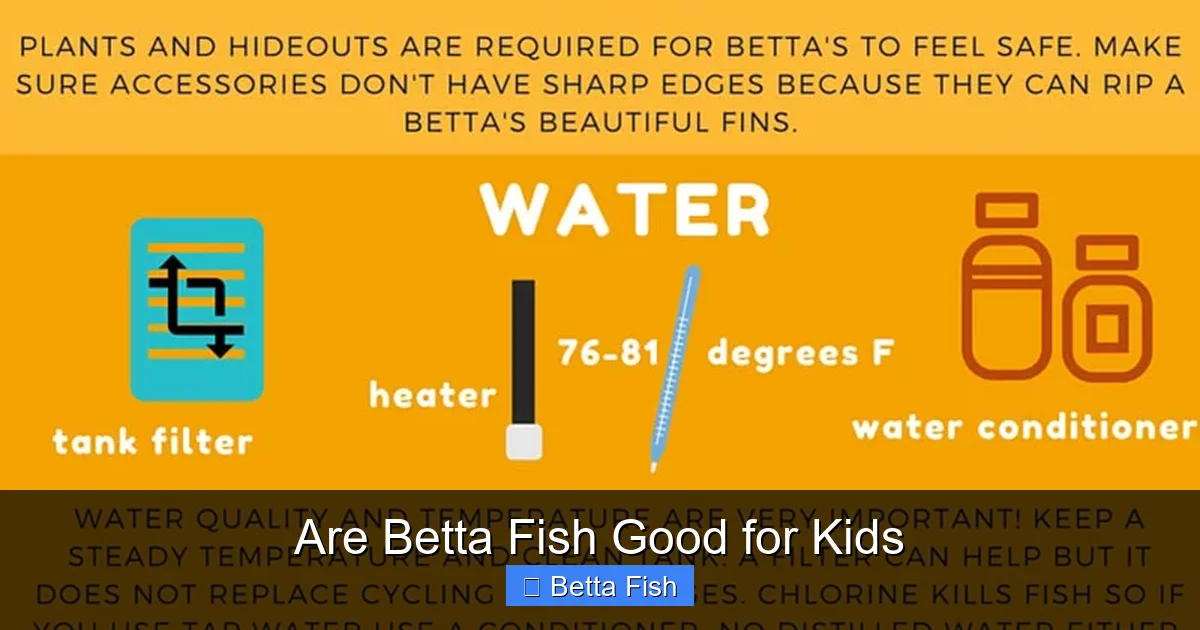
Bettas thrive in warm water (78‑80°F) with a stable pH around 6.5‑7.5. Use a heater to keep temperature steady and a gentle filter to remove waste without creating strong currents that can stress the fish. Learn more about the ideal water parameters in our guide what water to use for betta fish.
Live plants and décor
Adding live plants not only looks beautiful but also improves water quality by absorbing nitrates. Easy‑care plants like Java fern, Anubias, and Marimo moss are perfect for beginners. For a list of safe plants, check out which live plants are good for betta fish. Keep décor smooth and avoid sharp ornaments that could tear delicate fins.
Maintenance routine
- Weekly water change: Replace 25‑30% of the water to keep nitrate levels low.
- Daily feeding: Offer a small amount of high‑quality betta pellets 2‑3 times a day.
- Monthly cleaning: Scrub algae from the glass and rinse filter media in tank water.
Let your child help with the visual checks – looking for cloudy water, algae growth, or changes in the fish’s color.
3. Safety and Supervision: Protecting Both Child and Fish
Handling guidelines
Bettas have delicate fins that can be torn easily. Teach kids to use a soft, wet net or simply to admire the fish without touching it. If a hand‑off is absolutely necessary (for tank cleaning), use a gentle cup method: scoop the fish in a water‑filled cup, move it, then release gently.
Visual guide about Are Betta Fish Good for Kids
Image source: bettafish.org
Supervision tips
Children under eight should never be left alone with the tank. An adult should always be present for feeding and water changes. This not only protects the fish but also reinforces the idea that pets need responsible care.
Allergy and health considerations
Some kids may be sensitive to water chemicals or fish slime. Keep the tank covered to prevent splashes, and wash hands after any interaction.
4. Educational Benefits: Turning a Betta Tank into a Classroom
Science lessons
Watching a betta fish gives children a live example of concepts like metabolism, respiration, and the nitrogen cycle. You can use a simple diagram to show how waste turns into nitrates and why water changes matter.
Responsibility and routine
Feeding a betta at the same time each day creates a sense of schedule. Kids learn that neglecting a task (like missing a feeding) can affect a living being.
Creativity and observation
Encourage kids to draw their betta, note color changes, or write a short “journal entry” about the fish’s behavior. This reinforces observation skills and nurtures a love for nature.
5. Common Challenges and How to Overcome Them
Fin rot and disease
Fin rot can appear if water quality drops or if the fish is stressed. Look for frayed edges and treat promptly with a mild antibacterial medication. Regular water changes are the best prevention.
Over‑feeding
Too much food leads to cloudy water and ammonia spikes. Teach children to feed only what the fish can eat in two minutes.
Temperature fluctuations
Sudden drops in temperature stress bettas. Use a reliable aquarium heater and a thermometer to monitor daily. If the heater fails, move the tank to a warmer room temporarily.
Loneliness
While bettas are solitary, they still benefit from visual stimulation. Adding a mirror for a few minutes a day can give the male a chance to display his fins, but don’t leave the mirror on all the time – it can cause stress.
6. Making the Decision: Are Betta Fish Good for Your Kids?
Ultimately, the answer hinges on three factors: the child’s age, the family’s willingness to maintain water quality, and the ability to provide a proper tank. If you can meet these basics, betta fish are indeed a wonderful starter pet. They are colorful, relatively low‑maintenance, and provide daily moments of wonder that can spark a lifelong interest in animals and science.
When you set up a proper environment, involve your child in routine tasks, and keep safety at the forefront, a betta fish can thrive and become a beloved member of the household.
Conclusion
So, are betta fish good for kids? Yes—provided you give them a suitable tank, maintain clean water, and supervise interactions. Betta fish offer an affordable, eye‑catching introduction to pet ownership that teaches responsibility, science, and compassion. With the right preparation, both child and fish can enjoy a happy, healthy relationship for years to come.
Frequently Asked Questions
What age is appropriate for a child to start caring for a betta fish?
Children as young as 6 can help with simple tasks like checking water temperature and feeding, but an adult should handle tank cleaning and any health issues.
Do betta fish need a heater?
Yes. Bettas are tropical fish and thrive at 78‑80°F. A reliable aquarium heater keeps the temperature stable, which is crucial for their health.
Can I keep a betta fish with other fish?
Male bettas are highly territorial and should be kept alone. Some peaceful, fast‑moving species can share a large, well‑planted tank, but careful research is required.
How often should I change the water?
Replace 25‑30% of the water weekly. This helps control nitrate levels and keeps the environment safe for both the fish and your child.
What should I feed a betta fish?
High‑quality betta pellets are the staple. You can supplement with frozen or live brine shrimp a few times a week for variety.
Is it okay to let my child handle the betta fish?
Only with close adult supervision and using a soft, wet cup or net. Direct hand contact can damage their fins and cause stress.