Are Anubias Congensis Plants Safe for Betta Fish Tanks
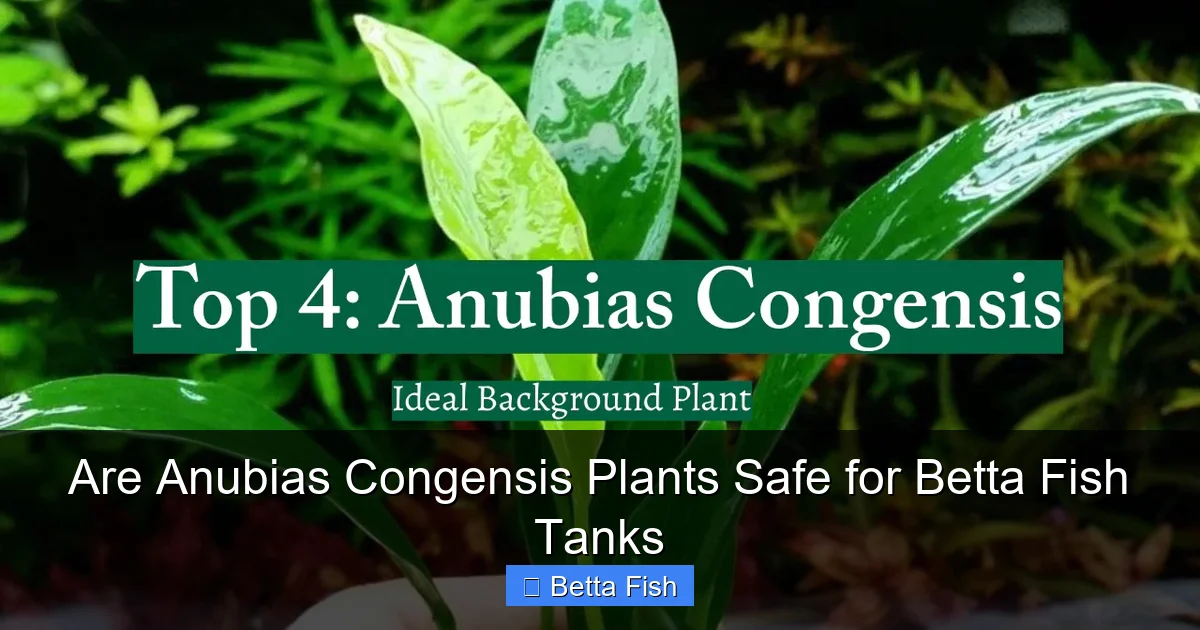
Yes—Anubias congensis is generally safe for betta fish tanks. It’s a hardy, slow‑growing plant that provides hiding spots and improves water quality without harming delicate bettas. Just watch placement, lighting, and substrate to keep both plant and fish happy.
Key Takeaways
- Safe but needs care: Anubias congensis is non‑toxic, but proper lighting and nutrients are essential.
- Low light champion: It thrives in low‑to‑moderate light, perfect for small betta setups.
- Root‑only growth: Plant the rhizome in substrate or attach to décor; never bury it.
- Water parameters: Keep temperature 76‑82°F, pH 6.5‑7.5, and soft to moderately hard water.
- Benefits: Provides cover, reduces algae, and helps maintain stable ammonia/nitrite levels.
- Potential issues: Over‑fertilizing can cause algae; aggressive bettas may nip at loose leaves.
- Easy sourcing: Purchase from reputable online shops or local fish stores; see “Where To Buy Live Plants For Betta Fish” for tips.
📑 Table of Contents
- Introduction: Why Plant Choice Matters for Betta Tanks
- What Is Anubias Congensis?
- Are Anubias Congensis Plants Safe for Betta Fish?
- Setting Up Anubias Congensis in a Betta Tank
- Benefits of Adding Anubias Congensis to Your Betta Tank
- Potential Challenges and How to Overcome Them
- Practical Tips for a Thriving Betta‑Anubias Pair
- Conclusion: A Safe, Easy, and Beautiful Choice
Introduction: Why Plant Choice Matters for Betta Tanks
When you first set up a betta tank, the temptation is to fill it with flashy decorations or go plant‑free for easy cleaning. Yet, live plants are more than just eye‑candy. They create a natural environment, help balance water chemistry, and give your betta a place to hide and rest.
One plant that often pops up in hobbyist forums is Anubias congensis. Its thick, dark leaves and slow growth make it a popular choice for beginners. But the big question remains: are Anubias congensis plants safe for betta fish tanks? In this article we’ll break down everything you need to know—from basic biology to practical set‑up tips—so you can decide with confidence.
What Is Anubias Congensis?
Botanical basics
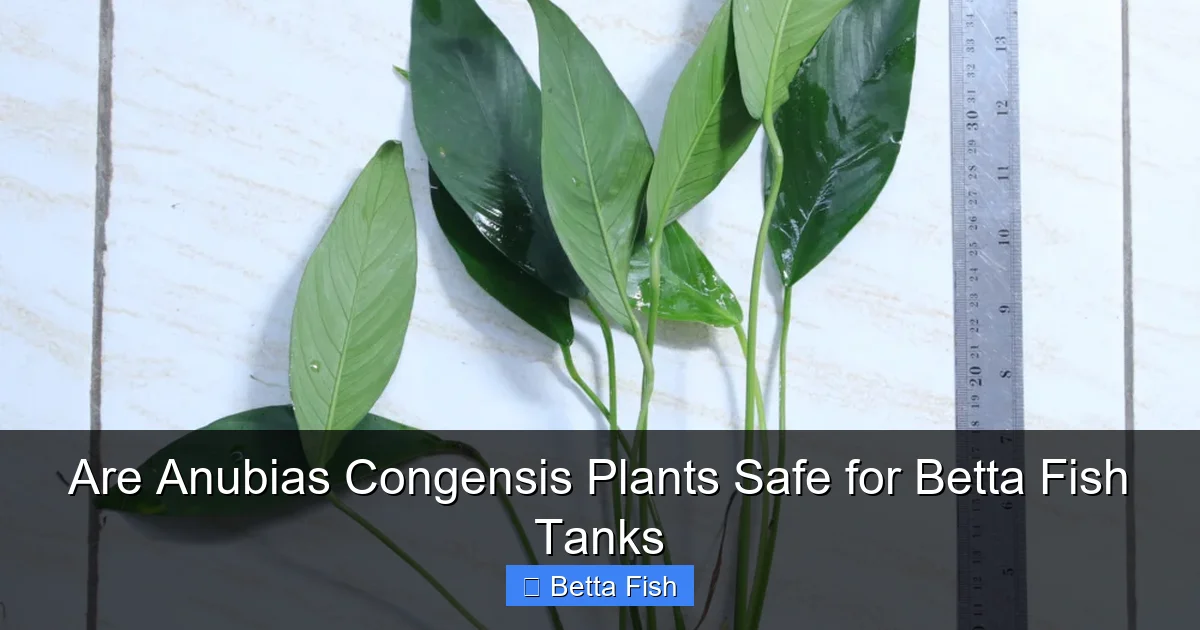
Anubias congensis belongs to the Araceae family, the same family as peace lilies and philodendrons. Native to the slow‑moving rivers and swamps of Central Africa, it has adapted to low‑light, low‑flow environments. The plant grows from a rhizome that produces sturdy, oval‑shaped leaves that range from deep green to almost black.
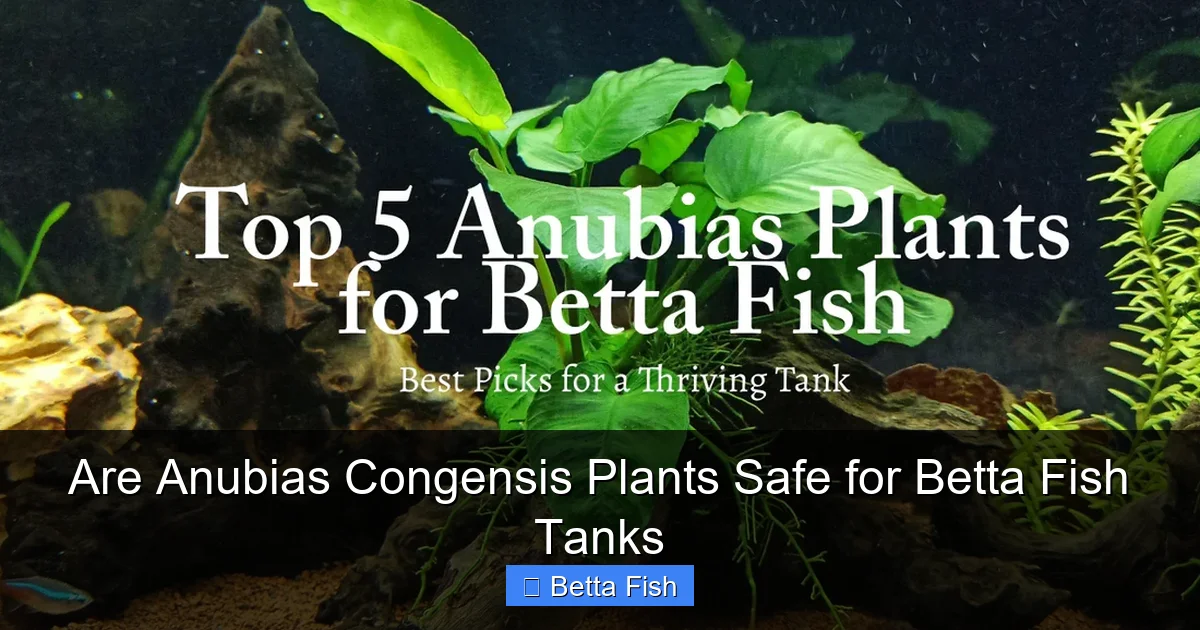
Visual guide about Are Anubias Congensis Plants Safe for Betta Fish Tanks
Image source: tropicflow.com
Growth habit
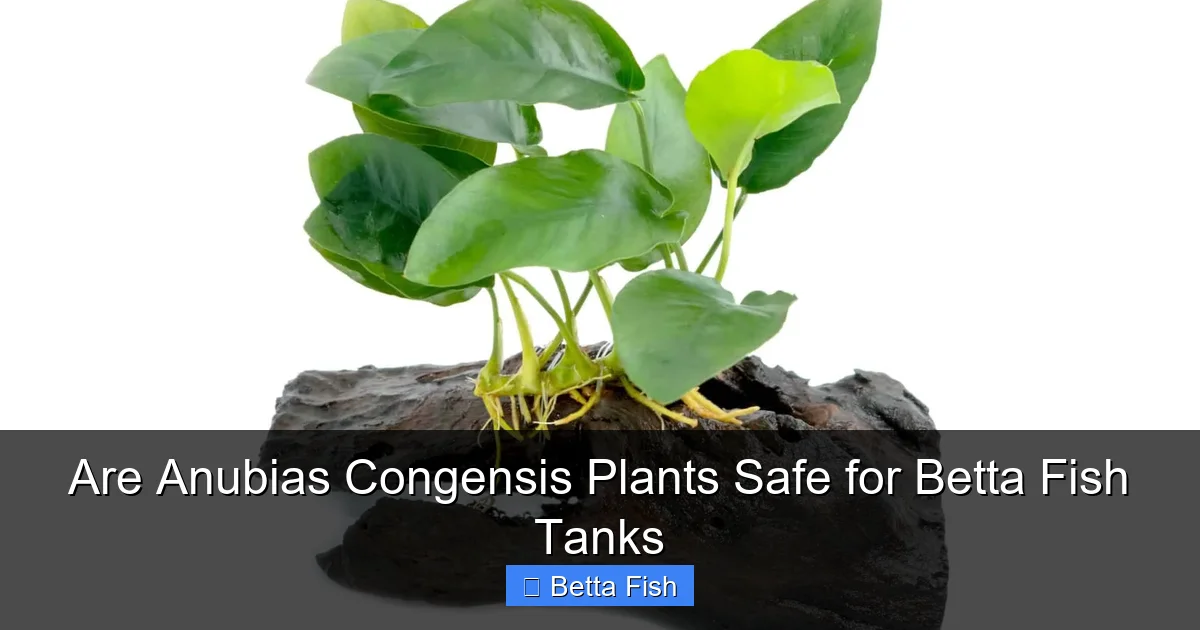
Unlike many fast‑growing stem plants, Anubias congensis is a “root‑only” grower. The rhizome spreads horizontally, sending out new leaves as it expands. This makes it ideal for small tanks because it won’t outgrow the space quickly. However, the rhizome must stay out of the substrate to avoid rot.
Are Anubias Congensis Plants Safe for Betta Fish?
Non‑toxic and gentle
All Anubias species, including congensis, are listed as non‑toxic to freshwater fish. They contain no sharp edges or chemical defenses that could harm a betta’s delicate fins. In fact, many betta keepers report that their fish actually seem calmer when given a sturdy leaf to rest on.
Visual guide about Are Anubias Congensis Plants Safe for Betta Fish Tanks
Image source: i0.wp.com
Compatibility with betta behavior
Betta fish are naturally curious and love to explore vertical surfaces. The broad leaves of Anubias congensis provide perfect perches for a betta to rest its fins. Just watch for overly aggressive individuals that might nip at the leaf edges—though this is rare.
Water quality considerations
Because Anubias congensis absorbs nitrates and produces oxygen, it can help keep ammonia and nitrite spikes low. This is a big win for betta owners who may not have a fully cycled tank yet. The plant does not demand high water flow, which aligns well with the calm water bettas prefer.
Setting Up Anubias Congensis in a Betta Tank
Choosing the right tank size
Even though Anubias is small, a betta still needs room to swim. Aim for a minimum of 2.5‑5 gallons, which also gives you enough space to place the plant without crowding. For more detailed guidance, check out our article on What Size Tank For A Betta Fish.
Visual guide about Are Anubias Congensis Plants Safe for Betta Fish Tanks
Image source: fishlaboratory.com
Lighting needs
Anubias congensis thrives under low to moderate light (about 0.5‑2 watts per gallon). Too much light can cause algae to grow on the leaves. A simple LED strip or a compact fluorescent bulb placed on a 10‑hour schedule works well.
Substrate and attachment
Because the rhizome should never be buried, you have two options:
- Attach to décor: Use fishing line or zip ties to secure the rhizome to a driftwood branch or rock.
- Plant in a shallow substrate: Place the rhizome on top of a thin layer of soil or sand, ensuring it stays exposed.
Either method allows the plant’s roots to reach the nutrient‑rich water column without suffocating.
Fertilization and CO₂
Anubias is a low‑nutrient plant, so you don’t need heavy dosing. A weekly liquid fertilizer at half the recommended dose is sufficient. Adding CO₂ is optional; the plant will do fine without it, which keeps the setup simple for beginners.
Water parameters
Match the water to your betta’s needs and the plant’s natural habitat:
- Temperature: 76‑82°F (24‑28°C)
- pH: 6.5‑7.5
- Hardness: Soft to moderately hard (4‑12 dGH)
Regular water changes (20‑30% weekly) keep both fish and plant thriving. For a deeper dive on water basics, see What Water To Use For Betta Fish.
Benefits of Adding Anubias Congensis to Your Betta Tank
Natural hiding spots
Betta fish love to rest under leaves or behind roots. Anubias provides a stable shelter that reduces stress, especially during molting or when introducing a new fish.
Algae control
By outcompeting algae for nutrients, Anubias can keep the glass cleaner. Its slow growth means you won’t have to trim constantly.
Improved water chemistry
Live plants absorb nitrates, which helps keep the water clearer and reduces the frequency of large water changes.
Aesthetic appeal
The dark, glossy leaves contrast beautifully with the bright colors of a betta, creating a mini‑rainforest look.
Potential Challenges and How to Overcome Them
Algae on leaves
If you notice brown or green spots, reduce lighting duration by 1‑2 hours or increase water flow slightly. Gently wipe leaves with a soft cloth during water changes.
Leaf loss
Betas sometimes nibble on soft new growth. Provide alternative “chew toys” like floating plants or smooth rocks to divert attention.
Rhizome rot
Accidental burial is the most common cause. Double‑check placement during setup and consider using a mesh cup to keep the rhizome elevated.
Fertilizer buildup
Over‑dosing can lead to cloudy water and excess algae. Stick to half the recommended dose and monitor water parameters weekly.
Practical Tips for a Thriving Betta‑Anubias Pair
- Start with a small piece: A 2‑inch rhizome is enough for a 5‑gallon tank.
- Secure it well: Use a piece of fishing line that can be removed later for cleaning.
- Combine with other low‑light plants: Java moss or Cryptocoryne can add variety without increasing care load.
- Observe your betta: If it spends most of the day under the leaf, the plant is doing its job.
- Schedule regular checks: Every two weeks, inspect roots for decay and trim any yellowing leaves.
Conclusion: A Safe, Easy, and Beautiful Choice
In short, Anubias congensis is safe for betta fish tanks** and offers a host of benefits that enhance both the health of your fish and the visual appeal of the aquarium. Its low‑light tolerance, slow growth, and non‑toxic nature make it especially suited for beginners who want a live‑plant setup without the hassle of high‑maintenance species.
By following the simple guidelines above—proper placement of the rhizome, moderate lighting, gentle fertilization, and regular water changes—you’ll create a miniature underwater garden that your betta will love to explore. Happy planting!
Frequently Asked Questions
Can Anubias congensis cause any harm to betta fins?
No. The plant is non‑toxic and has smooth leaves, so it won’t damage a betta’s delicate fins. Occasionally a very aggressive betta might nip at loose leaves, but this is uncommon.
Do I need CO₂ injection for Anubias congensis?
CO₂ is not required. Anubias is a low‑demand plant that thrives in typical betta tank conditions without supplemental CO₂.
How often should I trim Anubias congensis?
Only trim dead or yellowing leaves. Because the plant grows slowly, you’ll rarely need to prune for size control.
Is Anubias congensis compatible with other fish species?
Yes. Its hardy nature makes it suitable for community tanks with peaceful species, provided the tank size meets the needs of all inhabitants.
Can I propagate Anubias congensis?
Absolutely. Cut a healthy rhizome segment with a few leaves, secure it to décor, and it will root and grow a new plant.
Where can I buy healthy Anubias congensis plants?
Look for reputable online retailers or local aquarium shops. For more buying tips, read our guide on Where To Buy Live Plants For Betta Fish.