Can Betta Fish Be Placed with Other Fish
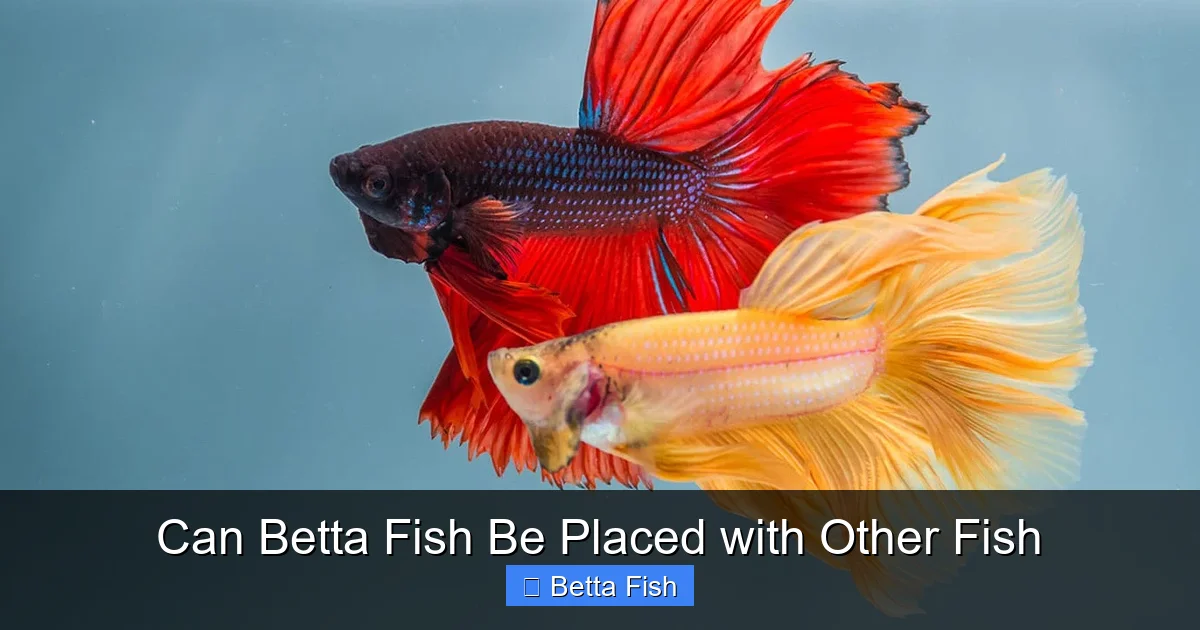
Betta fish are famous for their vibrant colors and feisty personalities, which often lead owners to wonder if they can live with other fish. While some community tanks work well, success depends on tank size, gender, and choosing the right peaceful companions.
Key Takeaways
- Tank size matters: A minimum of 20 gal gives a betta enough space to establish territory.
- Gender is critical: Male bettas rarely coexist with other males; females are more forgiving.
- Choose peaceful tank mates: Small, non‑aggressive fish and invertebrates are the safest options.
- Observe behavior daily: Early signs of stress or aggression indicate a need to rearrange the community.
- Provide plenty of hiding spots: Plants, caves, and decorations reduce stress and prevent fights.
- Maintain water quality: Good filtration and regular water changes keep all fish healthy.
- Research each species: Compatibility varies; always double‑check the needs of every new inhabitant.
📑 Table of Contents
- Introduction: The Betta’s Reputation and the Big Question
- Understanding Betta Behavior
- Tank Size and Setup: The Foundation for Compatibility
- Choosing the Right Tank Mates
- Male vs. Female Betta Compatibility
- Betta with Other Betta Fish: A Special Case
- Invertebrate Tank Mates: Shrimp and Snails
- Practical Tips for a Successful Community
- Conclusion: Making the Decision
Introduction: The Betta’s Reputation and the Big Question
Betta fish, also called Siamese fighting fish, are famous for their flamboyant fins and bold personalities. Because male bettas will flare and fight if they see a rival, many hobbyists ask the same question: can betta fish be placed with other fish in a community tank?
The short answer is “it depends.” With the right tank size, careful selection of tank mates, and vigilant monitoring, a betta can share a peaceful home with certain species. This guide walks you through every factor you need to consider, from gender differences to water parameters, so you can make an informed decision and keep all your aquatic friends thriving.
Understanding Betta Behavior
Territorial instincts
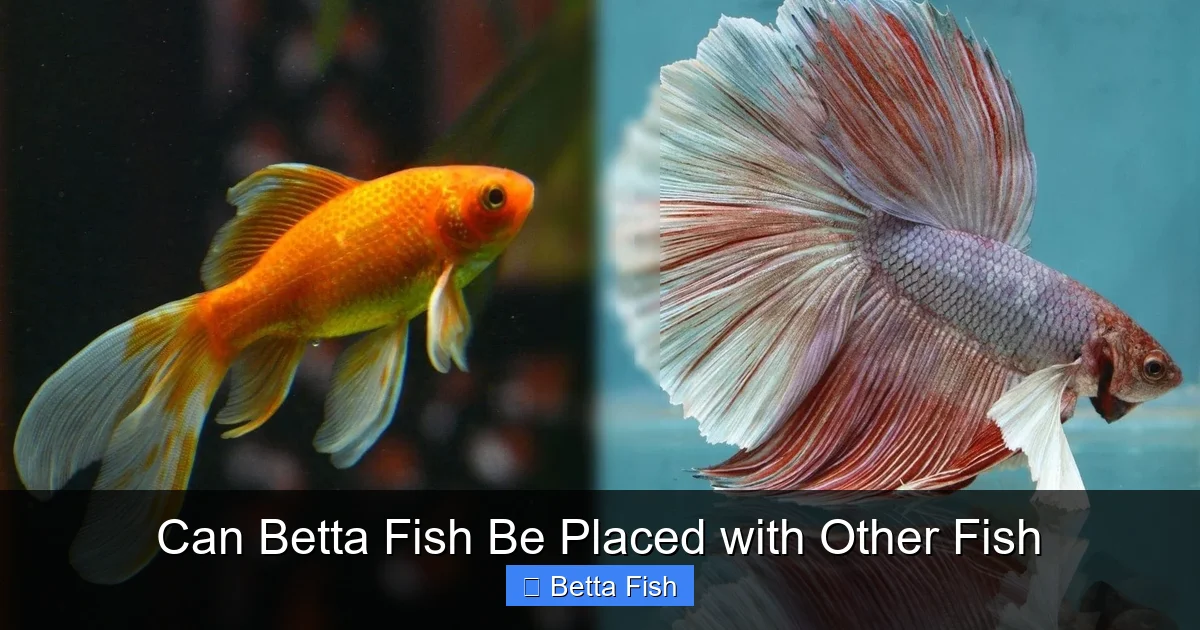
Male bettas evolved to guard their breeding sites in shallow rice paddies. In the wild, they defend a small area from other males. In an aquarium, this translates to a strong desire to claim the top half of the tank and any décor that resembles a rival’s “nest.”
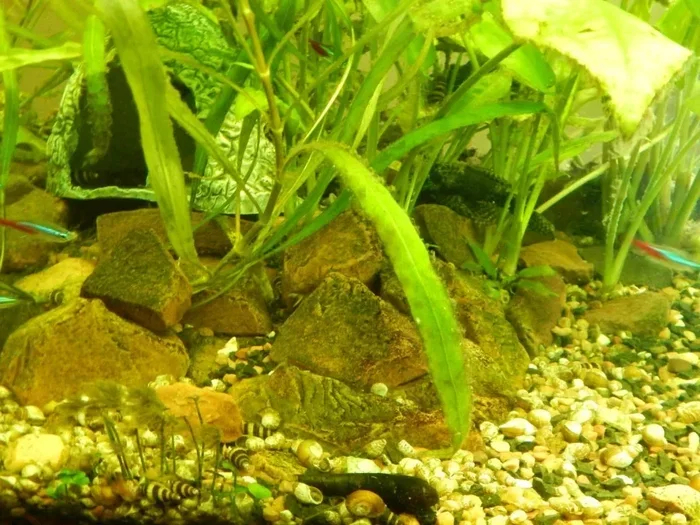
Visual guide about Can Betta Fish Be Placed with Other Fish
Image source: hepper.com
Peaceful females
Female bettas (often sold as “bettas” in groups) are generally less aggressive. They still have a hierarchy, but they can coexist more easily when given enough space and hiding places.
Individual personality
Every betta is unique. Some are laid‑back and will ignore a gentle community, while others will attack anything that moves near them. Observing your fish’s temperament over a week before adding any new inhabitants is essential.
Tank Size and Setup: The Foundation for Compatibility
Why bigger is better
A common myth is that a 5‑gallon tank is sufficient for a betta. While a single betta can survive in that space, a community setup requires at least 20 gallons. More water means more room for territories, less competition for oxygen, and a more stable environment.
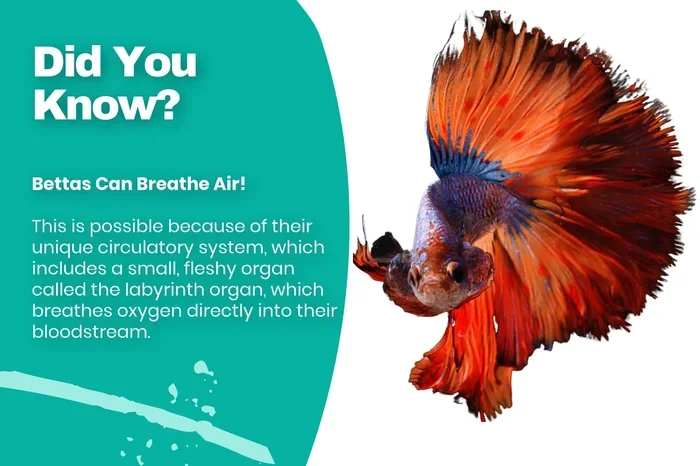
Visual guide about Can Betta Fish Be Placed with Other Fish
Image source: aniimad.com
Creating zones
Divide the aquarium into three zones: the top (betta’s favorite), the mid‑water, and the bottom. Place plants, driftwood, and caves in each zone to give every fish a place to claim. This layout mimics a natural habitat and reduces the chance of direct confrontations.
Filtration and water quality
Betta fish thrive in warm, still water, but they still need clean water. A low‑flow sponge filter or a gentle hang‑on‑back filter works well, providing aeration without creating strong currents that stress a betta.
Choosing the Right Tank Mates
General guidelines
When answering can betta fish be placed with other fish, keep these rules in mind:
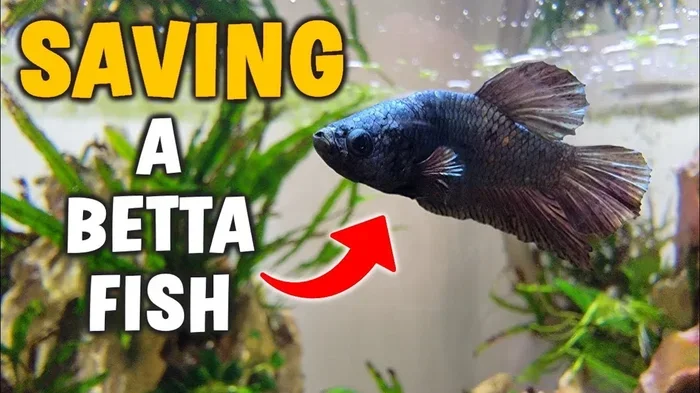
Visual guide about Can Betta Fish Be Placed with Other Fish
Image source: bettasource.com
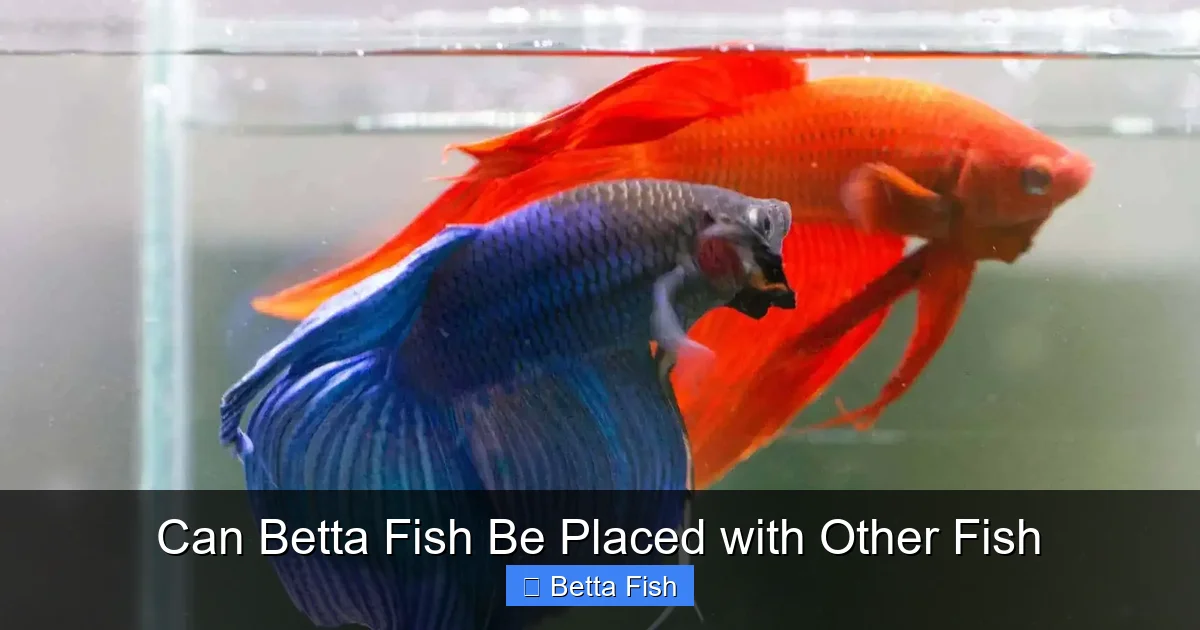
- Avoid fin‑nippers (e.g., tiger barbs, guppies with long tails).
- Prefer bottom‑dwelling or mid‑level fish that won’t compete for surface space.
- Select species that stay below 2 inches to prevent intimidation.
- Look for peaceful, non‑aggressive temperaments.
Best community candidates
The following fish are commonly recommended and have a proven track record of cohabiting with bettas:
- Neon Tetras: Small, schooling, and stay in the mid‑water.
- Corydoras Catfish: Bottom‑dwelling, shy, and love to scavenge.
- Harlequin Rasboras: Peaceful schools that occupy the middle of the tank.
- Kuhli Loaches: Hide under substrate and are rarely seen at the surface.
- Otocinclus Catfish: Tiny algae eaters that stay low.
For a deeper dive into compatible species, see our article on What Other Fish Can Live With Betta Fish.
What to avoid
Stay away from bright, fast‑moving fish that may trigger a betta’s aggression, such as:
- Guppies (especially males with flowing fins)
- Fin‑nipping barbs
- Other male bettas (unless you have a massive tank and careful monitoring)
Male vs. Female Betta Compatibility
Male bettas
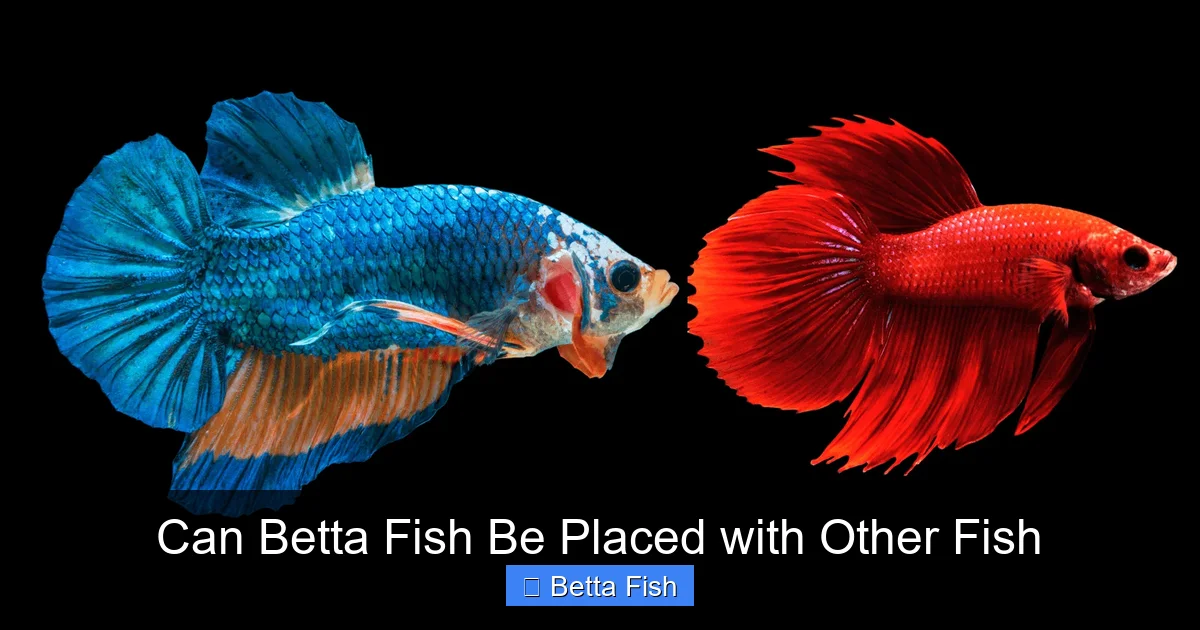
Male bettas are the most territorial of the species. If you’re asking can male betta fish be with other fish, the answer is yes, but only with very peaceful, small species and ample space. A single male should never share a tank with another male unless you have a divided aquarium.
Female bettas
Females are more social and can sometimes be kept in a “sorority” of three to five, provided the tank is large enough (at least 30 gallons) and there are plenty of hiding spots. However, even females can become aggressive if the group becomes overcrowded.
Read more about gender‑specific care in our guide Can Male Betta Fish Be With Other Fish.
Betta with Other Betta Fish: A Special Case
Divided tanks
If you really want two bettas in one aquarium, a divided tank works best. Each side has its own filtration and heating, and a solid acrylic barrier prevents visual contact, which reduces aggression.
Female‑only groups
Some experienced hobbyists keep a group of female bettas together, but this requires a very large tank (40 gallons or more) and constant observation.
Explore the nuances of betta‑to‑betta housing in Can Betta Fish Be With Other Betta Fish.
Invertebrate Tank Mates: Shrimp and Snails
Freshwater shrimp
Ghost shrimp and cherry shrimp can coexist with a betta if the betta is not overly aggressive. Provide plenty of leafy plants and hideouts for the shrimp to escape.
Snails
Apple snails, nerite snails, and mystery snails are generally safe. They move slowly and stay on the glass, which most bettas ignore.
Practical Tips for a Successful Community
Acclimation process
When adding new fish, use the drip acclimation method to match water parameters slowly. This reduces stress and lowers the chance of a defensive flare from the betta.
Monitoring and intervention
Watch the betta for the first 48 hours. Signs of stress include constant flaring, loss of color, or hiding. If aggression appears, be ready to remove the newcomer or provide a temporary divider.
Feeding strategies
Feed bettas at the surface with high‑quality pellets, and offer sinking foods for bottom dwellers. This prevents competition and ensures each species gets its nutrition.
Regular maintenance
Change 25 % of the water weekly, clean the substrate, and prune plants. Good water quality keeps the betta’s immune system strong and reduces territorial aggression.
Conclusion: Making the Decision
So, can betta fish be placed with other fish? Yes—provided you respect their territorial nature, choose compatible tank mates, and give them a spacious, well‑decorated home. Start with a larger tank, select peaceful species, and monitor interactions closely. With patience and proper setup, your betta can enjoy a vibrant community without losing its signature charm.
Frequently Asked Questions
Can a male betta live with other fish?
Yes, a male betta can share a tank with small, non‑aggressive fish if the aquarium is at least 20 gallons and there are plenty of hiding places.
What fish are safest to keep with a betta?
Peaceful bottom dwellers like Corydoras, small schooling fish such as neon tetras, and gentle rasboras are among the safest choices.
Will a betta attack shrimp?
Some bettas ignore shrimp, while others may see them as prey. Providing dense planting gives shrimp a place to hide and reduces risk.
Can I keep two female bettas together?
It’s possible in a large (30+ gallon) tank with ample décor, but you must watch for signs of stress and be ready to separate them if aggression arises.
Do bettas need a heater in a community tank?
Yes. Betta fish thrive at 76‑82°F (24‑28°C). A reliable aquarium heater keeps the temperature stable for all inhabitants.
What should I do if my betta starts flaring at new fish?
Remove the new fish to a quarantine tank, add more plants or decorations, and re‑introduce them slowly after a few days of observation.