Am Ia Good Betta Fish Owner Quiz
Curious if you’re a top‑notch betta fish keeper? This friendly quiz walks you through the essentials—tank size, water quality, diet, and enrichment—so you can see where you shine and where you might improve. Take the quiz, learn practical tips, and keep your betta thriving.
Key Takeaways
- Self‑assessment matters: The quiz highlights five core care areas that separate good owners from great ones.
- Tank size is non‑negotiable: A 5‑gallon minimum provides space, stability, and a healthier environment.
- Water quality wins: Regular testing and proper filtration prevent stress and disease.
- Balanced diet fuels color: Live foods, high‑quality pellets, and occasional treats keep fins vibrant.
- Enrichment prevents boredom: Live plants, hiding spots, and interactive toys mimic a natural habitat.
- Routine checks catch problems early: Spotting fin rot, white‑spot disease, or temperature swings saves lives.
- Continuous learning: Use reputable resources and community forums to stay updated on betta care.
📑 Table of Contents
Introduction: Why a Quiz Can Be Your Betta’s Best Friend
Betta fish are stunning, but they’re also surprisingly sensitive. Many first‑time owners think a tiny bowl and a handful of flakes are enough. That myth leads to common problems—fin rot, dull colors, and early deaths. A quick self‑assessment can shine a light on hidden gaps in your routine.
That’s why we created the “Am I a Good Betta Fish Owner Quiz.” It’s not a trick test; it’s a friendly checklist that turns everyday habits into clear scores. By the end, you’ll know exactly what you’re doing right and which areas need a little extra love.
How the Quiz Works
Five Pillars of Betta Care
Each question in the quiz falls under one of five pillars:

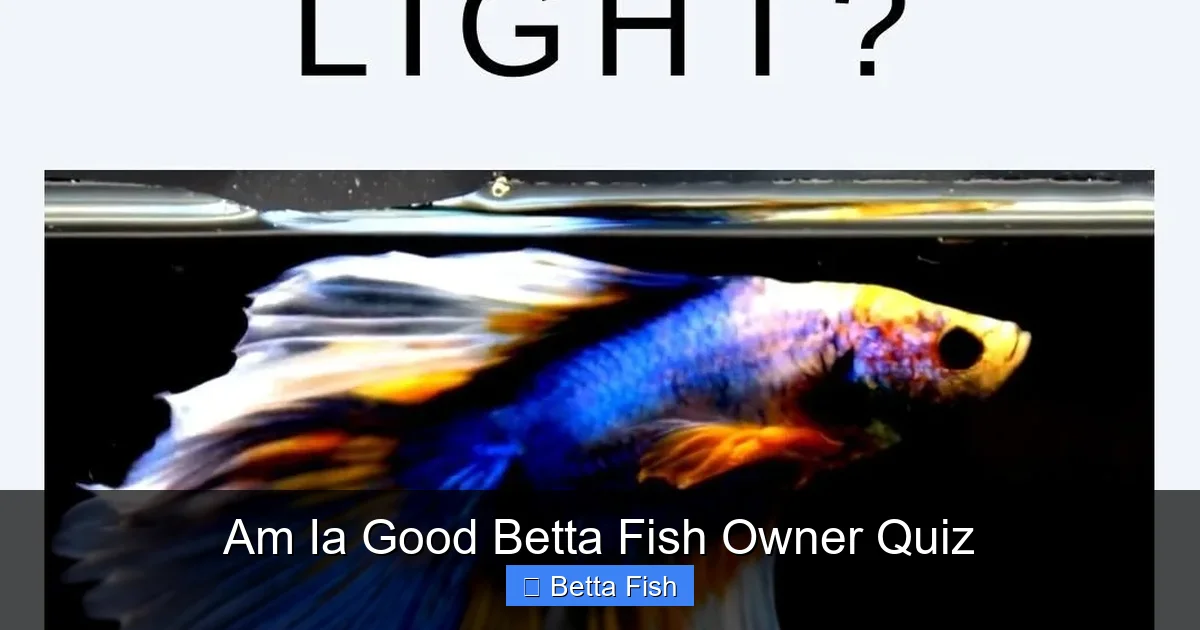
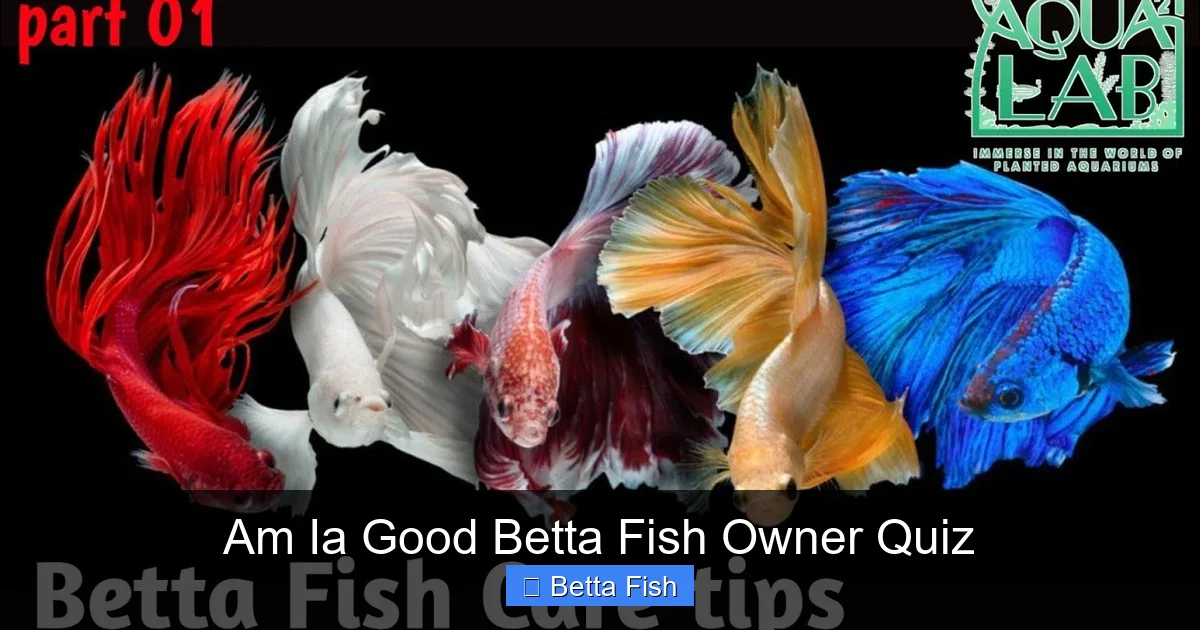
Visual guide about Am Ia Good Betta Fish Owner Quiz
Image source: gotoquiz.com
- Tank & Space – size, shape, and décor.
- Water Quality – temperature, pH, and cleaning schedule.
- Nutrition – type, frequency, and variety of food.
- Enrichment – plants, toys, and interaction.
- Health Monitoring – spotting signs of stress or disease.
Answer honestly, tally your points, and compare your total to the rating chart at the end. No judgment—just a roadmap to a healthier, happier betta.
Take the Quiz: Score Your Betta‑Keeping Skills
Tank & Space (0–20 points)
- What size tank do you keep your betta in?
a) Less than 2 gallons – 0 pts
b) 2–4 gallons – 5 pts
c) 5 gallons or larger – 10 pts - Do you use a lid or cover to prevent jumping?
a) No – 0 pts
b) Sometimes – 5 pts
c) Always – 10 pts - Is the tank decorated with live or silk plants, caves, or driftwood?
a) Bare glass – 0 pts
b) One plastic decoration – 5 pts
c) Multiple live plants or silk décor – 10 pts
Water Quality (0–20 points)
- How often do you change the water?
a) Every 2‑3 weeks – 0 pts
b) Once a week – 5 pts
c) 25‑30% change every 2‑3 days – 10 pts - Do you test temperature and pH regularly?
a) Never – 0 pts
b) Occasionally – 5 pts
c) Weekly with a reliable test kit – 10 pts - Is the water kept at 76‑82°F (24‑28°C) with a heater?
a) No heater, room temp only – 0 pts
b) Heater but temperature fluctuates – 5 pts
c) Stable heater, checked daily – 10 pts
Nutrition (0–20 points)
- What do you feed your betta most often?
a) Only dry flakes – 0 pts
b) Flakes + occasional pellets – 5 pts
c) High‑quality pellets + live/frozen foods (brine shrimp, daphnia) – 10 pts - How many feedings per day?
a) One large feeding – 0 pts
b) Two small feedings – 5 pts
c) Two to three small feedings, no over‑feeding – 10 pts - Do you vary the diet to keep colors bright?
a) Never – 0 pts
b) Sometimes – 5 pts
c) Regularly rotate foods – 10 pts
Enrichment (0–20 points)
- Does your betta have places to explore and hide?
a) No, just open water – 0 pts
b) One leaf or tube – 5 pts
c) Multiple plants, caves, and floating leaves – 10 pts - Do you interact with your betta daily (training, gentle tapping, or bubble watching)?
a) Never – 0 pts
b) Occasionally – 5 pts
c) Daily, with short training sessions – 10 pts - Do you provide stimuli like mirrors or laser pointers for short periods?
a) Never – 0 pts
b) Rarely – 5 pts
c) Occasionally, never stressing the fish – 10 pts
Health Monitoring (0–20 points)
- Do you check your betta’s fins and body daily for signs of rot, white spots, or torn edges?
a) No – 0 pts
b) Sometimes – 5 pts
c) Every day – 10 pts - Are you familiar with the signs of common diseases (dropsy, fin rot, velvet)?
a) Not really – 0 pts
b) Basic knowledge – 5 pts
c) Can diagnose and treat early – 10 pts - Do you keep a water change log or journal?
a) Never – 0 pts
b) Sometimes – 5 pts
c) Yes, detailed notes – 10 pts
Scoring and What It Means
Add up your points (maximum 100). Here’s the quick guide:
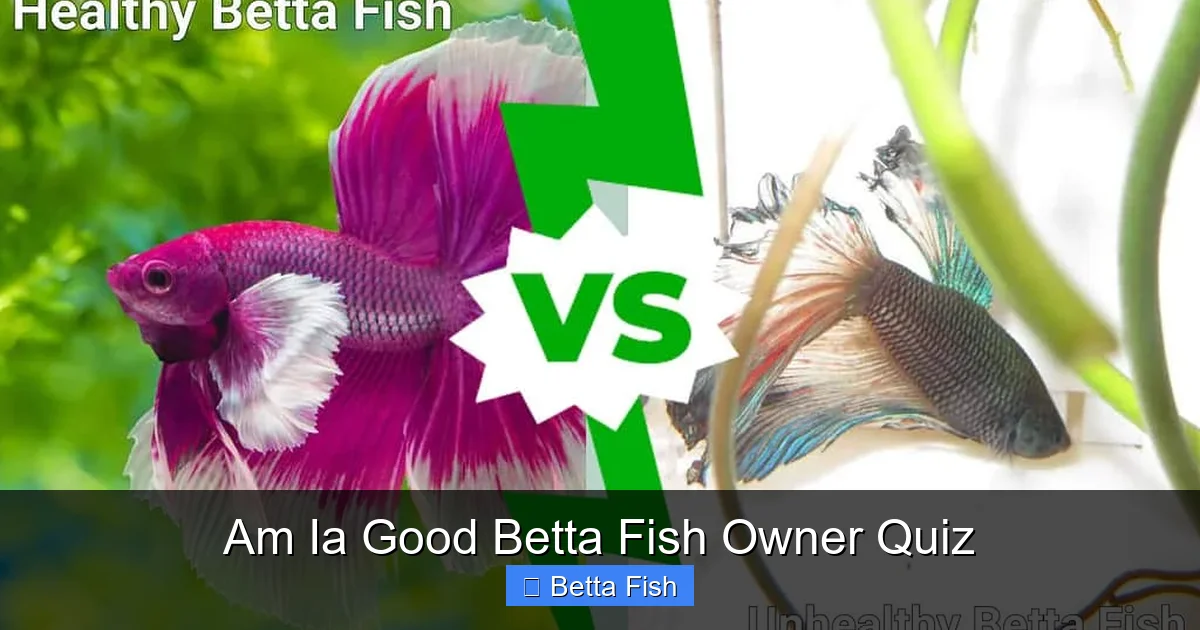
Visual guide about Am Ia Good Betta Fish Owner Quiz
Image source: a-z-animals.com
- 80‑100: Betta‑Care Pro – Your betta is in excellent hands.
- 60‑79: Good Owner – Solid basics, a few tweaks will make you great.
- 40‑59: Needs Improvement – Focus on the low‑scoring pillars.
- Below 40: Beginner Alert – Consider revisiting the basics before adding more fish.
Deep Dive: Improving Each Pillar
1. Tank & Space – Bigger Is Better
A common mistake is the “bowl myth.” Betta fish need room to swim, establish territories, and maintain stable water parameters. A 5‑gallon tank is the sweet spot for a single betta. It also allows you to add live plants, which improve water quality and give natural hiding spots.
Visual guide about Am Ia Good Betta Fish Owner Quiz
Image source: i.ytimg.com
Tip: Use a rectangular tank with a front glass view. This lets you observe behavior without disturbing the fish.
2. Water Quality – The Lifeblood of Betta Health
Betas thrive at 76‑82°F (24‑28°C). Temperature swings of more than 2°F stress them. A reliable heater with an automatic shut‑off is worth the investment.
Testing water weekly for pH (6.5‑7.5) and ammonia/nitrite levels prevents toxic buildups. A simple liquid test kit costs under $15 and lasts months.
Tip: Change 25‑30% of the water every 2‑3 days during the first two weeks after setting up a new tank. This removes chlorine, chloramine, and any leftover chemicals.
3. Nutrition – Colorful, Balanced Meals
High‑quality betta pellets should be the staple. Look for products with at least 40% protein and minimal fillers. Supplement with live or frozen foods 2‑3 times a week to boost coloration and mimic natural hunting.
Avoid over‑feeding. Betta stomachs are about the size of their eye; a pea‑sized amount per feeding is enough.
Tip: Freeze‑thaw brine shrimp before offering. This kills parasites while keeping the nutritional value.
4. Enrichment – Keep the Curious Mind Happy
Betta fish are natural explorers. Live plants like Java fern or Anubias are sturdy, low‑light options that also help filter water. Check out our guide on Which Live Plants Are Good For Betta Fish for more ideas.
Interactive toys such as floating logs or safe mirrors for a few minutes each day stimulate their territorial instincts without causing chronic stress.
Tip: Rotate décor every month to keep the environment fresh and engaging.
5. Health Monitoring – Spot Problems Early
Daily visual checks are quick: look for ragged fins, white spots, bloated abdomen, or loss of appetite. If you see fin rot, raise the temperature slightly (to ~84°F) and treat with a betta‑safe antibacterial medication.
For more on fin health, read Can Betta Fish Fins Grow Back to understand regenerative limits.
Tip: Keep a simple spreadsheet: date, water parameters, feed type, and any observations. Patterns become obvious over weeks.
Putting It All Together: A Sample Week
Here’s a realistic schedule that hits every pillar. Feel free to adapt it to your routine.
- Monday: Test temperature and pH. 25% water change. Feed high‑quality pellets + a pinch of frozen daphnia.
- Tuesday: Observe behavior for 5 minutes. Rotate a silk leaf.
- Wednesday: No feed (fast day) to aid digestion. Spot‑clean the tank.
- Thursday: Feed pellets + live brine shrimp. Check fins for any signs of rot.
- Friday: Add a small amount of crushed algae wafer for gut health.
- Saturday: 25% water change. Re‑test parameters. Play a short bubble‑stream game.
- Sunday: Rest day. Just enjoy watching your betta glide.
This routine balances nutrition, water quality, enrichment, and monitoring without feeling overwhelming.
Conclusion: Your Betta Deserves the Best
Taking the “Am I a Good Betta Fish Owner Quiz” is the first step toward confident, informed care. The quiz highlights strengths and reveals hidden gaps, while the detailed sections above give you actionable steps to improve. Remember, betta keeping is a journey—each small adjustment adds up to a healthier, more vibrant fish.
Re‑take the quiz every few months. As you implement changes, you’ll see scores climb, and your betta’s colors will glow brighter. Happy fishkeeping!
Frequently Asked Questions
How often should I change the water for my betta?
Ideally change 25‑30% of the water every 2‑3 days during the first weeks, then shift to a weekly 25% change once the tank is stable.
Can betta fish live with other fish?
Yes, but only with peaceful, non‑fin‑nipping species like small rasboras or certain shrimp. Always research compatibility first.
What temperature is best for a betta fish?
Betta fish thrive at 76‑82°F (24‑28°C). Use a reliable heater and a thermometer to keep the temperature steady.
Do bettas need live plants?
Live plants improve water quality and provide natural hiding spots, which reduce stress. Good options include Java fern, Anubias, and Marimo moss balls.
How can I tell if my betta is sick?
Watch for ragged fins, loss of color, rapid breathing, or a bloated abdomen. Early detection and proper treatment are key to recovery.
Is it okay to feed my betta once a day?
Betta fish do best with two small feedings per day. This mimics their natural feeding pattern and helps prevent over‑eating.