A Betta Fish for My Aquarium
Thinking about adding a betta fish to your home tank? This guide walks you through everything you need to know—from the perfect tank size to water temperature, feeding, and long‑term care. Follow our friendly, step‑by‑step advice and watch your betta thrive in a healthy, beautiful aquarium.
Key Takeaways
- Tank size matters: A minimum of 5 gallons gives your betta space to swim and stay healthy.
- Stable temperature is crucial: Keep water between 76‑82°F (24‑28°C) for optimal health.
- Filtration and heating work together: A gentle filter plus a reliable heater create a stable environment.
- Diet diversity prevents disease: Mix high‑quality pellets with occasional frozen or live foods.
- Regular maintenance prevents problems: Weekly water changes and monthly gravel cleaning keep water parameters in check.
- Enrichment boosts happiness: Live plants, caves, and floating toys encourage natural behavior.
- Watch for warning signs: Changes in color, behavior, or bubble‑nest activity can signal stress.
📑 Table of Contents
- Why a Betta Fish Is the Perfect First Aquarium Resident
- Choosing the Right Tank for a Betta
- Setting Up the Perfect Environment
- Feeding Your Betta: A Balanced Menu
- Maintaining Water Quality
- Health and Behavior: What to Watch For
- Enrichment: Making Life Fun for Your Betta
- Frequently Asked Questions About a Betta Fish for My Aquarium
Why a Betta Fish Is the Perfect First Aquarium Resident
Betta fish are famous for their dazzling colors and flowing fins. They are also hardy enough for beginners, yet interesting enough to keep experienced hobbyists engaged. If you’ve ever thought, “a betta fish for my aquarium sounds fun,” you’re not alone. Their low‑maintenance nature and ability to thrive in smaller tanks make them a popular choice.
But “low‑maintenance” does not mean “no‑care.” Understanding the basics—tank size, water temperature, diet, and enrichment—will help you avoid the common pitfalls that cause many beginners to lose their fish within weeks.
Choosing the Right Tank for a Betta
Minimum size and why bigger is better
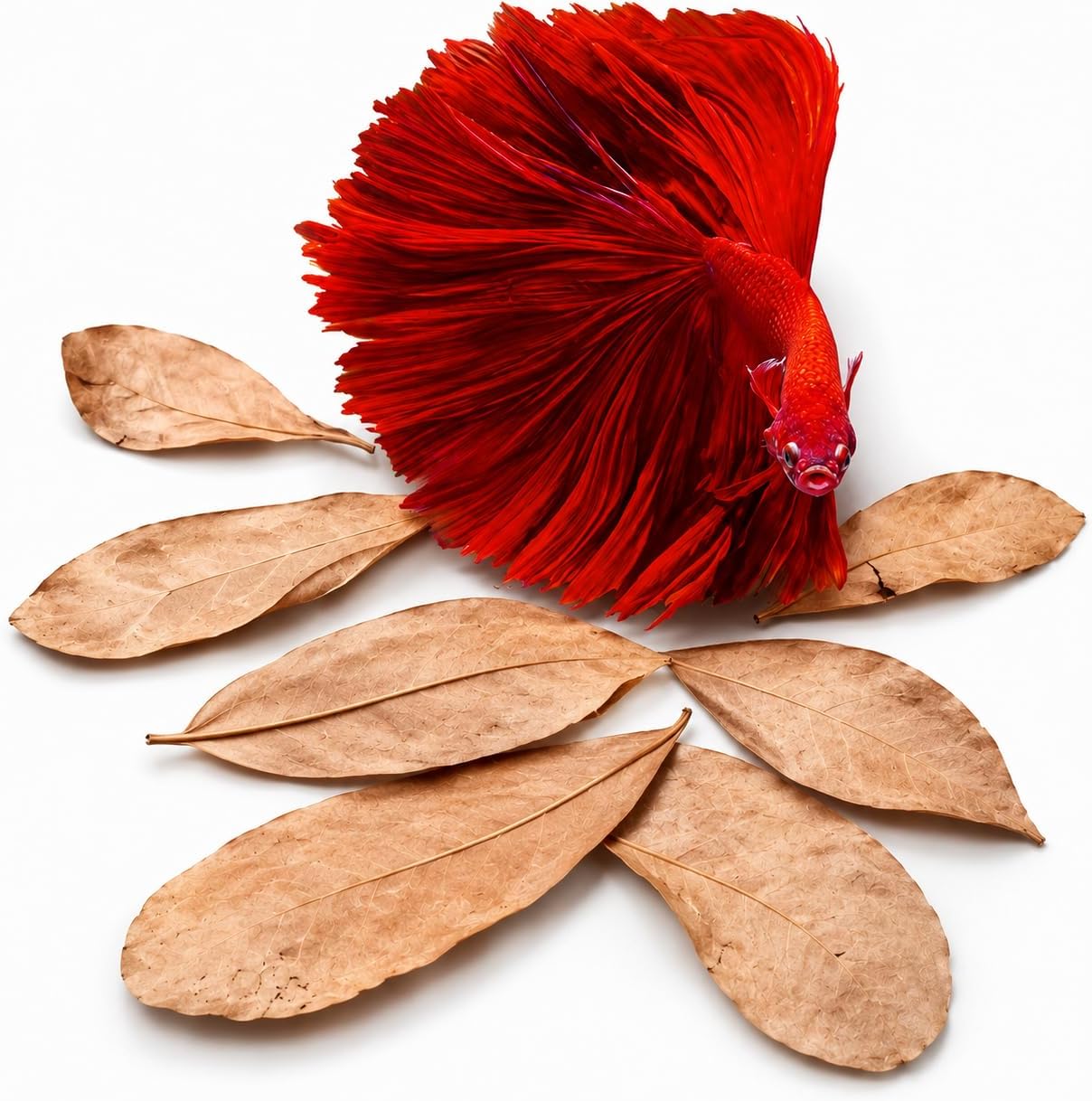
The myth that bettas can live happily in tiny bowls has been busted. A minimum of 5 gallons provides enough water volume to dilute waste and keep parameters stable. Bigger tanks also give your fish room to explore, reducing boredom and aggression.

Visual guide about A Betta Fish for My Aquarium
Image source: m.media-amazon.com
Tank shape and decorations
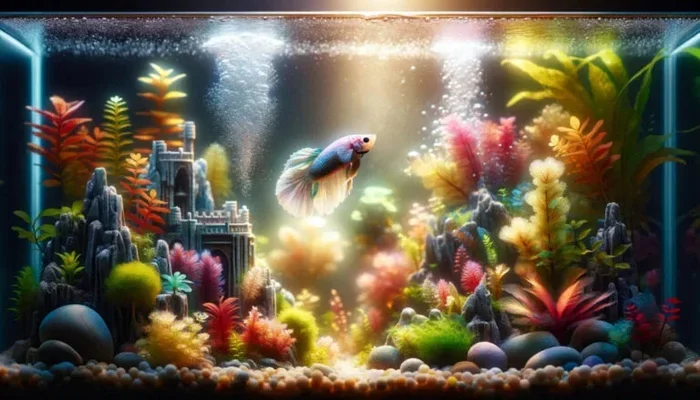
Horizontal tanks are ideal because bettas love to glide near the surface. Add gentle slopes, smooth rocks, and live or silk plants. Avoid sharp ornaments that could tear their delicate fins.
Setting Up the Perfect Environment
Water temperature and heating
Betta fish are tropical and need warm water. Aim for 76‑82°F (24‑28°C). A reliable aquarium heater will keep the temperature steady, especially in cooler rooms. For more details on temperature, see our guide on what temperature should water be for a betta fish.
Filtration and water flow
Betas prefer calm water, so choose a sponge filter or a low‑flow hang‑on‑back filter. The filter provides biological filtration without creating strong currents that can stress the fish.
Substrate and plants
Fine gravel or sand works well. Live plants such as Java fern, Anubias, or Marimo moss not only look great but also help absorb nitrates and provide hiding spots.
Feeding Your Betta: A Balanced Menu
What to feed daily
High‑quality betta pellets should make up the bulk of the diet. Feed 2‑3 pellets once or twice a day, only what the fish can eat in two minutes.

Visual guide about A Betta Fish for My Aquarium
Image source: thumb.ac-illust.com
Supplemental treats
Frozen or live foods—brine shrimp, daphnia, or bloodworms—add protein and variety. Offer these treats 1‑2 times per week to keep your betta interested and healthy.
Common feeding mistakes
- Overfeeding leads to cloudy water and digestive issues.
- Feeding only pellets can cause vitamin deficiencies.
- Never feed human food or bread.
Maintaining Water Quality
Weekly water changes
Change 25‑30% of the water each week. Use a water conditioner to remove chlorine and chloramines. This simple routine keeps ammonia and nitrite levels low.
Testing parameters
Invest in a basic test kit. Keep ammonia at 0 ppm, nitrite at 0 ppm, and nitrate below 20 ppm. pH should sit between 6.5 and 7.5.
Cleaning the tank
Use a gravel vacuum to remove debris without disturbing the beneficial bacteria. Wipe the glass with an algae scraper as needed.
Health and Behavior: What to Watch For
Bubble nests and breeding signs
Male bettas build bubble nests at the water surface when they are ready to breed. A healthy nest indicates good water quality and low stress. Learn more about bubble nests here.
Signs of stress or illness
- Lethargic swimming or hiding.
- Faded colors or white patches on fins.
- Rapid gill movement or labored breathing.
If you notice any of these, test water parameters first, then consider a quarantine tank.
Enrichment: Making Life Fun for Your Betta
Toys and tunnels
Silk hammocks, floating logs, and small caves give your betta places to rest and explore. Rotate decorations every few weeks to keep the environment fresh.
Interaction tips
Betas recognize their owners. Spend a few minutes each day watching, talking, or gently tapping the glass. This interaction reduces stress and strengthens the bond.
Frequently Asked Questions About a Betta Fish for My Aquarium
Below are quick answers to the most common queries new betta owners have.
Frequently Asked Questions
Can I keep a betta in a 2‑gallon bowl?
Technically a betta can survive in a small bowl, but it will suffer from poor water quality and limited space. A 5‑gallon tank is the minimum for a healthy, active fish.
Do I need a heater for a betta?
Yes. Betta fish are tropical and need water kept between 76‑82°F (24‑28°C). A small, adjustable heater ensures a stable temperature year‑round.
How often should I feed my betta?
Feed 2‑3 small pellets once or twice daily, only what the fish can consume in two minutes. Add frozen or live foods a couple of times per week for variety.
What is the ideal tank setup for a betta?
A 5‑gallon tank with a gentle filter, heater, soft substrate, and live or silk plants creates a natural, low‑stress environment. Check out our detailed guide on how to set up a tank for a betta fish for step‑by‑step instructions.
Can I keep other fish with my betta?
Yes, but only peaceful, small species that won’t nip at the betta’s fins. Avoid fin‑nipping tetras, guppies, or brightly colored barbs. Research each species before mixing.
Why is my betta turning white?
White patches can signal stress, poor water quality, or a fungal infection. Test the water, perform a partial change, and consider a treatment if the condition persists.