What Should I Do If My Betta Fish Isn’t Eating

Wondering why your betta isn’t eating? This guide walks you through common reasons, easy checks, and practical fixes so your fish can regain its appetite fast. Follow the steps and watch your betta thrive again.
Key Takeaways
- Check water quality first: Poor parameters are the top reason bettas stop eating.
- Observe behavior and health: Signs of stress or illness often accompany a loss of appetite.
- Adjust diet and feeding routine: Offering varied, appropriate foods can reignite interest.
- Make environmental changes: Temperature, lighting, and tank setup matter more than you think.
- Give it time, but act fast: A few days without food is okay, but longer periods need intervention.
- Know when to seek help: Persistent refusal to eat may signal serious disease.
- Prevention is key: Proper setup and regular maintenance keep appetite problems at bay.
📑 Table of Contents
- Introduction: When Your Betta Stops Eating
- 1. Test the Water: The Most Common Culprit
- 2. Examine the Tank Setup
- 3. Look for Signs of Illness
- 4. Re‑evaluate Your Feeding Routine
- 5. Give Your Betta a Break (Short Fasting Period)
- 6. When to Seek Professional Help
- Conclusion: Patience, Observation, and Action
Introduction: When Your Betta Stops Eating
Betta fish are known for their bright colors and feisty personalities, but like any pet, they can have off days. One of the most worrying signs for a new owner is a betta that simply won’t eat. It’s easy to panic, but before you rush to the pet store, take a breath and read on.
In this article we’ll explore the most common reasons a betta might refuse food, walk you through step‑by‑step checks, and give you practical tips to get that little mouth moving again. By the end, you’ll feel confident that you’re doing everything right for your finned friend.
1. Test the Water: The Most Common Culprit
Why water quality matters
Betta fish are sensitive to ammonia, nitrite, and pH swings. Even a slight dip in water quality can make them lose interest in food. Think of it like us trying to eat a meal in a smelly room – the appetite disappears.

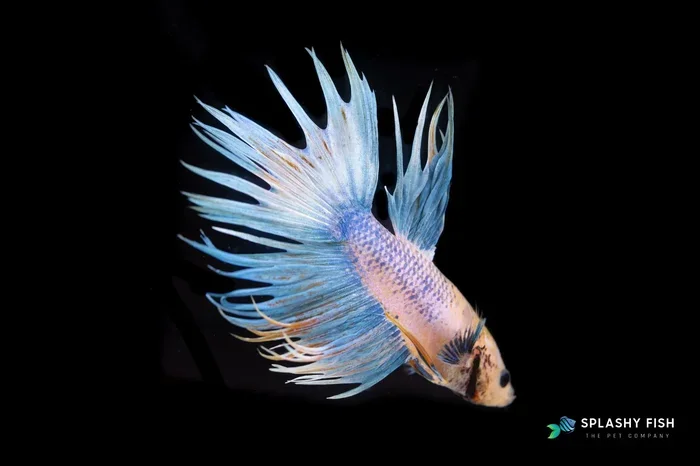
Visual guide about What Should I Do If My Betta Fish Isn’t Eating
Image source: siachenstudios.com
How to test your water
- Use a liquid test kit or test strips to check ammonia, nitrite, nitrate, and pH.
- Ideal parameters for bettas: ammonia < 0 ppm, nitrite < 0.5 ppm, nitrate < 20 ppm, pH 6.5‑7.5.
- Temperature should sit between 76‑82°F (24‑28°C). Too cold can slow metabolism, too hot can stress the fish.
Quick fix if parameters are off
Do a partial water change (25‑30%) with conditioned water that matches the tank’s temperature. Use a water conditioner to neutralize chlorine and chloramine. After the change, re‑test and repeat until values are stable.
2. Examine the Tank Setup
Temperature and heater check
If the water is too cold, your betta’s metabolism will slow, making it less likely to chase food. Use a reliable aquarium heater and a floating thermometer to keep the water steady.

Visual guide about What Should I Do If My Betta Fish Isn’t Eating
Image source: megapx-assets.dcard.tw
Lighting and stress factors
Bright, direct light can cause stress. Provide a natural day/night cycle with 8‑10 hours of light and a dark period. Also, avoid sudden moves of the tank or loud noises.
Tank size and decorations
A cramped space or aggressive tank mates can make a betta feel insecure. Even though bettas are often kept alone, if you have a community tank, ensure companions are peaceful and that there are plenty of hiding spots.
For ideas on compatible tank mates, see What Fish Can I Put With My Betta.
3. Look for Signs of Illness
Physical symptoms to watch
- Faded or clamped fins.
- White spots, cotton‑like growth, or ulcers.
- Rapid breathing or gasping at the surface.
- Lethargy or swimming erratically.
When loss of appetite signals disease
Loss of appetite is often the first clue that something is wrong internally. If you notice any of the above signs, treat the issue before focusing on feeding.

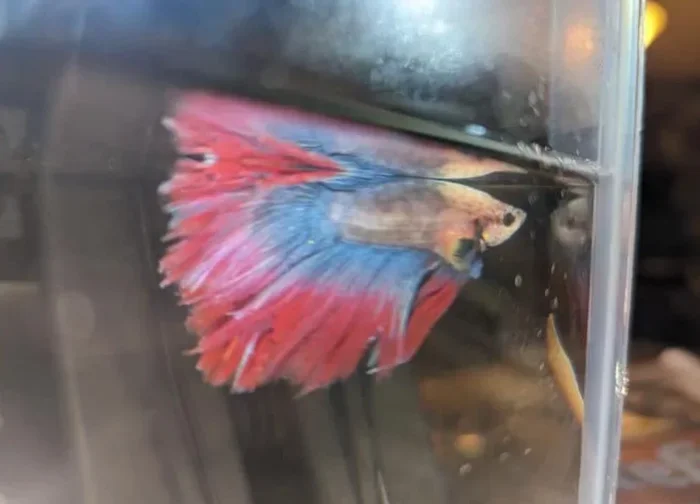
Visual guide about What Should I Do If My Betta Fish Isn’t Eating
Image source: product.hstatic.net
Read more about how to spot sickness in How Can I Tell If My Betta Fish Is Sick.
4. Re‑evaluate Your Feeding Routine
How much and how often?
Betta fish need only a small amount of food once or twice a day. Overfeeding leads to water quality problems, while underfeeding can cause hunger stress.
Check out How Often Should I Feed My Betta Fish for detailed feeding schedules.
Choosing the right food
- High‑quality betta pellets or flakes as a staple.
- Occasional treats: frozen or live brine shrimp, daphnia, or bloodworms.
- Avoid overly large pellets that can’t be swallowed.
Feeding tricks to stimulate appetite
- Soak pellets in a few drops of fish‑safe water for 5 minutes to soften them.
- Offer a tiny amount of live or frozen food once a day for variety.
- Use a feeding stick to place food directly in front of the fish’s mouth.
5. Give Your Betta a Break (Short Fasting Period)
Why a brief fast can help
Betta fish can safely go without food for up to 5‑7 days if water is clean and temperature is stable. A short fast can reset their digestive system and reduce stress.
How to monitor during a fast
- Check water parameters daily.
- Observe behavior – active swimming, normal gill movement, and open fins are good signs.
- If the fish becomes lethargic or shows signs of illness, resume feeding with gentle, easy‑to‑digest food.
6. When to Seek Professional Help
Red flags that need a vet
If after 48‑72 hours your betta still refuses food, and you see signs like bloating, discoloration, or severe fin damage, it’s time to consult an aquatic veterinarian or a reputable fish store.
What to bring to the vet
- Water sample in a clean container.
- Photos of the fish (showing fin condition, any spots).
- Details about recent changes – diet, water changes, new tank mates.
For more on identifying serious problems, read How Do I Know If My Betta Fish Is Dying.
Conclusion: Patience, Observation, and Action
Seeing your betta ignore food can feel like a crisis, but most cases have a simple fix. Start with water quality, then check temperature, tank setup, and feeding habits. If the fish shows any signs of illness, act quickly and consider professional help. With a clean, stable environment and a varied, appropriate diet, most bettas bounce back and resume their lively eating habits within a few days.
Remember, prevention is the best cure. Regular water changes, proper heating, and a balanced feeding schedule will keep your betta happy, healthy, and always ready for its next meal.
Frequently Asked Questions
Why is my betta fish not eating?
Common reasons include poor water quality, incorrect temperature, stress, illness, or an unappealing diet. Check each factor before assuming a serious problem.
How long can a betta go without food?
Betta fish can safely fast for 5‑7 days if the water is clean and temperature is stable. Longer periods increase the risk of health issues.
What should I feed a betta that has stopped eating?
Offer softened high‑quality pellets, a tiny amount of live or frozen brine shrimp, or a specially formulated betta gel. Small, frequent meals are best.
Can water temperature affect my betta’s appetite?
Yes. Water below 76°F (24°C) slows metabolism, while temperatures above 82°F (28°C) cause stress. Keep the tank within the optimal range.
How do I know if my betta’s loss of appetite is due to illness?
Look for signs like clamped fins, white spots, bloating, rapid breathing, or lethargy. If any appear, treat the underlying issue promptly.
Should I change the water if my betta isn’t eating?
Yes. Perform a partial water change (25‑30%) with conditioned water to improve parameters and reduce stress, which often encourages feeding.