How Much Aqueon Should I Feed My Betta Fish
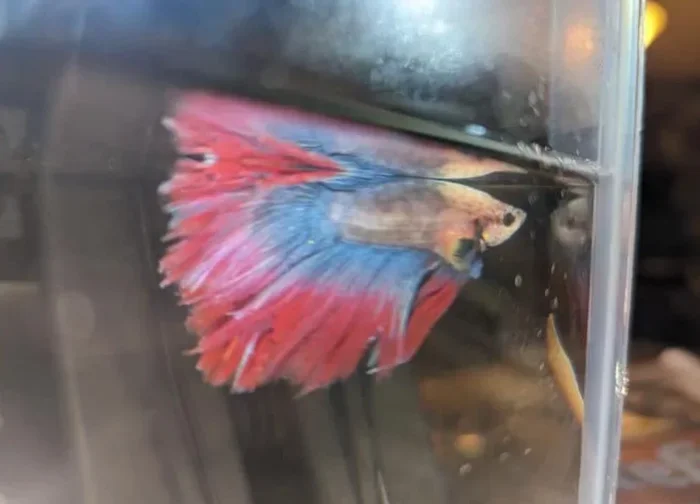
Feeding your betta fish the right amount of Aqueon food is one of the simplest ways to boost their health and lifespan. Aqueon betta pellets are a popular choice, but knowing how much Aqueon to feed your betta fish can make all the difference. This guide covers portion sizes, feeding frequency, and common mistakes so your fish stays vibrant and well-nourished.
You love your betta fish. You want them to thrive, not just survive. And one of the biggest factors in keeping your betta healthy is getting the feeding amount right. Aqueon is one of the most trusted brands in the fish food world. Their betta-specific pellets and flakes are designed to meet the nutritional needs of tropical fish like bettas. But here is the big question: how much Aqueon should I feed my betta fish? Too little, and your fish goes hungry. Too much, and you risk serious health problems. This guide walks you through everything you need to know about feeding your betta Aqueon food the right way.
When it comes to betta fish diet and portion control, there is a lot of conflicting advice out there. Some people overfeed because they think more food means a happier fish. Others underfeed because they are afraid of making mistakes. The truth is, bettas have small stomachs. They are not goldfish that will eat anything you put in the tank. Understanding your betta’s feeding needs is the first step toward a long, healthy life for your colorful companion. Let us break it all down in simple, easy-to-follow steps.
Key Takeaways
- Portion Control Matters: Feed your betta fish only what they can eat in 2 minutes to avoid overfeeding.
- Frequency Is Key: Feed your betta 1 to 2 times per day with Aqueon pellets or flakes.
- Watch for Signs: Uneaten food and bloating are clear signs you are feeding too much.
- Variety Helps: Supplement Aqueon food with occasional treats like bloodworms or brine shrimp.
- Tank Conditions Count: Water temperature and tank size affect your betta’s appetite and digestion.
- Consistency Wins: Stick to a regular feeding schedule for the best betta fish health results.
📑 Table of Contents
- Understanding How Much Aqueon to Feed Your Betta Fish
- How Often Should You Feed Aqueon to Your Betta Fish
- Why Aqueon Is a Great Choice for Betta Fish Food
- Common Mistakes When Feeding Aqueon to Betta Fish
- Signs That You Are Feeding Your Betta the Right Amount
- Expert Tips for Optimizing Your Betta’s Aqueon Feeding Routine
- What to Do If Your Betta Won’t Eat Aqueon Food
- Conclusion
Understanding How Much Aqueon to Feed Your Betta Fish
The golden rule of betta fish feeding is simple: feed only what your fish can consume in about 2 minutes. Aqueon makes specific betta pellets that are sized perfectly for betta mouths. But the amount can vary based on several factors. Let us look at what those factors are and how they affect your feeding routine.
Why Portion Control Matters for Bettas
Bettas have tiny stomachs. In fact, their stomach is roughly the size of their eye. This means even a few pellets can fill them up. Overfeeding is one of the most common mistakes new betta owners make. When you give your betta too much Aqueon food, the excess sits at the bottom of the tank. It decays and pollutes the water. This leads to spikes in ammonia and nitrite, which can make your fish sick.
Underfeeding is less common but still a concern. If your betta is not getting enough nutrients, you may notice fading colors, low energy, and a weakened immune system. The key is finding the sweet spot. A good betta fish meal plan includes the right amount of Aqueon food at the right times each day.
How Many Pellets Should You Give?
As a general rule, offer your betta 2 to 4 Aqueon betta pellets per feeding. This is a solid starting point. From there, you can adjust based on how your fish responds. Some bettas eat quickly and will finish everything in seconds. Others are pickier and take their time. Watch your fish closely during feeding time. If there are leftover pellets after 2 minutes, you have given too much.
Here are some practical tips to keep in mind:
- Start with 2 pellets and see how fast your betta eats.
- Add one more pellet at a time if your fish finishes quickly and still seems hungry.
- Remove uneaten food after 2 minutes to keep the tank clean.
- Use Aqueon betta-specific pellets since they are formulated for betta digestion and nutrition.
How Often Should You Feed Aqueon to Your Betta Fish
Frequency matters just as much as portion size. Most experts recommend feeding bettas once or twice a day. This mimics their natural eating pattern in the wild, where they forage for small meals throughout the day. A consistent feeding schedule helps regulate your betta’s digestion and keeps their energy levels stable.
Creating a Daily Feeding Routine
Pick two times each day that work for you. Morning and evening are the most popular choices. Feed a small amount at each session. This gives your betta fish a steady supply of nutrition without overwhelming their system. If you are busy or travel often, consider setting a reminder on your phone. Consistency is one of the easiest ways to keep your betta healthy and happy.
Some experienced fish keepers also practice fasting days. This means skipping one feeding day per week. Fasting helps your betta’s digestive system reset and can prevent constipation. It is a simple practice that makes a big difference in long-term betta fish care.
Feeding Frequency Based on Betta Age
Young bettas and betta fry need more frequent feedings than adult bettas. Baby bettas may need 3 to 4 small feedings per day with crushed Aqueon pellets or fine flakes. Adult bettas do well with 1 to 2 feedings. Senior bettas may eat less and prefer smaller portions. Adjust your routine as your fish ages to support their changing nutritional needs.
| Age Group | Feedings Per Day | Portion Size |
|---|---|---|
| Fry (0-3 months) | 3-4 | Tiny crushed pellets or flakes |
| Juvenile (3-6 months) | 2 | 2-3 pellets per feeding |
| Adult (6+ months) | 1-2 | 2-4 pellets per feeding |
| Senior (2+ years) | 1 | 1-2 pellets per feeding |
Why Aqueon Is a Great Choice for Betta Fish Food
Aqueon has earned a strong reputation among fish keepers for good reason. Their foods are made with high-quality ingredients and are specifically formulated for different fish species. When it comes to tropical fish food for bettas, Aqueon offers several options that work well.
Types of Aqueon Food for Bettas
Aqueon makes betta-specific pellets that sink slowly, which is ideal since bettas prefer to eat from the middle or top of the water column. They also offer tropical flakes that can work as a staple food. Some betta owners like to rotate between Aqueon pellets and Aqueon tropical flakes for variety. This helps ensure your fish gets a broad range of nutrients.
Here are the main Aqueon options for bettas:
- Aqueon Betta Pellets: Sinking pellets designed specifically for betta fish. Rich in protein and easy to digest.
- Aqueon Tropical Flakes: A good alternative for bettas who prefer floating food. Less expensive than pellets.
- Aqueon Color Enhancing Pellets: Contains extra nutrients that can bring out the vibrant colors of your betta.
Nutritional Benefits of Aqueon Betta Food
Aqueon betta foods are fortified with vitamins and minerals that support betta fish health. They contain protein sources like fish meal and shrimp meal, which are essential for muscle growth and color development. The formulation also includes omega fatty acids that promote healthy fins and a strong immune system. When you pair a quality food like Aqueon with the right feeding amount, you give your betta the best chance at a long and vibrant life.
Common Mistakes When Feeding Aqueon to Betta Fish
Even experienced fish keepers can make mistakes when it comes to aquarium fish feeding. Knowing what to avoid can save you a lot of trouble down the road. Here are the most common errors people make with their betta’s diet.
Overfeeding Your Betta
This is the number one mistake. Bettas do not have a built-in stop switch when it comes to food. They will eat until their stomach is uncomfortably full if given the chance. Overfeeding leads to bloating, constipation, and poor water quality. Remember the 2-minute rule. If food is left floating or sinking after 2 minutes, you gave too much.
Feeding Too Often
Some owners think feeding their betta 3 or 4 times a day is better. In reality, this can lead to excess waste in the tank and digestive issues for your fish. Stick to the recommended 1 to 2 feedings per day. If you want to add variety, offer a small treat like a bloodworm or brine shrimp once or twice a week instead of increasing meal frequency.
Ignoring Water Quality After Feeding
Uneaten Aqueon food breaks down quickly in warm water. This releases ammonia, which is toxic to bettas. Always remove any food your fish does not eat within a few minutes. Regular water changes and proper filtration also help keep the tank clean between feedings. A clean tank means a healthier betta with a better appetite and more energy.
Signs That You Are Feeding Your Betta the Right Amount
How do you know if your betta feeding routine is working? Your fish will tell you. Healthy bettas show clear signs that they are getting the right nutrition and the right amount of food.
Look for these positive signs in your betta:
- Vibrant colors: A well-fed betta displays rich reds, blues, and greens.
- Active swimming: Your betta moves around the tank with energy and curiosity.
- Healthy appetite: Your fish comes to the surface eagerly when it is feeding time.
- No bloating: Your betta’s body looks sleek and streamlined, not puffy or swollen.
- Strong fins: Fins are held upright and show no signs of damage or discoloration.
If you notice any of these negative signs, it may be time to adjust your how much Aqueon should I feed my betta fish routine. Lethargy, loss of color, or a swollen belly could mean you need to change the portion size or frequency.
Expert Tips for Optimizing Your Betta’s Aqueon Feeding Routine
Getting the basics right is important, but these expert tips can take your betta care to the next level. Small adjustments make a big impact over time.
Soak Pellets Before Feeding
Aqueon betta pellets can expand in your betta’s stomach if they absorb water too quickly. To prevent this, soak the pellets in a small cup of tank water for 30 seconds before offering them to your fish. This pre-swelling makes the food easier to digest and reduces the risk of constipation.
Rotate Food Types for Better Nutrition
While Aqueon pellets make an excellent staple, consider adding variety. Live or frozen foods like bloodworms, brine shrimp, and daphnia are great supplements. Just remember that treats should make up no more than 10% of your betta’s diet. The rest should come from a quality staple food like Aqueon.
If you ever wonder about how much food should I feed my betta fish in general, the principles are the same regardless of brand. Portion control, frequency, and observation are the three pillars of a great feeding routine.
Monitor Your Tank Temperature
Bettas are tropical fish and their metabolism is closely tied to water temperature. In warmer water (around 78-80°F), bettas digest food faster and may need slightly more frequent feedings. In cooler water, their metabolism slows down and they need less food. Use a reliable aquarium thermometer to keep the temperature in the ideal range for optimal digestion and betta fish nutrition.
What to Do If Your Betta Won’t Eat Aqueon Food
Sometimes, even with the perfect amount, your betta may refuse to eat. This can be stressful, but it is not always a cause for alarm. Several factors can affect your betta’s appetite, and most are easy to fix.
First, check the water quality. Poor water conditions are the most common reason bettas stop eating. Test your ammonia, nitrite, and nitrate levels. If any are off, perform a partial water change before trying to feed again. Next, consider whether the food itself is the issue. Some bettas prefer pellets over flakes or vice versa. Try switching between Aqueon pellet and flake varieties to see which one your fish prefers.
If your betta still refuses food for more than 2-3 days, it could be a sign of illness. Look for other symptoms like clamped fins, white spots, or lethargy. In that case, it is time to research what should I do if my betta fish isn’t eating or consult a fish veterinarian. Catching problems early makes treatment much easier and more effective.
Conclusion
Getting the how much Aqueon should I feed my betta fish balance right does not have to be complicated. Stick to 2 to 4 pellets per feeding, offer food once or twice a day, and always remove uneaten food within 2 minutes. Pay attention to your betta’s behavior, body condition, and appetite. These small daily habits add up to a healthier, happier fish over the long term.
Proper betta fish feeding is one of the most impactful things you can do as a fish owner. Pair a quality food like Aqueon with the right portion sizes and a consistent schedule, and you are giving your betta the best possible care. Remember, a well-fed betta is a happy betta. Start applying these tips today and watch your fish thrive.
For more detailed guidance on how much food should I feed my betta fish or understanding your overall how often should I feed my betta fish routine, explore the other resources available on our site. And if you ever need to know the right techniques, check out our guide on how to feed my betta fish for step-by-step instructions that make feeding time simple and effective.
Frequently Asked Questions
How many Aqueon pellets should I feed my betta fish per day?
Feed your betta 2 to 4 Aqueon pellets per feeding, once or twice a day. This totals about 4 to 8 pellets per day for an adult betta. Adjust the amount based on how quickly your fish eats and whether any food is left after 2 minutes.
Can I feed my betta Aqueon flakes instead of pellets?
Yes, Aqueon tropical flakes can be used as an alternative to pellets. Some bettas prefer one over the other. You can also rotate between flakes and pellets to provide variety in your betta’s diet. Just make sure the flakes are specifically formulated for tropical fish.
What happens if I overfeed my betta Aqueon food?
Overfeeding leads to bloating, constipation, and poor water quality. Uneaten Aqueon food decays in the tank and raises ammonia levels, which can harm your fish. Always feed only what your betta can eat in 2 minutes and remove any leftovers promptly.
Should I soak Aqueon pellets before feeding them to my betta?
Soaking pellets for about 30 seconds in tank water before feeding helps them expand outside your betta’s stomach. This reduces the risk of digestive issues like constipation. It is a simple step that can make a big difference in your betta’s gut health.
How do I know if I am feeding my betta too little Aqueon food?
Signs of underfeeding include fading colors, low energy, weight loss, and a lack of interest in food. If your betta looks thin or seems lethargic, try increasing the portion size slightly or adding an extra feeding per day. Monitor your fish closely after making changes.
Can I feed my betta Aqueon food every other day instead of daily?
Feeding every other day is not recommended for adult bettas. They need daily nutrition to maintain their health, color, and energy levels. If you are considering a different schedule, check our guide on can I feed my betta every other day for expert advice on safe fasting practices.