What Goes Good with Betta Fish

Looking to share your betta’s home with companions? This guide explains which fish, invertebrates, plants, and accessories pair well with betta fish, and how to create a peaceful, thriving tank. Follow our simple steps and avoid common mistakes for a vibrant community aquarium.
Key Takeaways
- Tank size matters: A minimum of 10‑20 gallons gives your betta space to coexist peacefully.
- Choose peaceful tank mates: Small, non‑aggressive fish and snails are the safest companions.
- Live plants are a win: They lower stress, improve water quality, and give hiding spots.
- Watch water parameters: Keep temperature, pH, and hardness within betta‑friendly ranges.
- Observe behavior daily: Early detection of stress prevents fights and loss.
- Limit decorations: Avoid sharp ornaments that can damage delicate betta fins.
- Gradual introductions: Use a quarantine or breeder box to let new residents acclimate.
📑 Table of Contents
Introduction: Sharing a Home with a Betta
Betta fish are famous for their flamboyant fins and feisty personality. Many beginners think they must live alone, but with the right approach, a betta can thrive in a community tank. The key is understanding what goes good with betta fish—from compatible fish to plants, décor, and water conditions. This article walks you through every decision, using simple language and step‑by‑step tips so you feel confident creating a beautiful, balanced aquarium.
We’ll cover tank size, water parameters, peaceful tank mates, live plants, and the little extras that keep stress low. By the end, you’ll know exactly how to set up a tank where your betta and its companions live happily together.
1. Choose the Right Tank Size and Setup
Why Bigger Is Better
A common myth is that a betta can live comfortably in a 2‑gallon bowl. While a single betta may survive, a community tank needs room to swim and establish territories. Aim for at least 10 gallons (38 L) for a small community; 20 gallons (75 L) gives even more flexibility.

Visual guide about What Goes Good with Betta Fish
Image source: a.poki-cdn.com
Filtration and Heating
Betta fish prefer calm water, so a gentle filter that creates a low flow is ideal. A sponge filter works well and provides surface area for beneficial bacteria. Keep water temperature steady between 76‑82 °F (24‑28 °C) using an aquarium heater.
Setting Up the Cycle
Before adding any fish, cycle the tank for 4‑6 weeks. Test for ammonia, nitrite, and nitrate levels. A fully cycled tank protects delicate bettas from toxic spikes.
2. Selecting Peaceful Tank Mates
Fish That Get Along
When you ask what fish can go with betta fish, the answer is usually small, non‑aggressive species that stay in the mid‑ to bottom‑water levels. Good choices include:

Visual guide about What Goes Good with Betta Fish
Image source: upload.wikimedia.org
- Neon Tetras: Their bright colors add sparkle, and they stay in schools near the surface.
- Harlequin Rasboras: Peaceful, schooling fish that occupy the middle of the tank.
- Corydoras Catfish: Bottom‑dwelling scavengers that never bother a betta.
- Endler’s Livebearers: Small, active, and quick enough to avoid any brief aggression.
Always choose fish that are at least half the size of your betta to avoid fin nipping.
Snails and Shrimp
Snails such as Nerite or Mystery snails are excellent cleaners and rarely trigger aggression. Freshwater shrimp (e.g., Cherry shrimp) can also coexist, but keep an eye on the betta’s temperament—some may view shrimp as food.
What Not to Pair With
Avoid other male bettas, long‑finned guppies, or aggressive cichlids. These can lead to constant fighting and stress.
3. Adding Live Plants for Comfort and Health
Why Plants Matter
Live plants improve water quality by absorbing nitrates and provide natural hiding spots. They also diffuse light, making the tank feel more like a natural habitat.

Visual guide about What Goes Good with Betta Fish
Image source: media.tacdn.com
Best Plants for a Betta Community
- Java Fern: Hardy, attaches to rocks or driftwood, and stays out of the betta’s line of sight.
- Anubias: Tough and slow‑growing; perfect for the tank’s back corners.
- Marimo Moss Balls: Fun, floating décor that also helps with nitrate removal.
- Floating Plants (e.g., Duckweed, Water Sprite): Provide surface cover, reducing the betta’s tendency to jump.
Planting Tips
Use a substrate like sand or fine gravel, and gently root plants to avoid tearing betta fins. Trim regularly to keep growth in check.
4. Décor and Hiding Spots
Choosing Safe Decorations
Betta fins are delicate, so avoid sharp ornaments or rough plastic. Opt for smooth driftwood, smooth rocks, and ceramic caves. Provide at least two hiding places so the betta can retreat when it feels threatened.
Creating Vertical Space
Betas love to explore vertically. Add tall plants or vertical ornaments to give them places to rest near the water surface.
5. Maintaining Water Quality
Regular Water Changes
Partial water changes of 25‑30 % every week keep nitrate levels low and maintain stable parameters. Use a water conditioner to remove chlorine and chloramines.
Testing Parameters
Check temperature, pH (6.5‑7.5), and hardness (50‑200 ppm). Consistency is key; sudden shifts stress bettas and their tank mates.
Feeding Practices
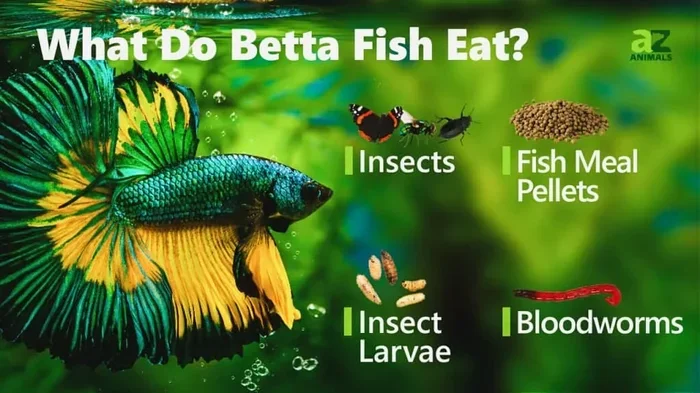
Feed high‑quality betta pellets or frozen foods twice daily, only what they can eat in 2‑3 minutes. Overfeeding leads to cloudy water and health issues.
6. Introducing New Residents Safely
Quarantine First
Place any new fish, snail, or shrimp in a separate quarantine tank for 2‑3 weeks. This prevents disease spread.
Acclimation Process
Use the “drip acclimation” method: float the bag in the aquarium for 15 minutes, then slowly add tank water to the bag over an hour before releasing the new resident.
Monitor Interactions
Watch the betta for signs of stress—flaring, chasing, or loss of color. If aggression persists, consider a separate tank for the betta.
Conclusion: A Harmonious Community
Knowing what goes good with betta fish transforms a solitary display into a lively, natural‑looking aquarium. By selecting the right tank size, peaceful companions, live plants, and safe décor, you create an environment where your betta can show off its colors while enjoying the company of other creatures. Remember to keep water conditions stable, introduce new residents slowly, and observe behavior daily. With these steps, you’ll enjoy a stunning, stress‑free tank that both you and your betta will love.
Frequently Asked Questions
Can I keep a betta with neon tetras?
Yes, neon tetras are small, fast‑moving fish that usually stay out of a betta’s way, making them a good community match.
What type of plant is safest for a betta?
Java fern and Anubias are hardy, have smooth leaves, and won’t damage a betta’s delicate fins.
How often should I change the water in a betta community tank?
Change 25‑30 % of the water weekly to keep nitrate levels low and maintain stable water parameters.
Are snails a good addition to a betta tank?
Yes, snails like Nerite or Mystery snails help clean algae and are generally ignored by bettas.
What temperature is ideal for a betta and its tank mates?
Keep the water between 76‑82 °F (24‑28 °C) for optimal health of both betta and most compatible fish.
Can I add livebearers with a male betta?
Small livebearers such as Endler’s can work, but monitor the betta closely for any signs of fin nipping.