What Can I Feed My New Betta Fish
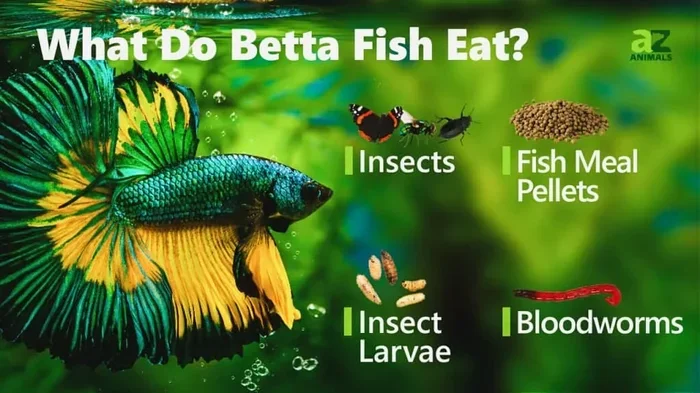
Feeding your new betta fish the right diet is one of the most important things you can do for its health and happiness. A balanced diet includes high-quality pellets, freeze-dried bloodworms, and occasional live foods. This guide covers everything you need to know about what to feed your new betta fish so you can set your pet up for a long, thriving life.
Bringing home a new betta fish is exciting. You want to give your new pet the best start possible. One of the first things you need to figure out is what can I feed my new betta fish. The good news is that bettas are not picky eaters. But that does not mean you should just throw anything in the tank.
A proper diet keeps your betta colorful, active, and full of energy. The wrong food can lead to health problems, poor coloring, and even a shorter lifespan. This guide breaks down everything you need to know about feeding your new betta.
Before you get too deep into specific foods, let us talk about why diet matters so much. Bettas are carnivorous by nature. They eat insects, larvae, and small creatures in the wild. This means they need a protein-rich diet. Unlike some tropical fish that eat mostly plant-based foods, bettas thrive on meat-based nutrition.
When you bring a new betta home, it may not eat right away. This is completely normal. Stress from the move can suppress appetite for a day or two. Once your betta settles in, you can start building a solid feeding routine.
Key Takeaways
- Betta pellets are the staple: They provide complete nutrition and should make up the bulk of your betta’s diet.
- Variety matters: Adding freeze-dried and live foods keeps your betta healthy and interested in eating.
- Overfeeding is a real risk: Feed small amounts 1-2 times a day to avoid health problems.
- Avoid human food: Many common foods can harm your betta fish or pollute the tank water.
- Watch for hunger cues: A healthy betta will show excitement at feeding time and have a good appetite.
- New bettas need time to adjust: Give your fish a few days to settle in before introducing new foods.
📑 Table of Contents
- Best Foods for Your New Betta Fish
- What Not to Feed Your Betta Fish
- Creating a Feeding Schedule for Your New Betta
- Comparing Betta Food Options
- Signs Your Betta Is Getting the Right Nutrition
- Quick Tips for Feeding Your New Betta
- Common Mistakes New Betta Owners Make
- Expert Insights on Betta Nutrition
- Conclusion
Best Foods for Your New Betta Fish
Not all fish foods are created equal. Some are packed with fillers and low-quality ingredients. Others are specifically formulated for bettas. Here is a look at the best options you can choose from.
Betta Pellets
High-quality betta pellets should be the foundation of your fish’s diet. These pellets are designed to meet the nutritional needs of bettas. They contain the right amount of protein, vitamins, and minerals. Look for pellets where the first ingredient is fish meal or shrimp.
When choosing pellets, avoid brands that use fillers like corn or wheat. These offer little nutritional value. A good pellet will sink slowly, which is perfect for bettas since they feed near the surface. Soak the pellets for a few minutes before feeding to prevent them from expanding in your betta’s stomach.
Freeze-Dried Foods
Freeze-dried foods are a great supplement to your betta’s diet. Bloodworms, brine shrimp, and daphnia are popular choices. These foods are lightweight and easy to store. They also have a long shelf life, which makes them very convenient.
Always soak freeze-dried food before feeding. If you drop a dry pellet into the tank, it can expand inside your betta and cause bloating. A quick soak for a minute or two solves this problem completely.
Live Foods
Live foods are the closest thing to what bettas eat in the wild. They are packed with protein and nutrients. Many betta owners love offering live food because it triggers natural hunting behavior. Your fish will get active and engaged during feeding time.
If you are wondering can I feed my betta live fish, the answer is yes, but with some caution. Small live foods like brine shrimp and microworms are safe and nutritious. You can also offer earthworms as a protein-rich treat. Just make sure any live food comes from a clean, trusted source to avoid introducing parasites into your tank.
Frozen Foods
Frozen foods are a great middle ground between live and freeze-dried options. You can find frozen bloodworms, brine shrimp, and daphnia at most pet stores. These are often flash-frozen to preserve nutrients. They are also less likely to carry diseases compared to live foods.
Thaw frozen food in a small cup of tank water before adding it to the aquarium. This ensures it sinks slowly and your betta can eat it easily. Frozen foods make an excellent weekly treat to mix things up.
Flakes and Tropical Fish Food
Some people ask, can I feed my betta tropical fish flakes. The short answer is yes, but with caveats. Most tropical flakes are not formulated specifically for bettas. They often contain too many plant-based fillers and not enough protein.
If you choose to use flakes, look for ones that are high in protein. You can also try sinking betta-specific flakes. Just be aware that flakes break apart quickly and can make the water cloudy if not eaten right away. They should not be your betta’s main food source.
What Not to Feed Your Betta Fish
Knowing what to avoid is just as important as knowing what to feed. Some foods can seriously harm your betta or ruin your water quality.
Human Food
It might be tempting to share your dinner with your fish, but resist that urge. Bread crumbs, crackers, and chips are terrible for bettas. They contain fillers and additives that your fish cannot digest properly. Uneaten human food also decays quickly in the tank, which spikes ammonia levels.
You might wonder about rice or other soft foods. These offer no nutritional benefit and can cause digestive issues. Stick to foods made specifically for bettas.
Overfeeding
Overfeeding is one of the most common mistakes new betta owners make. Bettas have small stomachs, roughly the size of their eye. Giving them too much food at once can lead to bloating, constipation, and swim bladder problems.
A good rule of thumb is to feed only what your betta can eat in two minutes. If there is leftover food after that time, remove it from the tank. This keeps the water clean and prevents health issues.
Feeding Too Often
Feeding your betta too frequently is another mistake. Most bettas do well with one to two feedings per day. Some owners even skip a day once a week to help with digestion. If you are wondering about feeding schedules, you can read more about feeding your betta every other day and what that means for your fish’s routine.
Creating a Feeding Schedule for Your New Betta
Consistency is key when it comes to feeding your betta. Fish thrive on routine, and a regular feeding schedule helps regulate their digestion and metabolism.
Here is a simple feeding schedule you can follow:
- Morning feeding: Give 2-3 high-quality betta pellets. Soak them first for best results.
- Evening feeding: Offer a small portion of freeze-dried or frozen food as a treat.
- One fasting day per week: Skip one feeding day each week to help your betta’s digestive system reset.
Adjust the portions based on your betta’s size and appetite. A larger betta may need slightly more food than a smaller one. Watch your fish during feeding time to make sure it is eating well and not leaving food behind.
Comparing Betta Food Options
Choosing the right food can feel overwhelming with so many options available. Here is a quick comparison to help you decide.
| Food Type | Protein Content | Convenience | Best For |
|---|---|---|---|
| Betta Pellets | High (35-45%) | Very Easy | Daily staple |
| Freeze-Dried Bloodworms | High (50%+) | Easy | Supplement/treat |
| Frozen Brine Shrimp | Moderate-High | Moderate | Weekly treat |
| Live Foods | Very High | Difficult | Enrichment and variety |
| Tropical Flakes | Low-Moderate | Very Easy | Occasional only |
The best approach is to combine a few different food types. This ensures your betta gets a wide range of nutrients. Pellets for the main meal, freeze-dried or frozen food as a treat, and live food occasionally for enrichment. This variety keeps your betta excited about mealtime and supports overall health.
Signs Your Betta Is Getting the Right Nutrition
How do you know if your feeding plan is working? A well-fed betta shows clear signs of good health. Look for these positive indicators.
- Vibrant colors: A healthy diet brings out the bright reds, blues, and greens in your betta’s fins.
- Active swimming: Your betta should move around the tank with energy and curiosity.
- Good appetite: A healthy betta will get excited when it sees food approaching the tank.
- Regular waste: Firm, dark waste is a sign of proper digestion.
- Healthy fins: Fins should be spread open and free from tearing or discoloration.
On the flip side, watch for warning signs. Loss of color, lethargy, bloating, and loss of appetite can all point to nutritional issues. If you notice these symptoms, evaluate your current diet and make adjustments. Sometimes switching to a higher-quality pellet makes a noticeable difference within just a few weeks.
Quick Tips for Feeding Your New Betta
- Always soak pellets and freeze-dried food before adding them to the tank.
- Feed in small portions to prevent overeating and water pollution.
- Rotate between different food types for balanced nutrition.
- Remove uneaten food after two minutes to keep the water clean.
- Stick to a consistent feeding schedule so your betta feels secure.
- Never feed your betta more than it can consume in one sitting.
- Use a small feeding spoon or tweezers for precision and to avoid overfeeding.
These simple tips can make a huge difference in your betta’s health and lifespan. Small adjustments to your feeding routine go a long way toward keeping your fish happy and thriving.
Common Mistakes New Betta Owners Make
Learning from other people’s mistakes can save you a lot of trouble. Here are the most common feeding errors new betta owners make.
Mistake 1: Relying on flakes as the main diet. Most tropical flakes lack the protein bettas need. They are better as an occasional supplement, not a staple food.
Mistake 2: Ignoring portion control. It is easy to overestimate how much your betta needs. Remember, its stomach is tiny. A few pellets per feeding is plenty.
Mistake 3: Skipping fasting days. A weekly fast helps prevent constipation and bloating. Many experienced betta owners swear by this simple practice.
Mistake 4: Not varying the diet. Feeding the same thing every day can lead to nutritional gaps. Mix things up to give your betta a well-rounded diet.
Mistake 5: Feeding right after a water change. Wait at least an hour after a water change before feeding. Your betta may be stressed from the water fluctuation and might not eat well.
Expert Insights on Betta Nutrition
Veterinarians and experienced betta breeders agree on a few key principles for optimal betta nutrition. First, protein should always come first. Look for foods where fish or shrimp protein is listed as the primary ingredient. Second, avoid foods with artificial colors. While they may make your betta look more vibrant temporarily, they offer no real nutritional benefit and can even cause health issues over time.
Many experts also recommend soaking all dry foods before feeding. This simple step prevents dangerous bloating and makes the food easier to digest. Another pro tip is to feed your betta in the same spot each day. This builds a routine and helps your fish associate that area with food, making feeding time more predictable and enjoyable for both of you.
If you are ever unsure about a specific food, it is always a good idea to research it first or consult with a fish veterinarian. The more you know about your betta’s dietary needs, the better equipped you will be to keep it healthy for years to come.
Conclusion
Figuring out what can I feed my new betta fish does not have to be complicated. The right diet comes down to a few simple principles. Start with high-quality pellets as the base, add variety with freeze-dried and frozen foods, and offer live foods occasionally for enrichment. Avoid overfeeding, skip human food, and keep a consistent schedule.
Your new betta depends on you for everything, and proper nutrition is at the top of the list. With the right feeding plan, your betta will thrive in its new home. You will enjoy watching it swim, play, and show off its beautiful colors every single day. Take the time to get the diet right, and your betta will reward you with a long and healthy life.
Frequently Asked Questions
How often should I feed my new betta fish?
Feed your betta once or twice a day with small portions. Most bettas do well with two small feedings spaced apart during the day. Make sure to skip one feeding day each week to help with digestion and prevent overfeeding issues.
Can I feed my new betta fish flakes?
You can, but flakes should not be the main part of your betta’s diet. Most tropical flakes lack the protein levels bettas need. If you do use flakes, choose high-protein options and only offer them as an occasional supplement to pellets or other foods.
What is the best food for a new betta fish?
The best food is a high-quality betta pellet that lists fish or shrimp protein as the first ingredient. Pair this with freeze-dried bloodworms or brine shrimp as treats. This combination gives your new betta the complete nutrition it needs to stay healthy and colorful.
Can I feed my betta fish food meant for other fish?
It is best to avoid it. Other fish foods may not have the right protein levels or nutritional balance for bettas. If you are considering alternatives, check out articles about feeding betta food to goldfish and similar topics to understand how different species have different dietary needs.
How do I know if I am overfeeding my betta?
Signs of overfeeding include bloating, lethargy, uneaten food floating in the tank, and cloudy water. If you notice any of these, reduce the portion size and frequency. Bettas have very small stomachs, and a few pellets per feeding is usually more than enough.
Can I give my new betta fish treats?
Yes! Treats like freeze-dried bloodworms, brine shrimp, and daphnia are great for your betta. Offer treats 2-3 times per week in small amounts. Live or frozen foods also make excellent treats that provide extra protein and enrichment for your fish.
=== META TITLE ===
What Can I Feed My New Betta Fish | Complete Feeding Guide
=== URL SLUG ===
what-can-i-feed-my-new-betta-fish
=== SEO TITLE ===
What Can I Feed My New Betta Fish? (Complete Guide)