Looking to share a tank with your male betta? Not all fish are safe roommates, but several peaceful species can coexist happily. This guide breaks down the top choices, tank requirements, and practical tips so you can create a thriving community aquarium.
Key Takeaways
- Tank size matters: A minimum of 10‑20 gallons gives a male betta room to establish territory.
- Choose peaceful, non‑fin‑nipping species: Small tetras, rasboras, and certain catfish are safe bets.
- Watch water parameters: Keep temperature, pH, and hardness in the betta’s preferred range (76‑82°F, pH 6.5‑7.5).
- Provide plenty of hiding spots: Plants, caves, and driftwood reduce stress for all inhabitants.
- Introduce fish slowly: Use a quarantine or acclimation period to monitor aggression.
- Avoid bright, long‑finned mates: These trigger the male betta’s territorial instincts.
- Consider invertebrates wisely: Some shrimp and snails can coexist, but watch for predation.
📑 Table of Contents
- Introduction: The Male Betta’s Personality
- Understanding Betta Behavior
- Essential Tank Setup for a Community Betta
- Top Fish Choices: What Fish Can You Put with Male Betta?
- Step‑by‑Step Guide to Introducing New Tank Mates
- Common Mistakes and How to Fix Them
- Conclusion: Creating a Harmonious Betta Community
- Further Reading
Introduction: The Male Betta’s Personality
Male bettas (Betta splendens) are famous for their vivid colors and flowing fins. Their striking appearance often masks a bold, territorial nature. In the wild, they defend small bubble‑nest sites against rivals, and that instinct follows them into the home aquarium. Because of this, many hobbyists wonder, what fish can you put with male betta without sparking a fight.
We’ll walk through the science behind betta aggression, the key tank conditions that promote peace, and a curated list of compatible tank mates. By the end, you’ll feel confident creating a community tank where your male betta thrives alongside happy, healthy companions.
Understanding Betta Behavior
Territorial instincts
Male bettas guard a vertical slice of water space—often just a few inches wide. Anything that looks like a rival, especially another fish with bright colors or flowing fins, can trigger a flare‑up. This is why a male betta rarely shares a small bowl with another fish.
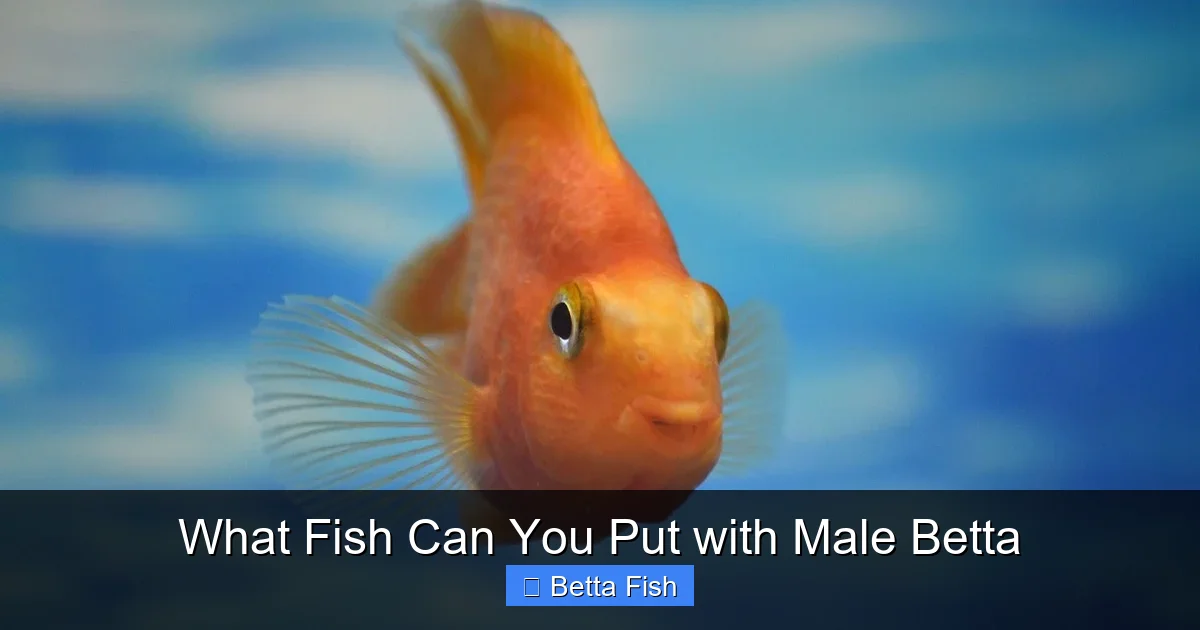
Visual guide about What Fish Can You Put with Male Betta
Image source: c.pxhere.com
Fin‑nipping tendencies
Betas have a natural tendency to nip at long, flowing fins. Guppies, fancy goldfish, or other bettas are high‑risk choices. Short‑finned, fast‑moving fish are less likely to be seen as a threat.
Peaceful coexistence is possible
When you give a male betta a spacious tank, plenty of visual barriers, and carefully chosen tank mates, aggression often drops dramatically. The key is to match water parameters and temperament.
Essential Tank Setup for a Community Betta
Size and shape
While a single male betta can live in a 5‑gallon tank, a community setup requires at least 10 gallons, preferably 20 gallons for multiple species. A longer tank (horizontal) works better than a tall, narrow one because it offers more swimming lanes.
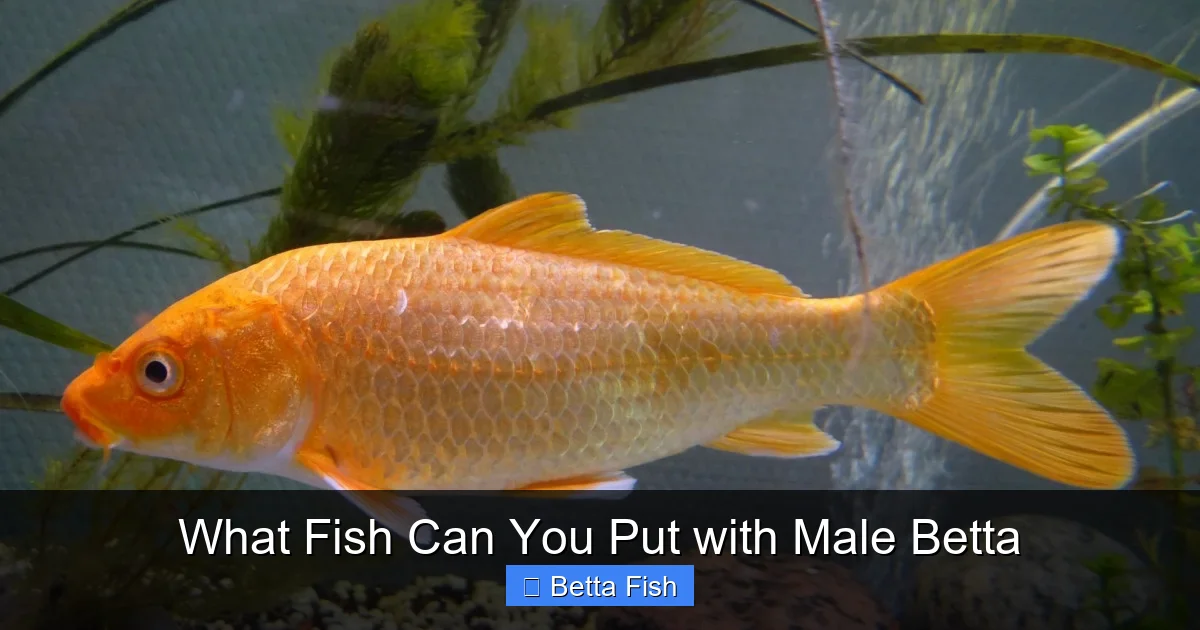
Visual guide about What Fish Can You Put with Male Betta
Image source: c.pxhere.com
Water conditions
- Temperature: 76‑82°F (24‑28°C)
- pH: 6.5‑7.5
- Hardness: 3‑4 dGH (soft to moderately hard)
- Filtration: Gentle flow; bettas prefer calm water.
Plants, décor, and hiding places
Live plants such as Java fern, Anubias, and Amazon swords create natural barriers. Add driftwood, smooth rocks, and ceramic caves. These structures break line‑of‑sight, allowing the betta to retreat if needed.
Lighting and cover
Soft, diffused lighting reduces stress. A lid or mesh cover prevents the betta from jumping out—a common habit.
Top Fish Choices: What Fish Can You Put with Male Betta?
Below is a list of fish that generally get along well with a male betta. Each entry includes ideal group size, temperament, and care tips.
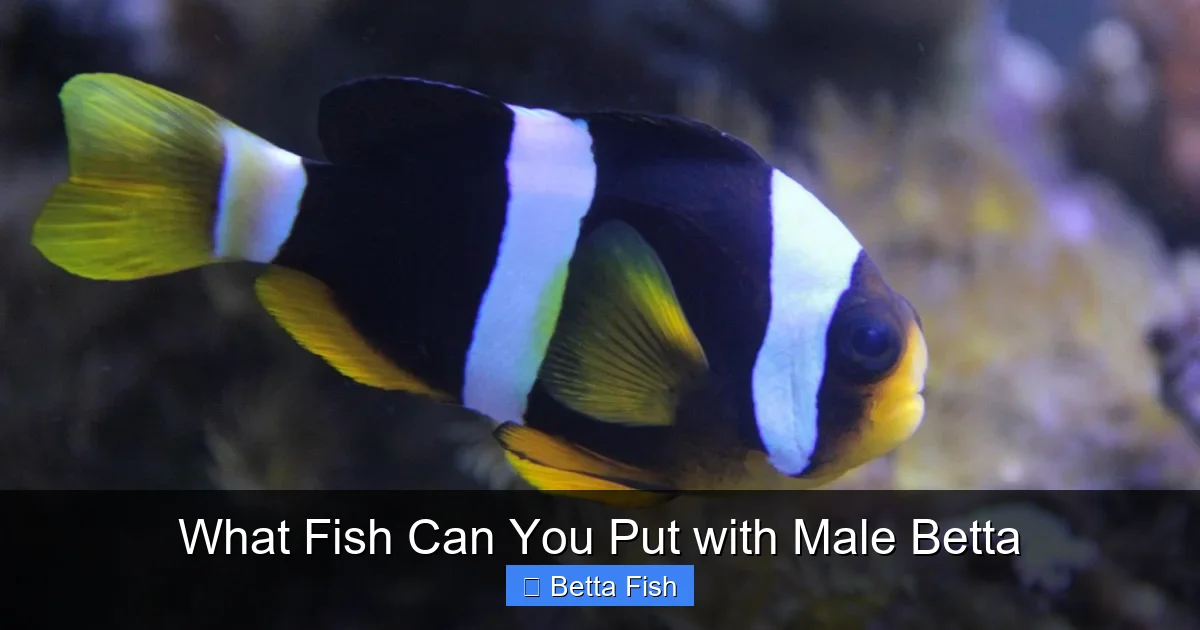
Visual guide about What Fish Can You Put with Male Betta
Image source: c.pxhere.com
1. Neon Tetra (Paracheirodon innesi)
- Size: 1.5‑2 inches
- Group: 6‑10 (schooling fish)
- Why they work: Small, fast, and non‑aggressive. Their bright blue‑red stripe adds color without mimicking a betta.
- Care tip: Keep water temperature around 78°F; they prefer slightly softer water.
2. Ember Tetra (Hyphessobrycon amandae)
- Size: 0.8‑1 inch
- Group: 8‑12
- Why they work: Their tiny size and peaceful nature make them invisible to a betta’s aggression.
- Care tip: Provide plenty of plants for hiding.
3. Harlequin Rasbora (Trigonostigma heteromacula)
- Size: 1.5‑2 inches
- Group: 6‑10
- Why they work: Fast swimmers that occupy the middle to upper levels, keeping distance from the betta’s bottom territory.
- Care tip: They thrive in slightly acidic water (pH 6.0‑7.0).
4. Corydoras Catfish (Corydoras spp.)
- Size: 2‑3 inches
- Group: 4‑6
- Why they work: Bottom‑dwelling, peaceful, and they love to scavenge uneaten food, keeping the tank clean.
- Care tip: Keep the substrate soft (sand or fine gravel) to protect their barbels.
5. Kuhli Loach (Pangio kuhlii)
- Size: 4‑5 inches
- Group: 3‑5
- Why they work: Slippery, nocturnal, and hide in crevices. They rarely interact with the betta, reducing conflict.
- Care tip: Provide plenty of hiding spots and a soft substrate.
6. Peppered Cory (Corydoras paleatus)
- Size: 2‑2.5 inches
- Group: 4‑6
- Why they work: Similar to other Corys, they are bottom dwellers and very peaceful.
- Care tip: Keep water well‑oxygenated; they love to sift through sand.
7. Dwarf Gourami (Trichogaster lalius)
- Size: 2‑3 inches
- Group: 1 (solo)
- Why they work: When kept as a single male in a large tank, they can coexist, but monitor closely for fin‑nipping.
- Care tip: Provide floating plants for surface grazing.
8. Small Snails (Nerite or Mystery)
- Size: 0.5‑1 inch
- Why they work: Snails are excellent algae eaters and generally ignored by bettas.
- Care tip: Ensure the snail species does not reproduce rapidly in freshwater.
9. Cherry Shrimp (Neocaridina davidi)
- Size: 0.8‑1.2 inches
- Why they work: Small, slow, and often overlooked. They add color and help clean detritus.
- Care tip: Provide plenty of plants; keep water stable to avoid shrimp stress.
What to Avoid
Fish with long, flowing fins (e.g., guppies, fancy goldfish), bright colors that mimic a betta, or aggressive temperaments (e.g., tiger barbs, cichlids) should stay out of a male betta’s tank. Even peaceful species can become targets if they’re too flashy.
Step‑by‑Step Guide to Introducing New Tank Mates
1. Quarantine first
Any new fish should spend 2‑4 weeks in a separate quarantine tank. This prevents disease transmission and lets you observe behavior.
2. Acclimate slowly
Use the drip method or floating bag technique to match temperature and water chemistry. Give the betta at least 24 hours before adding more fish.
3. Observe the first 48 hours
Watch for flaring, chasing, or fin damage. If aggression occurs, consider a larger tank, more décor, or a different species.
4. Feed strategically
Distribute food in different corners to reduce competition. Use sinking pellets for bottom dwellers and floating foods for the betta.
5. Maintain water quality
Weekly water changes of 25‑30% keep ammonia and nitrite low, which reduces stress for all inhabitants.
Common Mistakes and How to Fix Them
Overcrowding
Adding too many fish to a small tank spikes aggression. Stick to the 10‑20 gallon rule and keep the total bioload low.
Wrong temperature
If tank mates prefer cooler water (e.g., goldfish), the betta will become stressed. Choose species that share the 76‑82°F range.
Ignoring hiding places
Without plants or caves, the betta feels exposed and may become territorial. Add at least three vertical plants and several caves.
Feeding the betta last
Betas are surface feeders. If you feed them last, they may compete with mid‑level fish and become aggressive. Feed the betta first, then distribute food for other fish.
Conclusion: Creating a Harmonious Betta Community
Answering the question “what fish can you put with male betta” isn’t about a one‑size‑fits‑all list; it’s about matching temperament, water needs, and tank size. By choosing small, peaceful schooling fish, bottom‑dwelling catfish, or quiet invertebrates, and by providing ample hiding spots and a stable environment, you can enjoy a vibrant, lively aquarium where your male betta shines without constant conflict.
Remember to monitor behavior, keep water pristine, and adjust décor as needed. With patience and the right companions, your male betta can become the charismatic centerpiece of a thriving community tank.
Further Reading
- What Fish Can Live With A Male Betta
- Can You Put Snails In With Betta Fish
- Can You Put Shrimp With Betta Fish
Frequently Asked Questions
Can a male betta share a tank with neon tetras?
Yes, neon tetras are small, fast, and non‑aggressive, making them one of the safest fish to keep with a male betta in a properly sized tank.
What size tank is the minimum for a male betta and tank mates?
A minimum of 10 gallons is recommended; larger tanks (15‑20 gallons) provide more territory and reduce stress for all fish.
Are snails a good option for a betta community?
Snails such as nerite or mystery snails are generally ignored by male bettas and help control algae, making them a useful addition.
Will a male betta attack dwarf gouramis?
It can happen, especially if the gourami displays bright colors or long fins. If you try this pairing, keep a close eye on behavior and be ready to separate them.
How often should I change the water in a community betta tank?
Perform a 25‑30% water change weekly to keep ammonia and nitrite low, which helps maintain a peaceful environment.
Can I keep shrimp with my male betta?
Yes, small shrimp like cherry shrimp often coexist peacefully, but larger bettas may view them as food, so monitor interactions closely.

