Can Pom Pom Crabs Live with Betta Fish

Yes, pom pom crabs can sometimes live with betta fish, but it’s a high-risk pairing that requires meticulous planning and a large, heavily decorated tank. Success depends entirely on the individual betta’s temperament and providing the crabs with numerous, inaccessible hiding spots to molt and scavenge safely. It is not a recommended setup for beginners, and a separate tank for the crabs is always the safest option.
Key Takeaways
- Betta temperament is the #1 factor: A peaceful, older, or female betta has a better chance of tolerating pom pom crabs than a flashy, aggressive male.
- Tank size is non-negotiable: A minimum of 20 gallons is strongly advised to provide enough space for territories and reduce confrontations.
- Hiding places are critical for crab survival: You must create a labyrinth of caves, dense plants, and driftwood for crabs to escape, molt, and forage unseen.
- Pom pom crabs are not algae eaters: Do not add them to control algae; they are omnivorous scavengers needing supplemental food like sinking pellets and blanched veggies.
- Molting is a time of extreme vulnerability: A newly molted crab is soft and defenseless for days, making secure, hidden molting stations essential.
- Constant observation is required: You must watch for signs of betta harassment (crabs hiding constantly) or crab aggression (chasing the betta) and be prepared to separate them immediately.
- There are no guarantees: Even with perfect conditions, a betta’s predatory instinct may kick in. Always have a backup plan and tank ready.
📑 Table of Contents
- Introduction: The Allure and the Anxiety
- Understanding the Betta Fish: A Predator in a Pretty Package
- Pom Pom Crab 101: Nature and Needs
- Tank Setup for Success: The Art of the Possible
- The Risks: Why It Might Fail (And Often Does)
- Alternative Tank Mates for Bettas: Safer Paths
- Conclusion: Making the Right Choice for Your Tank
Introduction: The Allure and the Anxiety
So, you’ve got a stunning betta fish, probably lounging under a leaf or flaring at its reflection. You love its personality, but you also want a more dynamic, active community tank. Enter the pom pom crab, with its adorable, fuzzy-looking claws that look like tiny cheerleader pom poms. It’s a charming idea: the slow, regal betta paired with the busy, scurrying crab. But the question that keeps every aquarist up at night is a crucial one: can pom pom crabs live with betta fish safely and successfully?
The short, honest answer is: sometimes. It is one of the more debated and risky tank pairings in the hobby. Unlike some peaceful nano fish, pom pom crabs (also known as clinging crabs or *Xenograpsus testudinatus* in the wild, though most are *Ptychognathus* spp. in the trade) have specific needs and behaviors that directly clash with the well-known territorial and sometimes aggressive nature of betta fish. This isn’t a simple yes-or-no question. It’s a complex equation of betta personality, tank size, aquascaping genius, and a hefty dose of luck. This guide will dive deep into every facet of this potential partnership, arming you with the knowledge to decide if it’s a risk worth taking for your specific aquarium.
Understanding the Betta Fish: A Predator in a Pretty Package
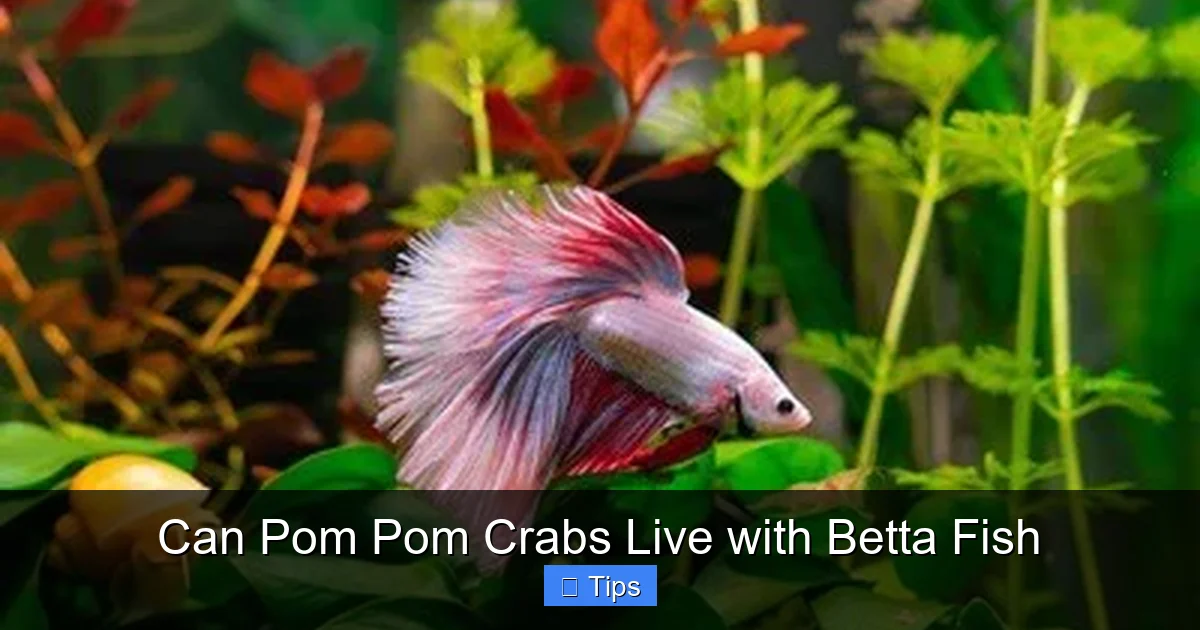
Before we even consider a tank mate, we must be brutally honest about the betta fish (Betta splendens). For centuries, they were bred for fighting, and that genetic legacy of aggression and territoriality is never fully gone, even in the most docile-looking individuals. A betta’s brain is wired to see long, flowing fins and slow-moving, colorful creatures as rivals or food.
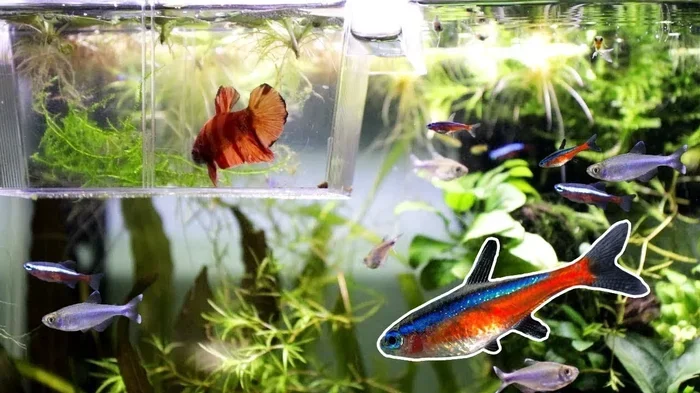
Visual guide about Can Pom Pom Crabs Live with Betta Fish
Image source: hermitcrabanswers.com
The Spectrum of Betta Temperament
Not all bettas are created equal. There’s a massive spectrum of personality within the species. A wild-caught betta or a very young, vibrant male from a big-box store is statistically more likely to be feisty. An older betta from a reputable breeder, especially a female or a “plakat” (short-finned) variety, may be more laid-back. However, you cannot reliably predict this. The only way to know your betta’s tolerance is through careful, controlled observation. The key question is: does your betta spend all its time flaring at everything that moves, or does it mostly ignore other creatures after a brief initial check?
Betta Aggression Triggers
Several things can set off a betta’s predatory or territorial instincts:
- Movement: Fast, darting movements (like a crab scrambling) can trigger a chase response.
- Appearance: The pom pom crab’s unique, fuzzy claws might be interpreted as strange, rival appendages. Their coloration, often mottled brown or green, is usually cryptic, but a brightly colored crab could be a target.
- Space Invasion: If a crab wanders into the betta’s established “safe zone” (often near the surface or a favorite leaf), conflict is almost guaranteed.
Understanding these triggers is the first step in designing an environment where they are minimized.
Pom Pom Crab 101: Nature and Needs
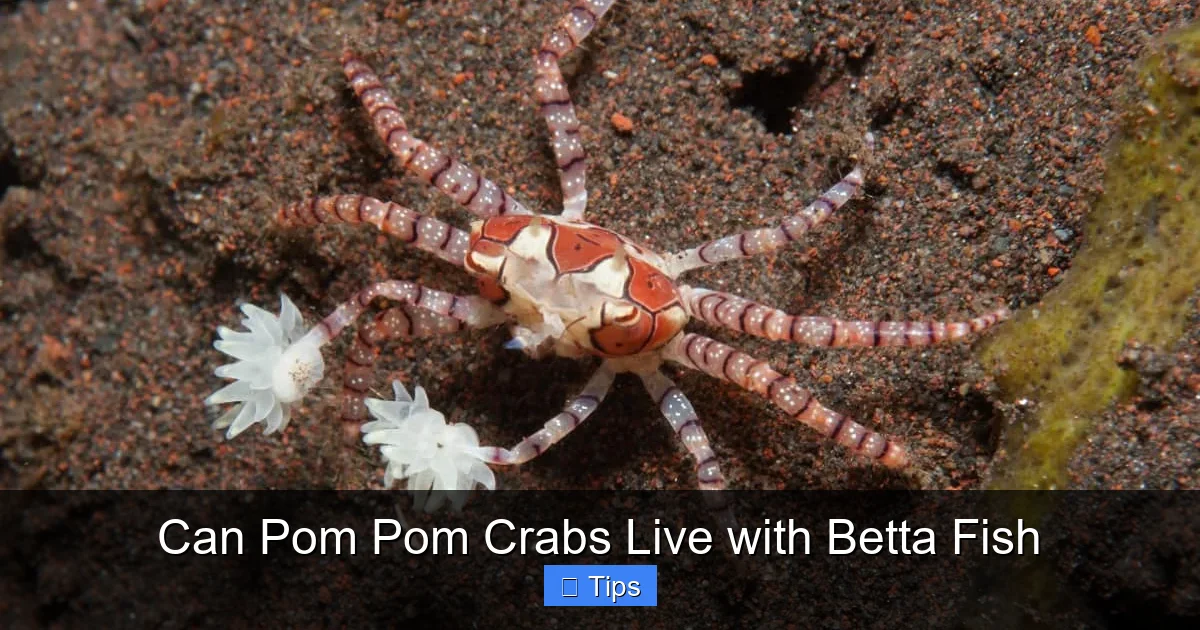
These little crustaceans are fascinating. They are not true freshwater crabs but are often found in brackish estuaries in the wild. In the aquarium, they are fully adapted to freshwater but still carry some of those environmental preferences. They are small, typically 1-2 inches in leg span, and are nocturnal scavengers.
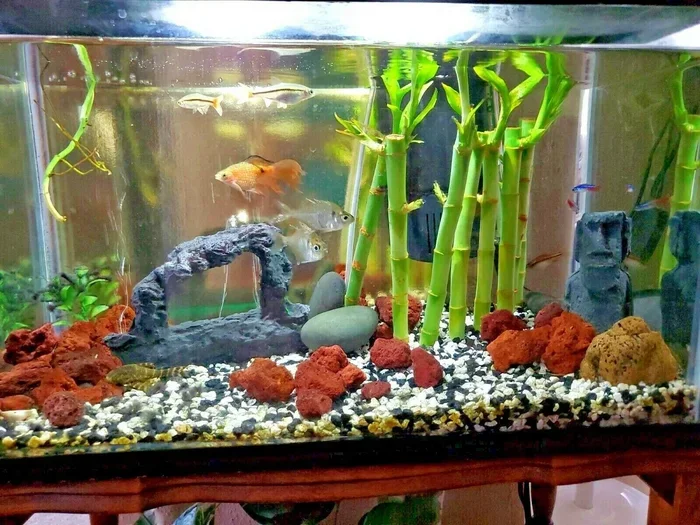
Visual guide about Can Pom Pom Crabs Live with Betta Fish
Image source: crfamilypets.com
Behavior and Lifestyle
Pom pom crabs are not active swimmers. They are climbers and scavengers. You’ll often see them perched on decorations, glass, or plant leaves, using their specialized legs to pick at biofilm, algae, and detritus. Their “pom poms” are actually clusters of setae (bristles) on their claws, which they use to filter food particles from the water. This makes them interesting to watch but also means they need surfaces to forage on. They are generally shy and will spend hours motionless, camouflaged.
The Critical Molting Process
This is the single most important aspect of keeping pom pom crabs with any fish. Crabs must periodically shed their exoskeleton to grow. For 24-72 hours after molting, their new shell is soft, and they are completely defenseless. During this time, they are extremely vulnerable to predation—or in this case, to a curious or aggressive betta. A betta could easily injure or eat a soft-shelled crab. Therefore, providing absolutely secure, hidden molting spots is not a luxury; it is a matter of life and death for the crab. They often seek out tight crevices or under heavy rocks to molt.
Diet: They Are Not Your Clean-Up Crew
A common misconception is that pom pom crabs will keep your tank clean. While they will pick at some algae and biofilm, they are primarily omnivorous scavengers. They need a varied diet of high-quality sinking pellets, algae wafers, and blanched vegetables (zucchini, spinach, kale). They also enjoy occasional protein like brine shrimp or daphnia. A well-fed crab is a less desperate crab, less likely to wander into open water searching for food where the betta patrols.
Tank Setup for Success: The Art of the Possible
If you are determined to try this pairing, the tank setup is where you win or lose the battle. The goal is to create a world for the crabs that the betta can’t easily access or doesn’t care about.
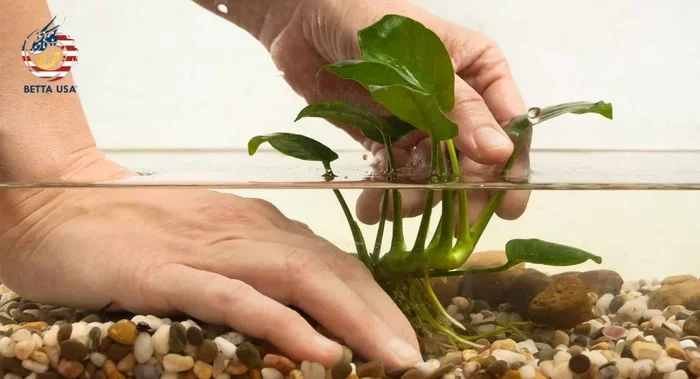
Visual guide about Can Pom Pom Crabs Live with Betta Fish
Image source: voyopets.com
Tank Size: Bigger is Infinitely Better
Let’s be clear: a 5-gallon betta tank is a no. The absolute minimum for this experiment is a 20-gallon long tank. A 30-gallon or larger is strongly preferred. Why? Space. In a larger volume, the betta’s territory is diluted. There are more corners, more vertical layers, and more places for crabs to be out of sight. It reduces the frequency of the betta and crabs crossing paths. In a small tank, every encounter is a potential conflict.
The Aquascape: Creating a Crab Fortress
Your tank should look like a jungle gym and a cave system combined.
- Dense Planting: Use live plants like java fern, anubias, java moss, and cryptocorynes. Create thickets that stretch from the substrate to the surface. Floating plants like frogbit or duckweed are excellent for covering the surface, which bettas love but crabs rarely visit. Plants break lines of sight and provide endless foraging posts.
- Hardscape is Key: Pile up dragon stone, slate, or lava rock to create tiny caves, overhangs, and crevices. Ensure any caves have multiple exits so a crab isn’t trapped inside with a curious betta waiting outside. Driftwood (like mopani or manzanita) with complex branches is perfect for crabs to climb and hide among.
- Substrate: Use a fine sand or smooth gravel. Crabs like to sift through the substrate. Avoid sharp edges that could damage their soft undersides during molting.
- Vertical Space: Pom pom crabs will climb the glass and decorations. Use tall, porous rocks or stacked stones that reach near the water surface, giving them a “crabs-only” zone well away from the betta’s mid-water patrols.
Water Parameters: Finding Common Ground
Here, we have a decent overlap. Bettas prefer warm, soft, acidic water (76-82°F, pH 6.5-7.5). Pom pom crabs are quite adaptable but thrive in similar parameters (72-82°F, pH 7.0-8.0, moderate hardness). The key is stability. Both species are sensitive to ammonia and nitrites. A robust, cycled tank with pristine water quality is essential for the crab’s health, especially during vulnerable molting periods. Maintain a temperature around 78°F as a good compromise. Ensure good, gentle filtration (a sponge filter is excellent for not creating strong currents that stress the betta) and perform regular water changes.
The Risks: Why It Might Fail (And Often Does)
Even with a 30-gallon jungle, things can go wrong. You must go into this with your eyes wide open.
The Betta’s Instinct Kicks In
You might have a peaceful betta for months, and then one day it decides a particular pom pom crab is a threat. It could be the crab’s color that day, a new movement pattern, or just the betta’s mood. A single, swift nip from a betta can cripple a crab’s leg. While crabs can regenerate limbs, a severe injury or a bite to the soft body after a molt is often fatal. The betta may also simply harass the crab constantly, stressing it to the point where it stops eating and eventually dies.
Crab Aggression? Yes, It’s Possible.
Don’t assume the crab is always the victim. Pom pom crabs, especially males, can be territorial with each other. In a small tank, they may fight and injure one another. Also, a large, bold crab might try to steal food from or even nip at a betta’s fins, especially if the betta is passive. This can escalate quickly.
The Invisible Stress
Even if there are no direct attacks, the constant stress of sharing space with a potential predator takes a toll. A crab that is always hiding is not foraging properly, not getting enough food, and not exhibiting natural behaviors. Chronic stress suppresses its immune system, making it susceptible to disease. You have to ask yourself: is the crab truly thriving, or just surviving?
Alternative Tank Mates for Bettas: Safer Paths
Given the significant risks with pom pom crabs, you might wonder about better options. If your goal is a community tank with a betta, consider these much safer, proven companions:
- Small Schooling Fish: A school of 6-8 neon tetras, ember tetras, or harlequin rasboras in a properly sized tank (20+ gallons) is a classic.Their speed and group behavior usually keep them safe from a betta that isn’t hyper-aggressive.
- Bottom Dwellers: A group of corydoras catfish or kuhli loaches are excellent. They occupy a different tank layer and are armored enough to withstand a curious betta’s investigation.
- Other Invertebrates: For the invertebrate-lover, Amano shrimp or ghost shrimp are a much lower-risk option than crabs. They breed quickly, so losses are less devastating, and their transparent or camouflaged nature makes them less of a target. Nerite snails are also perfect—they have a hard shell and don’t reproduce in freshwater.
- African Dwarf Frogs: A true aquatic frog that shares similar water parameters. They are slow and peaceable, but you must ensure your betta isn’t a fin-nipper, as frogs have sensitive skin.
These species have a long history of successful cohabitation with properly selected bettas when tank conditions are met.
Conclusion: Making the Right Choice for Your Tank
So, can pom pom crabs live with betta fish? The technical answer is yes, it is physically possible. The practical, ethical, and responsible answer is: it is a high-stakes gamble that should only be attempted by experienced aquarists with a large, meticulously planned tank and a betta of known calm disposition. For the vast majority of hobbyists, especially those with a standard 5 or 10-gallon betta tank, the answer is a firm no. The risk to the crab’s welfare is simply too great.
Your primary duty as a pet owner is to minimize suffering and provide an environment where all inhabitants can thrive, not just survive. A pom pom crab in a tank with an aggressive betta will live a life of fear and hiding. It will not display its natural foraging behaviors, and its lifespan will likely be cut short. If you are set on keeping pom pom crabs, the kindest and most successful path is to house them in a dedicated, species-only tank. There, you can optimize every parameter for their needs, watch them climb and forage without fear, and truly appreciate these unique little crustaceans. Sometimes, the most beautiful community is the one you don’t force. Your betta can be the solo king it was bred to be, and your pom pom crabs can thrive as the busy, fascinating scavengers they are meant to be, in a home built just for them.
Frequently Asked Questions
Will a betta fish definitely eat a pom pom crab?
Not definitely, but it is a very real and significant possibility. A betta may see the crab as food or a territorial rival. Even a non-aggressive betta might accidentally injure a crab during a curious nip. There are no guarantees of safety.
What size tank do I absolutely need for this pairing?
The absolute minimum is a 20-gallon long tank, but a 30-gallon or larger is highly recommended. This provides enough space for distinct territories, reducing the frequency of encounters between the betta and crabs.
Can I keep more than one pom pom crab with my betta?
It is not advised. Keeping a single crab makes it easier to monitor and reduces the risk of crabs fighting each other for limited hiding spots. Multiple crabs increase competition and stress, making them more likely to wander into dangerous areas.
What are the signs my betta is stressing out the crabs?
Constant, full-time hiding in the deepest caves or under rocks is the biggest red flag. Crabs should come out to forage regularly, especially at night. If they are never seen, they are likely being harassed. Also, look for missing limbs or a general lethargy.
Do pom pom crabs need brackish water like their wild cousins?
No. The vast majority of pom pom crabs in the aquarium trade are fully acclimated to freshwater. They will live their entire lives in a standard freshwater community tank. Just ensure the water is clean and stable.
What should I do if my betta starts attacking the crab?
You must separate them immediately. Have a backup tank (even a 10-gallon) ready with identical water parameters and the same crab-friendly aquascape. Move the crab to the new tank. Do not wait to see if “it gets better,” as permanent injury or death can happen in seconds.