Can Pom Pom Crabs Live with Betta Fish
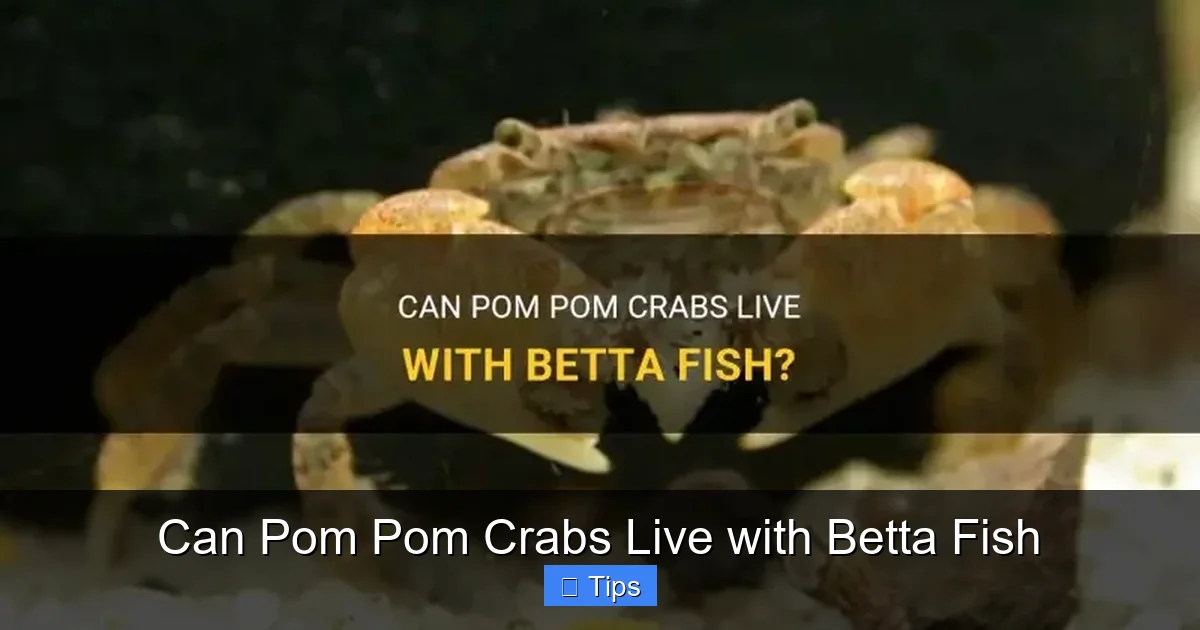
While it’s technically possible for pom pom crabs and betta fish to cohabitate, it is generally considered a high-risk, advanced-level tank pairing. Success depends entirely on the individual betta’s temperament, providing an exceptionally large and complex tank, and accepting that aggression or predation is a significant possibility. For most aquarists, especially beginners, keeping these species separately is the far safer and more ethical choice to ensure the well-being of both animals.
Key Takeaways
- High Risk, Not Recommended for Beginners: The combination of a potentially aggressive betta and a territorial, opportunistic crab creates a volatile environment where injury or death is common.
- Tank Size is Non-Negotiable: A minimum of 30 gallons is essential, with 40+ gallons being a much safer starting point to provide enough space for territories and escape.
- Betta Temperament is the Wild Card: The betta’s individual personality is the single biggest factor. A passive betta might ignore the crab, while an aggressive one will relentlessly harass or attempt to eat it.
- Crabs are Opportunistic and Can Escape: Pom pom crabs are curious, can climb, and will scavenge. A tight-fitting lid is mandatory, and they may nip at a betta’s fins if given a chance.
- Water Parameter Compromise is Needed: Bettas prefer warmer water (78-80°F), while pom pom crabs thrive in slightly cooler, mineral-rich water (72-78°F). Finding a safe middle ground stresses one or both species.
- Extensive Hiding Spots are Critical: The tank must be heavily aquascaped with driftwood, rocks, caves, and dense plants (real or silk) to break lines of sight and provide crab refuge.
- Constant Supervision is Required: You must be prepared to intervene immediately at the first sign of aggression and have a separate hospital tank ready for either animal.
📑 Table of Contents
- The Allure and the Anxiety: A Fascinating but Fraught Pairing
- Understanding the Protagonists: Betta Fish & Pom Pom Crab 101
- The Core Conflict: Why These Species Clash
- Tank Setup for a *Potential* Cohabitation: The Extreme Endeavor
- The Critical Introduction & Ongoing Observation Protocol
- When It Goes Wrong: Recognizing Failure & Emergency Plans
- The Verdict and Ethical Alternatives
The Allure and the Anxiety: A Fascinating but Fraught Pairing
So, you’ve got a stunning, flowing-finned betta fish, maybe in a beautifully planted 10-gallon tank that’s the envy of your desk. And you’ve seen those adorable little pom pom crabs, with their fuzzy, pom-pom-like claws, scuttling around online or at your local fish store. The idea of combining these two charismatic creatures into one vibrant community tank is undeniably appealing. It promises a dynamic, active ecosystem with contrasting behaviors—the betta’s majestic, solitary displays and the crab’s busy, bottom-dwelling antics.
But before you grab that crab and drop it into your betta’s domain, you need to understand the deep, fundamental incompatibilities that make this one of the most debated and risky pairings in the freshwater aquarium hobby. This isn’t about a simple yes or no answer. It’s about understanding animal behavior, environmental needs, and accepting a high probability of failure. This guide will dive deep into every facet of the question “Can pom pom crabs live with betta fish?” separating myth from reality and equipping you with the knowledge to make an informed, ethical decision for your aquatic pets.
Understanding the Protagonists: Betta Fish & Pom Pom Crab 101
The Siamese Fighting Fish: A Solitary Aristocrat
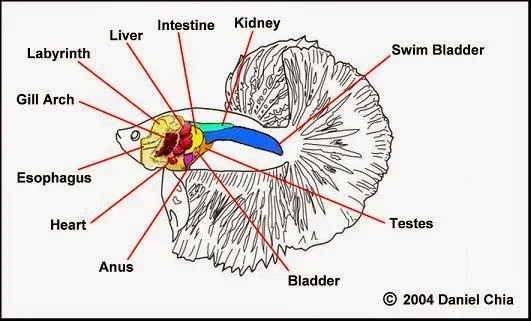
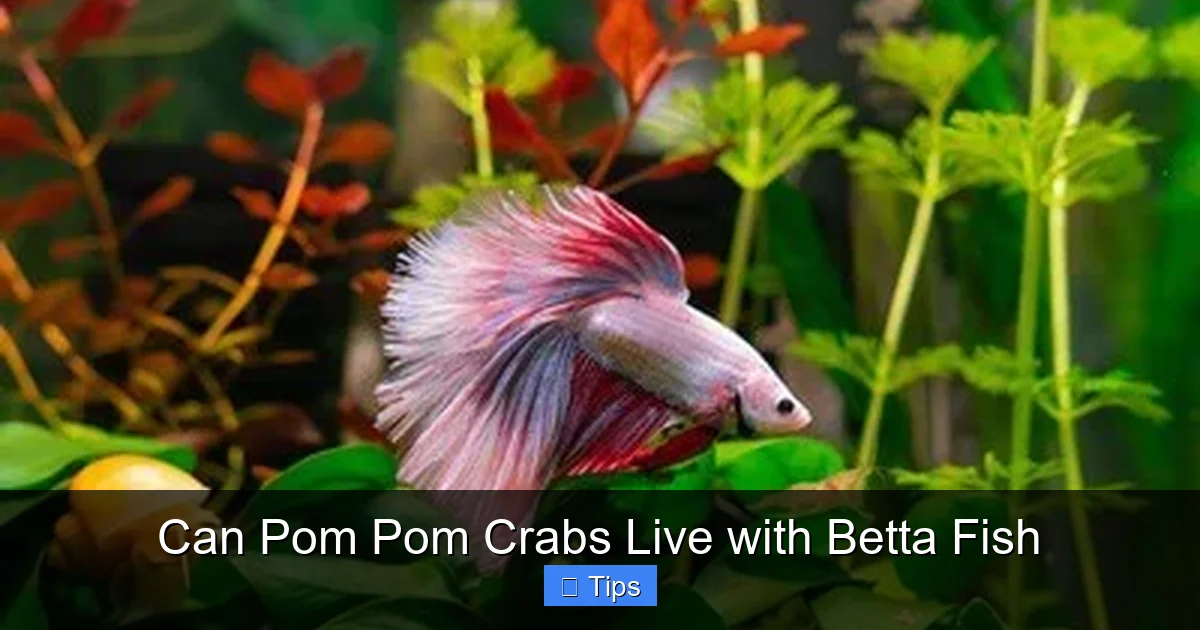
Let’s start with the star of many aquariums, the betta splendens. Bred for centuries for their aggression and beauty, the modern betta is a complex creature. In the wild, they are solitary, territorial fish that claim small patches of still, warm water in rice paddies and shallow streams. They are labyrinth breathers, meaning they gulp air from the surface, giving them an advantage in oxygen-poor water.
Visual guide about Can Pom Pom Crabs Live with Betta Fish
Image source: hermitcrabanswers.com
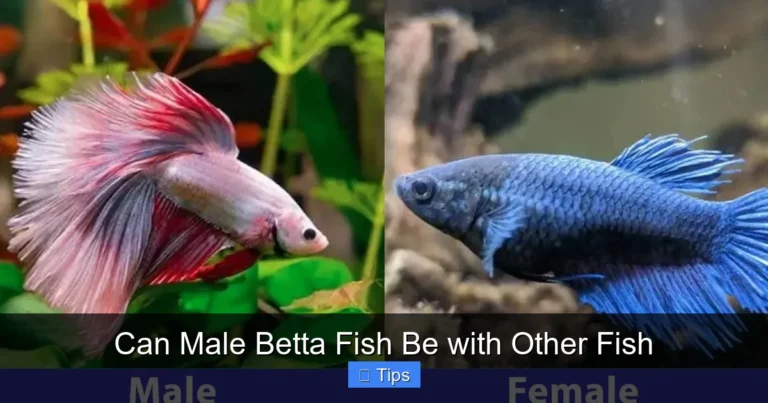
The key trait for our discussion is their legendary aggression, particularly in males. A betta’s territory is everything. They will flare (spread their gills and fins) at anything they perceive as a rival—their own reflection, a moving object, or another fish with long, flowing fins. This aggression is not just posturing; it can lead to relentless chasing, fin nipping, and fatal attacks. While some bettas are more docile (often called “peaceful” or “community” bettas), this is the exception, not the rule, and you cannot know for sure until you try.
The Pom Pom Crab: A Miniature Tank Engineer
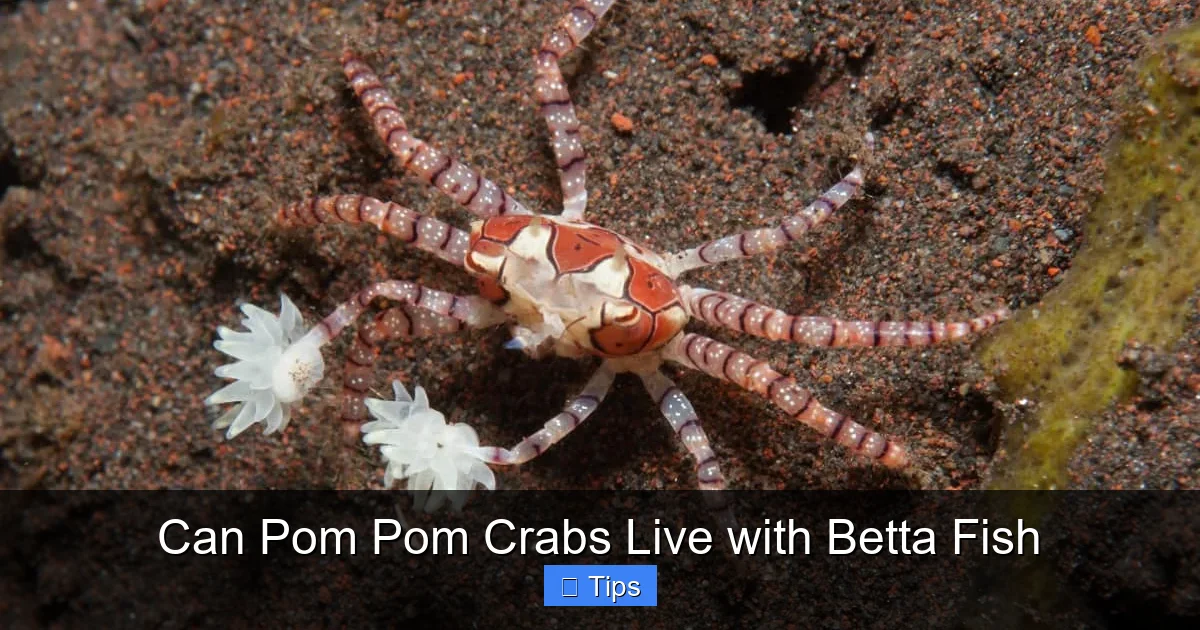
Now, meet the pom pom crab, properly known as Xenia crab or sometimes incorrectly as a “freshwater hermit crab” (it’s not a true hermit). These small, colorful crabs (usually 1-2 inches in diameter) are famous for the dense setae (hairy bristles) on their claws, which they use to filter food particles from the water—hence the “pom pom” name. They are active, curious, and surprisingly strong for their size.
Pom pom crabs are not passive bottom-dwellers. They are semi-aggressive and opportunistic. They will scavenge for meaty foods, may nip at slow-moving fish or the fins of long-finned species like bettas, and are notorious escape artists, capable of climbing glass and silicone. They require hard, mineral-rich water (higher GH and KH) for proper molting and have a different temperature preference than tropical fish like bettas. Their behavior is more akin to a feisty, tiny tank janitor with a mind of its own.
The Core Conflict: Why These Species Clash
Aggression vs. Opportunity: A Recipe for Disaster
This is the heart of the incompatibility. You are placing a known, instinct-driven territorial aggressor (the betta) in the same space as a small, moving, clawed creature that the betta’s instincts will classify as either a rival or a food item. The betta’s first reaction will be to flare and chase. The crab’s reaction will be to flee and hide. This creates a stressful cycle: the betta constantly patrols and attacks the crab’s hiding spots, the crab is terrified and has no safe zone, leading to a weakened immune system, loss of appetite, and eventual death from stress or direct injury.
Visual guide about Can Pom Pom Crabs Live with Betta Fish
Image source: crfamilypets.com
Conversely, if the crab is bold and the betta is less aggressive, the roles can reverse. A pom pom crab, feeling cornered or curious, might give a betta’s flowing tail a pinch. Betta fins are delicate and prone to infection. A single nip can lead to torn, ragged fins and a potential case of fin rot, turning your prized betta into a sad, frayed spectacle.
The Water Parameter Divide: A Compromise That Strains
Betta fish are true tropical fish, thriving in water consistently between 78-80°F (25.5-26.5°C). They prefer soft to moderately hard water. Pom pom crabs, however, are native to brackish estuaries and do best in slightly cooler water, around 72-78°F (22-25.5°C), and require harder water with a General Hardness (GH) of at least 8-12 dGH to successfully molt their exoskeletons.
You are forced to find a “middle ground,” typically around 76-77°F. This temperature is suboptimal for both. The betta’s metabolism slows slightly, and its immune function may be compromised. The crab is warmer than it prefers, which can increase its stress and metabolic rate. The hardness requirement is even trickier; you must supplement minerals (using products like Seachem Equilibrium or crushed coral) to keep the crab healthy, which can eventually raise the pH and hardness beyond what a long-term betta prefers. You are constantly managing a chemical environment that satisfies neither animal perfectly.
Tank Setup for a *Potential* Cohabitation: The Extreme Endeavor
If, after understanding the risks, you are an experienced aquarist determined to attempt this pairing (perhaps with a known, exceptionally mellow betta), your tank setup must be nothing short of exceptional. Think of it as building a fortress for the crab with a betta as the unpredictable guard.
Visual guide about Can Pom Pom Crabs Live with Betta Fish
Image source: voyopets.com
Size, Lid, and Layout: The Foundational Rules
Tank Size: Forget the 5-gallon betta tank. You need a absolute minimum of 30 gallons, and 40 gallons is a far more responsible starting point. This provides horizontal swimming space for the betta and, more importantly, vertical and complex bottom territory for the crab to establish its own domain away from the betta’s patrol routes.
The Lid is Law: Pom pom crabs are Houdinis. They will climb silicone seams, power cords, and heater cords. You must have a completely secure, tight-fitting glass or acrylic lid with no gaps larger than a centimeter. All equipment (filters, heaters) must be checked for climbing routes.
Aquascaping for Defense: Your goal is to create a labyrinth. Use a combination of:
- Driftwood & Rockwork: Create caves, overhangs, and crevices where the crab can completely disappear. Stack rocks securely.
- Dense Planting: Use tall, sturdy plants like Amazon swords, Java fern (attached to wood), and cryptocorynes. Floating plants like frogbit or water lettuce are excellent for breaking surface lines of sight and giving the betta (and crab) a sense of security.
- Terracotta Pots & PVC Tubes: These make perfect, inexpensive crab burrows. Place them in the mid to lower levels of the tank, away from the betta’s favorite hovering spots near the surface.
The tank should look “cluttered” from a fish’s-eye view, with no long, unobstructed sightlines.
Filtration, Heating, and Water Chemistry
Filtration: Use a filter with a gentle flow (like a sponge filter or a canister filter with a spray bar) to avoid creating strong currents, which bettas dislike and can make it harder for crabs to move. Ensure the intake is covered with a sponge to prevent the crab from being sucked in.
Heating: A fully submersible heater with a guard is best. Place it in a location with water flow but ensure the crab cannot climb onto it directly (some crabs may try to climb warm surfaces). A temperature of 76-77°F is the target compromise.
Water Chemistry: You must regularly test GH/KH. Use a remineralizer to maintain a GH of 8-10 dGH for the crab. This will naturally keep the pH in a stable, slightly higher range (7.2-7.6), which is acceptable for a betta if it’s stable. Stability is more important than a perfect number.
The Critical Introduction & Ongoing Observation Protocol
How you introduce these animals is as important as the tank setup. Never just drop the crab in.
The Drip Acclimation and Barrier Method
1. Acclimate the Crab: Use the drip acclimation method for your pom pom crab for at least 2-3 hours to slowly equalize temperature, pH, and hardness. This is crucial for its sensitive exoskeleton.
2. Use a Breeder Box or Divider: Place the crab in a large, clear breeder box with some of its new tank water and a few hiding spots (a small terracotta pot, a piece of cholla wood) inside the main tank. Let it sit for 24-48 hours. This allows the betta to see and smell the crab without physical access, and the crab to adjust to the new water parameters and see its future home.
3. The First Release: At night, when the betta is less active, gently release the crab from the breeder box near one of its planned permanent hiding spots (e.g., a large cave). Do this with the lights off. Do not watch intently; observe from a distance.
What to Watch For (The First 72 Hours)
This is the most critical period. You need to be a silent observer.
- Betta Behavior: Is it flaring constantly at the crab’s hiding spot? Is it patrolling the bottom area obsessively? Is it chasing the crab the moment it moves? Any persistent, targeted chasing is a major red flag.
- Crab Behavior: Is the crab constantly hidden, not coming out to forage even at night? Is it trying to climb the glass walls frantically? Is it lethargic? This indicates extreme stress.
- Signs of Attack: Look for torn betta fins, missing crab legs, or the crab hiding with a damaged shell. Any physical injury means immediate separation.
If, after a week, the betta largely ignores the crab’s territories and the crab is actively foraging at night with minimal hiding, you *might* have a stable, albeit tense, situation. But the clock is always ticking.
When It Goes Wrong: Recognizing Failure & Emergency Plans
You must go into this with your exit strategy already prepared. Having a second, cycled tank (a 10-gallon “hospital” tank is perfect) ready to go is not optional; it’s mandatory.
Immediate Separation Triggers
Act immediately if you see:
- The betta chasing the crab to the point of exhaustion.
- The betta nipping at the crab.
- The crab losing a limb or showing damage to its shell.
- The crab refusing to eat for more than 48 hours.
- The betta’s fins showing signs of nipping or rot.
Do not hope they will “work it out.” They won’t. The stress will only escalate. Have a net ready and be prepared to catch the crab (they are fast!) or the betta and move one to the backup tank. The backup tank should have similar water parameters (temperature, hardness) to the main tank to avoid shock.
The Most Likely Outcomes
Be honest with yourself. The statistical probabilities are:
- The Betta Kills the Crab: This is the most common tragic outcome. The crab is seen as food or a threat and is either consumed or dies from stress.
- The Crab Harasses the Betta: Less common but possible. A bold crab may pinch fins, leading to a stressed, injured betta prone to disease.
- Chronic Stress for Both: Both animals live in a state of fear and tension. Their colors may dull, their appetites decrease, and their lifespans shorten significantly. This is a welfare failure.
- Stable, Tense Coexistence: A rare outcome where a passive betta and a clever crab avoid each other perfectly. This requires constant vigilance, as a single bad day can change everything.
The Verdict and Ethical Alternatives
So, Can They Live Together?
The honest, responsible answer for 95% of aquarists is no. The risks to both animals are too high, and the requirements for success are so extreme that they border on impractical for a stable, long-term community tank. The majority of online “success stories” involve tanks that are too small, lack proper hiding, or involve bettas whose true temperament only reveals itself over time, often with tragic results. The ethical choice is to provide each species with an environment tailored to its specific needs, free from the constant threat of violence.
Better Community Tank Mates for Your Betta
If you want a community tank with your betta, choose peaceful, fast-moving, tropical fish that occupy different water layers and have short fins. Excellent, proven choices include:
- Neon or Cardinal Tetras (school of 6+ in a 20+ gallon tank)
- Harlequin Rasboras (school of 6+)
- Corydoras Catfish (school of 4-6, e.g., Pygmy, Sterbai, Panda)
- Kuhli Loaches (group of 3+)
- Otocinclus Catfish (group of 4+ in a well-established, algae-rich tank)
Always introduce tank mates to a cycled, heavily planted tank and monitor closely.
Better Tank Mates for Your Pom Pom Crab
Pom pom crabs are best kept in species-only tanks or with other robust, fast-moving, *cooler-water* shrimp (like certain types of ghost shrimp or amano shrimp) or small, non-aggressive fish that won’t see them as food and won’t compete for the same bottom territory. They do well in well-planted, mineral-rich setups. Keeping a small group (3-4) of pom pom crabs together is often more successful and interesting than trying to mix them with other species.
Frequently Asked Questions
Will a betta fish always try to eat a pom pom crab?
Not always “eat,” but almost always “attack.” A betta’s instinct is to chase and nip at anything small and moving in its territory, especially near the bottom. The crab’s claws and hard shell may deter a full consumption, but relentless chasing and stress will likely kill the crab. There is no guarantee a betta will ignore it.
What is the absolute minimum tank size for this pairing?
While some may cite 20 gallons, the responsible absolute minimum is 30 gallons, and even that is pushing it. A 40-gallon breeder tank provides a much better footprint (more horizontal space) and depth for creating distinct territories and hiding spots, significantly reducing the chances of constant interaction.
Can I clip my betta’s fins to prevent injury from a crab?
Absolutely not. Clipping a betta’s fins is cruel, causes extreme stress, and makes the fish more susceptible to infection. It does not change the betta’s aggressive instinct. The solution is proper tank separation, not mutilating your pet.
My betta seems calm. Can I try it?
A “calm” betta in a species-only tank may become highly territorial and aggressive when a new, strange creature is introduced. You cannot predict how a betta will react to a crab. The only way to know is to try under controlled, heavily planted conditions with a hospital tank ready, accepting the high risk of failure.
What should I do if my betta attacks the crab?
Separate them immediately. Use a net to catch the crab (have a cup or small container ready) and move it to your prepared hospital tank. Do not wait to see if it “settles down.” The crab may be injured and need a quiet place to recover. The betta should remain in the main tank; do not punish it, as this is natural instinct. You must now decide if you will keep them permanently separate.
Are there any crabs that are safer with bettas?
No crab is truly “safe” with a betta. Some aquarists have had limited success with very large, robust, and fast-moving crabs like the Thai Micro Crab (*Limnopilos naiyanetri*), which is also very small and spends much time in the water column, but the risks remain. The only truly safe “crabs” are fully aquatic, fast-swimming shrimp like the Bamboo Shrimp or Amano Shrimp, and even those carry a small risk of being eaten if the betta is particularly aggressive.