Can Overfeeding a Betta Fish Kill It
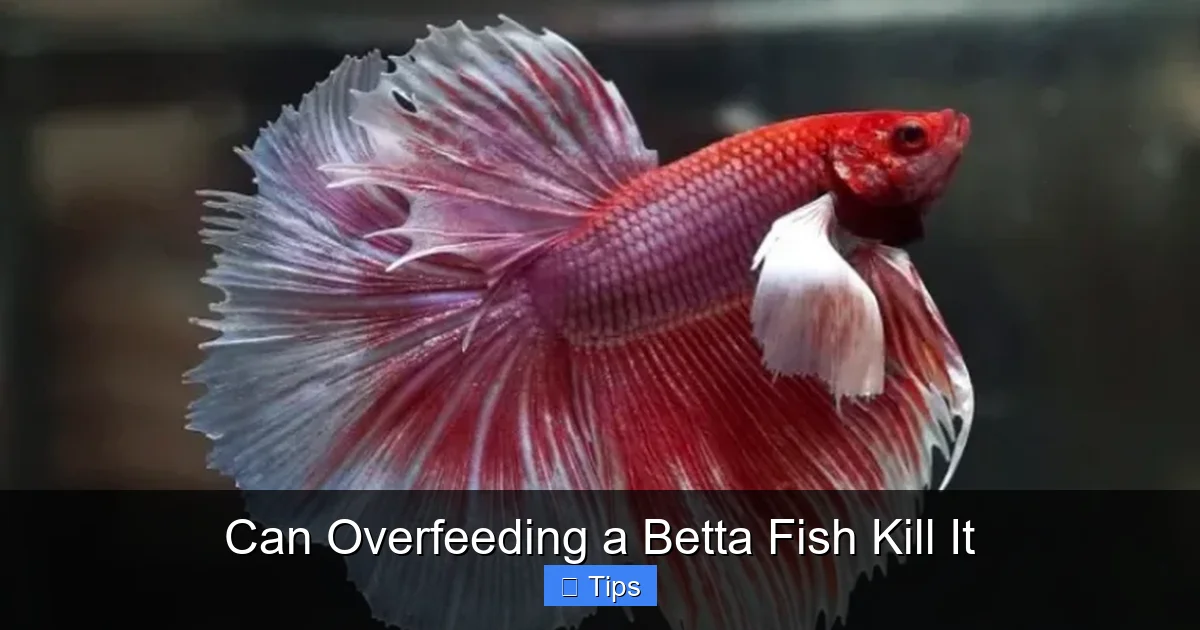
Overfeeding a betta fish isn’t just about weight gain—it can cause life-threatening conditions like swim bladder disease and severe water pollution. Feed them small portions once or twice daily, and always remove uneaten food to protect your betta’s health and maintain a clean tank environment. Understanding their tiny stomachs and delicate systems is key to preventing avoidable deaths.
Key Takeaways
- Overfeeding directly causes swim bladder disease: Excess food leads to constipation and internal pressure, disabling the fish’s ability to control its buoyancy and float properly.
- It rapidly fouls tank water: Uneaten food decomposes, creating toxic ammonia and nitrite spikes that can poison and kill your betta within days.
- Bettas have very small stomachs: Their stomach is roughly the size of their eye; feeding more than 2-3 pellets at a time is almost always too much.
- Obesity and organ failure are long-term risks: Chronic overfeeding stresses the liver and kidneys, leading to a shortened lifespan and increased disease susceptibility.
- Fasting is a beneficial treatment: A 24-48 hour fast can resolve minor digestive blockages and is a standard first step for treating swim bladder issues.
- Observation is your best tool: A healthy betta is active and alert. Lethargy, bloating, or floating erratically are immediate red flags for overfeeding-related illness.
- Quality matters as much as quantity: A high-protein, betta-specific diet is essential, but even the best food becomes dangerous if given in excess.
📑 Table of Contents
- The Silent Killer in Your Betta’s Bowl
- Digestive Disasters: The Internal Toll of Too Much Food
- Water Quality Nightmare: The External Assault
- Obesity and Organ Stress: The Slow Decline
- How Much is Too Much? The Golden Rules of Betta Feeding
- What To Do If You’ve Overfed Your Betta: An Action Plan
- Conclusion: Less is Truly More
The Silent Killer in Your Betta’s Bowl
You adore your betta fish. That vibrant flare of color, the curious gaze as you approach the tank—it’s easy to want to spoil them. And what’s the most common way we show love to pets? With food. But in the world of betta fish, this well-intentioned gesture can quickly turn from caring to catastrophic. The question isn’t just “can overfeeding a betta fish kill it?” but rather, “how quickly and silently can it happen?”
Many new betta owners operate under a tragic misconception: that a fish will only eat what it needs and stop when full. This simply isn’t true. Bettas are opportunistic feeders in the wild, eating whenever food is available. In captivity, with a constant food source, they will eat themselves into a state of crisis. Overfeeding is arguably the number one cause of preventable betta death, and it happens in homes every day because the damage isn’t always immediately obvious. It’s a slow, systemic attack from the inside out and the water out.
Why Our Instincts Are Wrong
We project our own relationship with food onto our pets. We feel guilty if we think they’re hungry. We see a fish dart to the surface when we approach and interpret it as a plea for a snack. In reality, that behavior is often just conditioning—your betta has learned that your presence equals potential food. It’s a trick they’ve mastered. Feeding in response to this reinforces the cycle of overconsumption. The truth is, a healthy betta on a proper diet will maintain a consistent, healthy body condition without constant feeding.
Digestive Disasters: The Internal Toll of Too Much Food
A betta fish’s digestive system is a marvel of efficiency for its size, but it is also incredibly delicate and easily overwhelmed. Think of it as a tiny, high-performance engine that requires precisely the right fuel in precisely the right amount. Overfeeding is like pouring syrup into a gas tank.
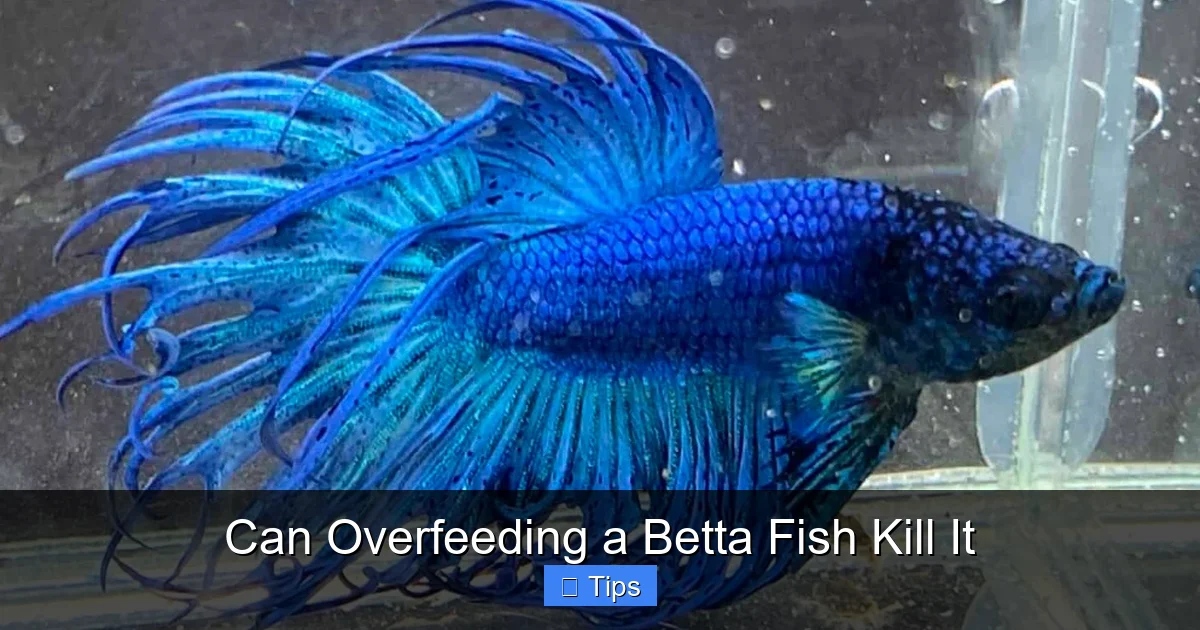
Visual guide about Can Overfeeding a Betta Fish Kill It
Image source: thegoldfishtank.com
Swim Bladder Disease: The Classic Symptom
The most infamous and visible consequence of overfeeding is Swim Bladder Disorder (SBD). The swim bladder is a gas-filled organ that acts like a floatation device, allowing the fish to maintain buoyancy and hover effortlessly. When a betta is overfed, several things happen:
- Constipation: Excess food, especially low-fiber pellets or frozen foods, clogs the digestive tract. A swollen, constipated intestine physically presses against the swim bladder, restricting its function.
- Gas Buildup: Decomposing food in the gut produces gas, which can also displace the swim bladder.
- Internal Infection: Severe overfeeding can lead to bacterial infections that directly inflame the swim bladder.
The result is a fish that can’t control its position in the water. It may float to the top and be unable to dive, sink to the bottom and be unable to rise, or list severely to one side, swimming in frantic, uncontrolled circles. This is not just a mobility issue; it is incredibly stressful, prevents normal feeding and breathing, and makes the betta an easy target for injury. Left untreated, the underlying cause (often constipation from overfeeding) can become fatal.
Constipation and Fatal Blockages
Even before full-blown SBD appears, constipation is at work. You might notice your betta producing long, stringy white feces—a classic sign. A constipated betta will appear bloated, lethargic, and will lose its vibrant color. The discomfort is real. In severe cases, the intestinal blockage becomes complete. The fish stops eating entirely, becomes violently bloated, and waste products back up into the system, leading to systemic failure and death. A quick, daily visual check of your betta’s abdomen (it should be a smooth, slightly rounded curve, not a sharp, bloated angle) and its feces is a critical health monitoring habit.
Water Quality Nightmare: The External Assault
The damage from overfeeding doesn’t stay inside the fish. The uneaten food and increased waste output create a toxic soup in your betta’s home. This is often a faster killer than the internal issues.
Visual guide about Can Overfeeding a Betta Fish Kill It
Image source: housedpet.com
The Ammonia Surge
Fish waste and decaying food are broken down by bacteria into ammonia (NH3/NH4+). Ammonia is extremely toxic to fish, burning their gills and damaging internal organs. A single overfeeding event can introduce a massive amount of decomposing organic matter. In a small, uncycled, or lightly stocked tank (like a common 1-5 gallon betta setup), the beneficial bacteria colony is often too small to handle this sudden load. Ammonia levels can skyrocket within 24-48 hours, causing “ammonia poisoning.” Symptoms include red, inflamed gills, gasping at the surface, lethargy, and clamped fins. Death can follow swiftly if water changes are not performed immediately.
The Nitrite and Nitrate Trap
As ammonia is converted, it first becomes nitrite (NO2-), which is also highly toxic, binding to the fish’s blood and preventing oxygen transport (causing “brown blood disease”). Eventually, it becomes nitrate (NO3-), which is less immediately toxic but causes long-term stress, suppresses the immune system, and promotes algae growth. Chronic overfeeding keeps this cycle in overdrive, maintaining a baseline of poor water quality that weakens your betta, making it susceptible to fin rot, velvet, and other opportunistic diseases. You are essentially slowly poisoning your fish with its own unused food.
Obesity and Organ Stress: The Slow Decline
Not all overfeeding leads to an acute, dramatic crisis. Many bettas suffer from a slow, silent decline due to chronic obesity and the resulting organ strain.
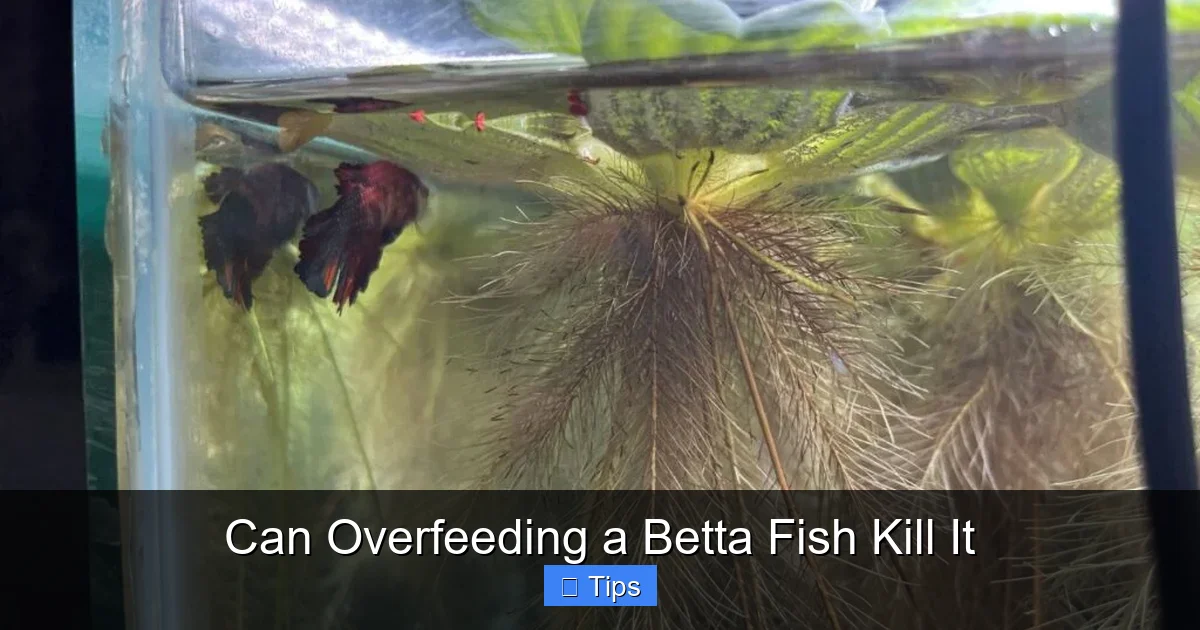
Visual guide about Can Overfeeding a Betta Fish Kill It
Image source: housedpet.com
The Fat Betta
Yes, fish can get fat. An overfed betta will develop a visibly thicker, more rounded body, often with a pronounced “belly” that hangs down. The scales may appear slightly raised (a condition called “dropsy” when severe, though dropsy has other causes). This excess fat deposits internally, surrounding vital organs like the liver and kidneys.
Fatty Liver Disease and Kidney Failure
The liver is responsible for processing nutrients and detoxifying the blood. A constant surplus of protein and fat from overfeeding forces the liver into overdrive, leading to hepatic lipidosis (fatty liver disease). A fatty liver cannot function properly, leading to toxin buildup, poor digestion, and eventual failure. Similarly, the kidneys are stressed by the increased metabolic waste from processing excess food. These are not reversible conditions once advanced. The betta will slowly waste away, becoming lethargic and losing its color, often mistaken for old age when it is, in fact, a dietary disease.
How Much is Too Much? The Golden Rules of Betta Feeding
So, if overfeeding is so dangerous, what is the correct amount? The rules are simple but must be followed strictly.
The “Eyeball” Method: Your New Best Friend
The single most reliable guideline is this: a betta’s stomach is approximately the size of its eye. Therefore, a proper meal should be no larger than the size of its eye. For most high-quality betta pellets, this equates to 2-3 pellets per feeding, once or twice a day. This is not a suggestion; it is a biological imperative. If you are using larger pellets or different foods (like flakes), adjust accordingly to that tiny volume.
Schedule and Fasting
Feed once or twice daily, at consistent times. Consistency aids digestion. Implement a mandatory fasting day once a week. This gives the digestive tract a complete rest, helps clear any minor blockages, and mimics the natural feast-famine cycle of wild bettas. A weekly fast is a powerful preventative health measure. For juvenile bettas (under 6 months), you can feed twice daily but still adhere to the tiny portion size.
Food Quality and Preparation
Use a high-quality betta-specific pellet as the staple (70-80% of diet). These are formulated with the right protein (40%+) and fiber content. Soak dry pellets in tank water for a minute before feeding to prevent them from expanding in the dry betta’s stomach, which can cause immediate bloating. Supplement with occasional treats: a tiny piece of blanched pea (hulled) for fiber to aid digestion, or a small portion of frozen or live brine shrimp/daphnia. These treats should be given no more than 1-2 times a week and in tiny amounts.
The 5-Minute Rule (And Why It’s Flawed)
Common advice says to feed what your betta will eat in 2-5 minutes. This is terrible advice for bettas. It encourages overfeeding and ignores the critical point that any uneaten food must be immediately removed. A better rule is: Add the 2-3 pellets. If your betta does not consume them all within 30 seconds, use a net or turkey baster to remove every single uneaten pellet immediately. Do not let them sit and decompose. This is non-negotiable for water quality.
What To Do If You’ve Overfed Your Betta: An Action Plan
Mistakes happen. If you suspect you’ve overfed your betta, immediate action is crucial.
Step 1: Assess and Remove
Immediately scan the tank for any visible uneaten food. Remove every last bit with a net or siphon. Do not add any more food until the situation is resolved.
Step 2: Fast Immediately
Begin a fast. Do not feed your betta for the next 24-48 hours. This is the single most effective treatment for a constipated or bloated betta. It allows the digestive system to clear itself. For a fish already showing signs of SBD (floating upside down), this fast is the first and most critical step.
Step 3: Perform a Water Change
Within the next few hours, perform a 25-50% water change with properly dechlorinated, temperature-matched water. This dilutes any ammonia or other toxins from the excess waste that is already in the water. If your betta is showing severe distress (gasping, clamped fins), do a 50% change immediately.
Step 4: Monitor Closely
Over the next 24-72 hours, watch your betta carefully. Is the bloating reducing? Is it beginning to swim more normally? Is it alert? If the bloating is severe or SBD symptoms persist beyond 48 hours of fasting, you may need to consider a gentle laxative treatment, like a peeled, blanched pea (offer a tiny piece), or consult a vet experienced with fish. However, in 90% of cases caused by simple overfeeding, fasting and clean water are the cures.
Conclusion: Less is Truly More
Your betta’s health and longevity depend far more on what you *don’t* put into its tank than on any special supplement or toy. Overfeeding is a predator in disguise, attacking from two fronts: internally through digestive catastrophe and organ failure, and externally through the poisoning of its aquatic world. The discipline of measuring minuscule food portions, removing every stray pellet, and adhering to a fasting schedule may feel counterintuitive to our nurturing instincts, but it is the ultimate act of care. It respects the biology of a small, wild predator forced into a glass box. By embracing the principle of “less is more,” you transform your feeding routine from a potential death sentence into the cornerstone of a long, vibrant, and healthy life for your aquatic companion. Remember: a hungry betta is a healthy betta. Your restraint is its salvation.
Frequently Asked Questions
How can I tell if I’m overfeeding my betta fish?
Look for a visibly bloated or swollen abdomen, stringy white feces, lethargy, and a lack of appetite. In the water, any uneaten pellets after 30 seconds means you’ve fed too much. Poor water clarity or a sudden algae bloom can also indicate excess nutrients from overfeeding.
What are the first signs of swim bladder disease from overfeeding?
The earliest sign is often difficulty maintaining depth—the fish may float uncontrollably to the top, sink and struggle to rise, or list to one side while swimming. You might also see a noticeable bulge in the belly area. This is usually caused by constipation pressing on the swim bladder.
Is it okay to skip a day of feeding my betta?
Yes, and it’s highly beneficial. Fasting one day a week is a recommended practice for bettas. It gives their digestive system a rest, helps prevent constipation, and can even resolve minor cases of swim bladder issues. Bettas in the wild don’t eat every single day.
What is the best type of food for a betta fish to avoid overfeeding risks?
A high-quality betta-specific pellet should be the staple, as it’s formulated for their high-protein, carnivorous diet. Soak pellets in tank water for a minute before feeding to prevent stomach expansion. Supplement occasionally with fiber sources like a tiny piece of blanched, skinned pea to aid digestion, and protein treats like frozen brine shrimp.
How quickly can overfeeding kill a betta fish?
It can happen alarmingly fast. If overfeeding leads to a severe ammonia spike from decomposing food, a betta can die within 24-72 hours from poisoning. Internal issues like a complete intestinal blockage can also be fatal in a few days. Chronic overfeeding leads to a slower decline over weeks or months due to organ stress and poor water quality.
Should I use a food dispenser or automatic feeder for my betta?
Generally, no. Automatic feeders are notoriously inaccurate and often dispense too much food, which defeats the purpose. The 2-3 pellet rule requires manual, precise measurement. Hand-feeding allows you to observe your betta’s consumption and immediately remove any excess, which is impossible with an automatic system. It’s safer to control portions yourself.