Can Platy Fish Live with Bettas
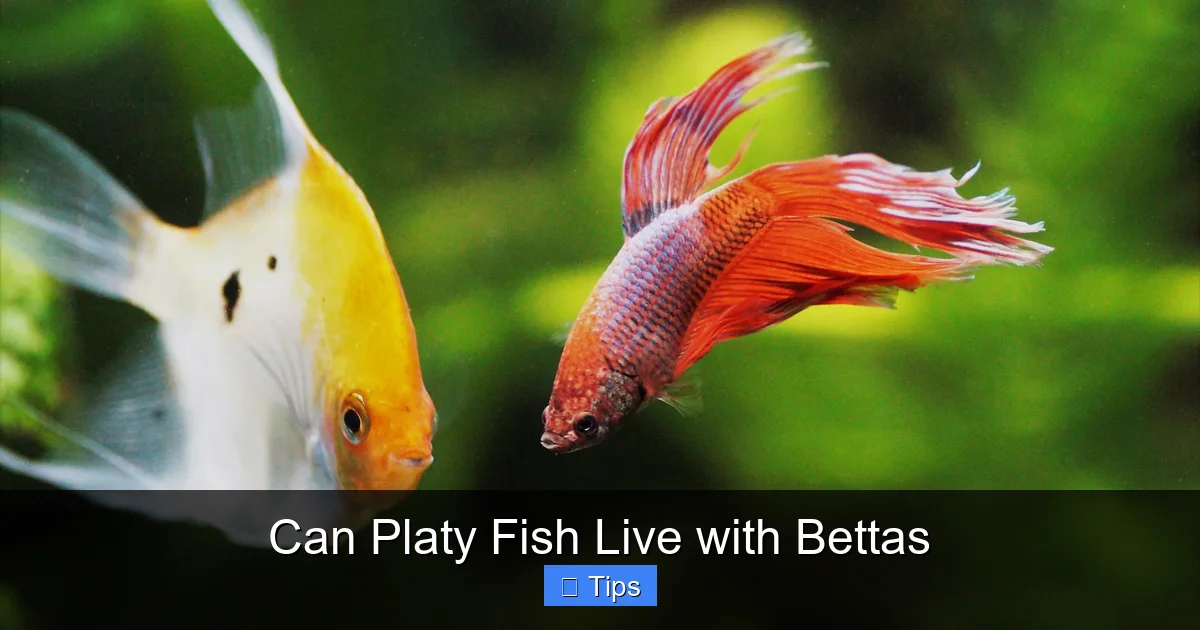
Yes, platy fish can often live with bettas, but success depends entirely on careful planning and the individual betta’s temperament. You must provide a spacious, heavily planted tank (20+ gallons) to dilute aggression and offer platies escape routes. Always introduce platies to a settled betta, not the other way around, and be prepared to separate them immediately if the betta shows persistent chasing or fin-nipping. It’s a manageable pairing for experienced hobbyists, but not a guaranteed beginner combo.
Key Takeaways
- Betta temperament is the #1 factor: A peaceful, older, or female betta has a higher chance of success with platies than a young, aggressive male.
- Tank size is non-negotiable: A minimum of 20 gallons is required to provide enough space and territory to reduce conflict.
- Aquascaping is your best defense: Dense plants, driftwood, and rock caves create visual barriers and safe zones for platies to evade a curious betta.
- Platies are ideal due to their temperament and shape: Their peaceful nature and torpedo-shaped bodies (not long, flowing fins) make them less likely to trigger a betta’s aggression.
- Introduction protocol matters: Always add the platy (or group of platies) to a fully cycled, decorated tank with the betta already inside, using a divider or acclimation box for initial observation.
- Constant monitoring is essential: Watch for signs of stress in platies (hiding, loss of color) or obsession in the betta (constant flaring, chasing) for the first 72 hours.
- Have a backup plan: Always have a separate, cycled tank ready to rehome the platies if compatibility fails; never assume it will work.
📑 Table of Contents
- Can Platy Fish Live with Bettas? The Honest Answer
- Understanding Your Betta: The Solo Performer
- Why Platys Are a Top Contender as Betta Tank Mates
- The Blueprint for Success: Tank Setup & Aquascaping
- The Critical Introduction: A Step-by-Step Guide
- Feeding Time: Preventing Competition
- When It Doesn’t Work: Recognizing Failure & Next Steps
- Conclusion: A Rewarding but Demanding Pairing
Can Platy Fish Live with Bettas? The Honest Answer
So, you’ve got a stunning, flashy betta fish—a true centerpiece for your aquarium. Or maybe you’re planning your dream community tank and have your heart set on the vibrant, active platy. The big question buzzes in your mind: can platy fish live with bettas? It’s one of the most common questions in the freshwater hobby, and for good reason. Both fish are incredibly popular. The betta, with its flowing fins and personality, and the platy, with its constant activity and easy breeding, seem like a perfect match on paper.
But here’s the real talk from the fish-keeping trenches: can platy fish live with bettas? The answer is a qualified, carefully monitored sometimes. It is not a guaranteed, set-it-and-forget-it pairing. Success hinges on understanding the betta’s notorious territorial nature, providing an environment that minimizes conflict, and selecting the right individual fish. This guide will walk you through every single factor, from the biological reasons behind their potential compatibility to the exact tank setup you need and the step-by-step introduction process. We’ll give you the tools to make an informed decision and the know-how to give this pairing the best possible chance.
Understanding Your Betta: The Solo Performer
To figure out if your betta will tolerate a tankmate, you first need to understand the betta itself. The betta splendens, or Siamese fighting fish, has been selectively bred for centuries for its aggression and beauty. This history is crucial. In the wild, bettas are solitary, territorial fish that claim a small patch of water—a leaf pile, a root system—and defend it fiercely from other males. This instinct doesn’t vanish in captivity; it’s a core part of their behavior.
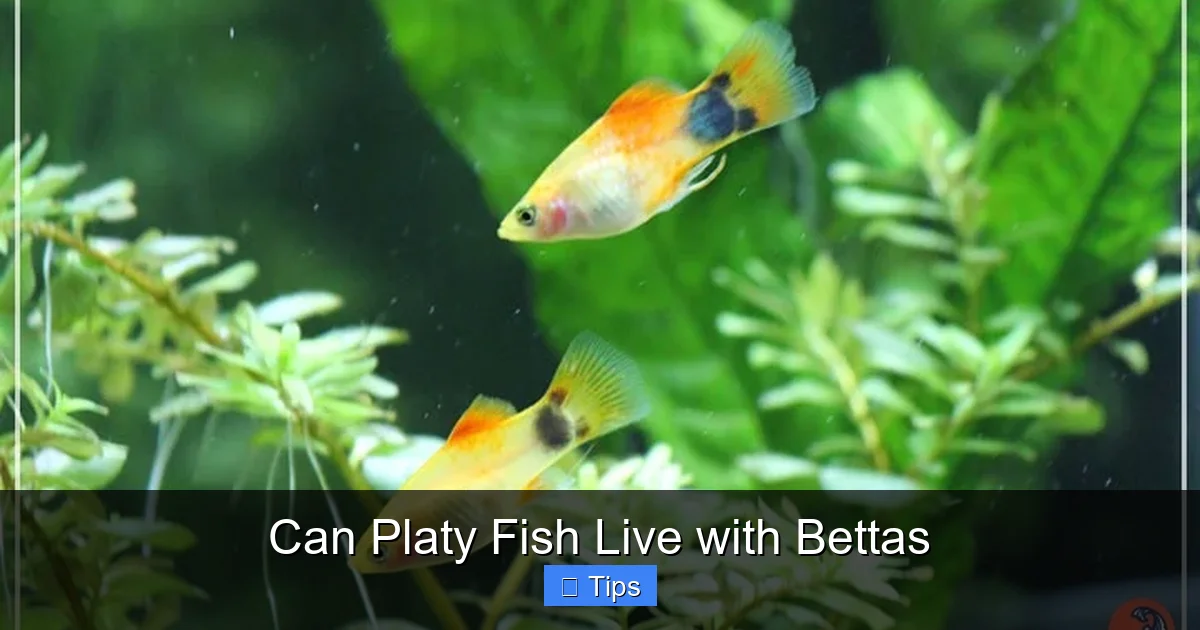
Visual guide about Can Platy Fish Live with Bettas
Image source: aquariumnexus.com
The Aggression Spectrum: Not All Bettas Are the Same
This is the most important concept. Bettas have personalities, just like people. You can broadly categorize them on an aggression spectrum:
- High-Energy/Reactive Bettas: These are the fish that flare at their own reflection, attack the filter intake, and seem constantly on edge. They are the least likely to accept any tankmate, especially one that moves. A young male betta is often in this category.
- Moderate/Curious Bettas: This is the most common type. They may flare initially at a new object or fish but will often lose interest after a few minutes. They might follow a platy out of curiosity but not with malicious intent. This is your target for potential success.
- Laid-Back/Older Bettas: Some bettas, especially as they age (1.5+ years), mellow out significantly. They may completely ignore other fish, focusing instead on plants or resting. These are the best candidates for community life.
Female bettas are generally less aggressive and have smaller fins, making them a slightly safer bet for a community tank. However, individual temperament still rules. You cannot predict a betta’s personality with 100% accuracy, which is why the observation period is sacred.
Why Platys Are a Top Contender as Betta Tank Mates
Now, let’s look at the other side of the equation: the platy (Xiphophorus maculatus and variatus). Platies aren’t just randomly chosen; they possess several key traits that make them one of the best possible choices for a betta companion.
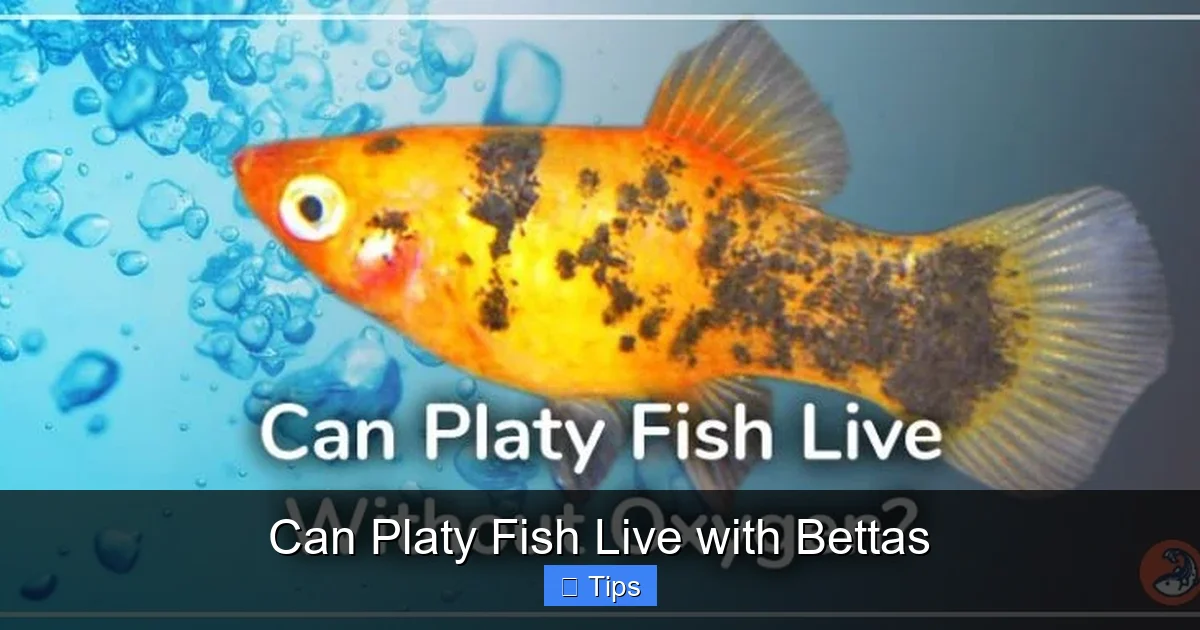
Visual guide about Can Platy Fish Live with Bettas
Image source: aquariumnexus.com
Temperament: Peaceful and Gregarious
Platies are the definition of peaceful community fish. They are active, social, and spend their time mid-water, constantly foraging for food or interacting with their own kind. They do not school tightly but feel safer in groups of 4-6. Their demeanor is not submissive or frantic (which can trigger a betta’s chase instinct), but rather confidently occupied with their own business. They are unlikely to nip fins or harass the betta in return.
Physical Form: The “Wrong” Shape for a Betta
This is a critical, often overlooked point. Bettas are triggered by long, flowing fins and bright, bold colors—traits they themselves possess. A fish with a similar body shape and large fins is seen as a direct rival. Platies, however, have a compact, torpedo-shaped body with a short, fan-shaped tail. They are built for speed, not for showy displays. This “wrong” shape means the betta is less likely to instinctively recognize the platy as a competing male betta. Their colors are also typically more muted or patterned compared to a solid, iridescent betta, reducing visual triggers.
Hardiness and Water Parameter Overlap
Both bettas and platies are incredibly hardy fish that thrive in similar water conditions:
- Temperature: 76°F – 82°F (24°C – 28°C). This warm, tropical range is perfect for both.
- pH: 7.0 – 7.5 (slightly acidic to neutral).
- Hardness: Moderately hard water.
This overlap makes maintaining stable water parameters for a shared tank straightforward. Both are also livebearers (platies) and labyrinth fish (bettas), meaning they can breathe atmospheric air, giving them an edge in lower-oxygen situations, though this isn’t a direct factor in compatibility.
The Blueprint for Success: Tank Setup & Aquascaping
If you are serious about making this work, the tank setup is your single most important tool. A poorly decorated 10-gallon tank with a betta and a platy is a recipe for disaster. A properly decorated 20+ gallon tank gives you a fighting chance. Think of it from the betta’s perspective: a vast, complex territory with no single “king of the hill” spot.
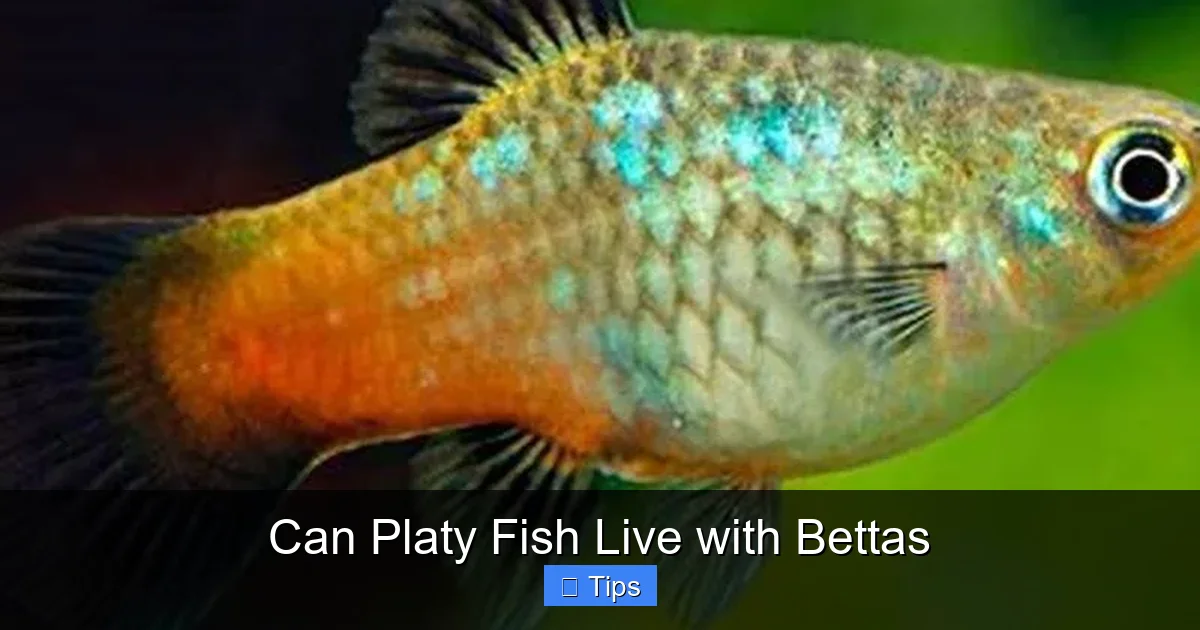
Visual guide about Can Platy Fish Live with Bettas
Image source: diyseattle.com
Tank Size: The Absolute Minimum
Do not attempt this in anything smaller than 20 gallons (75 liters). Here’s why: space dilutes aggression. In a 5-gallon tank, the betta owns 100% of the visible water column. A platy entering its space is an intruder. In a 20-gallon tank, the betta’s perceived territory is much smaller relative to the available space. The platy can easily swim out of the betta’s “bubble” and into a different zone. A 20-gallon long (not tall) is ideal, as it provides more horizontal swimming space for the active platy.
The Art of the Barrier: Plants, Wood, and Rock
Your goal is to break the line of sight. You want the betta and platy to be able to surprise each other, not stare each other down constantly. Create a dense jungle:
- Floating Plants: This is your #1 weapon. Duckweed, Salvinia, or Frogbit create a canopy at the surface, which bettas love to rest under. This breaks the water’s surface tension, provides cover from above (where bettas often patrol), and gives platies a place to forage. Use a floating ring or barrier to keep it from covering the entire surface if needed.
- Stem Plants & Dense Foliage: Plant thickly in the mid-ground and background. Rotala, Ludwigia, Amazon swords, Anubias, Java fern. Let them grow in. You want thickets where a small fish can disappear.
- Hardscape: Driftwood (like Malaysian or mopani) and slate rock stacks are essential. Create caves, overhangs, and tunnels. A platy should be able to dart into a crevice where a betta cannot follow. This provides critical escape routes.
Practical Example: Imagine a 20-gallon long. Place a large piece of driftwood diagonally from the front left to the back right. Anchor a thick cluster of Anubias on it. On the opposite side, build a rock pile with small caves. Fill the middle and background with stem plants. The betta can claim the open front area or the driftwood side; the platy has the rock side and the plant forest. They can choose to interact or avoid each other.
Lighting and Flow
Use moderate lighting. Too bright and your plants won’t thrive, and everything will be exposed. A betta also prefers calm water. Use a gentle filter with a spray bar or sponge to diffuse flow. Strong currents stress both fish, but especially the betta, which has to work harder to swim and may become more irritable.
The Critical Introduction: A Step-by-Step Guide
How you introduce the fish is as important as the tank you’ve built. The cardinal rule: the platy (or group of platies) goes into the established betta’s tank, not the other way around. The betta must already consider the decorated tank its territory. Introducing a betta to a new tank with new fish is a guaranteed fight, as the betta will claim every inch as its own.
Step 1: The Acclimation Box (Highly Recommended)
This is the safest method. Place the platy(s) in a clear, perforated breeder box or a large container with a divider inside the main tank. This allows them to see and smell each other through the barrier with no physical contact. Observe for 24-48 hours.
- Good Signs: The betta flares at the box initially but loses interest within 10-15 minutes. It may watch the platy from a distance but does not persistently follow or attack the box. The platy is active, not cowering in a corner.
- Bad Signs (Release is NOT advised): The betta relentlessly flares, pokes at the divider, and follows the platy’s every move for hours. The platy is frozen in fear or constantly trying to escape. This indicates high predation risk.
Step 2: The Release
If the observation period goes well, it’s time. At dusk (lower light, Bettas are less active), gently net the platies out of the box and release them near a plant cluster or hardscape feature, away from the betta’s current location. Do not drop them in the center. The betta will likely investigate but should not immediately attack.
Step 3: The 72-Hour Watch
For the next three days, you are a surveillance expert. Be ready to intervene.
- Acceptable Behavior: The betta may flare once or twice when a platy darts by its favorite plant. It might follow a platy for a few seconds out of curiosity then give up. The platies will use the whole tank, including areas “owned” by the betta, within a day or two.
- Unacceptable Behavior (Act Immediately): Persistent, high-speed chasing. The betta cornering a platy. Any nipping or biting at the platy’s fins (you’ll see frayed or missing fin edges). The platies spending all their time hiding at the top in a corner or behind the filter, refusing to eat. If you see this, you must remove the platies. Have a cyclated hospital/backup tank ready. It is not a failure; it’s responsible fishkeeping.
Feeding Time: Preventing Competition
In a community tank, food competition can cause stress and even aggression. Bettas are surface feeders; platies are mid-to-bottom feeders. You need to feed for both.
Targeted Feeding Strategies
Use multiple types of food at different levels:
- For the Betta: High-quality betta pellets or frozen foods (daphnia, brine shrimp) directly at the surface. Do this first, as the betta will likely eat quickly. You can even use a pipette to place a few pellets right in front of it to ensure it gets its share.
- For the Platys: High-quality flake or micro-pellet food that sinks slowly. Sprinkle this in the mid-water column. You can also offer blanched zucchini or a few spirulina flakes that will sink to the bottom for them to forage.
Key Tip: Feed small amounts 2-3 times a day, only what they can consume in 2 minutes. Overfeeding clouds the water and increases waste, stressing everyone and making the betta more defensive over its space.
When It Doesn’t Work: Recognizing Failure & Next Steps
Despite your best efforts, some bettas are simply too aggressive for any tankmate. This is not your fault; it’s their genetics and personality. Knowing when to concede is the mark of a good keeper.
The Unmistakable Signs of Incompatibility
Look for these persistent behaviors beyond the initial 72-hour introduction period:
- The betta has established a “patrol route” and actively chases any platy that crosses it.
- One or more platies have torn, ragged fins (fin-nipping).
- Platies are chronically stressed: pale, clamped fins, hiding 24/7, not eating.
- The betta has killed or badly injured a platy.
If you see one or more of these, you must rehome the platies. Keeping them in a state of fear and stress is cruel and will lead to illness and death.
Your Backup Plan is Essential
Before you even buy the platy, you must have a plan B. This means:
- A fully cycled, heated, filtered spare tank (10 gallons minimum for a small group of platies).
- A trusted local fish store or hobbyist network willing to take back or trade the platies if needed.
- The financial and emotional readiness to maintain a second tank if necessary.
Sometimes, a “time-out” can work. If the betta is being obsessive but not injurious, you can try removing the betta in a cup for an hour to let the platies explore and claim some space, then reintroduce the betta. This sometimes resets the territorial dynamic. But it’s a temporary fix, not a cure for a fundamentally incompatible pairing.
Conclusion: A Rewarding but Demanding Pairing
So, can platy fish live with bettas? The thorough answer is: yes, it is one of the most viable species pairings for a betta, but it is never a certainty. It is a project for the observant, prepared aquarist who values the welfare of both animals over the aesthetics of a community tank. You are not just putting two fish in a box; you are managing a complex social ecosystem. The reward is a vibrant, active tank where the betta’s regal poise is complemented by the playful energy of the platies. The risk is the potential for injury or death. By committing to a spacious, heavily planted aquarium, selecting a betta with a moderate temperament, following a careful introduction protocol, and having a fail-safe backup plan, you maximize the odds of success. Always, always prioritize the betta’s known nature over your hopes. If there’s any doubt, the safest and kindest choice is to give your betta the peaceful, solitary life it was often bred for, and celebrate the platy’s antics in a dedicated platy-only tank. That, in itself, is a beautiful and successful aquarium.
Frequently Asked Questions
Will a betta always kill a platy?
No, a betta will not always kill a platy. Many bettas, especially laid-back individuals or females, will coexist peacefully with platies in a properly sized and decorated tank. However, you must always be prepared for the possibility of aggression and have a backup plan.
What is the minimum tank size for a betta and platy?
The absolute minimum is 20 gallons (75 liters). A 20-gallon long is preferred over a tall tank, as it provides more horizontal swimming space for the active platy and helps dilute the betta’s territory.
Can platies breed with a betta in the tank?
Yes, platies are prolific livebearers and will breed in the same tank as a betta. The betta may eat some of the tiny fry, but many will likely survive and grow if there is enough dense plant cover. Be prepared for a population explosion if you have males and females.
Should I get one platy or a group?
Always get a group of at least 4-6 platies. As a schooling fish, they feel safer and are less likely to be singled out by the betta in a group. A single platy will be highly stressed and a more obvious target.
What are the first signs my betta is stressed by the platy?
Signs of a stressed betta include loss of vibrant color, clamped (tightly held) fins, lethargy, loss of appetite, and constantly hiding. If your betta exhibits these for more than a day or two after introduction, the tank dynamics need reassessment.
What if my betta flares at the platy but doesn’t chase it?
Flaring (gills and fins puffed out) is a normal threat display. If it’s a brief flare when the platy darts by and the betta then ignores it, this is often acceptable communication. The problem is persistent, obsessive flaring combined with chasing. Monitor the behavior to see if it escalates or remains a simple warning.