How to Get Rid of Internal Parasites in Betta Fish
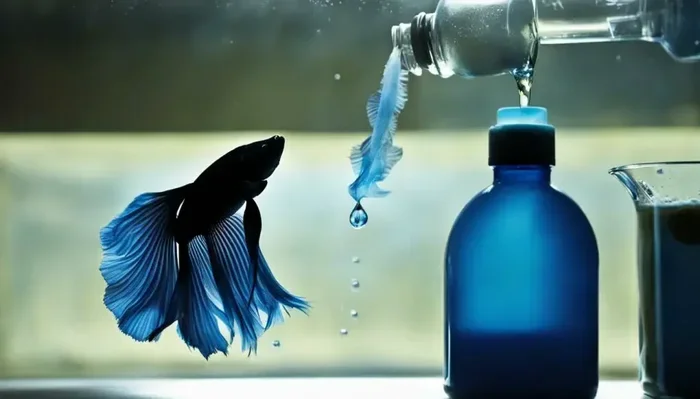
Internal parasites can quickly weaken a betta, but with the right detection and treatment steps, you can restore health fast. This guide walks you through spotting symptoms, choosing safe medications, and creating a parasite‑free environment for your finned friend.
Key Takeaways
- Identify early signs: Loss of appetite, bloating, and irregular swimming often signal internal parasites.
- Quarantine is crucial: Isolate the affected betta to stop the spread to tank mates.
- Medication options: Over‑the‑counter antiparasitics like praziquantel and metronidazole are effective when used correctly.
- Water quality matters: Regular water changes and proper filtration reduce parasite loads.
- Prevent future outbreaks: Feed a varied diet, avoid live foods from unknown sources, and maintain a clean tank.
- Know when to seek help: Persistent symptoms may require a vet or specialist.
- Holistic care: Combining medication with supportive care speeds recovery and boosts immunity.
📑 Table of Contents
- Introduction: Why Internal Parasites Matter
- 1. Spotting the Signs of an Internal Parasite Infection
- 2. Quarantine: The First Line of Defense
- 3. Choosing the Right Medication
- 4. Supporting Recovery with Proper Care
- 5. Preventing Future Parasite Outbreaks
- 6. When Things Go Wrong: Recognizing a Critical Situation
- Conclusion: A Healthy Betta Starts with Vigilance
Introduction: Why Internal Parasites Matter
Betta fish are beautiful, but they’re also vulnerable to tiny invaders that live inside their bodies. Internal parasites—such as Hexamita, Ichthyophthirius (the early stage of ich), and various protozoa—can cause bloating, loss of appetite, and even death if left untreated. The good news? Most infections are treatable with the right approach, and prevention is easier than you think.
In this friendly, step‑by‑step guide we’ll cover everything you need to know about how to get rid of internal parasites in betta fish. From spotting the first warning signs to choosing safe medications and keeping your tank parasite‑free, you’ll feel confident handling the problem like a pro.
1. Spotting the Signs of an Internal Parasite Infection
Common Symptoms to Watch For
- Loss of appetite: Your betta may ignore favorite foods.
- Bloating or a “pot‑belly” appearance: Gas buildup from parasites.
- Irregular swimming: Tilting, erratic bursts, or floating near the surface.
- White or yellowish feces: Often a sign of intestinal irritation.
- Lethargy and hiding: A sick betta will be less active.
How to Confirm an Infection
While a visual exam gives clues, a definitive diagnosis often requires a microscope slide of the fish’s stool or a vet’s gut scrape. If you’re unsure, start with a quarantine tank and observe the symptoms for 48‑72 hours. For many hobbyists, a trial of safe antiparasitic medication is the quickest way to see improvement.

Visual guide about How to Get Rid of Internal Parasites in Betta Fish
Image source: pic4.zhimg.com
2. Quarantine: The First Line of Defense
Setting Up a Quarantine Tank
Before you add any medication, move the affected betta to a separate, bare‑bottom tank (2‑3 gallons works). Fill it with conditioned water at the same temperature as the main tank and include a small hiding spot. This prevents the spread of parasites to other fish and gives you a controlled environment for treatment.
Why Quarantine Works
Parasites often spread through water, shared food, or direct contact. By isolating the sick betta, you cut off these pathways and reduce stress on healthy tank mates. For more on setting up a safe space, see our guide on how to get a betta fish tank ready.
3. Choosing the Right Medication
Over‑the‑Counter Options
Two of the most reliable treatments are:
Visual guide about How to Get Rid of Internal Parasites in Betta Fish
Image source: pic1.zhimg.com
- Praziquantel: Effective against flukes and tapeworms. Follow the label for dosage—usually 1 mg per gram of fish weight, administered once daily for 5 days.
- Metronidazole: Works well for protozoan infections like Hexamita. Typical dosing is 25 mg per 100 ml of water, given for 7‑10 days.
Administering Medication Safely
Always dissolve the medication in a small amount of tank water before adding it to the quarantine tank. Avoid over‑medicating, as this can stress the betta’s delicate liver. Keep a log of dosage times and any changes in behavior.
When to Seek Professional Help
If symptoms persist after a full course, or if the betta shows severe signs such as rapid breathing or extreme weight loss, consult a veterinarian who specializes in fish. They may prescribe stronger drugs or recommend a gut biopsy.
4. Supporting Recovery with Proper Care
Optimizing Water Quality
Clean water is the backbone of recovery. Perform a 25‑30% water change daily during treatment, using a water conditioner that removes chlorine and chloramines. Test for ammonia, nitrite, and nitrate—keep ammonia and nitrite at 0 ppm and nitrates below 20 ppm.
Feeding a Healing Diet
Offer easily digestible foods such as Hikari Betta Bio‑Glo or boiled, peeled peas (mashed). Feed small amounts 2‑3 times a day to prevent over‑loading the gut. For tips on encouraging a picky betta to eat, check out how to get a betta fish to eat.
Temperature and Stress Management
Maintain water temperature between 78‑80°F (25.5‑26.5°C). Slightly raising the temperature (by 2°F) can speed up parasite metabolism, making medication more effective—but never exceed 82°F, as bettas become stressed.
5. Preventing Future Parasite Outbreaks
Best Practices for a Healthy Tank
- Quarantine new arrivals: Keep any new fish or live foods in a separate tank for at least two weeks.
- Limit live foods: While brine shrimp are tasty, they can carry parasites. Use frozen or gut‑loaded options instead.
- Regular maintenance: Perform weekly 20% water changes and clean substrate.
- Use a UV sterilizer: UV can reduce free‑floating parasites in the water column.
Linking to Other Health Guides
Good overall care reduces parasite risk. Our article on how to take care of a betta fish covers feeding, lighting, and tank setup basics that complement parasite prevention.
6. When Things Go Wrong: Recognizing a Critical Situation
Signs That Immediate Action Is Needed
If your betta shows any of the following, act fast:
- Severe bloating with a hard abdomen.
- Rapid, labored breathing.
- Sudden loss of balance or inability to swim.
- Darkening of the skin or black spots.
Emergency Steps
Move the fish to a pristine quarantine tank with warm water (80°F). Administer a full dose of praziquantel and metronidazole together (if no contraindications). Contact a fish‑health veterinarian within the hour for advice on possible additional treatments.
Conclusion: A Healthy Betta Starts with Vigilance
Internal parasites are a common challenge, but they’re far from unbeatable. By learning how to get rid of internal parasites in betta fish—spotting symptoms early, quarantining promptly, using the right medication, and maintaining pristine water—you give your betta the best chance for a swift recovery and a long, vibrant life. Remember, prevention is always easier than cure, so keep up with regular tank maintenance and feed a balanced diet.
With these tools in hand, you’ll feel confident handling any parasite problem that comes your way. Happy fishkeeping!
Frequently Asked Questions
What are the most common internal parasites in betta fish?
Common culprits include Hexamita (a protozoan), flukes, and tapeworms. They often cause bloating, loss of appetite, and erratic swimming.
How long does treatment usually take?
Most medication courses last 5‑10 days. You should see improvement within a few days, but finish the full dose to prevent recurrence.
Can I treat my betta in the main tank?
It’s best to quarantine the fish. Treating in the main tank can stress healthy mates and spread the parasites.
Is it safe to use human antibiotics for my betta?
No. Human antibiotics can be toxic to fish. Always use medications specifically labeled for aquarium use.
Will raising the temperature help clear parasites?
Slightly increasing the temperature (by 2°F) can speed up parasite metabolism, making medication more effective, but never exceed 82°F.
How can I prevent parasites from returning?
Quarantine new fish, avoid live foods from unknown sources, keep up with regular water changes, and maintain good filtration.