How to Find Gender of Betta Fish
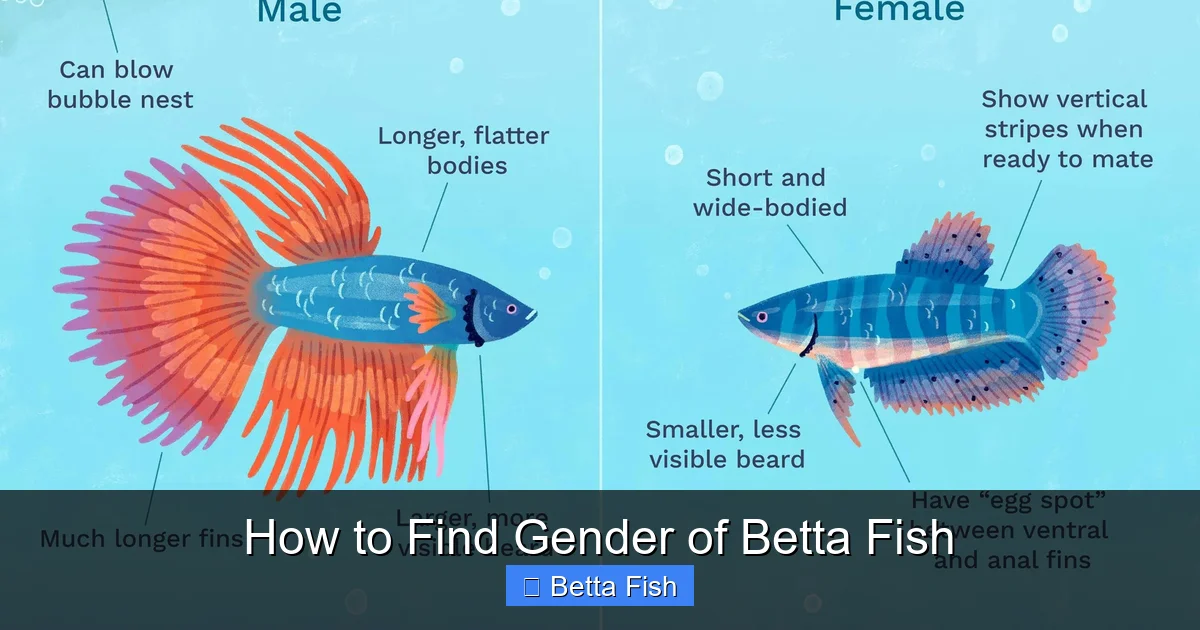
Finding the gender of your Betta fish is easier than you think. By looking at fins, size, and behavior, you can tell male from female within minutes. Follow these clear steps and avoid common mistakes for a thriving aquarium.
Key Takeaways
- Visual cues are primary: Males have longer, flowing fins and brighter colors.
- Size matters: Females are generally shorter and more robust.
- Behavioral clues help: Males display flaring and territorial actions.
- Age is a factor: Young Bettas may not show clear differences until 3‑4 weeks.
- Safe handling: Use a soft net or cup to avoid damaging delicate fins.
- Internal resources: Our step‑by‑step guides give deeper insight into gender identification.
- Correct gender ensures proper care: Males and females have different tank and breeding needs.
📑 Table of Contents
- Introduction: Why Knowing the Gender Matters
- 1. The Basics: What to Look For First
- 2. Behavioral Clues That Reveal Gender
- 3. Age and Development: When Differences Appear
- 4. Safe Handling Techniques for Accurate Identification
- 5. Common Mistakes and How to Avoid Them
- 6. Putting It All Together: A Step‑by‑Step Checklist
- Conclusion: Confidently Identify and Care for Your Betta
Introduction: Why Knowing the Gender Matters
When you first bring a Betta home, the most exciting question is often “Is this a boy or a girl?” Knowing the gender isn’t just a fun fact—it shapes how you set up the tank, choose tank mates, and even plan future breeding projects. A male Betta will flare its spectacular fins, guard its territory, and may become aggressive toward other males. A female, on the other hand, usually displays shorter fins, a more rounded body, and a calmer demeanor. Getting the gender right helps you avoid unnecessary stress for your fish and keeps your aquarium peaceful.
In this article we’ll walk you through every visual and behavioral clue you need to confidently answer the question “how to find gender of Betta fish.” We’ll also share practical tips for handling, age considerations, and common pitfalls. By the end, you’ll feel like a Betta‑expert ready to impress any fellow hobbyist.
1. The Basics: What to Look For First
Fin Length and Shape
The most obvious difference lies in the fins. Males sport long, flowing dorsal, anal, and caudal fins that can look like a flowing veil. Females have shorter, more paddle‑like fins. If you see a Betta with a tail that fans out dramatically, you’re likely looking at a male.

Visual guide about How to Find Gender of Betta Fish
Image source: saitamabussan.co.jp
Body Size and Shape
Male Bettas tend to be slightly slimmer and more elongated, while females appear rounder and a bit deeper-bodied. The difference is subtle in young fish but becomes clearer after a few weeks of growth.
Color Intensity
Male Bettas often display brighter, more vivid colors—think electric blues, fiery reds, and iridescent greens. Females can be colorful too, but the hues are usually softer and less intense. This visual cue is especially helpful when you have a mixed group.
2. Behavioral Clues That Reveal Gender
Flaring and Aggression
When a Betta feels threatened or wants to show off, it will flare its gills and spread its fins. Males are territorial and will flare at their own reflection or at other males. If you notice frequent flaring, especially toward a mirror, you most likely have a male.

Visual guide about How to Find Gender of Betta Fish
Image source: designtocodes.com
Bubble Nest Building
Only male Bettas build bubble nests on the water surface. If you see a neat cluster of bubbles forming a raft, that’s a strong male sign. Females may produce a few bubbles, but they never construct a nest.
Social Interactions
Females are generally less aggressive toward each other and can sometimes be kept in sororities (groups of females) if the tank is spacious and well‑planted. Males, however, should always be housed alone to prevent fighting.
3. Age and Development: When Differences Appear
What to Expect in Fry
Betta fry (baby fish) look almost identical regardless of gender. It usually takes 3–4 weeks for fin differences to emerge. During this period, focus on proper feeding and water quality rather than gender identification.

Visual guide about How to Find Gender of Betta Fish
Image source: i.pinimg.com
Juvenile Stage (4‑6 Weeks)
At around one month, you’ll start seeing the first hints: males develop slightly longer dorsal fins, and females may begin to show a more robust belly shape as they prepare for potential egg production.
Adult Stage (8+ Weeks)
By two months, the gender is usually clear. If you’re still unsure, you can gently compare your fish to high‑quality photos from trusted sources like How To Tell The Gender Of A Betta Fish for visual confirmation.
4. Safe Handling Techniques for Accurate Identification
Use a Soft Net or Cup
When you need a closer look, avoid the classic nylon net that can tear delicate fins. Instead, use a soft, fine‑mesh net or a clear plastic cup. Gently coax the Betta into the cup, then lift the cup out of the water to examine the fins without splashing.
Lighting Matters
Good lighting reveals color and fin detail. A daylight LED or a calm, diffused lamp works best. Avoid harsh, direct sunlight that can stress the fish.
Minimize Stress
Keep handling time under a minute. After identification, return the Betta to its tank promptly. Stress can cause temporary color fading, which might confuse your assessment.
5. Common Mistakes and How to Avoid Them
Relying on One Single Feature
Never decide gender based solely on fin length. Some females, especially “Half‑Moon” varieties, have surprisingly long fins. Cross‑reference multiple traits—fin shape, body size, behavior, and bubble nest activity.
Misreading Juvenile Signs
Attempting to gender fry can lead to errors. Patience is key; wait until the fish is at least four weeks old before making a call.
Ignoring Tank Conditions
Poor water quality can stunt fin growth, making a male look like a female. Maintain proper temperature (78‑80°F), pH (6.5‑7.5), and regular water changes. For water‑change tips, see our guide on How To Change Betta Fish Water.
6. Putting It All Together: A Step‑by‑Step Checklist
Step 1 – Observe From a Distance
- Look for flaring behavior or a bubble nest.
- Note color brightness and fin flow.
Step 2 – Check Size and Shape
- Compare body depth; females are rounder.
- Measure fin length relative to body.
Step 3 – Gentle Close‑Up
- Use a soft net or cup to lift the fish briefly.
- Examine dorsal, anal, and caudal fins for length and fringe.
Step 4 – Confirm With Behavior
- Place a small mirror near the tank; a male will flare repeatedly.
- Look for a bubble nest after a few days of calm water.
Step 5 – Record Your Findings
- Write down the date, observed traits, and any photos.
- Update your tank log to track growth and health.
Following this checklist makes the process systematic and reduces the chance of misidentification.
Conclusion: Confidently Identify and Care for Your Betta
Now you know exactly how to find gender of Betta fish using visual cues, behavior, and safe handling methods. Accurate gender identification sets the foundation for proper tank setup, feeding, and, if you choose, breeding. Remember that patience and a calm environment are your best tools—rush the process, and you might misread the signs.
Enjoy watching your Betta flourish, whether it’s a flamboyant male showing off his fins or a graceful female swimming peacefully. And whenever you’re ready to dive deeper into Betta care, explore our other resources such as How To Tell If Betta Fish Are Male Or Female for more detailed comparisons.
Frequently Asked Questions
How can I tell the gender of a Betta fish without a mirror?
Observe fin length, body shape, and color intensity. Males have longer, flowing fins and brighter colors, while females are shorter and more robust. Look for a bubble nest, which only males build.
Do juvenile Bettas show any gender differences?
Not really. Fry look alike for the first 3‑4 weeks. Fin differences and behavioral cues become clearer after about a month of growth.
Can a female Betta build a bubble nest?
No. Only male Bettas construct bubble nests as part of their breeding ritual. If you see a nest, you have a male.
Is it safe to keep a male and female Betta together?
Generally not. Males are territorial and will fight with females, especially if a bubble nest is present. Keep them separate unless you are intentionally breeding and have a proper breeding tank.
What if my Betta’s fins are short but it flares a lot?
Some female varieties have longer fins, so rely on multiple clues. Frequent flaring and a bubble nest still point to a male, even if the fins seem shorter.
How often should I check the gender as my Betta grows?
Check at key stages: around 4 weeks (first fin differences), 8 weeks (behavioral signs), and again if you notice any changes in color or nesting behavior.