How to Cure My Betta Fish Depression

Betta fish can feel “down” just like us, showing dull colors, sluggish swimming, and loss of appetite. By fixing water quality, enriching the environment, and addressing health issues, you can quickly cure my betta fish depression and restore a happy, active companion.
Key Takeaways
- Water quality is the foundation: Clean, stable water eliminates most stressors that cause depression.
- Enrichment matters: Plants, hiding spots, and toys stimulate natural behavior and lift mood.
- Diet impacts mood: High‑quality protein and occasional treats boost energy and color.
- Health checks are essential: Rule out illnesses like swim‑bladder disease or fin rot that mimic depression.
- Routine and consistency: Regular water changes, feeding times, and lighting create a sense of security.
- Monitor behavior daily: Small changes can signal improvement or a new problem.
- Seek expert help when needed: Persistent symptoms may require a veterinarian or experienced hobbyist.
📑 Table of Contents
- Introduction: Why Your Betta Might Be Feeling Blue
- 1. Check the Basics: Water Quality and Tank Setup
- 2. Identify Underlying Health Issues
- 3. Enrich the Environment
- 4. Optimize Nutrition
- 5. Reduce Stress Triggers
- 6. Monitor Progress and Know When to Seek Help
- Conclusion: Bringing Joy Back to Your Betta
Introduction: Why Your Betta Might Be Feeling Blue
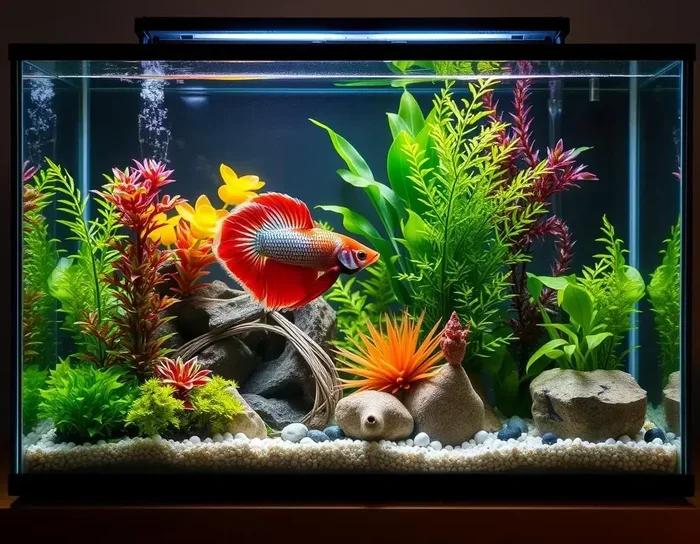
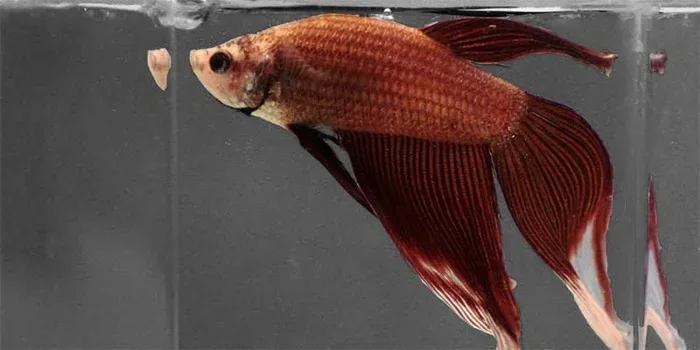
Betta fish are famous for their flamboyant fins and bold personalities. Yet, just like any pet, they can experience periods of low mood—what hobbyists often call “betta depression.” When a betta looks listless, hides constantly, or loses its brilliant coloration, it’s a clear sign something isn’t right.
Fortunately, depression in bettas is usually reversible. By understanding the root causes and applying a few practical steps, you can answer the question “how to cure my betta fish depression?” and watch your finned friend bounce back with energy and vibrancy.
1. Check the Basics: Water Quality and Tank Setup
1.1. The importance of clean water
Dirty or unstable water is the #1 stressor for bettas. Ammonia spikes, high nitrite, or fluctuating pH can make a fish feel sick and depressed. Test your water weekly with a reliable kit and keep ammonia and nitrite at 0 ppm, nitrate below 20 ppm, and pH between 6.5 and 7.5.
Visual guide about How to Cure My Betta Fish Depression
Image source: pic.nximg.cn
1.2. Proper tank size and filtration
Even though bettas can survive in small bowls, a 5‑gallon (or larger) tank with a gentle filter provides a healthier environment. Choose a filter with low flow; bettas dislike strong currents.
1.3. Temperature and lighting
Maintain a steady temperature of 78‑80°F (25‑27°C). Use a reliable heater and a timer for a 10‑hour light cycle. Sudden changes in temperature or light can trigger stress and contribute to depression.
1.4. Routine water changes
Change 25‑30 % of the water every week. If you notice your betta’s colors fading, increase the frequency to 40 % every five days until the tank stabilizes.
2. Identify Underlying Health Issues
2.1. Common illnesses that mimic depression
Before assuming your betta is simply “sad,” rule out medical problems. Swim‑bladder disease, fin rot, and ich can all cause lethargy and loss of appetite. For a quick guide, see our article on how to cure my betta fish swim bladder disease.

Visual guide about How to Cure My Betta Fish Depression
Image source: occ-0-3011-114.1.nflxso.net
2.2. Spotting signs of illness
- White spots or cotton‑like growths (possible ich or fungal infection).
- Frayed or discolored fins (fin rot).
- Swollen abdomen or floating upside‑down (swim bladder).
- Rapid breathing or gasping at the surface (poor water quality).
2.3. When to treat
If you see any of these signs, begin treatment immediately. Follow the specific protocols in the relevant articles, such as how to cure fin rot in betta fish or how to cure dropsy in betta fish. Once the illness is under control, the depressive symptoms usually fade.
3. Enrich the Environment
3.1. Add live or silk plants
Plants give bettas places to explore and hide, reducing boredom. Live plants also improve water quality by absorbing nitrates. If live plants are not an option, silk or high‑quality plastic plants work well.
Visual guide about How to Cure My Betta Fish Depression
Image source: images.squarespace-cdn.com
3.2. Provide hiding spots
Use caves, PVC pipes, or decorative ornaments. A betta that can retreat when it feels insecure will be less stressed.
3.3. Interactive toys and “betta gyms”
Floating mirrors, ping‑pong balls, and specially designed betta toys encourage natural hunting and territorial behavior. Rotate toys every week to keep curiosity alive.
3.4. Gentle water flow
Install a spray bar or adjust the filter to create a gentle current. Too strong a flow can exhaust a betta, while no flow can lead to stagnant water.
4. Optimize Nutrition
4.1. Choose high‑quality betta pellets
Look for pellets with at least 40 % protein and no fillers. Feed 2‑3 pellets once or twice daily, removing any uneaten food after five minutes.
4.2. Supplement with live or frozen foods
Bloodworms, daphnia, and brine shrimp add variety and essential nutrients. Offer these treats 2‑3 times per week to boost color and energy.
4.3. Avoid over‑feeding
Over‑feeding leads to cloudy water and constipation, both of which can cause lethargy. If your betta’s belly looks bloated, fast it for 24‑48 hours and then offer a small portion of peeled peas to ease digestion.
4.4. Vitamins and color enhancers
Occasional vitamin supplements (especially B‑complex) can improve mood and vibrancy. Use only as directed to avoid toxicity.
5. Reduce Stress Triggers
5.1. Limit exposure to other fish
Bettas are territorial. If you keep a community tank, ensure the tank is large enough (20+ gallons) and that tank mates are peaceful and non‑aggressive.
5.2. Manage noise and vibrations
Place the tank away from loud speakers, televisions, or heavy foot traffic. Sudden vibrations can startle a betta and increase cortisol levels.
5.3. Consistent routine
Feed at the same times each day, keep lighting on a set schedule, and perform water changes on a predictable routine. Consistency creates a sense of security.
5.4. Destress techniques
For a quick mood boost, try a short “spa” day: lower the water temperature by 2‑3°F for a few hours and add a few drops of aquarium‑safe stress‑relief additives. Read more about how to destress my betta fish for detailed steps.
6. Monitor Progress and Know When to Seek Help
6.1. Daily observation checklist
- Is the fish swimming actively?
- Are the colors bright and consistent?
- Is the appetite normal?
- Are the fins intact and free of rot?
- Is the water clear and free of foul odor?
6.2. Keeping a log
Write down water parameters, feeding times, and any behavior changes. This log helps spot patterns and provides useful information for a vet if needed.
6.3. When to consult a professional
If depressive signs persist after two weeks of improved care, or if you notice new symptoms (e.g., rapid breathing, visible sores), contact an experienced aquarist or a fish‑health veterinarian. Early intervention can prevent a reversible depression from becoming a chronic health issue.
Conclusion: Bringing Joy Back to Your Betta
Understanding “how to cure my betta fish depression” starts with clean water, a stimulating environment, proper nutrition, and attentive health checks. By addressing each of these areas, you give your betta the best chance to regain its natural sparkle and playful personality. Remember, patience and consistency are key—most bettas bounce back within a week or two when their needs are met.
Take action today: test your water, add a new plant, and treat any underlying illness. Your betta will thank you with brighter colors, lively swims, and that unmistakable, confident flare that makes these fish so beloved.
Frequently Asked Questions
Can a betta fish be depressed without being sick?
Yes. Poor water conditions, lack of enrichment, and a monotonous routine can cause low mood even if the fish is physically healthy.
How often should I change the water to prevent depression?
Replace 25‑30 % of the water weekly. If parameters swing, increase to 40 % every five days until stable.
What are the first signs that my betta is depressed?
Look for faded colors, reduced swimming, hiding all the time, and a decreased appetite.
Is it okay to keep a betta with other fish?
Only in a large, well‑filtered tank (20 gallons or more) with peaceful tank mates; otherwise, the betta may become stressed and depressed.
Can feeding my betta more often help?
Over‑feeding can worsen water quality and cause constipation. Feed small amounts 1‑2 times daily and supplement with occasional treats.
Where can I learn more about keeping my betta happy?
Check out our guide on how to make betta fish happy for additional tips on enrichment and daily care.