How to Clean a Betta Fish Tank Youtube

Cleaning a betta tank can feel daunting, but with the right YouTube guide you’ll have a crystal‑clear aquarium in minutes. This article walks you through every step—pre‑clean prep, water changes, substrate care, and post‑clean checks—so your betta stays healthy and happy.
Key Takeaways
- Plan before you film: Gather tools, set a timer, and script key points for a smooth video.
- Use gentle methods: Betta fish are delicate; avoid harsh currents and abrasive scrubbers.
- Water quality matters: Change 25‑30% of the water each week and use a water conditioner.
- Clean the substrate safely: Vacuum without removing all beneficial bacteria.
- Show the whole process: Include “before” and “after” shots to demonstrate results.
- Optimize video SEO: Use the keyword “how to clean a betta fish tank youtube” in title, description, and tags.
- Engage your audience: Ask viewers to share their own tips in the comments.
📑 Table of Contents
- Introduction: Why a Clean Tank Is the Best Gift for Your Betta
- 1. Preparing Your Workspace and Filming Gear
- 2. The Step‑by‑Step Cleaning Process
- 3. Editing and Optimizing Your YouTube Video
- 4. Common Mistakes and How to Avoid Them
- 5. Keeping the Tank Clean Between Full Cleanings
- Conclusion: Your Betta Deserves a Spotless Home—and So Does Your Channel
- Further Reading
Introduction: Why a Clean Tank Is the Best Gift for Your Betta
Betta fish may look like low‑maintenance pets, but they thrive best in a clean, well‑maintained environment. Cloudy water, leftover food, and algae build‑up can stress your betta, leading to faded colors, fin rot, or even illness. That’s why many hobbyists turn to YouTube for visual step‑by‑step guides. Watching a video shows you exactly how much water to replace, where to place a siphon, and how to handle the fish without causing panic.
In this article we’ll break down the entire process of cleaning a betta fish tank the way popular YouTubers do it. You’ll get a clear script, a list of affordable tools, and tips for making your video both helpful and searchable. By the end, you’ll be ready to film your own “how to clean a betta fish tank YouTube” tutorial and keep your fish happy.
1. Preparing Your Workspace and Filming Gear
Gather the Essentials
Before you even turn on the tap, lay out everything you’ll need. This not only speeds up the cleaning but also makes the video look professional.
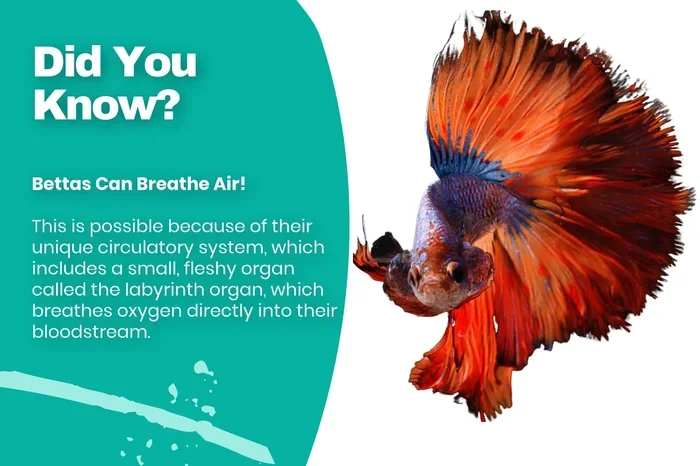
Visual guide about How to Clean a Betta Fish Tank Youtube
Image source: vtwp-media.s3-accelerate.amazonaws.com
- Siphon or gravel vacuum: A 1‑liter capacity works well for most small betta tanks.
- Bucket: Use a clean, food‑grade bucket for water changes.
- Algae scraper: A soft plastic scraper protects acrylic or glass.
- Water conditioner: Removes chlorine and chloramines.
- Thermometer and test kit: Check temperature and pH after the clean.
- Camera or smartphone on a tripod: Stable shots keep viewers focused.
Tip: Place a towel underneath the tank to catch drips and keep the floor tidy—viewers will appreciate the attention to detail.
Set Up Your Filming Area
Good lighting is key. Position a soft‑box or a ring light at a 45‑degree angle to avoid glare on the glass. Make sure the background is neutral; a plain wall or a tidy bookshelf works well. Turn off any noisy appliances; background noise distracts viewers and can lower video ranking.
2. The Step‑by‑Step Cleaning Process
Step 1 – Turn Off Equipment and Relocate the Betta
Start by turning off the heater, filter, and any air stones. Gently coax your betta into a temporary container using a soft net or a clean cup. Keep the water temperature consistent by pre‑warming the container with a few drops of tank water.

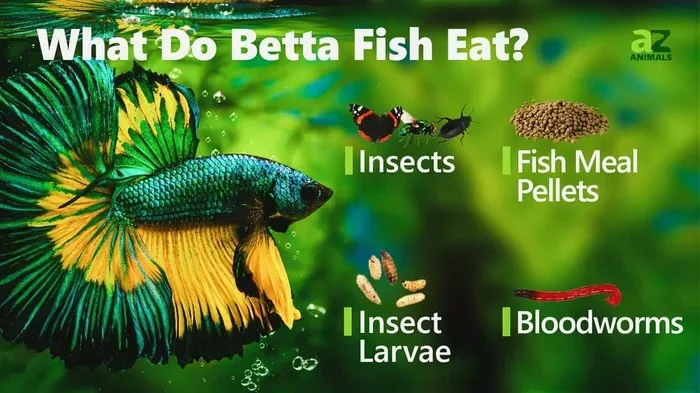
Visual guide about How to Clean a Betta Fish Tank Youtube
Image source: i.ytimg.com
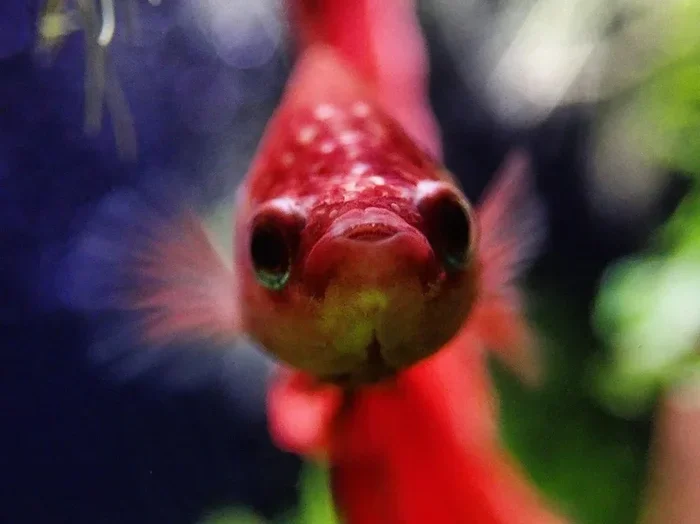
For a quick visual, many YouTubers use a close‑up of the betta’s vibrant fins before moving it. This “before” shot adds drama and shows the fish’s health.
Step 2 – Remove Debris and Clean the Glass
Use the algae scraper to wipe the inside walls. Work from top to bottom, rinsing the scraper frequently in a bucket of tank water. This prevents re‑depositing algae onto clean surfaces.
Step 3 – Vacuum the Substrate
Insert the siphon into the gravel, let the water flow, and gently stir the substrate. Aim to remove about 25% of the water and any visible waste. Be careful not to suck up all the beneficial bacteria; a partial clean keeps the nitrogen cycle stable.
Step 4 – Replace the Water
Fill your bucket with dechlorinated water that matches the tank’s temperature (within 1‑2 °F). Slowly pour the new water back into the tank, letting it flow over a rock or decoration to minimize disturbance.
Step 5 – Re‑install Equipment and Test Conditions
Turn the heater and filter back on. Use a thermometer to confirm the temperature is stable, and run a quick water‑test kit for pH, ammonia, nitrite, and nitrate. If any parameters are off, make minor adjustments before returning the betta.
Step 6 – Return the Betta and Capture the “After” Shot
Gently slide the betta back into the tank. Let it swim around for a few minutes while you capture its reaction. A happy, active betta is the perfect proof that your cleaning method works.
3. Editing and Optimizing Your YouTube Video
Craft a Catchy Title and Description
Include the exact phrase how to clean a betta fish tank youtube in the title and early in the description. Example: “How to Clean a Betta Fish Tank YouTube Tutorial – Easy Steps for a Spotless Home.” Add a brief summary, timestamps, and a call‑to‑action (e.g., “Subscribe for more betta care tips”).
Visual guide about How to Clean a Betta Fish Tank Youtube
Image source: i.pinimg.com
Use On‑Screen Text and Graphics
Overlay short text labels for each step (“Turn off heater,” “Vacuum substrate”). Simple arrows and checkmarks help viewers follow along, especially when the audio is muted.
SEO Best Practices
- Tag the video with variations: “betta tank cleaning,” “betta fish tank maintenance,” “clean betta tank.”
- Include a custom thumbnail that shows a crystal‑clear tank with a bright betta.
- Add closed captions; they improve accessibility and boost ranking.
4. Common Mistakes and How to Avoid Them
Over‑Cleaning the Tank
Removing 100% of the water destroys the beneficial bacteria colony. Stick to a 25‑30% water change each week unless you have a severe algae problem.
Using Harsh Chemicals
Never clean the tank with soap or detergents. Residual chemicals can poison your betta. Stick to plain water and a dedicated aquarium scraper.
Cold Shock
If the replacement water is too cold, the betta can go into shock. Always match the new water temperature to the tank’s existing temperature.
Poor Lighting for Filming
Glaring reflections can hide algae or make the tank look dirty. Use diffused lighting and consider filming from a slight angle rather than straight on.
5. Keeping the Tank Clean Between Full Cleanings
Daily Spot Checks
Remove uneaten food with a small turkey baster. This prevents waste buildup and keeps water quality high.
Weekly Partial Water Changes
Swap out 25% of the water every 7‑10 days. This routine is enough to keep ammonia low without stressing the fish.
Algae Control Tips
- Limit direct sunlight; too much light fuels algae.
- Consider adding a few live plants; they compete with algae for nutrients.
- Use a gentle filter with a fine sponge to catch tiny particles.
Conclusion: Your Betta Deserves a Spotless Home—and So Does Your Channel
Cleaning a betta fish tank doesn’t have to be a chore, especially when you turn it into a helpful YouTube tutorial. By preparing your tools, following a clear step‑by‑step routine, and optimizing your video for search, you’ll keep your fish healthy and grow an engaged audience. Remember to film the “before” and “after” moments, keep the water changes moderate, and always match temperatures. Happy cleaning, and happy filming!
Further Reading
- How To Clean Out A Betta Fish Tank
- How To Clean A Small Betta Fish Tank
- How To Clean A Betta Fish Tank Properly
Frequently Asked Questions
How often should I clean my betta fish tank?
For most small tanks, a 25‑30% water change every week is ideal. Full cleanings can be done once a month unless algae or waste builds up faster.
Can I use a regular kitchen siphon for my betta tank?
Yes, a standard aquarium siphon works fine. Just be gentle and avoid strong suction that could stress the betta.
Do I need a filter if I clean my tank regularly?
A filter helps maintain water quality between changes, but you can keep a tank healthy with diligent weekly water changes and proper cleaning.
What temperature should the replacement water be?
Match the new water to the tank’s temperature within 1‑2 °F (0.5‑1 °C) to prevent cold shock.
Is it safe to use tap water directly?
No. Always treat tap water with a water conditioner to neutralize chlorine and chloramines before adding it to the tank.
How can I make my cleaning video stand out on YouTube?
Use clear “before” and “after” visuals, add on‑screen text for each step, and include a friendly voice‑over. Optimizing the title, description, and tags with the keyword “how to clean a betta fish tank youtube” will also improve visibility.