Why Has My Betta Fish Lost Color
Seeing your betta turn dull can be worrying, but it’s often a sign of something fixable. This guide explains why bettas lose color, how to spot the root cause, and what steps you can take to restore their brilliance. From water quality to nutrition, we cover everything you need to know.
Key Takeaways
- Water quality is the top culprit: Poor parameters can quickly bleach a betta’s colors.
- Stress triggers fading: Overcrowding, aggressive tank mates, and sudden changes all play a part.
- Nutrition matters: A balanced, high‑protein diet fuels vibrant pigments.
- Illness shows up as color loss: Parasites, bacterial infections, and fungal growth often start with dull scales.
- Age and genetics: Some bettas naturally fade as they mature.
- Proper lighting helps: Too little or too much light can affect pigment expression.
- Regular monitoring prevents problems: Simple tests and observations catch issues early.
📑 Table of Contents
- Introduction: When Your Betta’s Rainbow Fades
- 1. Water Quality – The Silent Color Thief
- 2. Stress – The Hidden Dimming Agent
- 3. Nutrition – Feeding the Palette
- 4. Illness and Parasites – When Dullness Signals Disease
- 5. Age, Genetics, and Natural Color Changes
- 6. Lighting – The Brightness Balance
- Putting It All Together – A Simple Checklist
- Conclusion: Restoring the Rainbow
Introduction: When Your Betta’s Rainbow Fades
Imagine you just got a gorgeous, electric‑blue betta, and a week later its fins look more like a faded pastel. It’s a common heart‑sink for many hobbyists. The good news? In most cases the loss of color is a symptom, not a death sentence. By understanding the why, you can act fast and often bring that sparkle back.
In this article we’ll walk through the main reasons your betta fish has lost color, how to diagnose the problem, and practical steps to revive its brilliance. We’ll keep the language simple—think of us chatting over a cup of coffee—so you can apply the tips right away.
1. Water Quality – The Silent Color Thief
Why clean water matters
Betta fish are native to shallow, warm rice paddies where the water is soft and slightly acidic. In a home aquarium, any deviation from those conditions can cause stress, which often shows up first as faded colors.
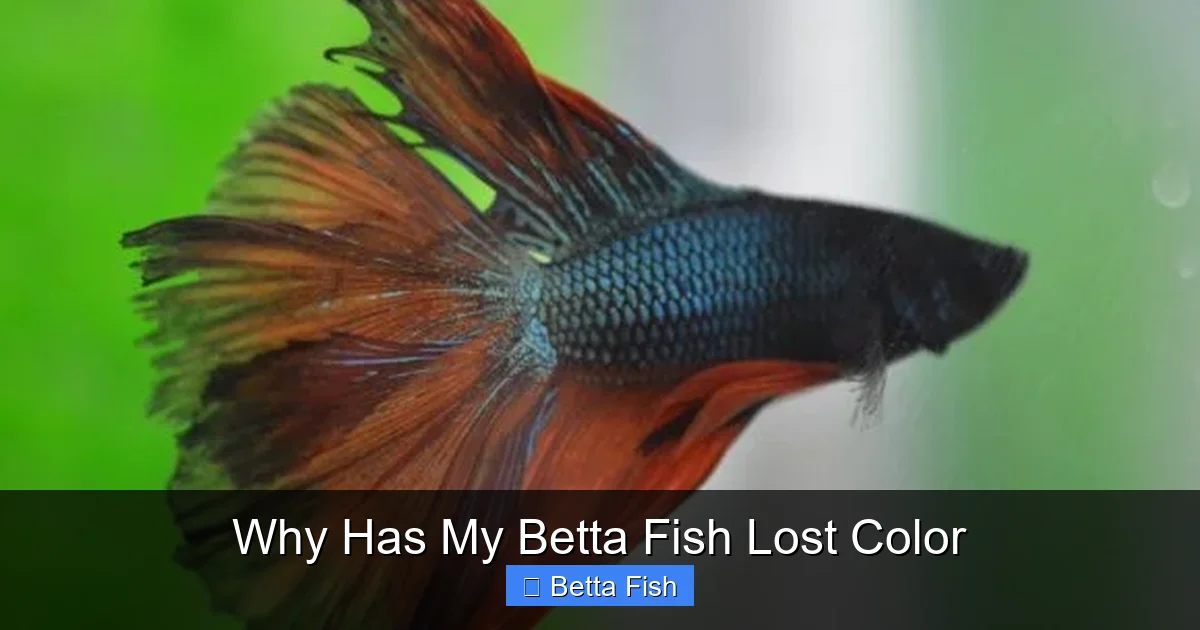
Visual guide about Why Has My Betta Fish Lost Color
Image source: bettasource.com
Key parameters to check
- Ammonia (NH₃): Even 0.25 ppm can irritate gills and dull pigments.
- Nitrite (NO₂⁻): Levels above 0.5 ppm are toxic and can cause a grayish cast.
- Nitrate (NO₃⁻): Keep under 20 ppm; higher levels lead to chronic stress.
- pH: Aim for 6.5–7.5. Sudden swings bleach colors.
- Hardness (GH/KH): Soft water (3–6 dGH) mimics their natural habitat.
How to test and improve
Invest in a reliable liquid test kit and test weekly. If any parameter is out of range, perform a partial water change (25‑30 %) with dechlorinated water that matches the target pH and hardness. Adding a water conditioner that removes chlorine and chloramines is essential.
For ongoing stability, consider a gentle biological filter and a heater that maintains 78‑80 °F (25‑27 °C). Consistency is key; bettas dislike rapid temperature changes.
2. Stress – The Hidden Dimming Agent
Common stressors
- Overcrowding or aggressive tank mates (especially other males).
- Frequent rearranging of décor or moving the tank.
- Bright, flickering lights or direct sunlight.
- Loud vibrations or heavy foot traffic near the tank.
Spotting stress before color fades
Watch for rapid breathing, clamped fins, or hiding at the bottom. These behaviors often precede a loss of hue. Reducing stress can halt the fading process.
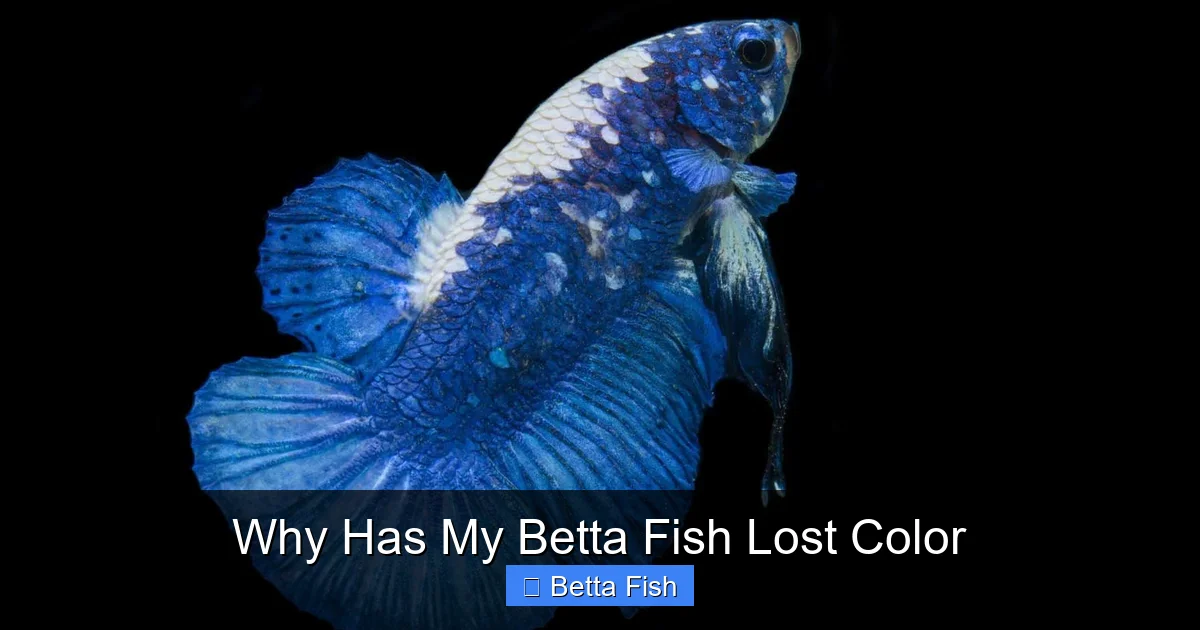
Visual guide about Why Has My Betta Fish Lost Color
Image source: fishlab.com
Stress‑reduction tips
- Keep the tank to a single male betta or a peaceful community with slow‑moving species.
- Provide plenty of vertical space and plants for hiding.
- Use a dimmable LED light on a 10‑hour cycle.
- Place the tank away from windows and high‑traffic areas.
3. Nutrition – Feeding the Palette
What bettas need
Betta pigments, especially reds and blues, come from carotenoids and other pigments in their diet. A bland diet of only flakes can lead to muted colors.
Best foods for vibrant bettas
- High‑protein betta pellets (30 %+ protein).
- Live or frozen foods: bloodworms, daphnia, brine shrimp.
- Occasional color‑enhancing treats (e.g., krill flakes).
Feeding schedule
Feed 2‑3 small meals per day, only what the fish can eat in 2‑3 minutes. Overfeeding pollutes water, which loops back to water‑quality issues.
4. Illness and Parasites – When Dullness Signals Disease
Common ailments that cause fading
- Ich (White Spot Disease): Small white dots may appear; colors become patchy.
- Fin rot: Bacterial infection leading to ragged fins and loss of pigment.
- Velvet disease: Gold‑brown dusting and overall pallor.
- Swim‑bladder issues: Fish may float oddly and look washed out.
Quick diagnostic steps
Inspect the fish closely under a lamp. Look for spots, frayed fins, or mucus. If you notice any of these signs, isolate the betta in a hospital tank and begin treatment with a suitable medication (e.g., copper‑based for ich, antibiotic for bacterial infections).
When to seek help
If the fish’s color continues to fade despite water changes, improved diet, and stress reduction, consult a veterinarian or an experienced aquarist. Early intervention often saves both color and life.
5. Age, Genetics, and Natural Color Changes
Why some bettas just fade
Betta fish, like many animals, can lose vibrancy as they age. Older fish may develop a more muted palette, especially if they are hybrids with less robust pigment genes.
What’s normal?
A young adult (6‑12 months) should retain bright colors. After 18‑24 months, a slight fading is normal, but a sudden, dramatic loss is not.
Choosing the right betta
If you’re buying a new fish, look for a healthy, active specimen with even coloration. Avoid fish that already show signs of pallor or faded fins.
6. Lighting – The Brightness Balance
Too much or too little?
Intense, unfiltered light can stress bettas and cause pigment breakdown, while insufficient light can make colors appear dull.
Optimal lighting setup
- Use a low‑intensity LED fixture (around 0.5‑1 W for a 2‑gal tank).
- Provide a 10‑12 hour photoperiod with a gradual sunrise/sunset effect.
- Avoid direct sunlight; it creates temperature spikes and algae growth.
Putting It All Together – A Simple Checklist
- Test water weekly; keep ammonia < 0.25 ppm, nitrite = 0, nitrate < 20 ppm.
- Maintain temperature at 78‑80 °F and a stable pH.
- Feed high‑quality protein foods and limit treats.
- Observe behavior daily for signs of stress or disease.
- Provide a calm environment with proper lighting and hiding spots.
- Act quickly if you see spots, frayed fins, or rapid color loss.
Conclusion: Restoring the Rainbow
Seeing your betta lose its dazzling hue can feel like a personal failure, but most cases are solvable with a systematic approach. By checking water quality, reducing stress, feeding a balanced diet, and staying vigilant for illness, you give your fish the best chance to regain its brilliance.
Remember, a healthy betta is a happy betta, and a happy betta shows off its colors proudly. Keep these tips handy, and you’ll enjoy a vibrant, thriving companion for years to come.
Frequently Asked Questions
Why is my betta fish turning white?
White patches often indicate a bacterial or fungal infection, poor water quality, or a natural color change due to age. Check water parameters and look for other signs of illness.
Can stress cause my betta to lose color?
Yes. Stress from aggressive tank mates, sudden temperature changes, or loud vibrations can make a betta’s colors fade quickly.
How often should I change the water to prevent color loss?
Perform a 25‑30 % water change weekly, or more often if you notice ammonia spikes or cloudy water.
What foods help keep my betta’s colors bright?
High‑protein betta pellets, live or frozen bloodworms, daphnia, and occasional krill flakes provide the pigments needed for vivid coloration.
Is a faded betta always sick?
Not always. Age and genetics can cause natural fading, but sudden or severe loss of color usually signals stress or disease.
How long does it take for a betta’s color to return after fixing the problem?
Once water quality, diet, and stress are corrected, you may see improvement within a few days to a week. Full recovery can take a few weeks depending on the severity.