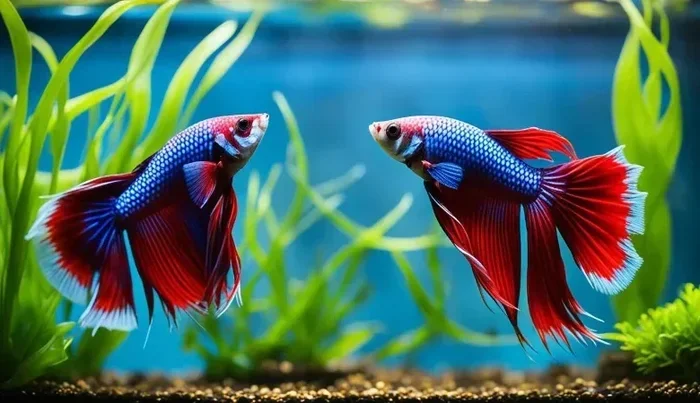
Will Betta Fish Jump Out of Their Bowl

Betta fish are curious jumpers, especially when their environment isn’t right. Understanding the reasons behind the leaps—and fixing the tank setup—will keep your betta safe and happy.
Key Takeaways
- Jumping is natural: Betta fish may leap to escape stress, poor water, or explore.
- Tank size matters: Too‑small bowls increase the chance of a jump.
- Water quality is critical: High ammonia or low temperature can trigger jumping.
- Cover it up: A lid or mesh prevents accidental escapes.
- Enrichment helps: Plants, hiding spots, and proper feeding reduce stress.
- Watch for signs: Rapid surface swimming or frantic fin movements often precede a jump.
- Quick rescue: Knowing how to safely get a betta out of a tank saves both fish and keeper.
📑 Table of Contents
Introduction: The Little Acrobat in Your Bowl
Betta fish, also called Siamese fighting fish, are famous for their bright colors and dramatic fins. But many owners are surprised when they discover that these little beauties sometimes try to launch themselves out of their homes. If you’ve ever wondered will betta fish jump out of their bowl, you’re not alone. The answer is a clear “yes,” but the story behind the jump is full of clues about your fish’s health and happiness.
In this guide we’ll break down why bettas jump, what tank conditions make it more likely, and practical steps you can take to stop the daring escapes. By the end you’ll feel confident that your betta will stay safely in the water where it belongs.
Why Do Betta Fish Jump?
Jumping is a natural behavior for many fish species. In the wild, bettas live in shallow rice paddies, slow‑moving streams, and flood‑plain pools where they must navigate obstacles and avoid predators. The instinct to leap helps them get out of trouble quickly.
Stress and Poor Water Conditions
One of the biggest triggers is stress caused by water that isn’t right. High ammonia, nitrite spikes, low temperature, or a sudden change in pH can make a betta frantic. When the water feels uncomfortable, the fish may try to escape by jumping.
Territorial Instincts
Betta males are fiercely territorial. If they sense a rival (real or reflected), they may launch themselves upward in an attempt to confront the “intruder.” Mirrors, bright lights, or even a busy household can set off this response.
Boredom and Lack of Enrichment
In a bare bowl with no plants or hiding places, a betta can become bored. The fish will explore the vertical space, sometimes ending with a leap over the rim. Adding live or silk plants, caves, and floating toys gives them something to investigate without risking a jump.
Feeding Frenzy
When a betta spots food on the surface, it often darts upward. If the bowl is shallow and the water level is low, a quick upward thrust can send the fish out of the water. Feeding from a spoon or using sinking pellets can reduce this risk.
Identifying the Warning Signs
Before a betta makes a full‑scale escape, it usually shows subtle clues. Learning to read these signals lets you act before a jump happens.
Surface Skimming
Frequent trips to the water’s surface, especially with rapid fin beats, often mean the fish is irritated or searching for oxygen.
Erratic Swimming
Sudden darting, upside‑down flips, or frantic circling are classic stress indicators.
Color Fading
A stressed betta may lose its vibrant hue, turning dull or pale. This visual cue often precedes a jump attempt.
Excessive Flare
While flaring is normal during courtship or aggression, continuous flaring without a clear trigger can signal anxiety.
How to Prevent Your Betta From Jumping Out
Prevention is easier than rescue. Below are proven steps to make your bowl a safe sanctuary.
Choose the Right Container
Even though many people keep bettas in small bowls, a 5‑gallon tank with a lid is far safer. The extra water volume stabilizes temperature and dilutes toxins, while the cover stops jumps.
Read more about proper tank size in our guide How Big Of A Tank For Betta Fish.
Maintain Perfect Water Quality
- Test weekly for ammonia, nitrite, and nitrate.
- Perform 25‑30% water changes every 2‑3 days for bowls, or weekly for larger tanks.
- Use a gentle water conditioner to remove chlorine and chloramines.
Clean water reduces stress and the urge to flee.
Regulate Temperature
Betta fish thrive at 78‑80°F (25‑27°C). A heater with an adjustable thermostat keeps the water steady. Sudden drops can make the fish frantic and increase jumping risk.
Provide a Secure Cover
A mesh lid, aquarium hood, or even a piece of clear acrylic that fits snugly will keep a betta from leaping out. If you use a glass lid, ensure there’s a small opening for airflow.
Enrich the Environment
Plants (live or silk), caves, and floating leaves give your betta places to explore. A well‑decorated tank satisfies its curiosity and reduces the impulse to jump.
Need ideas? Check out How To Decorate A Betta Fish Bowl for simple, betta‑friendly décor.
Feed Wisely
Offer small portions 2‑3 times a day. Use a feeding dish or drop food near the surface gently. Avoid over‑feeding, which can foul the water and increase stress.
Avoid Reflections and Sudden Movements
Place the tank away from bright windows or mirrors. If you need a reflective surface, cover it with a dark cloth. Keep sudden loud noises or vibrations to a minimum.
What To Do If Your Betta Does Jump
Even with precautions, accidents happen. Knowing how to act quickly can save your fish.
Stay Calm and Act Fast
Gently scoop the fish with a soft net or a clean cup. Avoid grabbing its fins, as they can tear easily.
Check for Injuries
Look for torn fins, bruises, or gill damage. If you notice any injury, place the fish in a quarantine tank with clean, conditioned water and monitor closely.
Assess Water Conditions
Test the water immediately. A jump often signals a problem that needs fixing. Perform a partial water change and correct any parameter issues.
Re‑evaluate the Setup
Ask yourself if the bowl is too small, if the lid is missing, or if the temperature is fluctuating. Make necessary adjustments before returning the fish.
Learn From Others
Read stories from other hobbyists about why bettas jump. The article Why Did My Betta Fish Jump Out Of The Tank offers real‑world examples and solutions.
Common Myths About Betta Jumping
There’s a lot of folklore surrounding bettas and jumping. Let’s set the record straight.
Myth: Betta Fish Only Jump When They’re Sick
While illness can cause jumping, a healthy, curious betta will also leap if the environment is stimulating enough. Proper care reduces but does not eliminate the behavior.
Myth: Small Bowls Prevent Jumping
Contrary to belief, tiny bowls often lead to more jumps because the water heats quickly, becomes polluted faster, and offers no vertical space for the fish to explore safely.
Myth: Adding a Heater Stops Jumps
Heaters keep temperature stable but don’t address stressors like poor water quality, lack of enrichment, or aggressive reflections.
Bottom Line: A Happy Betta Stays In‑Tank
Will betta fish jump out of their bowl? Yes, they can, especially when the tank conditions are less than ideal. By providing a properly sized, covered tank with clean, warm water and plenty of enrichment, you create a secure home that satisfies your betta’s natural instincts.
Remember to monitor your fish daily, test water regularly, and adjust the environment as needed. With these simple steps, you’ll keep your finned friend safe, vibrant, and happily swimming—no jumps required.
Frequently Asked Questions
Can betta fish jump out of a small bowl?
Yes. Small bowls often have low water levels and no cover, making it easy for a betta to leap over the rim when stressed or excited.
Do betta fish jump out of the tank often?
They don’t jump constantly, but a stressed or bored betta may attempt a jump when conditions are unfavorable. Regular maintenance reduces the frequency.
For more details, see Do Betta Fish Jump Out Of The Tank.
What should I do if my betta lands outside the water?
Immediately place the fish back in clean, conditioned water, check for injuries, and correct any tank issues that may have caused the jump.
Is a lid necessary for a betta tank?
A lid or mesh cover is highly recommended. It prevents accidental escapes and also reduces evaporation, keeping temperature stable.
How can I tell if my betta is stressed?
Watch for rapid surface swimming, faded colors, constant flaring, and erratic movements. These are early signs that your betta may try to jump.
Will adding plants stop my betta from jumping?
Plants provide hiding spots and visual barriers, which can calm a betta and reduce the urge to explore the tank’s top edge.
Frequently Asked Questions
What is will betta fish jump out of their bowl?
will betta fish jump out of their bowl is an important topic with many practical applications.