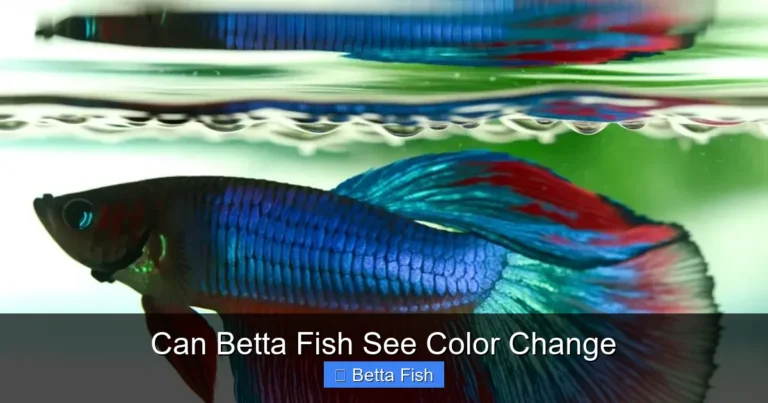
Can Betta Fish Be Community Fish

Betta fish can live in a community tank—but only under the right conditions. By choosing peaceful tank mates, providing plenty of space, and managing water parameters, you can create a harmonious home for your betta and its companions.
Key Takeaways
- Temperament matters: Male bettas are territorial, while females are generally more social.
- Tank size is crucial: A minimum of 20 gallons gives enough room for a betta and suitable companions.
- Choose peaceful mates: Small, non‑aggressive fish, shrimp, or snails are the safest options.
- Hideouts prevent stress: Plants, caves, and décor give every fish a place to retreat.
- Monitor water quality: Keep temperature, pH, and ammonia in the ideal range for bettas.
- Introduce slowly: Acclimate new tank mates gradually to avoid territorial clashes.
- Know the limits: Not all community setups work; some bettas will always prefer solitude.
📑 Table of Contents
Introduction: The Betta’s Reputation
Betta fish, often called Siamese fighting fish, have a reputation for aggression. In the wild they defend small rice‑paddy territories, and male bettas will flare their fins at the slightest provocation. This fierce image leads many hobbyists to keep bettas alone in tiny bowls. But the story isn’t that simple.
In recent years, experienced aquarists have discovered that, with the right tank size, décor, and tank mates, a betta can thrive in a community setting. The key is understanding the betta’s natural behavior and matching it with compatible species. In this guide we’ll answer the big question—Can Betta Fish Be Community Fish?—and give you a step‑by‑step plan to set up a peaceful, vibrant aquarium.
1. Understanding Betta Behavior
Male vs. Female Temperaments
Male bettas are the classic “fighters.” They guard a vertical slice of the tank and will attack anything that looks like a rival, especially other males with bright colors or flowing fins. Female bettas, often sold as “half‑moon” varieties, are less territorial and can sometimes be kept in small groups called sororities.
Natural Habitat Clues
In their native Southeast Asian streams, bettas live among dense vegetation, slow‑moving water, and plenty of hiding spots. Replicating this environment in the aquarium reduces stress and lowers the chance of aggression.
2. Tank Requirements for a Community Setup
Size Matters
For a single male betta, a minimum of 5 gallons is recommended, but when you add other fish you should aim for at least 20 gallons. This extra space dilutes territories and gives each creature its own zone.
Water Parameters
- Temperature: 76‑82 °F (24‑28 °C)
- pH: 6.5‑7.5
- Hardness: 3‑4 dGH
Stable parameters keep the betta’s immune system strong and reduce aggression.
Filtration and Flow
Betas prefer calm water. Use a gentle sponge filter or adjust the flow rate of a power filter with a pre‑filter sponge. Too much current can stress the betta and make it more prone to fighting.
3. Choosing the Right Tank Mates
Peaceful Fish Species
Small, fast‑moving fish that stay near the bottom or middle of the tank are ideal. Some popular choices include:
- Neon tetras (but keep them in a school of 6+)
- Harlequin rasboras
- Corydoras catfish
- Endler’s livebearers
These species are active enough to avoid the betta’s line of sight and generally ignore each other’s presence.
Invertebrate Companions
Snails and shrimp can add interesting movement without provoking the betta. For example, Amano shrimp or Nerite snails are sturdy enough to survive occasional curious nudges.
Read more about compatible invertebrates in our article Can Shrimp Be With Betta Fish.
What to Avoid
- Other male bettas – they will fight.
- Fin‑nipping species such as guppies or endlers with long, flowing tails.
- Very large or aggressive fish like cichlids or goldfish.
For a full list of safe fish, see Which Fish Can Be Kept With Betta.
4. Setting Up the Aquarium
Live Plants and Decorations
Plants like Java fern, Anubias, and floating moss create natural barriers. They break the line of sight, which reduces territorial displays. Add driftwood, caves, and PVC pipes to give every resident a hiding spot.
Introducing the Betta First
Place the betta in its own section of the tank (use a clear divider if needed) for the first 24‑48 hours. This lets it claim a territory without immediate competition.
Acclimating New Fish
Use the drip method to match water parameters slowly. Release the new fish near a plant or décor piece far from the betta’s current spot. Observe behavior for the first hour; any immediate chasing means you may need a larger tank or different mates.
5. Ongoing Care and Monitoring
Watch for Signs of Stress
Darkened colors, frayed fins, or constant hiding indicate the betta is uncomfortable. If aggression escalates, be ready to re‑home either the betta or the offending tank mate.
Regular Maintenance
- Weekly 20‑30% water changes.
- Check temperature and pH daily.
- Trim overgrown plants to keep water flow clear.
When to Separate
If the betta repeatedly attacks a specific fish, it’s safer to move that fish to a separate tank. Some bettas simply cannot coexist, and that’s okay.
Conclusion: A Balanced Community Is Possible
So, can betta fish be community fish? Yes—provided you respect their natural instincts, give them enough space, and choose compatible companions. By following the guidelines above, you’ll create a vibrant, peaceful aquarium where a betta can show off its stunning colors without feeling the need to fight.
Remember, each betta is an individual. Some will thrive in a community, while others will prefer solitude. Observe, adjust, and enjoy the process of learning what works best for your particular fish.
Frequently Asked Questions
Can a male betta live with other male bettas?
No. Male bettas are highly territorial and will fight relentlessly if placed together, even in large tanks.
Are female bettas safe to keep together?
Female bettas can sometimes be kept in a sorority, but you need a larger tank (20‑30 gallons) and plenty of hiding spots to reduce aggression.
What size tank is ideal for a community betta setup?
At least 20 gallons is recommended when adding other fish or invertebrates. Larger is always better for stability.
Can bettas share a tank with shrimp?
Yes, many bettas tolerate peaceful shrimp like Amano or Ghost shrimp. Keep an eye on initial interactions.
Do bettas need a heater in a community tank?
Betas are tropical and thrive at 76‑82 °F. A reliable aquarium heater is essential for both the betta and its tank mates.
What should I do if my betta starts attacking other fish?
First, check water parameters and tank size. If conditions are good, consider rearranging décor to break sight lines or move the aggressor to a separate tank.