How Much Light Wattage Is Best for Betta Fish

Finding the right light wattage for betta fish is essential for their health, color, and overall well-being. Most betta fish tanks thrive with low to moderate lighting between 3 to 5 watts per gallon. Too much light can stress your fish and promote algae growth, while too little can dull their vibrant colors. This guide covers everything you need to know about choosing the perfect light wattage for betta fish in a simple, practical way.
Keeping your betta fish happy starts with getting the basics right. One of the most overlooked basics is light wattage for betta fish. Many new fish owners grab any light they find and plug it in. But the wrong brightness can cause stress, algae, and even health problems for your fish.
Understanding how much light your betta needs is not complicated. It comes down to a few simple factors. These include your tank size, whether you have live plants, and the type of light you use. Once you know these basics, you can set up a tank that looks great and keeps your betta thriving.
In this article, we will walk through everything you need to know. You will learn the ideal wattage, the best light types, and common mistakes to avoid. By the end, you will feel confident picking the right light for your betta fish tank.
Key Takeaways
- Ideal wattage: 3 to 5 watts per gallon is the sweet spot for most betta fish tanks.
- LED lights are best: They are energy-efficient, produce low heat, and offer adjustable brightness.
- Light duration matters: Keep lights on for 8 to 10 hours per day to mimic natural conditions. Too much light causes problems: Excess light leads to algae blooms and betta fish stress.
- Color temperature counts: Choose lights in the 5000K to 7000K range for a natural look.
- Check your tank size: The right wattage depends on your tank dimensions and whether you have live plants.
- Use a timer: A simple light timer helps maintain a consistent day-night cycle for your betta.
📑 Table of Contents
- Why Light Wattage Matters for Betta Fish
- What Is the Ideal Light Wattage for Betta Fish?
- Best Types of Lights for Betta Fish Tanks
- How Long Should You Keep the Light On?
- Common Mistakes With Betta Fish Lighting
- How to Set Up the Perfect Light for Your Betta Tank
- Expert Insights on Betta Fish Lighting
- Conclusion
Why Light Wattage Matters for Betta Fish
Betta fish come from shallow, warm waters in Southeast Asia. In their natural habitat, they experience filtered sunlight and shaded areas. They are not used to bright, direct light all day long. This is why light wattage for betta fish needs to be carefully controlled.
The right lighting does more than just let you see your fish. It affects their mood, their colors, and their sleep cycle. Betta fish need a regular day-night pattern to feel safe and relaxed. Too much light can make them anxious and hide constantly. Too little light can fade their brilliant fins and colors.
Light also plays a big role in your tank’s ecosystem. It affects how plants grow and how algae spreads. If you have live plants, you need enough light for them to photosynthesize. But too much light feeds algae fast. Finding the right balance is the key to a healthy tank.
How Betta Fish Respond to Light
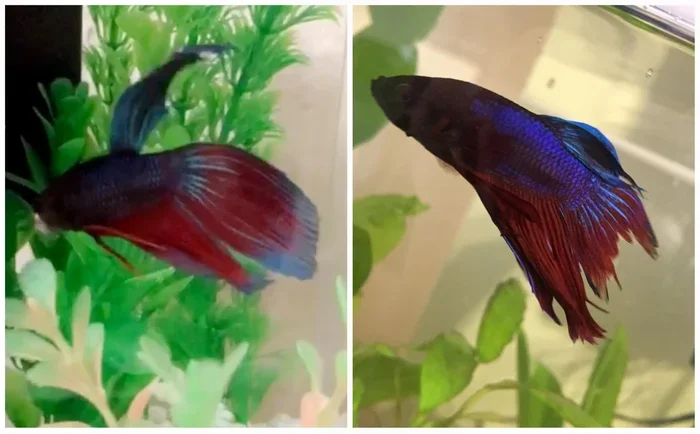
Betta fish are sensitive creatures. They respond to light changes in clear ways. When the light is too bright, they may dart to hiding spots or stay still at the bottom. When the light is just right, they swim freely and show off their colors.
Here is how your betta might react to wrong lighting:
- Too bright: Your betta hides, refuses to eat, or looks pale.
- Too dim: Colors fade, and plants (if any) struggle to grow.
- Just right: Your betta is active, colorful, and curious.
Watching your fish tells you a lot. If you notice changes in behavior, check your light wattage for betta fish first. Sometimes a simple adjustment makes all the difference.
What Is the Ideal Light Wattage for Betta Fish?
The general rule for light wattage for betta fish is 3 to 5 watts per gallon of water. This range works well for most standard betta tanks. It provides enough brightness to see your fish and support basic plant life without causing stress.
But this is not a one-size-fits-all answer. The ideal wattage depends on several factors. Let us break them down so you can find the perfect setting for your setup.
Wattage Based on Tank Size
Your tank size is the first thing to consider. Smaller tanks need less light. Larger tanks need more, but not always in direct proportion. Here is a simple guide:
- 1 to 3 gallon tank: 3 to 5 watts total. These small tanks heat up fast, so low light helps control temperature.
- 5 gallon tank: 5 to 10 watts total. This is the most popular betta tank size and works great with standard LED lights.
- 10 gallon tank: 10 to 15 watts total. A slightly larger tank gives you more flexibility with light placement.
- 20 gallon tank or larger: 15 to 25 watts total. You may need a stronger light if you have live plants.
These numbers assume you are using LED lights. Other light types produce more heat and may need lower wattage. We will cover light types in a later section.
Wattage With and Without Live Plants
Do you have live plants in your betta tank? This changes the wattage you need. Plants need light to grow, but betta fish do not need intense light. If you keep low-light plants like Java moss or Anubias, you can stick with 3 to 5 watts per gallon.
If you want brighter plants like Amazon sword or Dwarf hairgrass, you may need 5 to 7 watts per gallon. But be careful. Higher wattage means more heat and more algae risk. For most betta setups, low-light plants paired with moderate wattage work best.
Best Types of Lights for Betta Fish Tanks
Not all aquarium lights are the same. The type of light you choose affects brightness, heat, and energy use. Let us look at the most popular options for betta fish tanks.
LED Lights
LED lights are the top choice for betta tanks. They use very little energy and produce almost no heat. You can find LED lights with adjustable brightness, which makes it easy to control light wattage for betta fish. Many LED strips also come with built-in timers and color options.
When shopping for LEDs, look for lights in the 5000K to 7000K color temperature range. This mimics natural sunlight and brings out your betta’s colors beautifully. Avoid lights above 10,000K because they tend to be too blue and harsh.
Compact Fluorescent Lights (CFL)
CFL lights are another option. They cost less than LEDs and are easy to find. However, they produce more heat. In a small betta tank, this extra heat can raise the water temperature. If you use CFLs, keep the wattage on the lower end, around 3 watts per gallon.
Also, check your tank temperature regularly if you use CFL lights. Betta fish prefer water between 76 and 82 degrees Fahrenheit. Extra heat from lights can push the temperature too high.
Incandescent Lights
We do not recommend incandescent lights for betta tanks. They produce a lot of heat and use a lot of energy. The heat can quickly raise the water temperature in small tanks. This can stress your betta and even harm them. Stick with LED or CFL lights for a safer, more efficient setup.
How Long Should You Keep the Light On?
Wattage is only part of the equation. How long you keep the light on matters just as much. Betta fish need a consistent day-night cycle. This helps them rest, eat, and show their best colors.
The recommended light duration is 8 to 10 hours per day. This gives your betta enough light to be active and visible. It also gives them 12 to 16 hours of darkness to rest peacefully.
Here are some tips to manage your light schedule:
- Use a timer: Plug your light into a simple outlet timer. Set it to turn on at 8 AM and off at 6 PM. This creates a reliable routine.
- Avoid sudden changes: Do not turn lights on and off randomly. Sudden light changes stress betta fish.
- Dim the light if needed: If your light is too bright, use a dimmer or move the light further away from the tank.
- Turn off room lights too: Bright room lights combined with tank lights can be overwhelming. Keep the room dim during evening hours.
Consistency is the key word here. Betta fish thrive on routine. Once you set a schedule, stick with it. Your fish will be calmer and healthier because of it.
Common Mistakes With Betta Fish Lighting
Many fish owners make lighting mistakes without realizing it. These errors can harm your betta and your tank. Here are the most common ones and how to avoid them.
Using Too Much Wattage
This is the biggest mistake. Some owners think brighter is better. But high wattage causes several problems. It raises water temperature, encourages algae growth, and stresses your betta fish. Always follow the 3 to 5 watts per gallon guideline for light wattage for betta fish.
Skipping the Timer
Leaving the light on 24/7 is a common error. It disrupts your betta’s sleep cycle. The fish cannot rest, which weakens their immune system. Constant light also feeds algae nonstop. A cheap timer solves this problem completely.
Ignoring Room Lighting
Your tank light does not work in isolation. If your room has bright overhead lights all day, your tank gets double the light. This can be too much for your betta. Try to keep the room dim or use curtains to control natural light.
Placing the Tank in Direct Sunlight
Never place your betta tank near a window with direct sunlight. The sun adds uncontrolled light and heat. It also causes massive algae blooms. Keep your tank in a spot with indirect light or use your artificial light as the main source.
Forgetting to Replace Old Lights
LED lights last a long time, but they do degrade. Over months, the spectrum shifts and brightness drops. Old lights may not support plant growth or show your betta’s true colors. Replace your lights every 1 to 2 years for the best results.
How to Set Up the Perfect Light for Your Betta Tank
Setting up the right light is easier than you think. Follow these steps to get it right from day one.
- Measure your tank volume. Know exactly how many gallons your tank holds. This determines your target wattage.
- Choose an LED light. Pick an LED strip or fixture with adjustable brightness and a timer function.
- Calculate your wattage. Multiply your tank gallons by 3 to 5 watts. For example, a 5-gallon tank needs 15 to 25 watts total.
- Set up a timer. Program the light to stay on for 8 to 10 hours daily.
- Observe your fish. Watch how your betta reacts in the first few days. Adjust brightness if they seem stressed or hide often.
Also, make sure your overall tank setup supports good health. Proper tank setup includes not just lighting but also filtration, heating, and water quality. All these elements work together to keep your betta happy.
If you are unsure about your tank’s water parameters, check your pH levels and temperature regularly. A well-maintained tank makes lighting decisions much easier.
Expert Insights on Betta Fish Lighting
Experienced betta keepers agree on a few key points. First, less is more when it comes to light wattage for betta fish. Most bettas do their best in soft, gentle light. Second, consistency beats intensity. A steady, moderate light schedule is better than a bright, inconsistent one.
Third, always consider your whole tank environment. The light works with your filter, heater, and plants. If you are unsure about your tank’s overall setup, review a complete betta care guide to make sure nothing is overlooked.
Finally, trust your observations. You know your fish best. If something looks off, adjust the light and see how your betta responds. Small changes often lead to big improvements.
Conclusion
Light wattage for betta fish does not need to be complicated. Stick with 3 to 5 watts per gallon, use LED lights, and keep your tank lit for 8 to 10 hours a day. Avoid common mistakes like too much brightness, no timer, and direct sunlight. Your betta fish will reward you with vibrant colors, active behavior, and a long, healthy life.
Take the time to set up your lighting right. It is one of the simplest and most impactful things you can do for your betta. Start with the basics, watch how your fish responds, and adjust from there. A well-lit tank makes for a happy betta and a beautiful aquarium to enjoy every day.
Frequently Asked Questions
What happens if the light is too bright for my betta fish?
If the light is too bright, your betta fish may hide constantly, lose their appetite, or become stressed. They might also look pale or dull. Reduce the light wattage for betta fish gradually and see if their behavior improves within a few days.
Can I use a regular household light for my betta fish tank?
It is not recommended. Household lights are not designed for aquarium use and may produce too much heat or the wrong light spectrum. Use a dedicated aquarium LED light that allows you to control light wattage for betta fish properly.
Do betta fish need light at night?
No. Betta fish need darkness to rest. Keeping the light on at night disrupts their sleep cycle and causes stress. Use a timer to turn the light off after 8 to 10 hours and keep the room dim during nighttime hours.
How do I know if my betta fish is getting the right amount of light?
A well-lit betta fish is active, shows bright colors, and swims freely during the day. If your betta hides all the time or looks faded, the light may be too strong or too weak. Adjust the light wattage for betta fish and observe changes over a week.
Can too much light cause algae in a betta tank?
Yes, absolutely. Excess light, especially when combined with extra nutrients in the water, feeds algae growth fast. Keep your light duration to 8 to 10 hours and avoid placing the tank in direct sunlight to prevent algae blooms.
What color light is best for betta fish?
Lights in the 5000K to 7000K color temperature range work best. This range mimics natural sunlight and brings out the beautiful colors of betta fish. Avoid lights above 10,000K as they produce a harsh blue tone that can stress your fish.
=== INTERNAL LINKS USED ===
Internal links used (4):