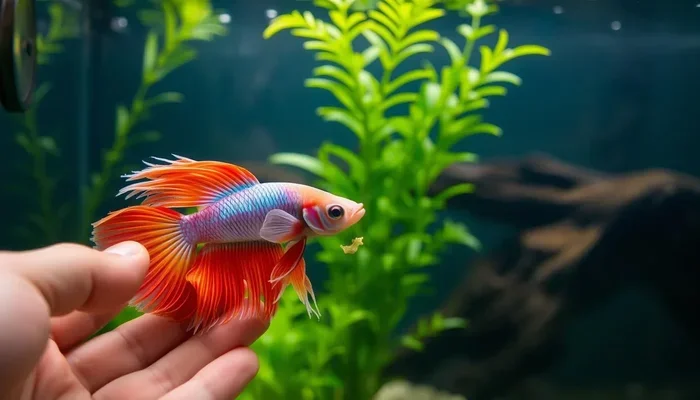
Why Is My Betta Fish Swimming Vertically

Seeing your betta swim straight up or down can be alarming, but it often points to simple water or health issues. Learn the common causes, quick diagnostic steps, and practical solutions to help your betta regain normal swimming behavior.
Key Takeaways
- Water quality matters: Poor parameters are the top reason for vertical swimming.
- Fin and spine problems: Injuries or deformities can force a betta to swim upright.
- Internal health issues: Swim bladder disease, constipation, and infections are common culprits.
- Stress triggers: Over‑crowding, temperature swings, and aggressive tank mates can cause odd swimming.
- Quick fixes: Simple water changes, diet tweaks, and gentle medication often resolve the problem.
- When to seek help: Persistent vertical swimming may signal serious disease needing a vet.
- Preventive habits: Regular testing, proper feeding, and a clean tank keep your betta swimming happily.
📑 Table of Contents
- Introduction: The Ups and Downs of Betta Behavior
- 1. Water Quality – The Hidden Trigger
- 2. Swim Bladder Disorder – The Most Common Cause
- 3. Fin and Spine Issues – When Structure Affects Movement
- 4. Stress and Environmental Factors
- 5. When to Seek Professional Help
- 6. Prevention – Keeping Your Betta Swimming Right
- Conclusion
- Related Articles
Introduction: The Ups and Downs of Betta Behavior
Imagine you’re watching your bright‑colored betta glide gracefully across the water when, all of a sudden, it starts swimming straight up like a tiny submarine. It can feel like a red‑alert sign, especially for new owners who haven’t seen this behavior before. The good news? In most cases, vertical swimming is a symptom, not a death sentence. By understanding what’s going on inside the tank and inside your fish, you can act quickly and often fix the problem yourself.
In this article we’ll break down the most common reasons a betta swims vertically, show you how to diagnose the issue step by step, and give you practical, low‑stress solutions. We’ll also share when it’s time to call a professional. Think of it as a friendly chat over a cup of tea—simple language, clear steps, and plenty of helpful tips.
1. Water Quality – The Hidden Trigger
Betta fish are surprisingly sensitive to their environment. Even a small shift in water chemistry can make them feel dizzy, causing them to swim vertically.
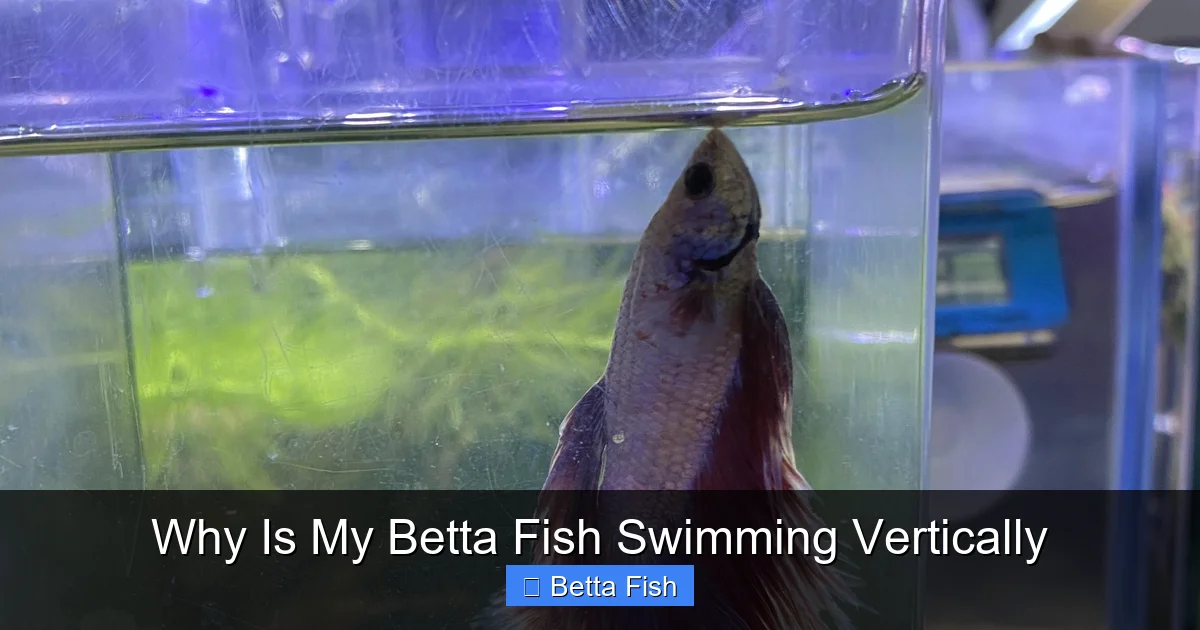
Visual guide about Why Is My Betta Fish Swimming Vertically
Image source: i.redd.it
1.1. Ammonia, Nitrite, and Nitrate
High ammonia or nitrite levels are toxic and can damage the swim bladder. Test your water weekly with a liquid test kit. If ammonia reads above 0 ppm or nitrite above 0.5 ppm, perform a 25‑30 % water change immediately.
1.2. pH and Hardness
Betta’s natural habitat is slightly acidic to neutral (pH 6.5‑7.5). A pH that swings rapidly can stress the fish’s internal organs. Use a pH buffer if needed, and aim for stable hardness (50‑150 ppm GH).
1.3. Temperature Fluctuations
Betta thrive at 78‑80 °F (25‑27 °C). A drop below 75 °F can slow metabolism, making the swim bladder sluggish. A reliable heater and a thermometer are must‑haves.
Practical Tip
Change 20‑30 % of the water every 2‑3 days until parameters are stable. Add a water conditioner that detoxifies chlorine and chloramine.
2. Swim Bladder Disorder – The Most Common Cause
The swim bladder is a gas‑filled organ that lets a fish control its buoyancy. When it malfunctions, the fish may float up, sink down, or tilt vertically.

Visual guide about Why Is My Betta Fish Swimming Vertically
Image source: sp-ao.shortpixel.ai
2.1. Over‑feeding and Constipation
Betta love treats, but too much protein or dry food can cause constipation, pushing against the bladder. Try fasting the fish for 24‑48 hours, then feed a peeled pea (cooked, unsalted) to help clear the gut.
2.2. Bacterial Infection
Infections can inflame the bladder. Look for signs like cloudy eyes, red streaks, or a fuzzy coat. A short course of broad‑spectrum antibiotics (e.g., Maracyn) can help, but always follow dosage instructions.
2.3. Physical Trauma
Sharp decorations or aggressive tank mates can bruise the bladder. Keep ornaments smooth and give your betta a spacious tank (at least 2‑5 gallons).
Practical Tip
After a fast, feed a small amount of high‑quality frozen or live food (brine shrimp) once a day for a week. This improves digestion and reduces gas buildup.
3. Fin and Spine Issues – When Structure Affects Movement
Physical deformities can force a betta to adopt a vertical posture to stay balanced.

Visual guide about Why Is My Betta Fish Swimming Vertically
Image source: woodlandtrust.org.uk
3.1. Fin Rot and Damage
Fin rot, caused by bacterial or fungal infection, weakens the fins, making it hard to steer. Treat with antifungal medication and keep water clean.
3.2. Spinal Deformities
Genetic curvature of the spine (scoliosis) or injuries from sudden temperature changes can affect swimming. If the spine looks curved, the fish may need a specialist’s care.
3.3. Internal Parasites
Parasites can cause inflammation in the abdomen, pushing the fish to swim upright. Look for white spots or a “wavy” belly. A single dose of antiparasitic medication (e.g., Praziquantel) is often effective.
Practical Tip
Inspect the fins daily. Trim any ragged edges with clean scissors to prevent further tearing and reduce infection risk.
4. Stress and Environmental Factors
Even if water is perfect, stress can make a betta act oddly.
4.1. Over‑crowding and Aggression
Betta are territorial. A tank shared with aggressive tank mates (especially other bettas) can cause the fish to become nervous and swim vertically as a “escape” response. Consider a solo setup or a much larger, heavily planted tank.
4.2. Light and Noise
Bright, flickering lights or loud vibrations (e.g., nearby speakers) can disorient a betta. Use a gentle LED light on a 12‑hour cycle and place the tank away from heavy foot traffic.
4.3. Poor Oxygenation
Stagnant water leads to low dissolved oxygen, making the fish gasp and swim upright. A gentle air stone or a small filter with a surface agitator improves oxygen levels.
Practical Tip
Provide plenty of live plants or silk “plants” for hiding spots. A calm environment reduces stress‑induced swimming problems.
5. When to Seek Professional Help
Most vertical swimming cases improve with the steps above, but some require expert attention.
5.1. Persistent Symptoms
If your betta continues to swim vertically after a week of water changes, diet adjustment, and medication, it may have an underlying organ failure.
5.2. Severe Physical Signs
Look for bloated abdomen, ulcerated spots, or rapid weight loss. These can indicate internal organ disease that needs a veterinarian familiar with fish.
5.3. Rapid Deterioration
Sudden loss of color, frayed fins, or lethargy combined with vertical swimming is a red flag. Contact a vet promptly.
Practical Tip
Keep a log of water parameters, feeding schedule, and observed behaviors. This information helps a vet diagnose quickly.
6. Prevention – Keeping Your Betta Swimming Right
Prevention is easier than cure. Here are daily and weekly habits that keep your betta healthy.
6.1. Routine Water Testing
Test ammonia, nitrite, nitrate, pH, and temperature at least once a week. Use a reliable test kit and keep a record.
6.2. Balanced Feeding
Feed 2‑3 small portions per day, no more than the size of the fish’s eye. Rotate between high‑quality pellets, frozen brine shrimp, and occasional live foods.
6.3. Clean Tank Maintenance
Perform a 25 % water change every week, vacuum the substrate, and clean the filter media monthly.
6.4. Enrichment and Space
Provide a tank with at least 5 gallons of water, live plants, and hiding spots. Avoid mirrors or constant tapping on the glass.
6.5. Monitoring Health
Regularly watch for signs of disease: white patches, torn fins, loss of color, or abnormal swimming. Early detection makes treatment simpler.
Conclusion
Seeing your betta swim vertically can feel scary, but it’s often a sign that something in its environment or health needs attention. By checking water quality, adjusting feeding, and looking for physical injuries, you can usually correct the problem within a few days. Remember to keep a clean, stable tank, feed a balanced diet, and watch for stress triggers. If the behavior persists, don’t hesitate to seek professional help—your betta’s quick recovery may depend on it.
Now you have a clear roadmap: test, treat, and prevent. With a little care, your finned friend will be back to its graceful, side‑to‑side swimming in no time.
Related Articles
- Why Is My Betta Fish Swimming Sideways
- Why Is My Betta Fish Turning White
- Why Is My Betta Fish Hiding
Frequently Asked Questions
Why is my betta fish swimming straight up?
Vertical swimming is usually caused by swim bladder problems, poor water quality, or stress. Check ammonia, nitrite, and temperature first.
Can over‑feeding cause vertical swimming?
Yes. Too much food can lead to constipation, which presses against the swim bladder. A short fast and a peeled pea can help reset digestion.
Is a bubble nest related to vertical swimming?
Not directly. However, a stressed or ill betta may stop building a bubble nest, which can be another sign of underlying health issues.
How long should I wait before treating my betta for swim bladder disease?
Start treatment immediately after confirming water parameters are safe. Most simple cases improve within 3‑5 days of fasting and a pea diet.
When should I consider taking my betta to a vet?
If vertical swimming persists for more than a week despite water changes and diet adjustments, or if you notice bloating, ulcers, or rapid color loss, seek veterinary care.
Can a tank mate cause my betta to swim vertically?
Yes. Aggressive tank mates can stress a betta, leading to abnormal swimming. Betta are best kept alone or in a well‑planted, spacious tank with compatible species.