Should Betta Fish Be at the Bottom of Bowl
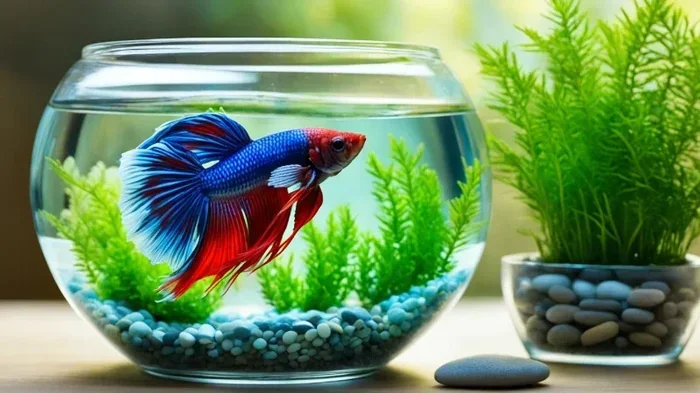
Should betta fish be at the bottom of the bowl? The short answer is sometimes yes, but often no. A betta resting briefly on the substrate is normal, but staying there constantly can signal stress, illness, or poor water conditions. This guide covers betta fish behavior at the bottom, what causes it, and how you can fix it fast.
You walk over to your betta fish bowl and notice something odd. Your fish is just sitting there. Not swimming. Not eating. Just hovering near the bottom or lying flat on the substrate. Your mind starts racing. What did you do wrong? Is your betta sick? Is this normal?
If you have ever asked yourself, “should betta fish be at the bottom of bowl,” you are not alone. This is one of the most common concerns among betta owners. And the answer is not as simple as yes or no. Sometimes a betta at the bottom of the tank is perfectly fine. Other times, it is a cry for help.
In this guide, we will break down exactly why your betta might be at the bottom, what is normal and what is not, and what you can do to fix it. Whether you are a new betta parent or have had fish for years, this article will give you the clarity and confidence you need.
Key Takeaways
- Brief resting on the bottom is normal: Bettas sleep and rest on the substrate sometimes, especially at night.
- Constant bottom-dwelling is a red flag: If your betta stays at the bottom all the time, something is wrong with their environment or health.
- Poor water quality is a top cause: High ammonia or nitrite levels can force your betta to the fish tank bottom.
- Water temperature matters a lot: Cold water slows a betta’s metabolism and makes them lethargic.
- Swim bladder disease and other illnesses: These conditions can cause your betta to sink and stay at the bottom.
- Small bowls make things worse: Limited space and filtration can stress your betta and cause bottom-dwelling behavior.
- Quick action saves lives: Catching the signs early and making changes can restore your betta’s health quickly.
📑 Table of Contents
- Why Do Bettas Go to the Bottom of the Bowl?
- Is It Normal for a Betta to Stay at the Bottom?
- Poor Water Quality: The Silent Killer
- Water Temperature and Its Effect on Betta Activity
- Common Illnesses That Cause Bottom-Dwelling
- How to Fix a Betta That Stays at the Bottom
- How a Small Bowl Affects Your Betta’s Behavior
- Understanding Your Betta’s Natural Habitat
- When to Call a Vet or Seek Expert Help
- Conclusion
Why Do Bettas Go to the Bottom of the Bowl?
Before you panic, it helps to understand that betta fish behavior at the bottom of the tank can mean many different things. Some reasons are completely harmless. Others need your attention right away. Let us look at the most common causes.
Normal Resting and Sleeping
Bettas are not always on the move. In fact, they sleep a lot. Your betta might rest on the bottom of the bowl, on a plant leaf, or even on a piece of decoration. This is totally normal. Bettas need rest just like you do. They tend to be less active at night and during naps throughout the day.
If your betta wakes up when you tap the glass or when you drop food in, that is a good sign. A betta fish sleeping on the bottom is usually nothing to worry about. Just make sure they are breathing normally and their colors look bright when they are awake.
Swim Bladder Issues
The swim bladder is a small organ that helps your betta control buoyancy. When this organ is not working right, your fish might sink to the bottom or struggle to stay upright. Swim bladder disease is common in bettas and can be caused by overfeeding, constipation, or sudden temperature changes.
If your betta is lying on its side or struggling to float, the swim bladder might be the culprit. The good news is that this condition is often treatable with simple adjustments to feeding and water conditions.
Stress and Environmental Factors
Bettas are sensitive creatures. Changes in their environment can cause serious stress. A betta that is stressed might hide at the bottom of the tank and refuse to move. Common stressors include:
- Loud noises or vibrations near the bowl
- Bright lights shining directly on the tank
- Strong filter currents pushing the fish around
- Tank mates that bully or chase the betta
- A bowl that is too small or bare
If you recently changed anything in your betta’s setup, that could explain why your fish is at the bottom. Bettas need a stable, calm environment to thrive.
Is It Normal for a Betta to Stay at the Bottom?
Here is where things get tricky. A betta resting on the bottom for a few minutes is fine. But a betta that stays at the bottom all the time is a different story. Let us look at the difference between normal and problematic behavior.
When Bottom-Dwelling Is Normal
Your betta might hang out at the bottom of the tank when:
- They are sleeping or napping
- They just finished eating and are digesting food
- The water temperature is slightly cool and they are conserving energy
- They are exploring the substrate or grazing on algae
In these cases, your betta should still respond to your presence and food. Their fins should be open and flowing, not clamped tightly against their body.
When Bottom-Dwelling Is a Warning Sign
You should be concerned if your betta:
- Stays at the bottom for hours without moving
- Refuses to come up for food
- Has faded or dull colors
- Has clamped fins pressed close to the body
- Is breathing rapidly or gasping at the surface
- Shows white spots, redness, or unusual growths
These signs often point to illness, poor water quality, or an unsuitable living space. If you notice any of these symptoms, it is time to take action.
Poor Water Quality: The Silent Killer
The number one reason bettas end up at the bottom of the tank is bad water. Bettas are tropical fish that need clean, warm water to stay healthy. Even a small bowl can build up dangerous toxins quickly if it is not maintained properly.
Ammonia and Nitrite Buildup
Fish waste, uneaten food, and decaying plant matter release ammonia into the water. Even tiny amounts of ammonia can burn your betta’s gills and make them extremely sick. Nitrite is another toxic compound that builds up in unfiltered or poorly maintained bowls.
When ammonia or nitrite levels spike, your betta will try to escape the contaminated water. Often, the only quiet spot is the bottom. This is why you might see your betta fish staying at the bottom of tank after a water change is overdue.
How to Test Your Water
You do not need expensive equipment to check your water. A basic liquid test kit costs around $10 and gives you accurate readings for ammonia, nitrite, nitrate, and pH. Here is what to aim for:
- Ammonia: 0 ppm
- Nitrite: 0 ppm
- Nitrate: Below 20 ppm
- pH: 6.5 to 7.5
Test your water at least once a week. This simple habit can prevent many health problems and keep your betta active and colorful.
Water Temperature and Its Effect on Betta Activity
Bettas are tropical fish. They need warm water to stay healthy and active. Cold water slows down their metabolism, making them sluggish and tired. A betta in cold water will often stay at the bottom because they simply do not have the energy to swim around.
Ideal Temperature Range
The sweet spot for betta water temperature is between 78 and 80 degrees Fahrenheit. If the water drops below 72 degrees, your betta will become increasingly lethargic. Below 65 degrees, your fish is in serious danger.
If you do not have a heater in your betta’s bowl, this could be the reason your fish is always at the bottom. A small aquarium heater is an affordable and essential tool for betta care.
Quick Tips for Maintaining Temperature
- Use a submersible heater with a thermostat
- Place the bowl away from drafty windows and air vents
- Monitor temperature with an inexpensive thermometer
- Avoid placing the bowl in direct sunlight, which can cause temperature swings
Common Illnesses That Cause Bottom-Dwelling
Several diseases can cause your betta to stay at the bottom of the tank. Knowing the signs helps you catch problems early and treat them effectively.
Fin Rot
Fin rot is a bacterial infection that eats away at your betta’s fins and tail. A fish with fin rot might stop swimming and hang near the bottom. You will notice the fins looking ragged, frayed, or discolored. Fin rot is common in dirty water and can be treated with aquarium salt or antibacterial medication.
Columnaris
Columnaris is a bacterial disease that causes white or gray patches on the body and fins. It spreads quickly and can be fatal if left untreated. Affected fish often become very lethargic and stay at the bottom of the tank. Early treatment with antibiotics can save your betta.
Parasitic Infections
Parasites like ich (white spot disease) and velvet can make your betta extremely uncomfortable. Infected fish often rub against the substrate, stay at the bottom, and lose their appetite. These conditions require specific medications available at most pet stores.
How to Fix a Betta That Stays at the Bottom
If your betta is constantly at the bottom of the bowl, do not wait. Take these steps right away to improve their conditions and health.
Step 1: Test the Water
Start with a water test. Check ammonia, nitrite, nitrate, and pH levels. If any of these are out of range, perform a 25 to 50 percent water change immediately. Use a gravel vacuum to remove debris from the substrate.
Step 2: Check the Temperature
Make sure the water is in the ideal range of 78 to 80 degrees Fahrenheit. If it is too cold, add a heater. If it is too hot, move the bowl to a cooler spot in your home.
Step 3: Improve the Setup
Bettas need more than just a tiny bowl with no filter. Consider upgrading to a tank that is at least 5 gallons. Add a gentle sponge filter, some live plants, and a few hiding spots. A proper setup makes a huge difference in your betta’s activity level and overall health.
Step 4: Adjust Feeding Habits
Overfeeding is one of the most common mistakes betta owners make. Feed your betta 2 to 3 pellets twice a day. Skip one feeding day per week to help prevent constipation and swim bladder issues. Remove any uneaten food within a few minutes.
Step 5: Watch for Illness
If water quality and temperature are good but your betta still stays at the bottom, look for signs of disease. Check the fins, body, and gills carefully. If you spot anything unusual, isolate the fish and start treatment promptly.
How a Small Bowl Affects Your Betta’s Behavior
Many people keep bettas in tiny bowls without filters or heaters. While bettas can survive in small spaces, they thrive better in larger, well-maintained tanks. A small bowl limits your betta’s ability to swim and explore, which can lead to boredom and stress.
If you want to learn more about the ideal setup for your betta, check out our article on should betta fish be in a small bowl. It covers the pros and cons of small bowls versus larger tanks and gives practical advice for every setup.
Also, if your betta is spending a lot of time near the substrate, you might wonder whether they are eating enough. Our article on do betta fish eat off the bottom of the tank explains feeding habits and how to make sure your fish gets proper nutrition.
Understanding Your Betta’s Natural Habitat
In the wild, bettas live in shallow, warm waters like rice paddies, marshes, and slow-moving streams. They are used to calm water with plenty of hiding spots among plants and leaves. Replicating this environment in your home setup helps your betta feel safe and active.
A betta that feels safe will swim freely through all levels of the tank. A betta that feels threatened or uncomfortable will retreat to the bottom and stay there. Think of the bottom of the tank as your fish’s “safe zone.” If they are always hiding there, something in their environment needs to change.
Adding live plants, smooth rocks, and gentle decorations can transform your betta’s bowl into a comfortable habitat. Plants also help maintain water quality by absorbing nitrates and producing oxygen. This creates a healthier, more natural environment for your fish.
When to Call a Vet or Seek Expert Help
Sometimes home remedies are not enough. If you have checked the water, temperature, and setup, and your betta is still at the bottom and not improving, it is time to seek professional help. A veterinarian who specializes in fish can diagnose conditions that are not visible to the naked eye.
Look for a local aquatic vet or reach out to online betta fish communities where experienced owners can offer advice. The sooner you get a proper diagnosis, the better your betta’s chances of recovery.
Conclusion
So, should betta fish be at the bottom of bowl? The answer depends on the context. A betta resting on the bottom for short periods is completely normal. But a betta that stays at the bottom constantly is telling you something is wrong. Poor water quality, low temperatures, illness, and stress are the most common causes.
The good news is that most of these problems are fixable. Test your water, check the temperature, improve the setup, and watch for signs of disease. With a little attention and care, your betta can return to a happy, active life swimming freely through all levels of the tank.
Remember, your betta depends on you for everything. Paying attention to their behavior and acting quickly when something seems off is the best thing you can do as a fish owner. A healthy betta is a happy betta, and a happy betta makes for a joyful home.
Frequently Asked Questions
Why is my betta fish staying at the bottom of the tank and not eating?
This is often a sign of stress, illness, or poor water quality. Check your ammonia and nitrite levels first, then look for physical symptoms like clamped fins, faded colors, or unusual spots. If the water is clean and the temperature is right, consider whether your betta might be sick and needs treatment.
Can a betta fish die from staying at the bottom too long?
Yes, if the bottom-dwelling behavior is caused by an untreated illness or toxic water conditions, it can be fatal. The key is to act quickly. Poor water quality and prolonged stress weaken a betta’s immune system and can lead to serious health problems or death.
Is it normal for a betta to sleep on the bottom of the tank at night?
Absolutely. Bettas often rest or sleep on the substrate, on leaves, or on decorations at night. As long as your betta is active and responsive during the day, sleeping on the bottom is a perfectly normal part of their daily routine.
How can I tell if my betta is lethargic or just resting?
A resting betta will still respond to food and movement near the tank. A lethargic betta will not react at all, may float listlessly, and might have clamped fins or dull coloring. If your fish does not respond to food after several hours, it is time to investigate further.
Does a filter current push bettas to the bottom of the tank?
Yes, strong filter currents can force bettas to the bottom because they are not strong swimmers. Bettas have long, flowing fins that make them less agile. Use a sponge filter or adjust the filter output to create a gentle flow that your betta can easily swim against.
Can I put my betta in a bowl without a filter and still keep them healthy?
You can, but you will need to do frequent water changes, usually 50 percent every few days. Without a filter, toxins build up much faster. A small sponge filter makes a big difference and is easy to maintain. For more guidance, check out our article on why is my betta fish at the bottom of tank for tips on maintaining a healthy environment.