How Warm Does Betta Fish Water Supposed to Be
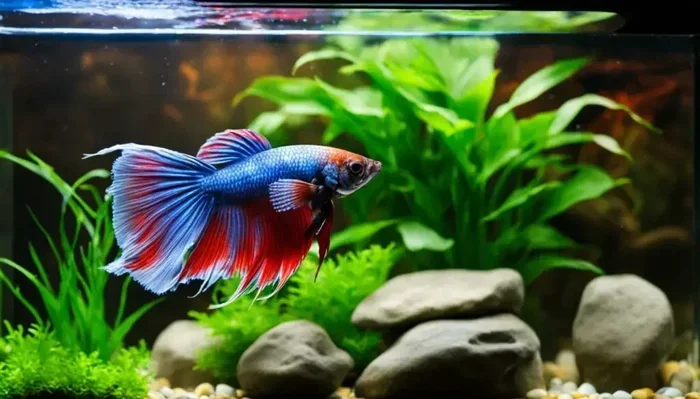
Betta fish need warm water between 76°F and 82°F (24°C to 28°C) to thrive. Keeping the betta fish water temperature in this range supports their immune system, energy levels, and overall health. If the water is too cold or too hot, your betta can become stressed, sick, or even die. This guide covers everything you need to know about the right warm water for betta fish, including signs of temperature problems and easy ways to maintain a comfortable tank.
Betta fish are beautiful, vibrant creatures that bring life to any room. But keeping them healthy goes beyond picking the right tank or feeding them quality food. One of the most important parts of betta fish care is getting the water temperature just right. Many new fish owners ask, “how warm does betta fish water supposed to be,” and the answer is more specific than you might think.
Betta fish come from the warm, slow-moving waters of Southeast Asia. They are tropical fish, which means they need warm water to survive and stay active. If the water is too cold, their body slows down. If it is too hot, they struggle to breathe. Finding the sweet spot is essential for a happy, healthy betta.
In this article, we will walk you through everything you need to know about betta fish water temperature. We will cover the ideal range, what happens when temperatures go wrong, and simple steps you can take to keep your fish comfortable year-round.
Key Takeaways
- Ideal Range: Betta fish water should stay between 76°F and 82°F for optimal health.
- Temperature Matters: Cold water slows down betta metabolism, while hot water causes stress and oxygen loss.
- Use a Heater: A small aquarium heater is the most reliable way to maintain consistent warmth.
- Watch for Signs: Lethargy, faded colors, and rapid breathing can signal temperature problems.
- Avoid Fluctuations: Sudden temperature changes are more dangerous than a slightly off temperature.
- No Heater Options Exist: You can keep your betta warm without a heater using warm room placement and careful monitoring.
- Regular Testing: Use a simple aquarium thermometer to check the temperature daily.
📑 Table of Contents
- What Is the Ideal Temperature for Betta Fish Water
- Why Water Temperature Matters for Betta Fish
- Signs Your Betta Fish Water Is Too Cold
- Signs Your Betta Fish Water Is Too Warm
- How to Maintain the Right Water Temperature for Your Betta
- Common Mistakes Bettas Owners Make with Water Temperature
- How to Keep Betta Fish Warm During Winter
- Quick Tips for Perfect Betta Water Temperature
- Final Thoughts
What Is the Ideal Temperature for Betta Fish Water
The ideal water temperature for betta fish falls between 76°F and 82°F, which is about 24°C to 28°C. This range mimics the warm, shallow waters and rice paddies where bettas naturally live in Thailand, Cambodia, and Vietnam. Within this range, your betta will have energy, a strong appetite, and vibrant colors.
Most experts agree that 78°F (25.5°C) is the perfect middle ground. At this temperature, your betta’s body functions work efficiently. The immune system stays strong. Digestion runs smoothly. And the fish remains active and curious about its surroundings.
Why 76°F to 82°F Is the Safe Zone
This range gives you a buffer. You do not need to obsess over hitting exactly 78°F every single day. As long as the water stays between 76°F and 82°F, your betta will be comfortable. Temperatures below 76°F start to cause problems. Temperatures above 82°F bring their own set of risks.
Here is a quick look at what the numbers mean for your fish:
- Below 74°F: Dangerous. The fish becomes sluggish and vulnerable to illness.
- 76°F to 82°F: The safe and ideal zone for betta fish.
- 82°F to 86°F: Tolerable for short periods but stressful over time.
- Above 86°F: Dangerous. Low oxygen levels can suffocate your fish.
Using a reliable aquarium thermometer is the easiest way to stay on track. You can find simple stick-on thermometers for just a few dollars. Place it on the inside of the tank and check it once or twice a day.
Why Water Temperature Matters for Betta Fish
Temperature is not just a number on a gauge. It directly affects how your betta fish feels, behaves, and fights off disease. Understanding why temperature matters helps you take better care of your pet.
How Temperature Affects Betta Metabolism
Betta fish are cold-blooded, which means their body temperature matches the water around them. When the water is warm, their metabolism speeds up. They digest food faster, swim more, and interact with their environment. When the water cools down, everything slows. Their metabolism drops, and they become less active.
This is why cold water betta fish often look tired and sit at the bottom of the tank. Their body is simply not burning enough energy to stay active. On the other hand, water that is too warm speeds up the metabolism too much, which causes stress and exhaustion over time.
The Link Between Temperature and Immune Health
Warm water within the ideal range helps the betta immune system work properly. At the right temperature, the fish can produce white blood cells and fight off bacteria and parasites effectively. When the temperature drops too low, the immune system weakens. This is when common betta diseases like fin rot, ich, and fungal infections take hold.
Many fish owners do not realize that temperature swings are just as harmful as a consistently wrong temperature. A tank that goes from 78°F to 70°F overnight can shock the fish and trigger illness. Stability matters just as much as the number itself.
Oxygen Levels and Warm Water
Here is something that surprises many new betta owners. Warmer water holds less dissolved oxygen than cooler water. This does not mean you should keep the tank cold. It means that if the water climbs above 82°F, you need to watch for signs of oxygen stress. Rapid gill movement, gasping at the surface, and lethargy are all warning signs.
Using a small air stone or gentle filter can help maintain oxygen levels in warmer tanks. This is especially important during summer months when room temperatures rise.
Signs Your Betta Fish Water Is Too Cold
Cold water is one of the most common problems betta fish face, especially in homes without heaters. Knowing the warning signs helps you act fast before your fish gets seriously ill.
Lethargy and Hiding
If your betta suddenly stops moving and spends most of the day hiding or resting at the bottom of the tank, cold water could be the cause. A healthy betta is curious and exploring. A cold betta barely has the energy to swim.
Faded Colors
Betta fish are famous for their bright colors. When the water is too cold, the colors fade. The fish may look dull or washed out. This happens because cold temperatures stress the fish and reduce blood flow to the skin and fins.
Loss of Appetite
A betta that refuses food is telling you something. Cold water slows digestion, so the fish feels full even when it is not. If your betta turns its nose up at food more than once, check the temperature first before assuming the fish is picky.
Slow Breathing
Watch the gills. A betta in cold water breathes slowly and with less effort. This is the body trying to conserve energy. While it might look peaceful, it is actually a sign that the fish is struggling.
Increased Risk of Disease
Cold water weakens the immune system over time. A betta that lives in water below 74°F for weeks will eventually develop infections or diseases. Fin rot, white spots, and bloating become much more likely in cold conditions.
Signs Your Betta Fish Water Is Too Warm
While too-cold water is more common, too-warm water is equally dangerous. Hot water holds less oxygen and puts the fish under constant stress.
Rapid Gill Movement
If you notice your betta breathing fast or moving its gills rapidly, the water may be too warm. The fish is trying to pull in more oxygen because the warm water cannot hold enough.
Restlessness and Erratic Swimming
A betta in water above 84°F often becomes restless. It may dart around the tank, swim erratically, or seem unable to settle down. This hyperactivity is a stress response.
Loss of Appetite in Hot Water
Just like cold water, hot water kills the appetite. But the mechanism is different. In warm water, the fish’s metabolism speeds up so much that it becomes stressed and stops eating. Prolonged hot temperatures lead to weight loss and weakness.
Algae Bloom Problems
Warm water also encourages algae growth. If you notice green water or algae buildup on the tank walls, the temperature might be too high. Algae blooms can also reduce oxygen levels further, creating a cycle of problems for your betta.
How to Maintain the Right Water Temperature for Your Betta
Now that you know the ideal range and the warning signs, let us talk about how to actually keep the water at the right temperature. Maintaining a stable betta fish tank temperature is easier than most people think.
Use a Small Aquarium Heater
The most effective way to keep warm water for betta fish is a small aquarium heater. You do not need a big, expensive unit. A 25-watt or 50-watt heater works perfectly for most betta tanks, which are usually 5 to 10 gallons. Look for a heater with a built-in thermostat that automatically turns on and off to maintain the set temperature.
Place the heater near the filter output so the warm water circulates evenly. Avoid tucking it behind decorations where the heat cannot spread properly.
Choose the Right Tank Size
Small tanks lose heat faster than larger ones. A 5-gallon tank is the minimum recommended size for a betta, and it also holds temperature better than a tiny bowl. If you want stable temperatures with less effort, a slightly larger tank gives you more thermal mass. The water takes longer to change temperature, which means fewer swings.
You can learn more about the right tank size in our guide on how big a betta fish tank needs to be.
Keep the Tank Away from Drafts and Direct Sunlight
Where you place the tank matters more than people realize. Do not put the tank near windows where direct sunlight creates hot spots. Do not place it near doors, windows, or air conditioning vents where cold drafts can lower the temperature suddenly.
A steady room temperature between 78°F and 80°F is ideal for betta tanks. If your room gets cold at night, a heater becomes even more important.
Do a Proper Water Change with the Right Temperature
When you change the water, the new water should match the tank temperature as closely as possible. Adding cold tap water to a warm tank causes a sudden temperature drop that stresses the fish. Let the new water sit out or use a thermometer to match it before pouring it in.
You can find detailed steps for safe water changes in our article on how to change betta fish water. Also, always treat tap water with a conditioner before adding it to the tank to remove chlorine and chloramines.
Monitor the Temperature Daily
Get into the habit of checking the temperature every day. It takes just a few seconds with a simple thermometer. If you notice the temperature drifting, adjust the heater or move the tank slightly. Catching small problems early prevents big emergencies later.
What If You Do Not Want to Use a Heater
Some fish owners prefer not to use a heater, and that is okay. There are ways to keep the water warm without one. Keep the tank in a warm room away from air conditioning. Use a tank lid to reduce heat loss. You can also wrap the tank with a towel or blanket during cold nights, but make sure to leave some space for air circulation.
For more detailed strategies, check out our guide on how to keep water warm for betta fish.
Common Mistakes Bettas Owners Make with Water Temperature
Even experienced fish keepers sometimes make mistakes with temperature. Here are the most common ones and how to avoid them.
Relying on Room Temperature Alone
Many people assume that if their home feels comfortable, the fish tank water is also comfortable. This is not true. Room air temperature and water temperature are very different. Water loses heat much faster than air, especially in smaller tanks. Relying on room temperature alone almost always leads to water that is too cold, especially in winter.
Using a Heater Without a Thermostat
Not all heaters have reliable built-in thermostats. Cheap heaters can malfunction and overheat the tank. Always buy a heater from a reputable brand and consider using a separate in-tank thermometer to double-check the temperature. A betta fish heater with a guard is also safer to prevent the fish from touching the hot glass directly.
Ignoring Temperature Swings
A consistent 76°F is better than a tank that swings between 72°F and 80°F every day. Temperature swings stress the fish more than a slightly off but stable temperature. Avoid placing the tank near electronics that generate heat, like lamps or TVs, as these can create uneven warming.
Overcorrecting the Temperature
If the tank is too cold, do not crank the heater up high to fix it fast. Rapid temperature changes are dangerous. Adjust the heater in small increments and wait 24 hours before making another change. Gradual adjustments are always safer.
Forgetting to Check the Thermometer
Thermometers can break, peel off, or give inaccurate readings over time. Check your thermometer periodically against a second one to make sure it is working correctly. A broken thermometer gives you false confidence that everything is fine when it is not.
How to Keep Betta Fish Warm During Winter
Winter months are the hardest time to maintain stable betta fish water temperature. Room temperatures drop, windows let in cold drafts, and heaters work harder. Here are a few extra tips for keeping your betta comfortable when the weather turns cold.
- Move the tank away from windows: Cold drafts from windows can drop the water temperature several degrees overnight.
- Use a tank cover or lid: A lid reduces heat loss from evaporation and keeps warm air trapped inside the tank.
- Insulate the back and sides: Placing a piece of foam board or a towel against the back of the tank helps retain heat.
- Check the heater more often: In winter, heaters may need to work harder. Monitor the temperature twice a day if needed.
- Avoid placing the tank near exterior walls: Exterior walls conduct cold from outside, chilling the water from the sides.
If you want a deeper dive into winter care, our article on how to keep betta fish warm in winter covers this topic in full detail.
Quick Tips for Perfect Betta Water Temperature
Here is a fast summary of the best practices you can start using today:
- Keep the water between 76°F and 82°F at all times.
- Use a small aquarium heater with a thermostat for tanks 5 gallons or larger.
- Check the temperature with a thermometer every single day.
- Match the temperature of new water during water changes.
- Place the tank in a stable room away from drafts and direct sunlight.
- Watch for signs of temperature stress like lethargy, faded colors, or rapid breathing.
- Make temperature adjustments slowly, never all at once.
- Use a thermometer guard to protect your betta from touching the heater directly.
Following these simple steps keeps your betta fish healthy, active, and colorful. The right warm water for betta fish is one of the easiest and most impactful things you can do as an owner.
Final Thoughts
Getting the water temperature right is one of the foundations of good betta fish care. The answer to “how warm does betta fish water supposed to be” is simple: between 76°F and 82°F. Within that range, your betta will thrive. Outside of it, health problems follow quickly.
You do not need expensive equipment or a biology degree to keep the temperature stable. A good heater, a simple thermometer, and a little daily attention are all it takes. The key is consistency. A stable 78°F beats a fluctuating 80°F every single time.
Remember that betta fish are tropical creatures. They need warm water to feel safe, eat well, and show off their beautiful colors. Take the time to set up proper heating and monitoring, and your betta will reward you with years of vibrant life and lively behavior.
Start today. Check your tank temperature, adjust your heater if needed, and make it a daily habit. Your betta fish will thank you for it.
Frequently Asked Questions
What happens if betta fish water is too cold?
Cold water slows down a betta fish’s metabolism, making it lethargic, less interested in food, and more vulnerable to diseases like fin rot and ich. Prolonged exposure to water below 74°F can be fatal. Always use a heater to maintain the proper temperature range.
Can betta fish live in room temperature water without a heater?
It depends on the room temperature. If the room stays consistently between 76°F and 82°F, the fish may be fine. However, most homes are cooler than this, especially at night and in winter. Without a heater, the water will likely drop below the safe range, putting stress on the fish.
How often should I check my betta fish water temperature?
You should check the temperature at least once a day. A quick glance at an aquarium thermometer takes only a few seconds. During winter or if you notice any signs of temperature stress, check it twice a day to catch problems early.
Is 85°F too warm for betta fish water?
Yes, 85°F is too warm for betta fish. Water above 84°F holds less oxygen and causes stress, rapid breathing, and lethargy. While bettas can tolerate brief periods of warmer water, sustained temperatures above 84°F are dangerous and can lead to serious health problems.
Do betta fish need a water heater in their tank?
Most betta fish benefit from a small aquarium heater. Unless you live in a tropical climate where room temperatures stay consistently warm, a heater is the safest way to maintain the ideal 76°F to 82°F range. It provides consistent warmth and protects against sudden temperature drops.
How long does it take for betta fish water to reach the right temperature?
It usually takes 24 to 48 hours for a tank to reach the target temperature after adding a heater. The time varies based on tank size, room temperature, and heater wattage. Always use a thermometer and adjust gradually to avoid stressing the fish.
=== META TITLE ===
How Warm Does Betta Fish Water Supposed to Be
=== URL SLUG ===
how-warm-does-betta-fish-water-supposed-to-be
=== SEO TITLE ===
How Warm Does Betta Fish Water Supposed to Be