When Betta Fish Staying at Bottom of Tank

When a betta fish stays at the bottom of the tank, it is a critical red flag signaling severe distress, not just a quirky habit. This behavior is almost always a symptom of a major underlying issue, most commonly poor water quality, incorrect temperature, or a serious internal or external disease. Immediate action is required, starting with testing your aquarium water parameters and ensuring the temperature is correct. Ignoring this sign drastically reduces your betta’s chances of recovery, so you must diagnose and treat the root cause swiftly to save your fish.
Key Takeaways
- Bottom-dwelling is a symptom, not a disease: It means your betta is feeling extremely unwell or stressed. Your job is to find and fix the *why*.
- Water quality is the #1 suspect: Toxic ammonia or nitrite spikes, high nitrates, or unstable pH are the most common and deadly causes of lethargy at the tank bottom.
- Temperature is critical: Water that is too cold (< 76°F) slows metabolism and immunity, while water that is too hot (> 82°F) causes oxygen deprivation and stress.
- It often indicates a serious internal problem: Conditions like Swim Bladder Disorder, severe constipation, Dropsy, or internal parasites will cause a betta to lose buoyancy and sink.
- External diseases cause lethargy: Fungal infections, advanced Fin Rot, or Columnaris can make a betta too weak to swim normally, causing it to rest on the substrate.
- Stress from environment or tank mates: A barren, too-small tank, aggressive tank mates, or sudden changes in lighting/flow can lead to chronic stress and bottom-hanging.
- Observation and testing are your first tools: Before any treatment, use a liquid test kit to check ammonia, nitrite, nitrate, and pH. Observe for physical signs like clamped fins, bloating, or spots.
📑 Table of Contents
- Understanding the Distress Signal: Why Your Betta Fish Is Staying at the Bottom
- Cause 1: Poor Water Quality – The Silent Killer
- Cause 2: Temperature Troubles – Too Hot or Too Cold
- Cause 3: Internal Diseases and Disorders
- Cause 4: External Diseases and Severe Stress
- Cause 5: Tank Setup and Decor Hazards
- Conclusion: A Call to Action for Your Betta’s Life
Understanding the Distress Signal: Why Your Betta Fish Is Staying at the Bottom
You feed your betta. You watch its beautiful fins flare. Then one day, you notice it. Instead of patrolling the mid-water column or lazily exploring the surface, your vibrant betta is perched motionless on the gravel, or hovering listlessly right at the tank’s bottom. Your heart sinks. This isn’t just a “lazy day.” For a betta fish, staying at the bottom of the tank is one of the most urgent and clear distress signals you can receive. It’s the aquatic equivalent of a human being bedridden with a high fever. Betta fish are, by nature, active surface dwellers. Their labyrinth organ allows them to gulp air from the top, and in the wild, they spend their time defending territories among floating plants and surface debris. When one consistently chooses the bottom, it means something is profoundly wrong, sapping its energy, compromising its buoyancy, or making the entire tank environment feel hostile. This comprehensive guide will walk you through every possible reason for this behavior, from the most common and easily fixed to the most severe. We’ll provide clear diagnostic steps and actionable treatment plans so you can become your betta’s best advocate.
The Immediate Checklist: What to Do in the First 30 Minutes
Before we dive into the deep causes, you must perform a rapid assessment. Do not jump to conclusions or randomly add medications. Your first actions are diagnostic.
- Test Your Water: This is non-negotiable. Use a reliable liquid test kit (like the API Freshwater Master Test Kit). Write down the numbers for Ammonia, Nitrite, Nitrate, and pH. Any detectable ammonia or nitrite is a critical emergency.
- Check Your Thermometer: Is it working? What is the actual temperature? Place a separate thermometer in the tank to verify. Betta require 78-80°F (25.5-26.5°C).
- Perform a 25% Water Change: Even if your tests are pending, a clean water change with dechlorinated water at the correct temperature is the single safest first aid step. It dilutes toxins and adds oxygen.
- Observe Closely: While testing, watch your betta. Is it breathing rapidly? Are its fins clamped tightly to its body? Is there visible bloating, spots, white fuzz, or torn fins? Is it lying on its side? Take a clear photo or video for reference.
Cause 1: Poor Water Quality – The Silent Killer
This is the culprit in over 70% of cases where a betta is lethargic and bottom-bound. The nitrogen cycle is the process by which fish waste becomes toxic ammonia, then less-toxic nitrite, and finally nitrate, which is removed via water changes. A broken cycle, an overstocked tank, or infrequent maintenance causes these toxins to spike, poisoning your fish.
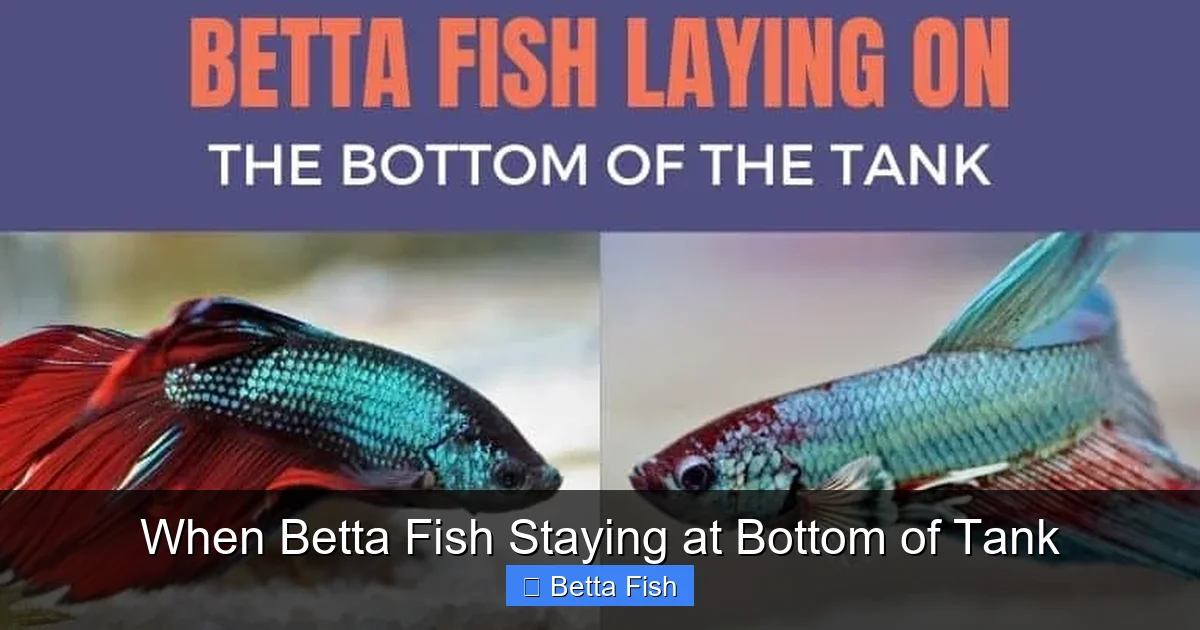
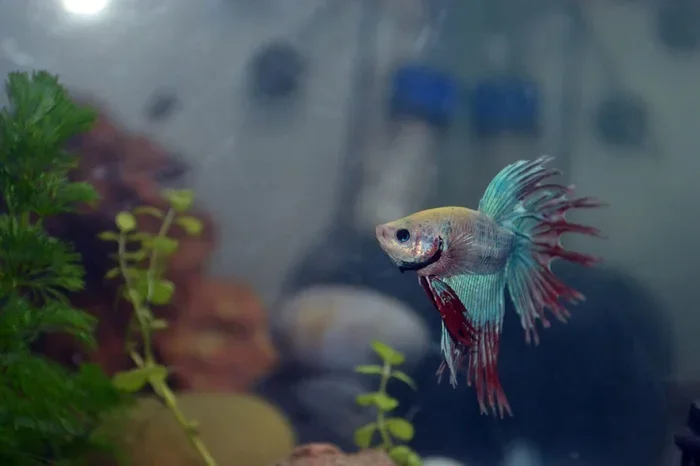
Visual guide about When Betta Fish Staying at Bottom of Tank
Image source: japanesefightingfish.org
Ammonia (NH3/NH4+) Poisoning
Ammonia is lethal even at low concentrations (0.25 ppm). It burns the gills and internal organs, causing extreme pain, respiratory distress, and lethargy. A betta suffering from ammonia will often gasp at the surface (trying to get oxygen from damaged gills) but will also be too weak to maintain its position, sinking to the bottom. Signs: Red, inflamed, or bleeding gills; rapid gill movement; clamped fins; lying on its side. Solution: Immediate 50% water change with dechlorinated, temperature-matched water. Ensure your filter is properly cycled and not over-cleaned (never rinse filter media in tap water). Use ammonia detoxifiers like Seachem Prime as a temporary measure while you correct the cycle.
Nitrite (NO2-) Toxicity
Nitrite is sometimes called the “silent killer” because it binds to hemoglobin in the blood, preventing oxygen transport—a condition called methemoglobinemia. This means your betta is essentially suffocating, even in oxygen-rich water. Signs: Gasping for air, lethargy, brown or chocolate-colored blood (visible if you have a very clear tank and a magnifying glass, but not typically obvious), and a tendency to rest on the bottom due to oxygen deprivation. Solution: Large water changes (50%+) to dilute nitrite. Adding salt (marine salt, not aquarium salt) at 1 tablespoon per 5 gallons can help block nitrite uptake, but water changes are the primary cure. Again, this points to an incomplete or crashed nitrogen cycle.
High Nitrates (NO3-) and pH Swings
While less immediately toxic than ammonia or nitrite, sustained high nitrates (>40 ppm) cause chronic stress, weaken the immune system, and contribute to lethargy. Sudden pH swings (even within the “acceptable” range of 6.5-7.5 for bettas) are also incredibly stressful. Signs: General lethargy, faded colors, loss of appetite, bottom-sitting without acute distress signs. Solution: Consistent weekly water changes of 25-50% to keep nitrates below 20 ppm. Use a pH test kit to monitor stability. Avoid using pH-altering chemicals; stability is more important than a perfect number. Use a water conditioner that detoxifies nitrates if levels are stubbornly high.
Cause 2: Temperature Troubles – Too Hot or Too Cold
Betta fish are tropical. Their metabolism, digestion, and immune function are entirely dependent on water temperature. An unstable or incorrect temperature is a direct path to sickness and bottom-sitting.
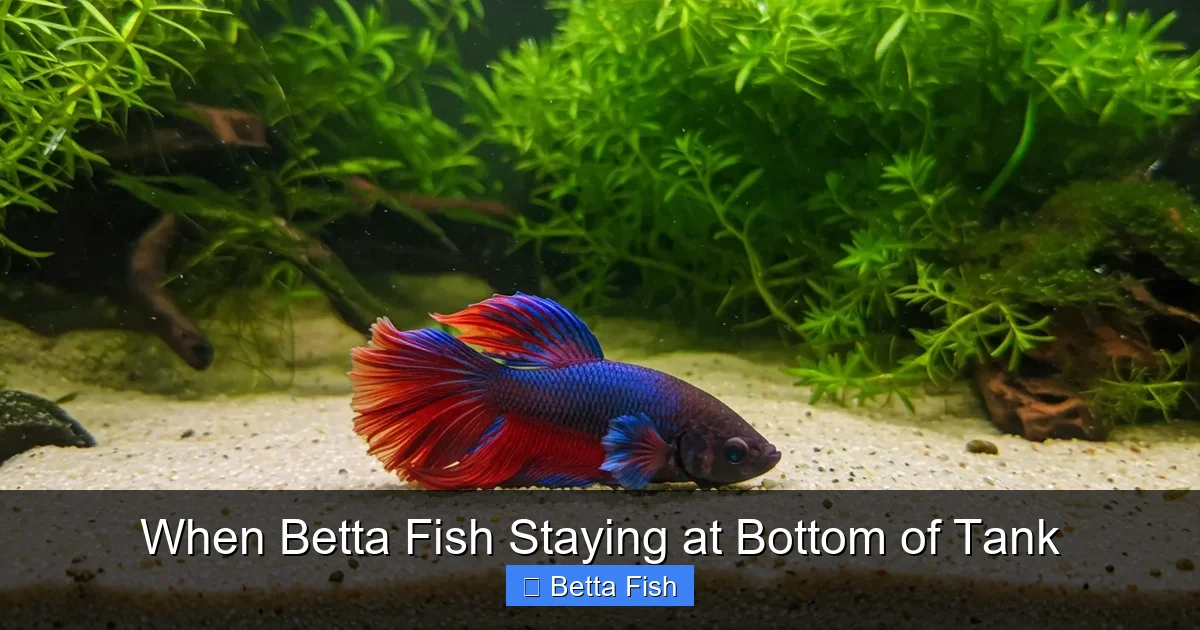
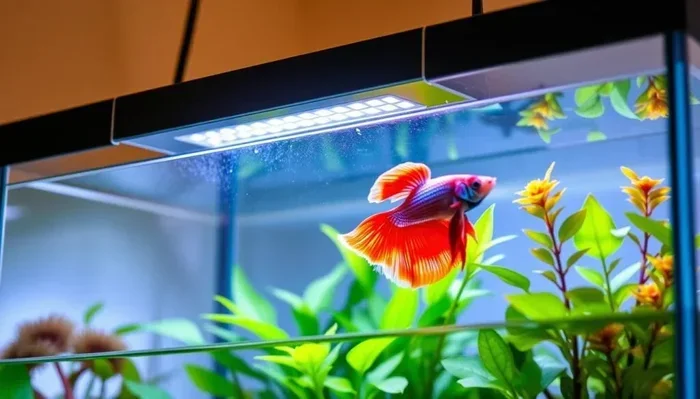
Visual guide about When Betta Fish Staying at Bottom of Tank
Image source: img.houseui.com
Water That Is Too Cold (< 76°F / 24.4°C)
Cold water slows a betta’s metabolism to a crawl. Digestion grinds to a halt, leading to constipation and Swim Bladder issues. More importantly, their immune system becomes virtually useless, allowing opportunistic bacteria and parasites to take hold. A cold betta is a sluggish, depressed betta that will conserve all energy by resting on the bottom. Solution: You must use an adjustable aquarium heater. A common 50-watt preset heater is often insufficient for a 5-gallon tank and can fail. Invest in a reliable, fully-submersible heater with an external thermostat. Use a separate thermometer to verify accuracy. Increase the temperature slowly (by 1-2 degrees per hour) to avoid temperature shock.
Water That Is Too Hot (> 82°F / 27.8°C)
While less common, overheating is dangerous. Warm water holds far less dissolved oxygen. Your betta may be gasping for air at the surface, but the effort is so great it exhausts the fish, causing it to sink, exhausted. High temperatures also accelerate metabolism, shortening lifespan, and can speed up the life cycle of parasites like Velvet. Signs: Rapid, labored breathing; frantic surface gulping followed by sinking; glassy eyes. Solution: Turn off the heater immediately. Use a fan to blow across the water surface to promote evaporative cooling. Perform a 25% water change with slightly cooler (by 2-3°F), dechlorinated water. Ensure your heater is not stuck “on” and is the correct wattage for your tank size.
Cause 3: Internal Diseases and Disorders
When water and temperature are perfect, internal ailments are the next suspect. These directly affect buoyancy and energy.
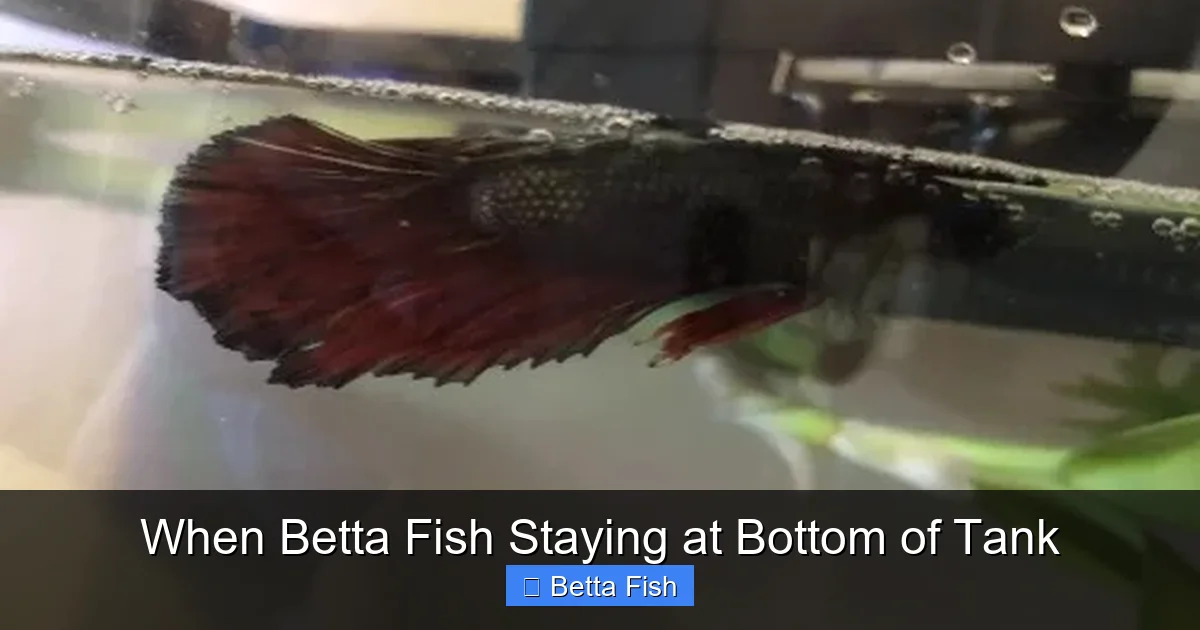
Visual guide about When Betta Fish Staying at Bottom of Tank
Image source: japanesefightingfish.org
Swim Bladder Disorder (SBD)
The swim bladder is a gas-filled organ that helps a fish control its buoyancy. SBD is not a disease itself but a symptom of a problem causing inflammation, pressure, or damage to this organ. Common Causes:
- Constipation: The #1 cause. Overfeeding, especially of dry foods that expand in the gut, causes a full digestive tract that presses against the swim bladder. Treatment: Fast for 3-5 days. Then offer a cooked, peeled pea (blanched and mashed) or a daphnia feeding to act as a natural laxative.
- Injury: From bumping into hard tank decor, being attacked by a tank mate, or from handling.
- Infection: Bacterial or parasitic infections can inflame the swim bladder.
- Birth Defect: Some bettas are born with a deformed swim bladder.
Signs: Difficulty swimming up, sinking like a stone, swimming upside down or sideways, struggling to maintain position. Treatment: First, rule out constipation with fasting. Ensure pristine water. For suspected bacterial infection, a broad-spectrum antibiotic like Maracyn ( erythromycin) may be needed, but only after confirming with a vet or clear symptoms (like a swollen abdomen).
Dropsy (Advanced Bacterial Infection)
Dropsy is not a disease itself but a severe symptom of a systemic bacterial infection (often Aeromonas) that causes fluid buildup inside the body, leading to extreme swelling. The fluid pressure makes the fish incredibly buoyant in some cases, but more often, the sheer weakness and discomfort cause it to lie listlessly at the bottom. Signs: The classic sign is “pinecone” scales—raised, pointed scales all over the body, especially the belly. Profound swelling (the fish looks like a pinecone or a balloon), clamped fins, lethargy. Treatment: This is a grave diagnosis. Treatment in a quarantine hospital tank is essential. Use a strong antibiotic like Kanamycin or a combination like Furan-2 (nitrofurazone) and Kanamycin. Epsom salt baths (1 tbsp per 5 gallons) can help draw out fluid. Prognosis is poor; humane euthanasia is often the kindest option if the fish is suffering.
Internal Parasites
Parasites like Hexamita (causing Hole-in-the-Head Disease) or severe tapeworm infestations can inhabit the digestive tract, causing blockages, inflammation, and malnutrition. Signs: Emaciation despite eating (or not eating), stringy white feces, holes on the head or along the lateral line, lethargy, bottom-sitting. Treatment: Requires anti-parasitic medication like Metronidazole (for flagellates) or Praziquantel (for tapeworms). These are often best administered via medicated food or a bath, prescribed by an aquatic vet.
Cause 4: External Diseases and Severe Stress
Visible illnesses and environmental stressors can also force your betta to the bottom.
Advanced Fin Rot or Fungal Infections
Fin Rot (bacterial) and Fungus (fungal) are opportunistic infections that attack damaged fins. In advanced stages, the infection can erode fin tissue, cause systemic illness, and lead to extreme lethargy. Signs: Fin edges are white, black, or red and frayed/rotten. For fungus, look for white, cottony tufts on fins or body. The fish will be listless, often resting on the bottom to conserve energy. Treatment: Isolate in a hospital tank. Perform 100% water changes daily. Use a fungal medication like Methylene Blue (for fungus) or an antibiotic like Furan-2 or Maracyn 2 (for gram-negative bacteria causing Fin Rot). Salt can help but is not a cure for advanced cases.
Columnaris (Cotton Wool Disease)
A severe bacterial infection (Flavobacterium columnare) that looks like fuzzy white growths on the mouth, gills, or body, but can also present as eroded patches of skin and fins. It is highly contagious and often fatal if not treated aggressively. Signs: Ragged, eroded fins; white/gray/fuzzy patches; difficulty breathing (gasping); lethargy at the bottom. Treatment: Requires strong antibiotics like Kanamycin or a combination like Trimethoprim-Sulfa. Increase aeration and lower the temperature slightly (to ~76°F) to slow the bacteria’s growth. Copper-based medications can also be used but are toxic to invertebrates.
Chronic Stress from Environment
A tank that is too small (< 5 gallons for a single betta), has no hiding spots, has strong filter flow, or has aggressive or incompatible tank mates creates constant stress. A stressed betta has a suppressed immune system and will often hide at the bottom in a corner, motionless, to feel "safe." Signs: Hiding constantly, darkening of colors, lack of response to feeding, frantic darting if startled. Solution: Provide a proper 5+ gallon tank with a gentle filter (like a sponge filter), plenty of plants (live or silk), and hiding spots (caves, PVC pipes). Never house a betta with known fin-nippers (like tiger barbs) or other aggressive fish. A solitary betta is often the healthiest and most active.
Cause 5: Tank Setup and Decor Hazards
Sometimes, the problem is physical and easily overlooked.
Injuries from Sharp or Rough Decor
Betta fins are delicate, like silk. Gravel with sharp edges, plastic plants with stiff, pointy leaves, or rough-hewn driftwood can tear fins. A torn fin is an open wound, leading to infection and pain. A betta in pain will often rest on the bottom to avoid moving. Solution: Use smooth, rounded gravel (sand is ideal). Use only soft, silk plants or live plants. Inspect all decor for sharp points. File down any rough spots on driftwood or rocks.
Getting Stuck or Trapped
Small bettas can sometimes wedge themselves behind a filter intake, under a tight rock crevice, or in dense plant thickets. They become exhausted trying to get free and may appear to be “just sitting” at the bottom when they are actually stuck. Solution: Gently move all decor and inspect the entire tank. Check filter intakes—they should have a sponge pre-filter to prevent a betta from being sucked against it.
Conclusion: A Call to Action for Your Betta’s Life
Seeing your betta fish staying at the bottom of the tank is a heart-stopping moment that demands an immediate, logical response. Remember this mantra: Test the water first, check the temperature second, observe closely third. In the vast majority of cases, the answer lies in the water parameters or the thermometer. The betta’s behavior is a direct reflection of its environment. By committing to a stable, cycled, warm, and clean aquarium, you prevent 90% of these crises. If water and temperature are perfect, then you must methodically investigate for physical signs of disease—bloating, spots, torn fins, abnormal swimming. When in doubt, a consultation with an aquatic veterinarian is invaluable, but for most hobbyists, meticulous water management and quarantine of new fish are the most powerful preventative medicines. Your betta depends entirely on you to interpret its silent pleas. That bottom-sitting is not a death sentence if you act with urgency, knowledge, and care. It is the final, desperate signal that it’s time to be your fish’s hero.
Frequently Asked Questions
Should I change all the water immediately if my betta is at the bottom?
Yes, a 25-50% water change with properly dechlorinated, temperature-matched water is the safest and most effective first step, even before you get test results. It dilutes toxins and adds oxygen. However, do not change 100% of the water at once, as this can cause harmful pH and temperature shock.
Can a cold water temperature really make my betta stay at the bottom?
Absolutely. Cold water is a major, often overlooked, cause. It slows metabolism and digestion, leading to constipation and Swim Bladder issues. More critically, it cripples the immune system, making the fish susceptible to diseases that cause lethargy. Always use a reliable heater and a separate thermometer to ensure a stable 78-80°F.
Is my betta just constipated, or is it something more serious like Dropsy?
Constipation causes a swollen abdomen and difficulty swimming. Dropsy causes a swollen, often pinecone-scaled body from fluid retention. To test for constipation, fast your betta for 3-5 days. If the swelling subsides and swimming improves, it was likely constipation. If the swelling worsens, scales raise, or the fish becomes more lethargic, suspect a severe internal infection like Dropsy, which has a poor prognosis.
My tank has a filter, so why is water quality still a problem?
A filter alone does not mean your tank is cycled. The nitrogen cycle requires beneficial bacteria to colonize the filter media and substrate. A new tank, a filter that was recently cleaned with tap water (killing the bacteria), or overfeeding can cause toxic ammonia/nitrite spikes despite having a filter running. Regular testing is the only way to know.
Should I turn off the lights if my betta is at the bottom?
Yes, dimming or turning off the lights can help reduce stress. Bright lights can be stressful for a sick fish and may exacerbate issues like stress-induced color loss. Provide a calm, quiet environment with gentle or no lighting while you diagnose and treat the problem.
When is it time to consider humane euthanasia for a betta at the bottom?
This is a difficult but necessary question. Consider humane euthanasia if your betta shows no improvement after 24-48 hours of correct water conditions and appropriate treatment, and is exhibiting clear signs of terminal suffering: extreme, uncontrollable buoyancy issues (floating upside down, sinking constantly), a massively swollen “pinecone” body from Dropsy, advanced Columnaris with large eroded patches, or if it is simply lying motionless and unresponsive to gentle stimuli. A quick, humane method like a clove oil overdose is the kindest final act.