Why My Betta Fish Not Eating

Seeing a betta ignore its food can be alarming, but many factors—from water quality to stress—can cause a loss of appetite.
Identify the root cause, adjust the environment, and try simple feeding tricks to encourage your betta to eat again.
Key Takeaways
- Check water parameters first: Poor water quality is the top reason bettas stop eating.
- Observe behavior changes: Hiding, lethargy, or excessive bubbling can signal illness.
- Offer variety: Live, frozen, and high‑protein pellets can re‑stimulate appetite.
- Maintain a stress‑free tank: Proper temperature, space, and décor reduce anxiety.
- Consult a vet if needed: Persistent refusal to eat may indicate disease.
- Regular tank maintenance: Weekly water changes and filter checks keep the environment stable.
- Use internal resources: Our related articles explain why bettas stop eating and how to address common health issues.
📑 Table of Contents
- Introduction
- 1. Water Quality – The Silent Appetite Killer
- 2. Temperature Troubles – Too Hot, Too Cold, or Fluctuating
- 3. Feeding Mistakes – Wrong Food, Wrong Schedule, Wrong Size
- 4. Stress Factors – The Invisible Appetite Suppressant
- 5. Illness and Disease – When Not Eating Is a Symptom
- 6. Age and Life Stage – Natural Changes in Appetite
- Putting It All Together – A Simple Checklist
- Conclusion
Introduction
Betta fish are known for their bright colors and feisty personalities, but when they stop eating, owners can feel a pang of worry. A finicky eater might simply be bored, yet it could also be a sign of a deeper problem. In this guide we’ll walk through the most common reasons why your betta might not be eating, how to spot the warning signs, and what you can do today to turn the situation around.
Think of it like caring for a pet dog that refuses to eat—first you check the bowl, then the food, then the health. The same step‑by‑step approach works for bettas, only the details differ. By the end of this article you’ll have a clear checklist, practical tips, and confidence that you’re giving your betta the best chance to thrive.
1. Water Quality – The Silent Appetite Killer
Why clean water matters
Betta fish are highly sensitive to ammonia, nitrite, and pH swings. Even a slight rise in ammonia (above 0 ppm) can make a betta feel nauseous and refuse food. Cloudy water, strong odors, or a sudden temperature drop are red flags.
How to test and fix
- Use a liquid test kit to check ammonia, nitrite, nitrate, and pH weekly.
- Maintain temperature between 76‑82°F (24‑28°C). A heater with an accurate thermostat helps.
- Perform a 25‑30% water change every 2‑3 days if parameters are off.
- Consider a small sponge filter to improve oxygenation without creating strong currents.
For a deeper dive into water‑related feeding issues, see our article Why Is My Betta Fish Not Eating.
2. Temperature Troubles – Too Hot, Too Cold, or Fluctuating
Ideal range and common mistakes
Betta fish are tropical and need a stable environment. Temperatures below 76°F can slow metabolism, making the fish less interested in food. Conversely, temperatures above 84°F increase stress and can cause rapid breathing, leading to loss of appetite.
Tips for stable temperature
- Invest in a reliable aquarium heater with an automatic shut‑off.
- Place the tank away from windows, air conditioners, and direct sunlight.
- Use a digital thermometer and check it twice daily.
3. Feeding Mistakes – Wrong Food, Wrong Schedule, Wrong Size
Choosing the right diet
Betta fish are carnivores. Low‑protein flakes or plant‑heavy pellets lack the nutrients they crave. Offer high‑protein betta pellets, frozen bloodworms, or live brine shrimp a few times a week.
Portion control
Over‑feeding can pollute the water quickly, while under‑feeding leaves the fish hungry but not satisfied. A pea‑sized amount (about 2‑3 pellets) 2‑3 times a day is ideal for most adults.
Feeding tricks to spark interest
- Soak pellets in a drop of water to soften them, making them easier to swallow.
- Use tweezers to “play” with the food near the surface, encouraging the betta to chase.
- Switch to a different protein source for a few days to break monotony.
Read more about why bettas might spit out food in Why Did My Betta Fish Spit Out His Food.
4. Stress Factors – The Invisible Appetite Suppressant
Common stressors
Betta fish can become stressed by loud noises, bright lights, aggressive tank mates, or a cramped space. Stress releases cortisol, which reduces hunger.
Creating a calm environment
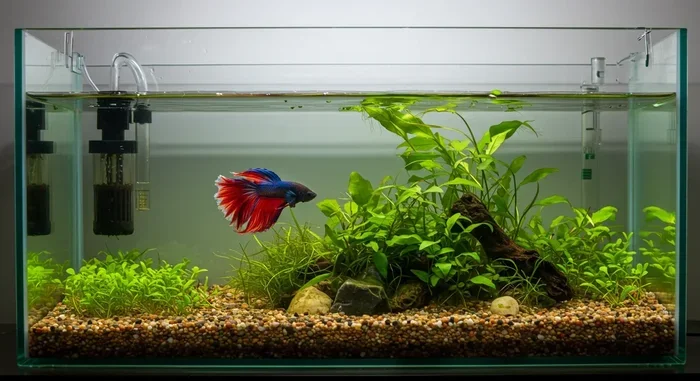
- Provide plenty of hiding spots—plants, caves, or silk sleeves.
- Avoid placing the tank next to televisions or speakers.
- Keep the tank size at least 2.5 gallons for a single male betta.
- Limit handling; bettas do not enjoy being tapped or moved frequently.
5. Illness and Disease – When Not Eating Is a Symptom
Signs to watch for
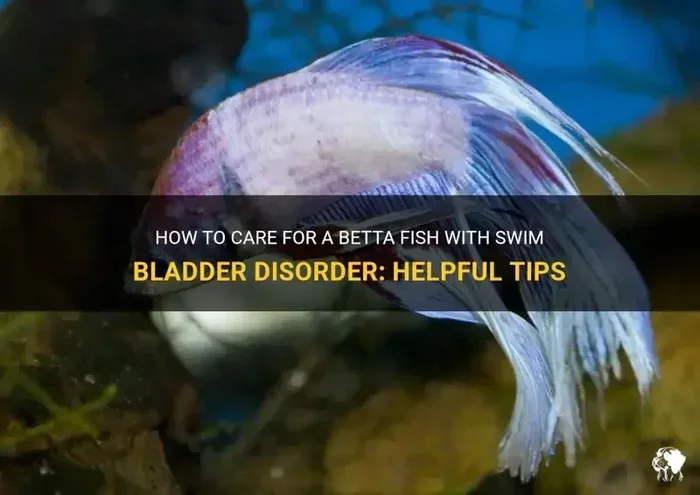
Look for white or black spots, frayed fins, clamped gills, bloating, or abnormal swimming (e.g., floating sideways). These can indicate bacterial infections, parasites, or internal issues.
When to intervene
- If your betta refuses food for more than 48‑72 hours, start a quarantine tank with clean, warm water.
- Consider a broad‑spectrum fish antibiotic (e.g., Maracyn) following the label instructions.
- Consult a veterinarian who specializes in fish if symptoms persist.
Our detailed guide on sudden health changes can help you decide the next steps: Why Did My Betta Fish Die All Of A Sudden.
6. Age and Life Stage – Natural Changes in Appetite
Young vs. adult bettas
Fry and juveniles eat constantly to support growth, while mature bettas may eat less during breeding or when they are preparing for a rest period. A slight reduction in appetite isn’t always a problem if the fish remains active and displays normal behavior.
Adjusting care
- For older bettas, offer smaller, more frequent meals.
- Monitor weight by gently lifting the fish; a healthy betta should feel firm but not plump.
- Provide occasional fasting days to mimic natural cycles.
Putting It All Together – A Simple Checklist
When you notice “why my betta fish not eating,” run through this quick list:
- Test water parameters; change water if needed.
- Check temperature; adjust heater or move tank.
- Offer a different high‑protein food for 24‑48 hours.
- Reduce stressors – add plants, dim lights, limit noise.
- Inspect for disease signs; isolate if necessary.
- Give the fish 48 hours of fasting, then try a small feeding.
Following this routine often restores appetite within a few days. If not, it’s time to seek professional advice.
Conclusion
Seeing your betta ignore its food is unsettling, but most cases have a clear, fixable cause. By monitoring water quality, temperature, diet, and stress levels, you can quickly pinpoint why your betta fish not eating and take action. Remember, a healthy tank is the foundation of a healthy fish, and a little variety in food can keep even the pickiest betta satisfied. Keep a close eye on behavior, act fast when problems arise, and enjoy watching your vibrant companion thrive once again.
Frequently Asked Questions
Why is my betta not eating after a water change?
Sudden changes in water chemistry can stress a betta. Make sure the new water is dechlorinated, matches the tank temperature, and has similar pH before adding it.
Can temperature fluctuations cause loss of appetite?
Yes. Betta fish need a stable temperature between 76‑82°F. Even a few degrees drop can slow metabolism and reduce feeding interest.
What foods can re‑stimulate a picky betta?
Try live or frozen brine shrimp, daphnia, or bloodworms. Offering a small amount of these high‑protein treats often sparks interest.
How long can a betta survive without food?
Adult bettas can typically survive 5‑7 days without food if water conditions are perfect, but it’s best to intervene sooner.
My betta is hiding and not eating—should I use medication?
Only if you see clear signs of disease (spots, fin rot, bloating). Otherwise, focus on improving water quality and reducing stress first.
Is it normal for a betta to stop eating during breeding?
Yes. Males may eat less while building a bubble nest, and females often reduce feeding when gravid. Monitor overall health and resume normal feeding after spawning.