What Can Baby Betta Fish Eat
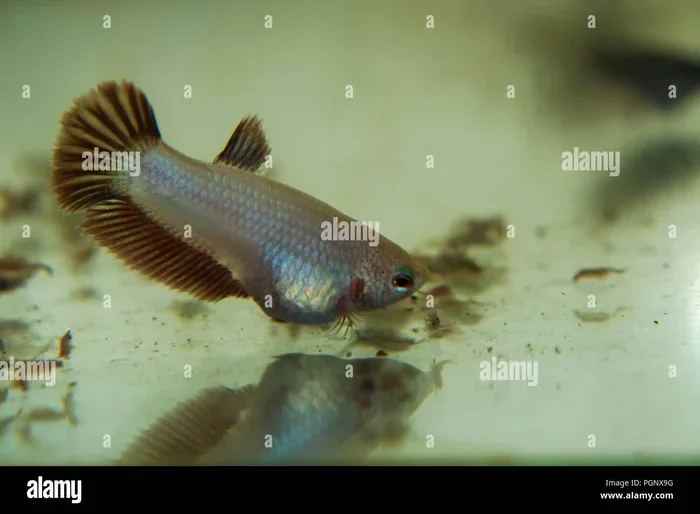
Knowing what can baby betta fish eat is essential for healthy growth and development. Baby betta fish need tiny, protein-rich foods like baby betta pellets, live brine shrimp, and micro worms to thrive. This guide covers the best foods, feeding schedules, and practical tips to keep your baby betta fish happy and healthy from day one.
Key Takeaways
- Baby betta fish need protein-rich, tiny foods: Their small mouths require specially sized nutrition like crushed pellets, fine flakes, and live baby brine shrimp.
- Feed small amounts multiple times daily: Newborn bettas need 3 to 5 feedings per day, while older fry can transition to 2 to 3 feedings.
- Avoid overfeeding at all costs: Excess food decays quickly and raises toxic ammonia levels in fry tanks.
- Vary the diet for balanced nutrition: Rotating between pellets, flakes, and live or frozen foods prevents nutritional gaps.
- Water quality is critical: Perform small water changes every other day to keep the fry tank clean and safe.
- Human foods like bread are harmful: Stick to fish-specific foods designed for baby bettas.
📑 Table of Contents
Understanding Baby Betta Fish Nutritional Needs
Baby betta fish, also known as betta fry, have very specific dietary needs that differ from adult bettas. When they first hatch, they are incredibly tiny, often smaller than the tip of a pencil. At this stage, their mouths are so small that they cannot eat regular-sized fish food.
The first few weeks of a baby betta fish’s life are critical for growth. They need a diet that is extremely high in protein and rich in nutrients. This helps them develop strong bones, vibrant colors, and healthy fins. Without proper betta fish nutrition, baby bettas can suffer from stunted growth and weakened immune systems.
During the first week after hatching, baby betta fish survive off their yolk sac. This yolk sac provides all the nutrients they need initially. Once the yolk sac is fully absorbed, usually within two to three days, you will need to start offering external food. This is when feeding becomes essential for betta fry care.
What Do Newborn Betta Fish Need?
Newborn betta fish need food that is microscopic in size. Their tiny mouths can only handle very small particles. The best options include infusoria, green water, and commercially prepared fry foods. These foods are specially designed to be small enough for newborn fish to consume easily.
Protein content is the most important factor in baby betta fish diet. Baby betta fish need a diet that is at least 40 to 50 percent protein. This supports rapid muscle development and energy needs. As they grow older, you can gradually introduce slightly larger food items.
Best Foods for Baby Betta Fish
When it comes to feeding your baby betta fish, you have several excellent options. Each food type offers different benefits, and many experienced fish keepers use a combination of foods to ensure balanced nutrition. Let us explore the best choices available.
Baby Betta Pellets
Pellets are one of the most popular food choices for growing bettas. If you are wondering can baby betta fish eat pellets, the answer is yes. However, you need to choose very small pellets specifically designed for fry or baby fish.
Standard-sized pellets are too large for baby bettas. You can crush regular pellets into tiny pieces to make them more manageable. Soaking the pellets in tank water for a few minutes before feeding helps them sink slowly and become easier to eat.
Many brands now offer specialized baby betta pellets. These are smaller in size and packed with nutrients. They dissolve slowly, which gives your baby fish more time to find and eat them. Look for pellets with high protein content and minimal fillers for the best results.
Baby Betta Flakes
Flakes are another good option for baby betta fish. If you are curious about can baby betta fish eat flakes, the answer is yes with some preparation. Standard flakes can be too large, so you should crumble them into very fine pieces.
Flakes offer good nutritional value and are easy to find in most pet stores. Look for high-quality flakes that list fish meal or shrimp as the first ingredient. These provide the protein your baby betta needs for healthy growth.
One advantage of flakes is that they soften quickly in water. This makes them ideal for tiny mouths. Just be sure to remove any uneaten flakes after a few minutes to keep the water clean. Flakes can also be soaked briefly before feeding to speed up softening.
Live and Frozen Foods
Live foods are excellent for baby betta fish. They mimic what bettas would eat in the wild and are packed with protein. Some of the best live foods include baby brine shrimp, microworms, and vinegar eels.
Baby brine shrimp are one of the most popular live foods for fry. They are tiny, nutritious, and easy to hatch at home. Many breeders consider baby brine shrimp the gold standard for feeding baby bettas. Can betta fish eat baby shrimp? Absolutely, and baby brine shrimp are especially ideal for young fry.
Frozen foods are a convenient alternative to live foods. You can find frozen baby brine shrimp or daphnia at most fish stores. Just thaw a small amount before feeding. Frozen foods retain most of their nutritional value and are safer than live foods because they carry fewer parasites.
Commercial Fry Foods
Specialized fry foods are designed specifically for baby fish. These are usually powders or very small granules that are easy for tiny mouths to consume. Many commercial fry foods combine multiple nutrients into one product.
Products like Hikari First Bites and Fluval Bug Bites are popular choices among betta breeders. These foods are formulated to support rapid growth and development. They are also easy to portion and feed, which makes them convenient for fish keepers of all experience levels. Commercial fry foods are an excellent option if you want a reliable, all-in-one solution for betta fry food.
How Often Should You Feed Baby Betta Fish
Feeding frequency is just as important as food type when raising baby betta fish. Young bettas have very fast metabolisms and need to eat frequently throughout the day. Getting the schedule right makes a huge difference in their growth rate and overall health.
Feeding Schedule for Newborn Bettas
During the first week of life, you should feed your baby betta fish three to five times per day. Each feeding should be very small. A few particles of food per fish is plenty. Overfeeding at this stage can quickly dirty the water and harm your fry.
As your baby betta grows, you can adjust the feeding schedule. By week two, you can reduce feedings to three times per day. By week four, twice daily feedings are usually sufficient. Always watch your fish during feeding to make sure they are eating properly. A consistent betta fish feeding schedule helps your fry develop healthy eating habits.
How Much Food Per Feeding
The amount of food per feeding is critical. A good rule of thumb is to offer only what your baby betta can eat in two to three minutes. Uneaten food will decompose in the water and raise ammonia levels, which is dangerous for young fish.
Start with a very small amount and observe your fish. If they eat quickly and eagerly, you can add a tiny bit more. If food is left after a few minutes, reduce the amount at the next feeding. Learning to read your fish’s appetite takes practice, but it becomes easier over time. Remember, feeding newborn betta fish in small portions prevents water quality issues.
Foods to Avoid Feeding Baby Betta Fish
Not all foods are safe or suitable for baby betta fish. Some common foods can harm your fry or cause water quality problems. Knowing what to avoid is just as important as knowing what to feed.
Human Foods to Avoid
Many people wonder if they can share their own food with their fish. The truth is, most human foods are not suitable for baby betta fish. Bread, crackers, and processed foods contain ingredients that can upset your fish’s digestive system.
Bread is particularly problematic. It expands in the stomach and can cause bloating and constipation. Can my betta fish eat bread? The short answer is no, especially for baby bettas. Their digestive systems are too sensitive to handle processed foods. Stick to foods specifically formulated for fish.
Overfeeding Dangers
Overfeeding is one of the most common mistakes new fish keepers make. Baby betta fish have tiny stomachs, roughly the size of their eye. Feeding too much at once can lead to serious health problems.
Excess food decays rapidly in water, releasing ammonia and nitrites. These toxins are harmful to baby bettas and can even be fatal. If you notice uneaten food after feeding, remove it immediately with a turkey baster or small siphon. Clean water is essential for baby betta fish diet success.
Foods Too Large for Baby Bettas
Adult betta pellets and large flakes are too big for baby fish. Feeding oversized food can cause your baby betta to choke or refuse to eat entirely. Always make sure the food particles are small enough for your fry to consume comfortably.
If you only have standard-sized food available, you can crush it. Use a clean mortar and pestle or even a plastic bag and a spoon. Breaking food into tiny pieces ensures your baby betta can eat without difficulty. This simple step makes a big difference in feeding success.
Tips for Feeding Baby Betta Fish Successfully
Raising baby betta fish can be rewarding but requires attention to detail. These tips will help you feed your fry effectively and promote healthy growth.
Create a Feeding Routine
Consistency is key when feeding baby betta fish. Try to feed at the same times each day. This helps your fish develop a routine and expect food at regular intervals.
Many experienced keepers feed their baby bettas at three set times each day: morning, midday, and evening. This schedule works well for most fry and makes it easy to track how much food your fish are consuming. A steady routine also reduces stress in your betta fish baby care routine.
Use a Turkey Baster for Feeding
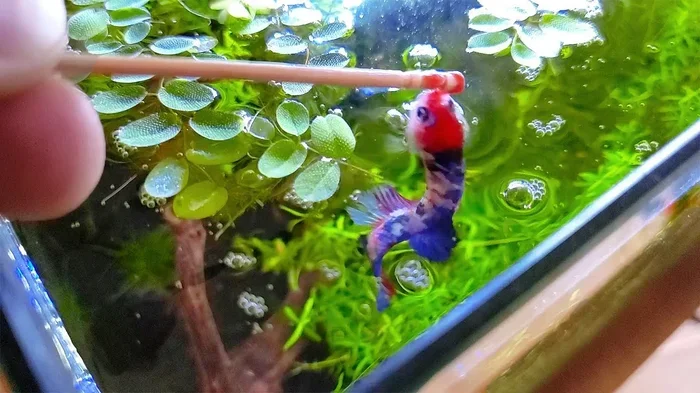
A turkey baster is one of the most useful tools for feeding baby betta fish. It allows you to deliver small amounts of food precisely where your fry are swimming. This reduces waste and ensures each fish gets its share.
You can also use the turkey baster to remove uneaten food after feeding. This simple tool makes a big difference in maintaining clean water quality in your fry tank. Many breeders consider the turkey baster an essential piece of baby betta feeding tips equipment.
Watch for Signs of Proper Nutrition
Healthy baby betta fish should be active, colorful, and eager to eat. You should see steady growth over the first few weeks. Their colors should begin to develop, and their fins should grow longer each week.
If your baby betta fish seem lethargic or refuse to eat, check your water parameters. Poor water quality is often the culprit behind feeding problems. Test for ammonia, nitrite, and nitrate levels regularly to ensure a safe environment for your growing fry.
Common Mistakes When Feeding Baby Betta Fish
Even experienced fish keepers can make mistakes when feeding baby bettas. Being aware of these common errors helps you avoid them and raise healthy fish.
Feeding Too Frequently
It might seem logical to feed your baby betta as often as possible. However, feeding too frequently can actually harm your fish. Excess food leads to poor water quality, which stresses your fry and can cause illness.
Stick to the recommended three to five feedings per day for newborns. As your fish grow, reduce the frequency gradually. More food does not equal faster growth. Quality and portion control matter more than quantity when it comes to betta fish baby care.
Ignoring Water Quality
Baby betta fish are very sensitive to water changes. Uneaten food and waste build up quickly in small fry tanks. Dirty water can lead to infections, parasites, and even death in young bettas.
Perform small water changes of 10 to 20 percent every other day. This keeps the water clean without disrupting the delicate balance of your fry tank. Always use water that has been dechlorinated and matched to the tank temperature. Clean water is the foundation of successful betta fry care.
Not Varying the Diet
Feeding the same food every day can lead to nutritional gaps. Baby betta fish need a varied diet to receive all the vitamins and minerals they require. Rotate between pellets, flakes, and live or frozen foods for the best results.
A varied diet also keeps your baby betta interested in eating. Fish can become bored with the same food, just like people. Offering different food types encourages healthy appetite and better nutrition overall. This approach supports strong betta fry growth and vibrant color development.
Feeding your baby betta fish properly sets the foundation for a long, healthy life. By understanding their nutritional needs and offering the right foods at the right frequency, you give your fry the best possible start. Remember that what can baby betta fish eat depends on their age, size, and developmental stage.
Start with tiny, protein-rich foods like baby pellets, crushed flakes, and live baby brine shrimp. Feed small amounts multiple times daily, and always remove uneaten food promptly. Avoid overfeeding and keep your water quality high. With patience and consistency, your baby betta fish will grow into healthy, vibrant adult bettas.
If you want to learn more about feeding bettas at different life stages, check out our guide on what foods can betta fish eat for comprehensive advice on betta nutrition.